
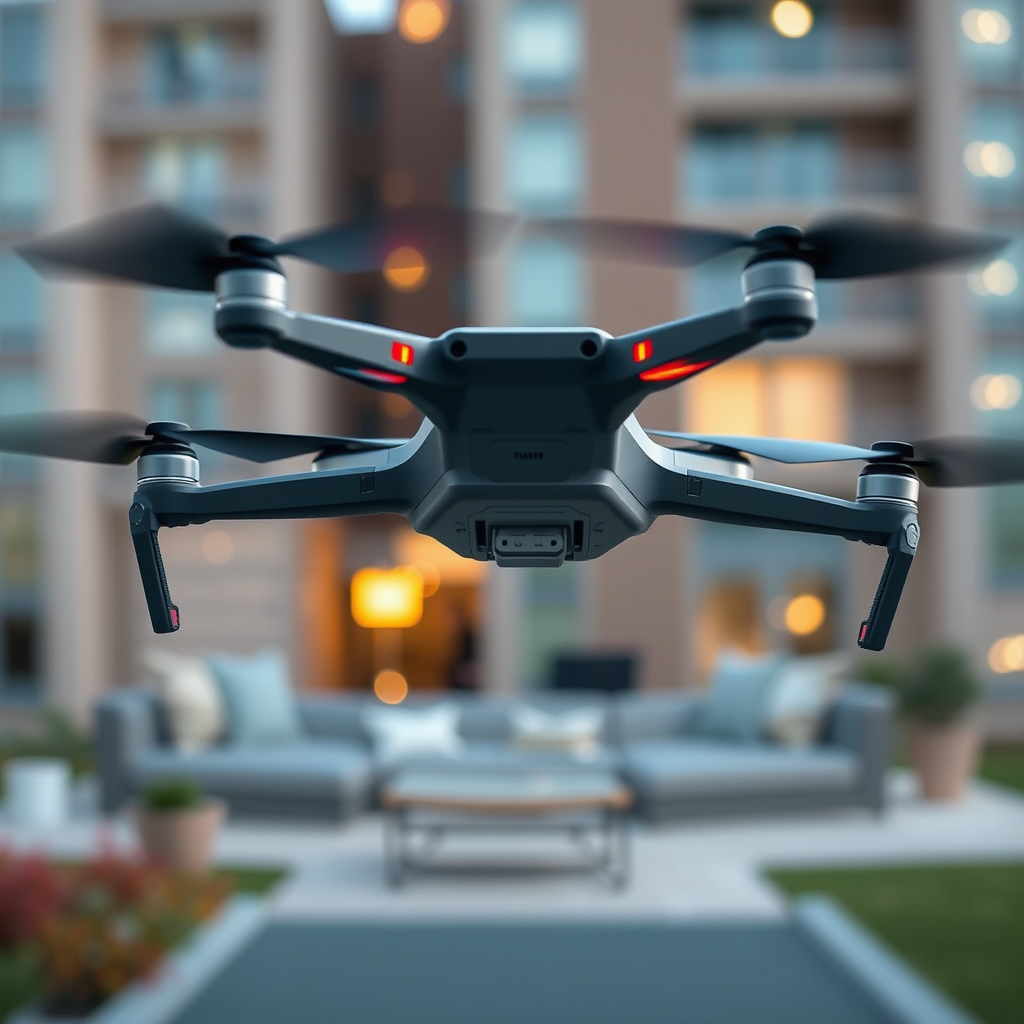
Yes, you can generally fly a drone in your neighborhood, but there are important regulations and guidelines you must follow to ensure safety and compliance. Understanding local laws, safety protocols, and community norms will help you enjoy flying your drone responsibly. With the increasing popularity of drones for recreational and professional use, it is essential to navigate the complexities of drone operation to avoid legal issues and maintain good relationships with your neighbors.
Understanding Local Regulations
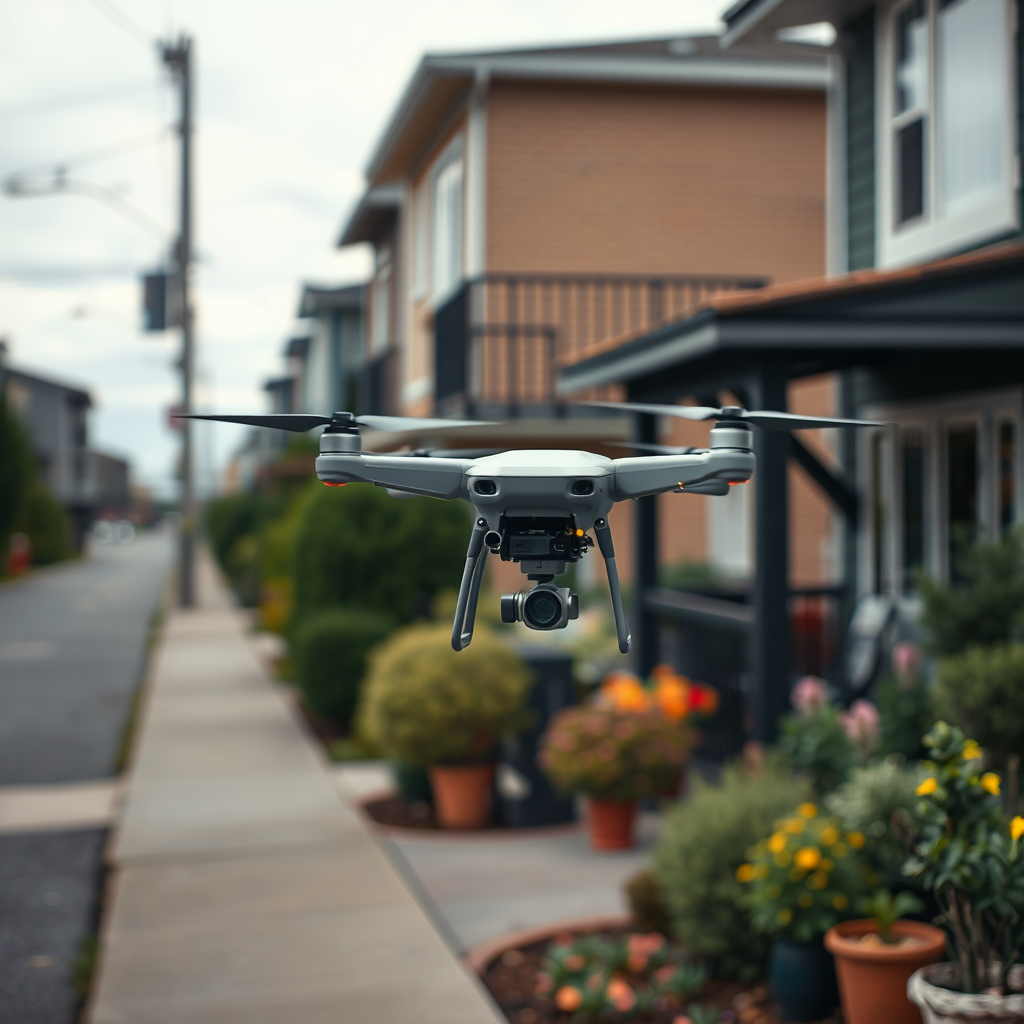
Before launching your drone, it is crucial to familiarize yourself with the Federal Aviation Administration (FAA) regulations that govern drone flight in residential areas. The FAA requires that all drone operators, regardless of whether they are flying for recreational or commercial purposes, adhere to specific guidelines. For instance, drones must be flown below 400 feet, must be kept within visual line-of-sight, and cannot be flown over people or moving vehicles.
Additionally, local laws and ordinances may impose further restrictions on drone usage. Many municipalities have enacted their own rules regarding where and when drones can be flown, often influenced by safety and privacy concerns. For example, some cities prohibit drone flights in public parks or near schools. It is essential to consult your local government’s website or contact local officials to ensure compliance with all applicable laws.
Safety Protocols for Flying Drones
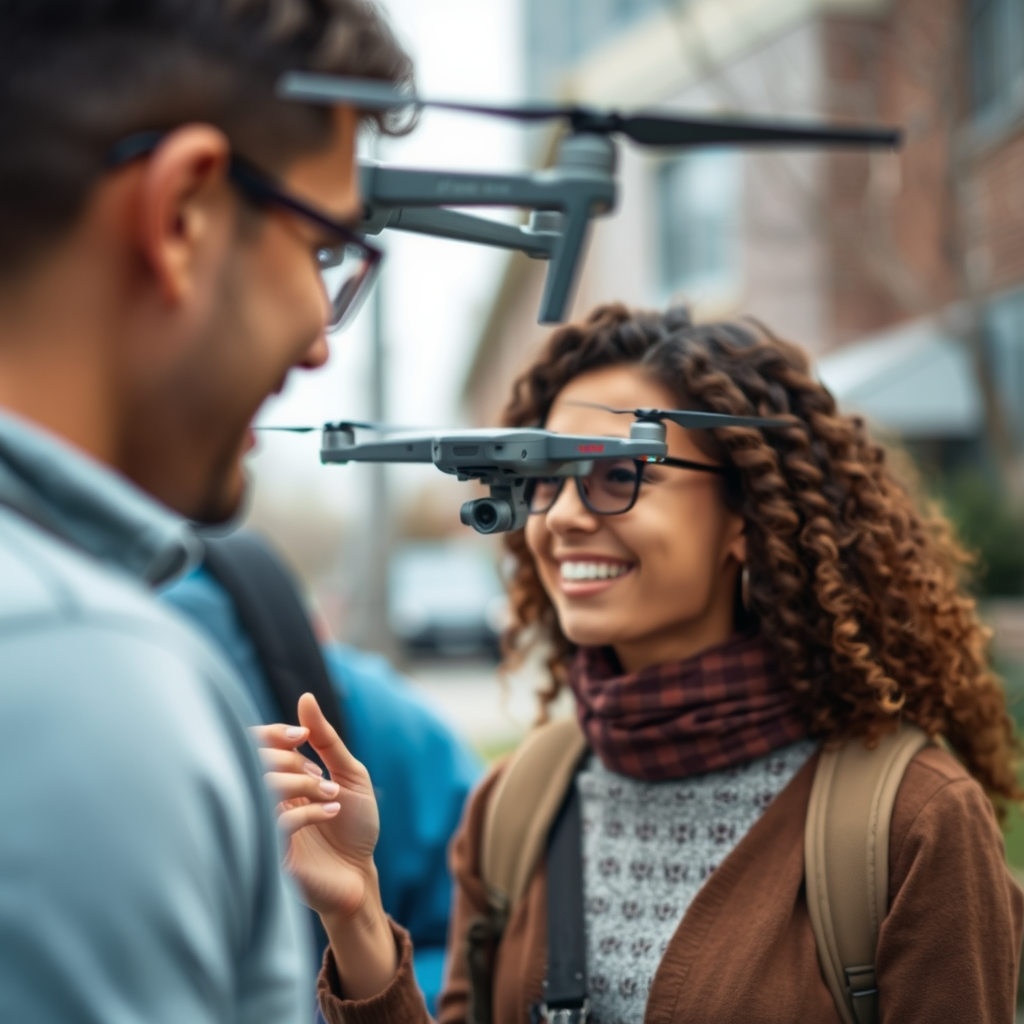
Safety should always be a top priority when flying a drone. Maintaining a safe distance from people and private property is essential to avoid accidents and potential injury. The FAA recommends keeping a minimum distance of 25 feet from individuals not involved in the flight. Additionally, you should always strive to keep your drone within visual line-of-sight to maintain control and awareness of your surroundings.
Another key safety protocol involves checking weather conditions before flying. High winds, rain, or poor visibility can significantly impact drone performance and increase the risk of accidents. Moreover, conducting a pre-flight inspection of your drone can help identify any mechanical issues that could lead to malfunctions during flight. By adhering to these safety protocols, you can reduce the risk of accidents and ensure a smoother flying experience.
Respecting Neighbor Privacy
Privacy is a significant concern for many individuals when it comes to drone operation. To maintain good relations with your neighbors, it is imperative to avoid flying over private property without explicit permission. This not only respects their privacy but also helps you avoid potential legal disputes.
Moreover, consider the noise that drones can generate. While modern drones are generally quieter than their predecessors, they can still be disruptive, especially in peaceful residential areas. Be mindful of the time of day you choose to fly, as early morning or late evening flights may disturb your neighbors. Engaging in open communication about your drone activities can also help mitigate concerns and foster a sense of community.
Ideal Times for Flying Drones
The timing of your drone flights can significantly impact your experience and your neighbors’ comfort. It is advisable to fly during daylight hours when visibility is optimal. Flying in the early morning or late afternoon can provide beautiful lighting conditions for aerial photography, but be cautious of local noise ordinances that may restrict drone usage during these hours.
Knowing your local community’s culture and routines can also guide your choice of flight times. For instance, if you live in a neighborhood with many families, avoiding flight times when children are playing outside can demonstrate respect for your neighbors and enhance community relations. Checking local regulations for any specific time restrictions is also essential to ensure compliance.
Recommended Drone Flying Practices
Establishing a routine of recommended practices can significantly enhance your experience and ensure safety while flying your drone. Utilizing a pre-flight checklist is an excellent way to confirm that your drone is operational and ready for flight. This checklist should include essential checks such as battery levels, control responsiveness, and camera functionality.
Additionally, familiarize yourself with your drone’s features and limitations. Understanding how your drone responds to controls, its flight range, and any potential hazards in your area will empower you to make informed decisions while flying. Participating in online courses or local workshops can also provide valuable insights into best practices and advanced flying techniques.
Engaging with Your Community
Community engagement is key to fostering a positive environment for drone flying. Informing your neighbors about your drone activities can help alleviate concerns they may have regarding privacy, noise, or safety. An open dialogue can lead to a better understanding of each other’s expectations and create a more harmonious living situation.
Moreover, joining local drone clubs or online forums can enhance your knowledge and provide opportunities for social interaction. These communities often share valuable tips, organize group flights, and discuss local regulations, which can enrich your flying experience. Building relationships with fellow drone enthusiasts can also lead to collaborative projects and community events, further integrating your hobby into the neighborhood.
In conclusion, flying a drone in your neighborhood is possible if you adhere to regulations, prioritize safety, and respect the privacy of others. By understanding local laws, implementing safety protocols, and engaging with your community, you can create a responsible flying experience that enhances your enjoyment of this innovative technology. Being a responsible drone pilot will not only enrich your experience but also positively impact your relationship with your neighbors, fostering a sense of community and shared enjoyment of this exciting hobby.
Frequently Asked Questions
What are the legal regulations for flying a drone in my neighborhood?
The legal regulations for flying a drone in your neighborhood vary by location, but in the United States, the Federal Aviation Administration (FAA) requires that you follow specific rules. You must register your drone if it weighs over 0.55 pounds and adhere to guidelines such as flying below 400 feet, keeping your drone within visual line of sight, and avoiding flights over people and private property without permission. Additionally, check your local laws, as municipalities may have their own restrictions on drone use.
How can I determine if it’s safe to fly my drone in my neighborhood?
To determine if it’s safe to fly your drone in your neighborhood, first, assess the area for potential hazards such as power lines, trees, and crowded places. Utilize apps like AirMap or the FAA’s B4UFLY, which provide information on airspace restrictions and no-fly zones. Moreover, consider the weather conditions and the time of day; flying during windy or low-light conditions can pose safety risks and affect your drone’s performance.
Why do some neighbors complain about drones flying in the neighborhood?
Neighbors may complain about drones flying in the neighborhood for several reasons, including privacy concerns, noise, and safety issues. Drones equipped with cameras can be perceived as intrusive, and the sound of drones can be disruptive, particularly in quiet residential areas. Additionally, there are worries about drones potentially crashing or causing accidents, especially in densely populated areas, which can lead to conflict between drone operators and their neighbors.
What should I do if my neighbor objects to my drone flying?
If your neighbor objects to your drone flying, it’s essential to handle the situation with understanding and communication. Start by discussing their concerns and explaining your intentions for flying your drone, whether it’s for recreational purposes or photography. If possible, agree on specific times or areas where your drone flying might be less disruptive. Building a good rapport can often alleviate tensions and lead to a better understanding of drone regulations and responsible use.
Which drones are best suited for flying in residential areas?
The best drones for flying in residential areas are typically those that are quieter and have advanced safety features. Models like the DJI Mini series or the Mavic Air 2 are popular choices due to their compact size, low noise levels, and obstacle avoidance technology. Additionally, drones with features like geofencing can help you stay compliant with local airspace regulations, ensuring a safer flying experience in populated neighborhoods.
References
- https://www.faa.gov/uas/getting_started/part_107
- https://www.faa.gov/uas/recreational_fliers/
- https://www.natlawreview.com/article/drone-laws-and-regulations-your-neighborhood
- https://www.suasnews.com/2020/06/drone-laws-in-your-neighborhood-what-you-need-to-know/
- https://en.wikipedia.org/wiki/Unmanned_aerial_vehicle
- https://www.abcnews.go.com/Technology/faa-drone-rules-fly-neighborhood/story?id=71712318
- https://www.npr.org/2021/04/25/991511188/what-you-need-to-know-about-flying-drones-in-your-neighborhood
- https://www.technologystudent.com/blog/drone-flying-regulations
- https://www.dronepilotgroundschool.com/drone-laws-in-your-state/
