
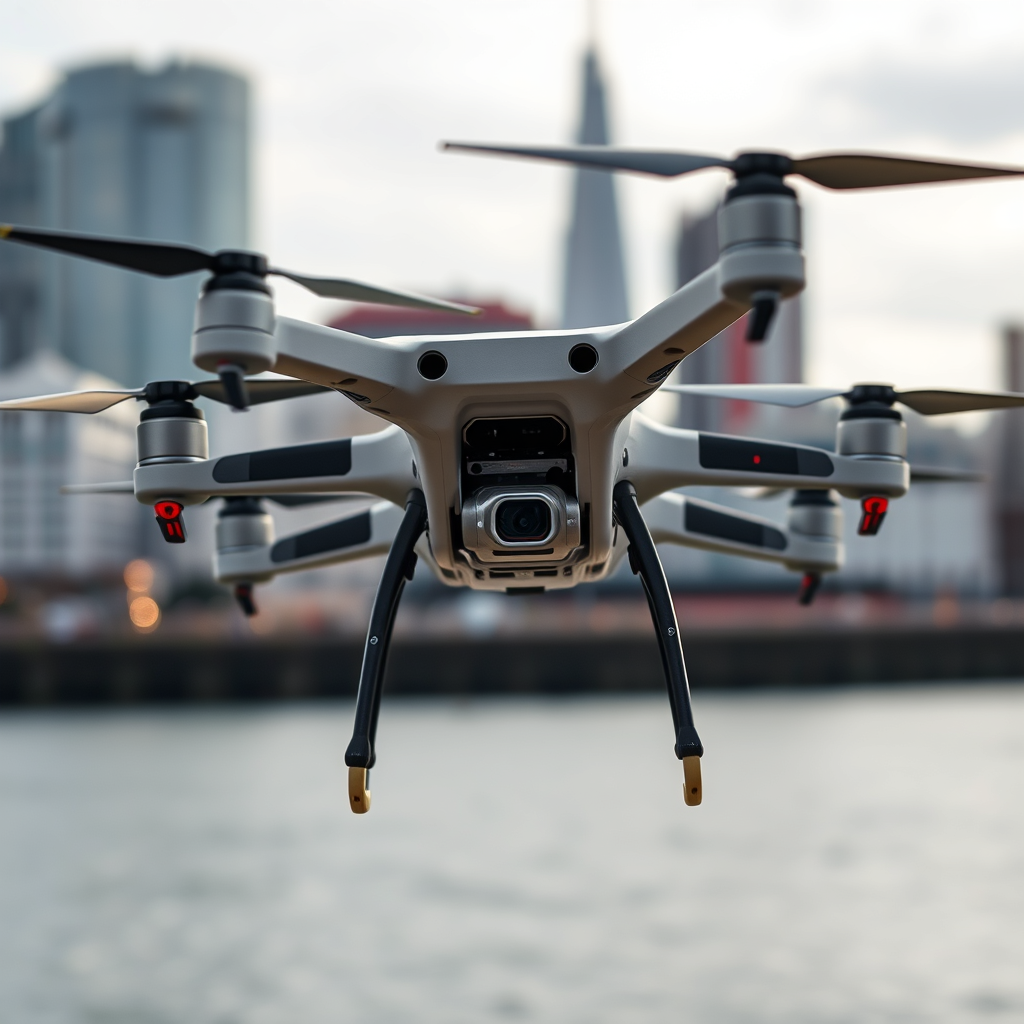
Yes, you can fly a drone in San Francisco, but there are strict regulations and guidelines you must follow. Understanding both federal and local laws is crucial to ensure a safe and lawful flying experience in this iconic city. This article will guide you through the necessary rules, restricted areas, and best practices to help you operate your drone responsibly while enjoying the breathtaking views of San Francisco.
Understanding FAA Regulations
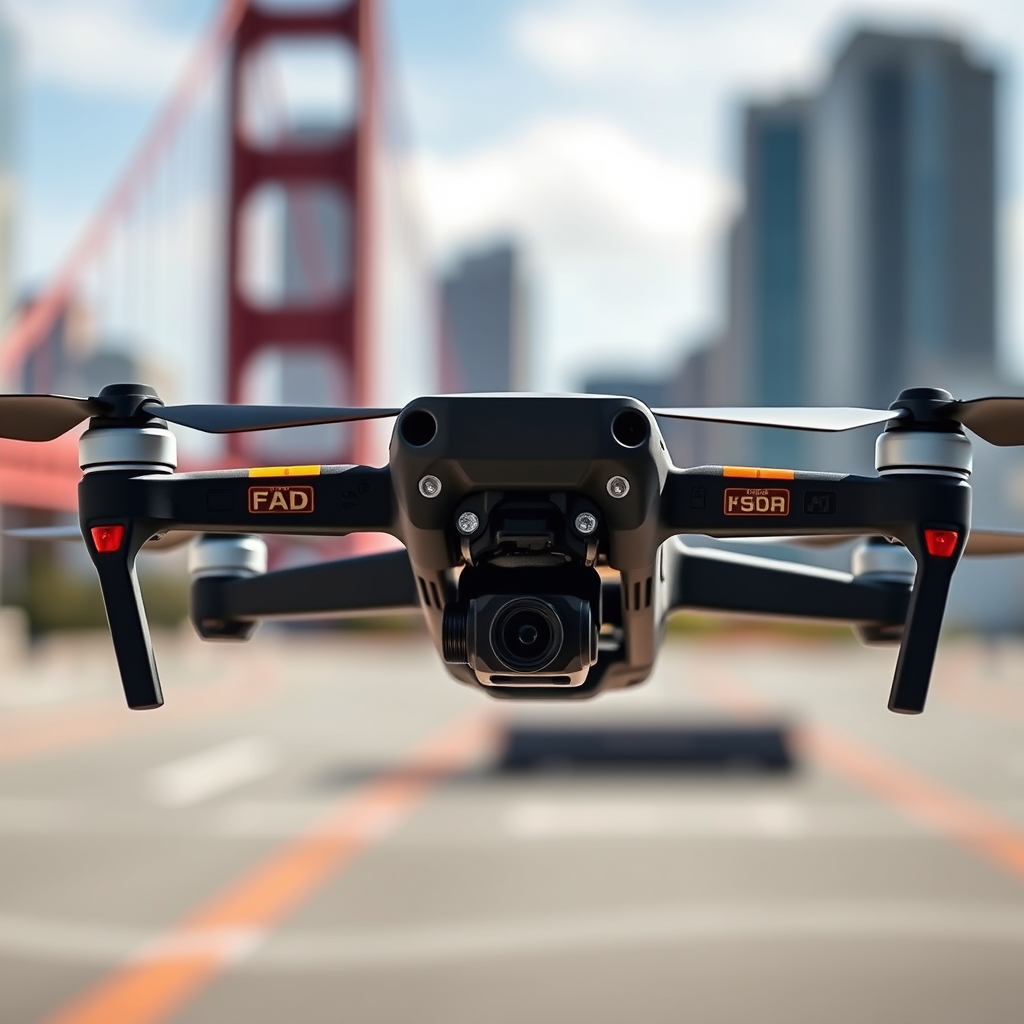
The Federal Aviation Administration (FAA) governs all drone operations in the U.S., establishing a framework to ensure safety in the national airspace. The FAA requires all drone pilots to register their drones if they weigh more than 0.55 pounds. This includes most consumer drones, making registration a necessary step for any hobbyist or professional pilot. The registration process is straightforward and can be completed online, allowing you to receive a unique identification number that must be displayed on your drone.
For those using drones for commercial purposes, adherence to Part 107 rules is crucial. This set of regulations includes obtaining a Remote Pilot Certificate, conducting pre-flight checks, and ensuring that your drone is in good operating condition. Part 107 also mandates that pilots must yield the right of way to manned aircraft and cannot fly over people or moving vehicles unless specific criteria are met. Failure to comply with these regulations can lead to penalties, including fines or suspension of your flying privileges.
City-Specific Drone Laws
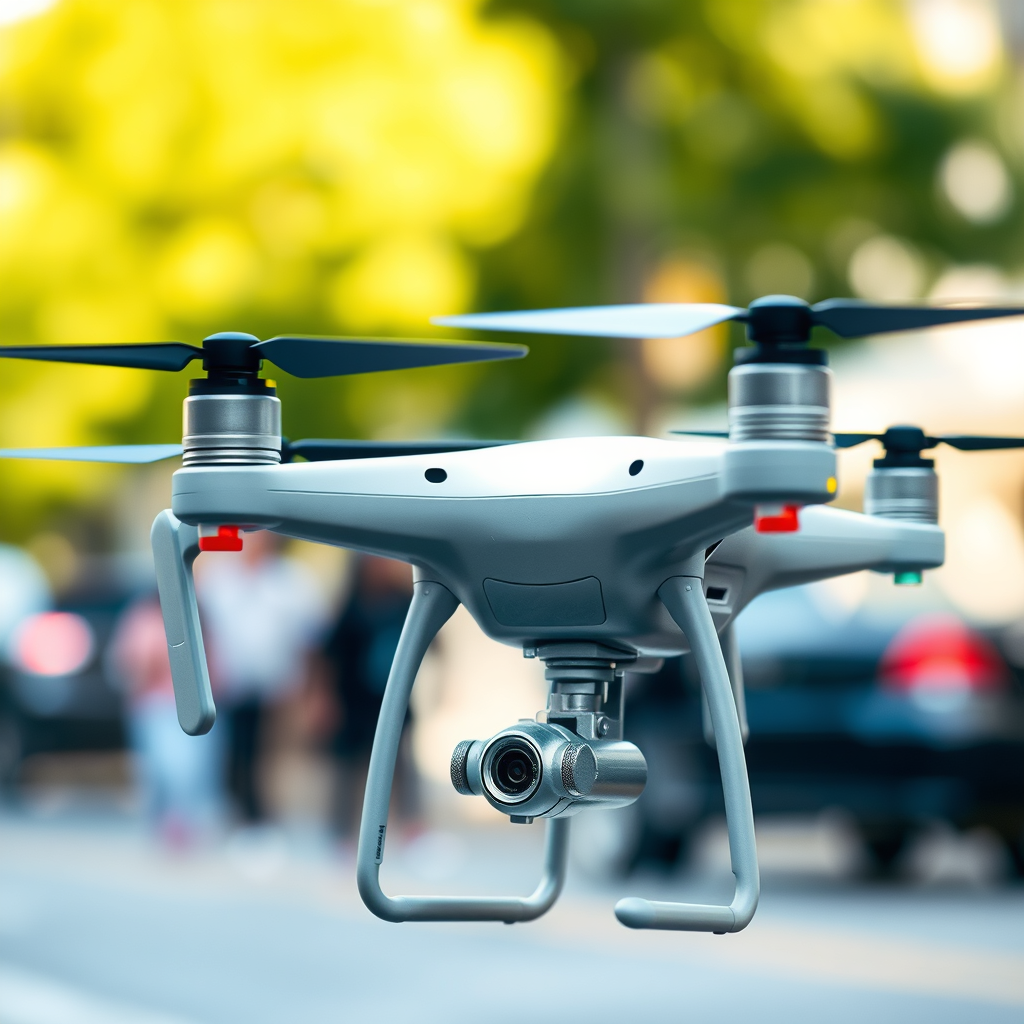
In addition to FAA regulations, San Francisco has its own set of laws that complement federal guidelines, adding an extra layer of complexity for drone operators. The San Francisco Recreation and Parks Department has strict rules regarding the use of drones in city parks. For instance, flying drones is prohibited in Golden Gate Park and most other recreational areas. This restriction is in place to protect wildlife and maintain the tranquility of these public spaces.
Furthermore, flying over residential areas and certain commercial zones may also be restricted. It is crucial for drone pilots to familiarize themselves with local ordinances and check for any updates or changes in regulations. The San Francisco Police Department and the city’s official website often provide valuable information regarding drone laws, helping pilots stay informed and compliant.
No-Fly Zones in San Francisco
Certain areas in San Francisco are designated as no-fly zones, and it’s essential for drone operators to be aware of these restrictions before taking flight. Notably, the vicinity around the Golden Gate Bridge is a prohibited area due to safety and security concerns. Additionally, airports such as San Francisco International Airport (SFO) and the nearby Oakland International Airport also constitute no-fly zones, with strict airspace regulations enforced by the FAA.
It’s also important to consider that proximity to emergency response scenes, such as fires or accidents, may impose temporary restrictions on drone flights. To avoid inadvertently flying into restricted areas, pilots should utilize apps or maps that highlight no-fly zones. Tools like the FAA’s B4UFLY app provide real-time information on airspace restrictions, helping you plan your flights safely.
Safety Guidelines for Flying Drones
Safety should always be a top priority when operating a drone. To ensure a safe flying experience, always maintain visual line-of-sight with your drone. This means you should be able to see your drone with your own eyes at all times, which is essential for avoiding obstacles and other aircraft. Additionally, it is advisable to avoid flying above 400 feet, as this limits your risk of interference with manned aircraft and ensures compliance with FAA regulations.
Respecting the privacy of individuals is another vital aspect of responsible drone operation. Avoid flying over private properties or crowded areas where people are gathered, as this can lead to privacy violations and potential confrontations. By adhering to these safety guidelines, you not only protect yourself and your drone but also contribute to a positive perception of drone usage within the community.
Best Practices for Drone Flying in San Francisco
To maximize your drone flying experience in San Francisco, consider adopting several best practices. Opting to fly early in the morning or late in the afternoon can help you avoid heavy crowds, ensuring a more enjoyable and less disruptive experience. Additionally, always consider the weather conditions before flying; strong winds, rain, or fog can significantly affect your drone’s performance and safety.
Joining local drone communities can also be a valuable resource. Engaging with fellow drone enthusiasts provides access to tips, shared experiences, and updates on local regulations. Online forums, social media groups, and local meetups can enhance your knowledge and help you stay informed about any changes to drone laws in San Francisco.
Reporting and Consequences of Violations
It is essential to understand that violating drone regulations can lead to serious consequences, including fines, confiscation of your drone, or even legal action. The FAA and local authorities take violations seriously to ensure the safety of the airspace and the community. If you witness any unsafe flying practices or incidents, it is your responsibility to report them to local authorities to maintain a safe environment for everyone.
Staying updated on drone policy changes is crucial to avoid unintentional violations. Regularly check the FAA’s website and local government resources for any updates regarding drone regulations, as these laws can evolve due to new safety concerns or technological advancements.
In summary, while flying a drone in San Francisco is indeed possible, it is essential to understand and comply with both federal and local regulations to ensure a safe and enjoyable experience. By staying informed about the rules, respecting no-fly zones, and adhering to safety guidelines, you can capture stunning views of this iconic city responsibly. Whether you’re a hobbyist or a professional, responsible drone operation contributes to a positive environment for all.
Frequently Asked Questions
Can I fly a drone in San Francisco’s Golden Gate Park?
Flying a drone in Golden Gate Park is prohibited due to city regulations that protect park wildlife and ensure public safety. The Federal Aviation Administration (FAA) also has restrictions in place that apply to urban areas like San Francisco. If you’re interested in flying your drone, consider looking for designated areas outside the park where local laws permit drone operation.
What are the regulations for flying drones in San Francisco?
In San Francisco, drone operators must adhere to both federal and local regulations. This includes following FAA guidelines, such as not flying above 400 feet, keeping the drone within visual line of sight, and not flying near airports. Additionally, the city has specific no-fly zones, including areas around schools, parks, and densely populated neighborhoods, so it’s essential to familiarize yourself with these rules before flying.
How do I obtain permission to fly a drone in San Francisco?
To obtain permission to fly a drone in San Francisco, you must first comply with FAA regulations and then check with the San Francisco Recreation and Parks Department for any special permits required. If you plan to fly in restricted areas or for commercial purposes, you may need to submit an application detailing your flight plan and purpose. Always ensure that you have the necessary approvals before launching your drone.
Why are there restrictions on drone flying in San Francisco?
The restrictions on drone flying in San Francisco are primarily for safety and privacy reasons. The city’s dense population, iconic landmarks, and numerous parks create potential hazards for drone operators and the public. Additionally, local wildlife protection laws aim to preserve the natural habitats within parks, further limiting drone activity. Understanding these restrictions helps ensure responsible drone use.
What are the best places to fly a drone near San Francisco?
While San Francisco has strict regulations, there are several nearby locations where drone flying is permitted. Areas such as the outskirts of the Presidio, parts of Marin County, and open spaces in the East Bay may offer better opportunities for drone enthusiasts. Always check local laws and regulations, as well as airspace restrictions, to ensure a safe and enjoyable flying experience.
References
- https://www.faa.gov/uas/getting_started/where_to_flly
- https://www.sfgov.org/parksrec/faq/drone-flying-san-francisco
- https://www.nps.gov/goga/planyourvisit/drone-use.htm
- https://www.nytimes.com/2021/06/16/us/drone-regulations.html
- https://www.wired.com/story/flying-drones-in-the-national-parks/
- https://www.sfgate.com/local/article/flying-drones-in-san-francisco-park-12839792.php
- https://www.nps.gov/subjects/science/drone-use-in-national-parks.htm
- https://www.citylab.com/environment/2018/06/drone-regulations-us-cities/561363/
