
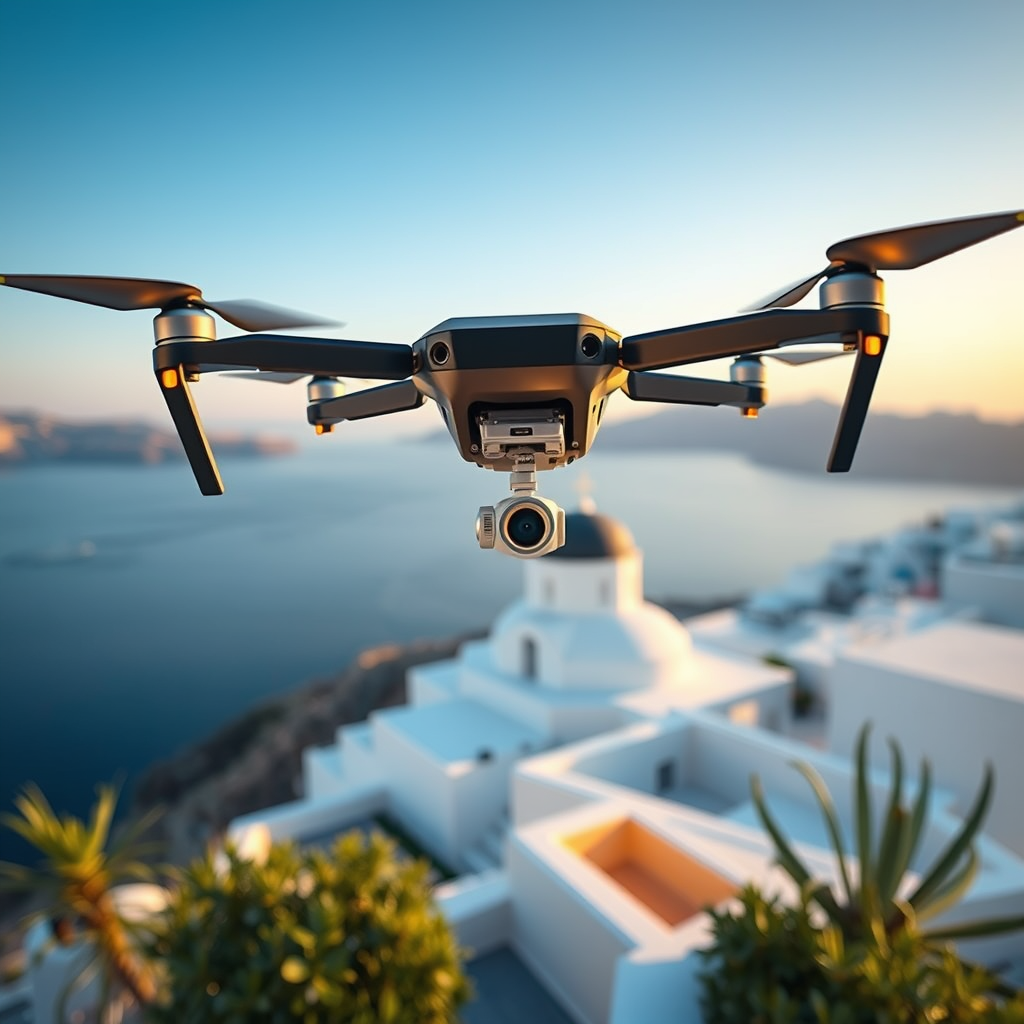
Yes, you can fly a drone in Santorini, but it is essential to adhere to specific regulations and guidelines to ensure compliance with local laws and to promote safety. Understanding these rules is crucial for capturing those breathtaking aerial views that the island is famous for, while also respecting its unique environment and cultural heritage. This guide will provide you with all the necessary information to navigate the complexities of flying a drone in this picturesque destination.
Understanding Drone Regulations in Greece
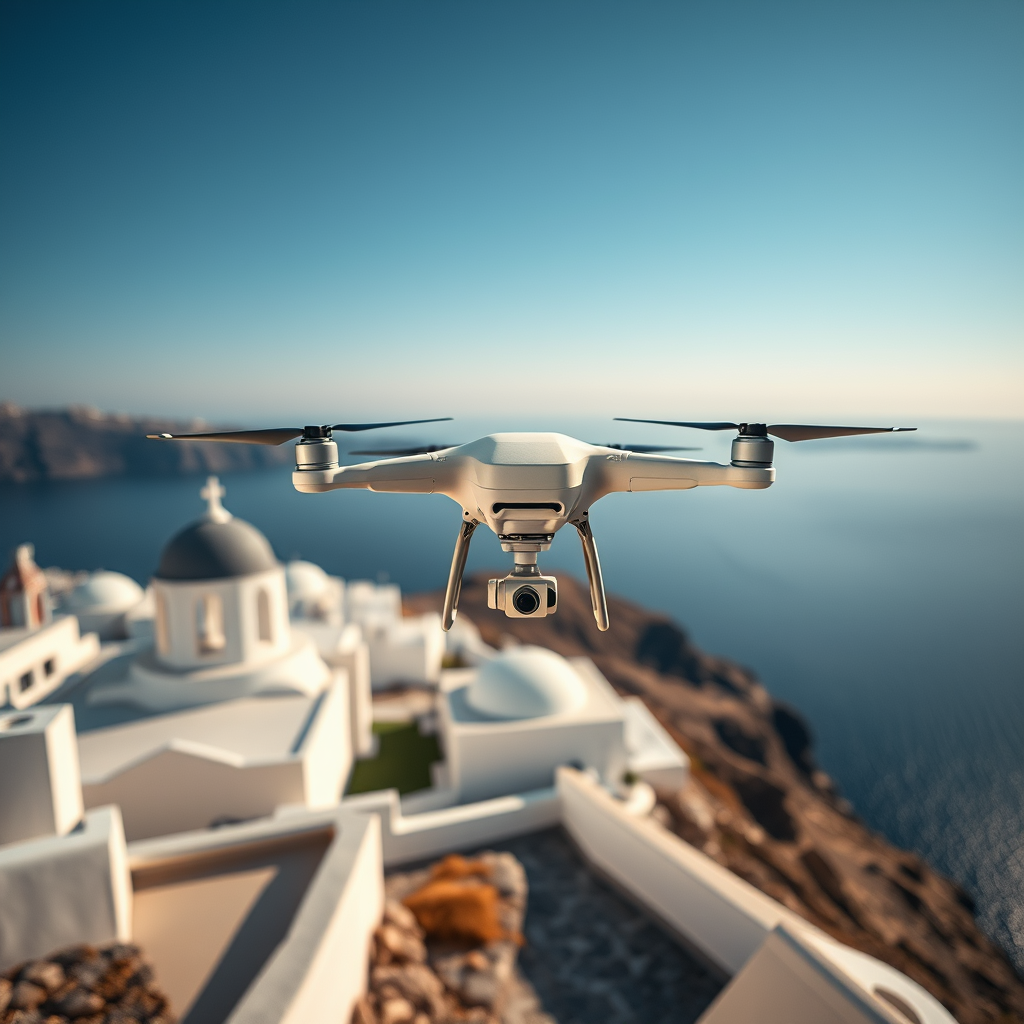
Greece has established a comprehensive set of laws governing the operation of drones, which are enforced by the Hellenic Civil Aviation Authority (HCAA). To operate a drone legally, you must first ensure that it is registered, especially if it exceeds a weight of 250 grams. Additionally, drone operators are required to have liability insurance that covers any potential damages caused by their drone. This insurance is crucial, as it protects both the operator and the public in case of accidents or mishaps.
Furthermore, drones classified as being over 2 kilograms must adhere to stricter regulations, which may include obtaining special permits for commercial use. Operators should also be aware of the European Union regulations that standardize drone usage across member states, including Greece. Familiarizing yourself with these regulations will not only keep you compliant but also enhance your overall flying experience.
No-Fly Zones in Santorini
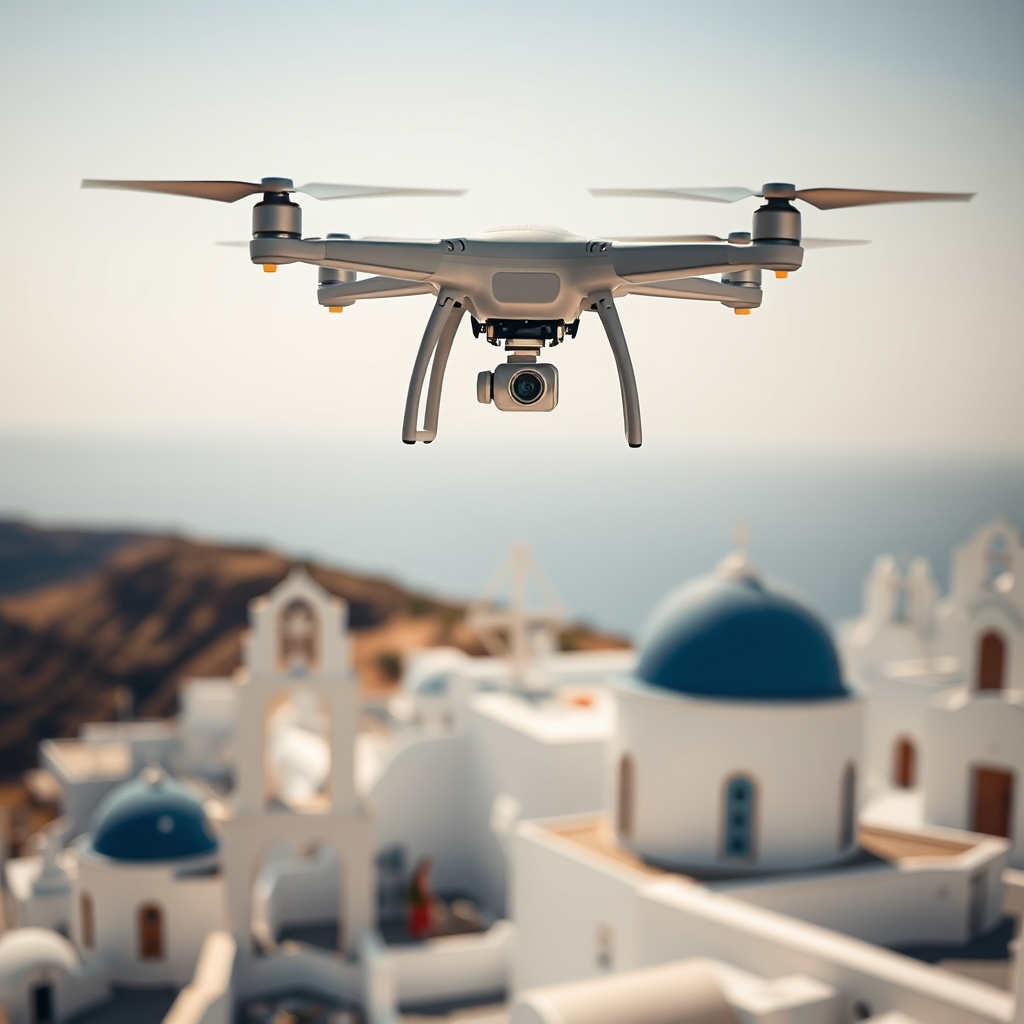
When planning to fly your drone in Santorini, it is imperative to be aware of the various no-fly zones. Popular tourist spots such as Oia and Fira are often subject to specific restrictions due to the high volume of visitors and the potential for disturbances. These areas are not only bustling with tourists but also homes to local residents, making it crucial to respect their privacy and tranquility.
Moreover, the proximity to airports, such as Santorini Airport, poses additional restrictions. Drones are not permitted to operate within a certain radius of airports, typically around 5 kilometers, to ensure the safety of manned aircraft. It’s advisable to consult local maps and resources that outline these no-fly zones clearly. Utilizing apps designed for drone operators can also provide real-time information regarding restricted areas, helping to avoid potential legal issues.
Required Permits and Licenses
Depending on the weight of your drone and its intended use, you may need to apply for specific permits or licenses before taking to the skies in Santorini. For recreational users operating drones weighing under 25 kilograms, registration with the HCAA is typically sufficient. However, if you plan to use your drone for commercial purposes, you must apply for a specific license, which involves a more rigorous approval process.
To navigate these requirements effectively, it is recommended to contact the local authorities or agencies responsible for drone regulation prior to your trip. This proactive approach ensures that you have all the necessary documentation and permits in place, thus avoiding any potential fines or legal complications during your visit.
Best Practices for Flying Drones in Santorini
When flying your drone in Santorini, adhering to best practices is paramount for ensuring a safe and enjoyable experience. First and foremost, always respect the privacy of residents and fellow tourists. Avoid flying your drone over populated areas or private properties without permission, as this can lead to conflicts and negative perceptions of drone usage.
Additionally, it is advisable to fly your drone during daylight hours only, which not only enhances visibility but also ensures that you maintain a clear line of sight with your drone. Keeping your drone within visual range is not only a legal requirement but also a safety measure to prevent accidents. Before flying, familiarize yourself with the local weather conditions, as strong winds or rain can significantly impact drone performance.
Capturing the Best Aerial Shots
To make the most of your drone experience in Santorini, careful planning is crucial for capturing iconic landmarks and natural beauty. The island is renowned for its stunning landscapes, including the iconic caldera, white-washed buildings, and breathtaking sunsets. When planning your flight path, consider the best vantage points that comply with local regulations, ensuring that you can capture the mesmerizing views without infringing on no-fly zones.
Utilizing local weather forecasts can also greatly enhance your flying experience. Ideal conditions, such as clear skies and mild winds, will allow for smoother flights and more captivating visuals. Remember to scout potential shooting locations beforehand and to have backup plans in case of unforeseen circumstances such as changes in weather or unexpected restrictions.
Environmental Considerations
As a drone operator, it is essential to be mindful of the environmental impact of your activities. Santorini is home to unique wildlife and delicate ecosystems that must be protected. When flying your drone, avoid sensitive areas such as beaches, cliffs, and protected landscapes where wildlife may be nesting or foraging.
Additionally, it is crucial to respect local natural habitats and minimize disturbances to flora and fauna. By adhering to guidelines that promote environmental responsibility, you contribute to the preservation of Santorini’s natural beauty for future generations and enhance the overall experience for yourself and other visitors.
Local Attitudes Towards Drones
The local attitudes towards drones can vary significantly. While many residents and tourists appreciate the stunning aerial views drones can capture, others may have concerns about privacy and noise pollution. It is essential to approach your flights with respect and consideration for the local community.
Engaging with local residents and communities can foster goodwill and provide insights into their perspectives on drone usage. By demonstrating respect for their opinions and adhering to regulations, you can help mitigate any negative sentiments and encourage a positive relationship between drone operators and the local populace.
In conclusion, while flying a drone in Santorini is indeed possible, it is crucial to follow local regulations and guidelines to ensure a safe and respectful experience. By understanding the legal framework, being aware of no-fly zones, obtaining the necessary permits, and following best practices, you can capture the island’s breathtaking beauty while honoring its environment and community. Thorough research and preparation will help you maximize your drone flying experience in this iconic destination, allowing you to create stunning memories that last a lifetime.
Frequently Asked Questions
Can I fly a drone in Santorini without any permits?
No, flying a drone in Santorini typically requires permits due to strict regulations set by the Hellenic Civil Aviation Authority. If you plan to operate a drone, you must obtain the necessary permissions and adhere to local laws. Failing to do so could result in fines or confiscation of your equipment, so it’s important to research and comply with all regulations before your trip.
What are the drone flying regulations specific to Santorini?
Santorini’s drone regulations align with Greece’s broader aviation laws, which include restrictions such as flying below 120 meters, maintaining a visual line of sight, and avoiding populated areas and no-fly zones, such as near airports or military facilities. Additionally, flying over beaches and crowded tourist spots is generally prohibited. Always check for updated regulations before your visit to ensure compliance.
How can I obtain a drone permit for Santorini?
To obtain a drone permit for Santorini, you need to apply through the Hellenic Civil Aviation Authority’s website or contact them directly. The application process usually involves submitting details such as your drone specifications, intended flight area, and purpose of use. It’s advisable to start this process well in advance of your trip, as approval times can vary.
Why are there restrictions on flying drones in Santorini?
Restrictions on flying drones in Santorini are primarily in place to ensure the safety of both residents and tourists, protect the privacy of individuals, and preserve the island’s stunning natural landscapes. Given Santorini’s popularity as a tourist destination, maintaining a serene environment and avoiding disturbances is crucial. These regulations help balance the enjoyment of drone enthusiasts with the well-being of the local community.
Which areas in Santorini are best for flying drones legally?
The best areas for legally flying drones in Santorini are typically rural locations away from populated zones and tourist attractions. Some designated spots may include uninhabited beaches or open fields, but it is crucial to check for local no-fly zones and obtain necessary permits. Always prioritize safety and respect the natural beauty of the island while flying.
References
- https://en.wikipedia.org/wiki/Drone_regulations_in_Greece
- https://www.caa.co.uk/Consumers/Unmanned-aircraft/
- https://www.faa.gov/uas/
- https://www.greece-is.com/drone-regulations-greece/
- https://www.theguardian.com/world/2022/jul/30/greece-issues-new-drone-rules-amid-safety-concerns
- https://www.helena.edu/aircraft-operations/faq-drone-use/
