
Yes, flying a drone near an airport is highly regulated and generally not permitted without prior authorization. The Federal Aviation Administration (FAA) imposes strict restrictions to ensure the safety of both manned and unmanned aircraft. Understanding these regulations is essential for drone pilots who wish to operate their devices in proximity to airports while prioritizing safety and compliance.
Understanding FAA Regulations
The Federal Aviation Administration (FAA) prohibits drone flights within a 5-mile radius of airports without obtaining permission. This regulation is in place to prevent potentially hazardous encounters between drones and manned aircraft, which could lead to serious accidents. Pilots are required to notify the airport and the control tower whenever they plan to fly within this restricted area. This notification process is a crucial step that allows air traffic controllers to manage the airspace effectively and ensure that all aircraft, including drones, operate safely.
To comply with FAA regulations, drone pilots must familiarize themselves with the specific rules governing their operations. This includes understanding the classification of airspace and the various restrictions that apply to different types of airports. Additionally, drone operators should regularly check for any temporary flight restrictions (TFRs) that may be in effect, which can change frequently based on specific events or safety concerns.
Types of Airports and Their Zones
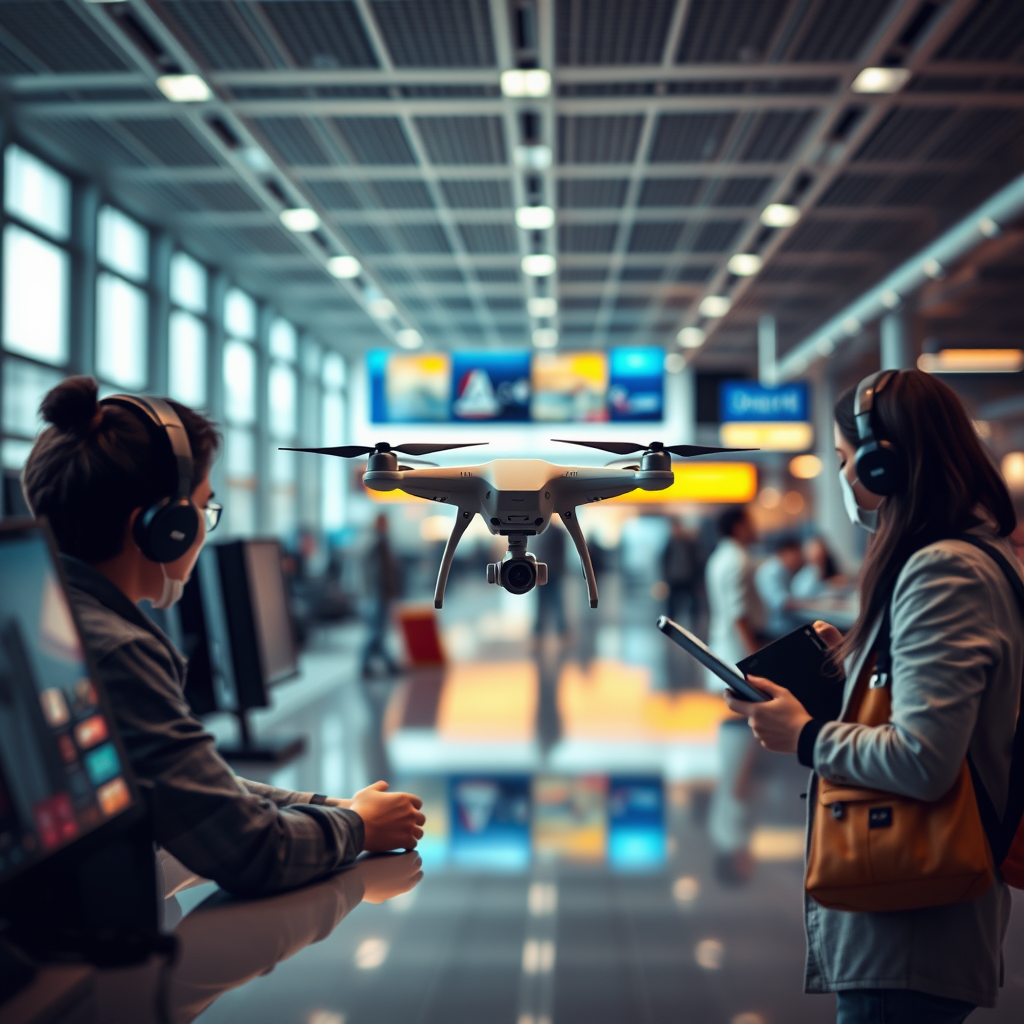
Different types of airports, such as public airports, private airports, and heliports, may have varying restrictions regarding drone operations. Public airports are typically subject to stricter regulations due to the volume of air traffic, while private airports might have more lenient rules depending on the property owner’s policies. Heliports also have their own set of guidelines that must be adhered to, particularly because they often serve emergency and medical services.
Furthermore, understanding the distinctions between controlled and uncontrolled airspace is vital for drone pilots. Controlled airspace is airspace where air traffic control (ATC) services are provided, and it generally includes larger airports and the airspace around them. In contrast, uncontrolled airspace does not have ATC services and typically allows more freedom for drone flights. However, even in uncontrolled airspace, drone pilots must remain vigilant and aware of their surroundings to avoid conflicts with other aircraft.
Obtaining Permission to Fly
For drone pilots wishing to fly near an airport, obtaining airspace authorization is essential. The FAA has implemented a streamlined process through the Low Altitude Authorization and Notification Capability (LAANC), which allows drone operators to request permission quickly and easily. This system provides near real-time processing of airspace authorization requests, enabling pilots to receive approvals or denials within minutes.
To successfully request airspace authorization, drone pilots must provide specific flight details, including the proposed location, altitude, and duration of the flight. It is also crucial to include any potential impacts on surrounding air traffic. Pilots should ensure that their request is as detailed as possible to facilitate a timely response from air traffic control.
In addition to LAANC, pilots can also use traditional methods of communication with the local air traffic control tower to request permission. This may involve phone calls or in-person meetings to discuss flight plans and ensure that all safety protocols are observed.
Safety Considerations
Flying a drone near active air traffic poses several risks that drone pilots must consider. The potential for collisions with manned aircraft is a serious concern, making it imperative for drone operators to maintain visual line-of-sight at all times. This practice not only helps in avoiding accidents but also aligns with FAA regulations that require drone pilots to keep their drones within their direct visual range.
Moreover, pilots should familiarize themselves with the surrounding environment and air traffic patterns. This includes understanding the takeoff and landing trajectories of aircraft at nearby airports. Utilizing drone flight planning apps can be beneficial, as they often provide real-time information on air traffic and help identify safe areas for operation.
In addition to maintaining visual line-of-sight, drone pilots should also be aware of the weather conditions and any potential hazards that may affect their flight. For example, strong winds, rain, or low visibility can impact drone stability and control, leading to hazardous situations. Safety should always be the top priority when operating drones, especially near airports.
Alternatives to Flying Near Airports
For drone enthusiasts who wish to avoid the complexities of flying near airports, several alternative locations can provide ample opportunities for safe and enjoyable flying experiences. Parks, open fields, and designated drone flying areas are ideal venues that are generally located far from airport operations. These locations not only offer expansive spaces for flight but also typically have fewer restrictions, allowing for more freedom in drone operations.
Utilizing drone apps can significantly aid in finding safe and legal flying zones. Many of these applications provide comprehensive maps that display airspace classifications, no-fly zones, and areas where drone operations are permitted. By leveraging technology, drone pilots can ensure that they select appropriate locations and remain compliant with regulations.
In addition to traditional flying locations, some communities have established designated drone parks, where pilots can gather and fly their drones in a controlled environment. These spaces often include amenities and facilities designed specifically for drone users, enhancing the overall flying experience.
Consequences of Unauthorized Flights
Engaging in unauthorized drone flights near airports can lead to serious consequences, both legally and financially. Pilots who violate airspace regulations may face substantial fines, which can range from hundreds to thousands of dollars, depending on the severity of the violation. Furthermore, repeat offenders may be subject to more stringent penalties, including the potential loss of their drone pilot license.
Legal repercussions can also include criminal charges, particularly if a drone flight interferes with manned aircraft operations. Such incidents can lead to civil liability claims and increased scrutiny from law enforcement agencies. Therefore, it is crucial for drone pilots to familiarize themselves with local regulations and adhere to all FAA guidelines to avoid any negative consequences.
In addition to fines and legal troubles, unauthorized flights can have broader implications for the drone community as a whole. Incidents involving drones and manned aircraft can lead to increased regulations and restrictions that impact all pilots. By promoting responsible flying practices, drone enthusiasts can help foster a safer and more positive environment for drone operations.
In summary, flying a drone near an airport requires strict adherence to regulations and obtaining necessary permissions. It is crucial for pilots to understand FAA guidelines, the types of airports, and the processes involved in requesting authorization. Prioritizing safety and legality while enjoying your drone flying experience is essential. For more information on drone regulations, consider visiting the FAA website or engaging with local drone clubs to stay informed and compliant.
Frequently Asked Questions
Can I fly a drone near an airport without permission?
No, flying a drone near an airport without permission is illegal and highly dangerous. The Federal Aviation Administration (FAA) requires drone operators to maintain a safe distance from airports, typically a five-mile radius around them. Before flying, it’s crucial to check local regulations and obtain any necessary authorizations through the FAA’s LAANC (Low Altitude Authorization and Notification Capability) system.
What are the consequences of flying a drone too close to an airport?
The consequences of flying a drone too close to an airport can be severe, including hefty fines, legal repercussions, and potential jail time. Additionally, flying in restricted airspace poses a risk to manned aircraft, which can lead to serious accidents. It’s essential to understand that safety is paramount, and respecting airspace regulations protects both drone operators and pilots of manned aircraft.
How can I find out if I’m within the restricted airspace of an airport?
To determine if you are within the restricted airspace of an airport, you can use various online resources and mobile apps designed for drone flight planning. The FAA’s B4UFLY app provides up-to-date information on airspace restrictions, including proximity to airports. Additionally, checking sectional charts or using drone mapping tools can help you visualize the airspace around your location.
Why is it important to avoid flying drones near airports?
Avoiding flying drones near airports is crucial for maintaining air traffic safety. Drones can interfere with the operations of manned aircraft, leading to potentially catastrophic collisions. Moreover, unauthorized drone flights can disrupt airport operations, create safety hazards, and lead to increased scrutiny and regulation of drone use, further limiting recreational and commercial drone activities.
What should I do if I need to fly a drone near an airport for a legitimate purpose?
If you need to fly a drone near an airport for a legitimate purpose, such as commercial work or emergency services, you must first obtain permission from the FAA. This includes submitting a request through the LAANC system or other applicable channels. Additionally, you should coordinate with the airport authorities and ensure compliance with any local regulations before proceeding with your flight.
References
- https://www.faa.gov/uas/getting_started/registration
- https://www.faa.gov/uas/recreational_flyers/
- https://www.faa.gov/air_traffic/publications/ATB/
- https://www.nasa.gov/mission_pages/airtraffic/overview/index.html
- https://www.wired.com/story/drone-airport-safety/
- https://www.faa.gov/uas/commercial_operators/
- https://www.faa.gov/uas/resources/policy_library/
- https://www.reuters.com/technology/us-drone-regulations-2021-01-21/
