
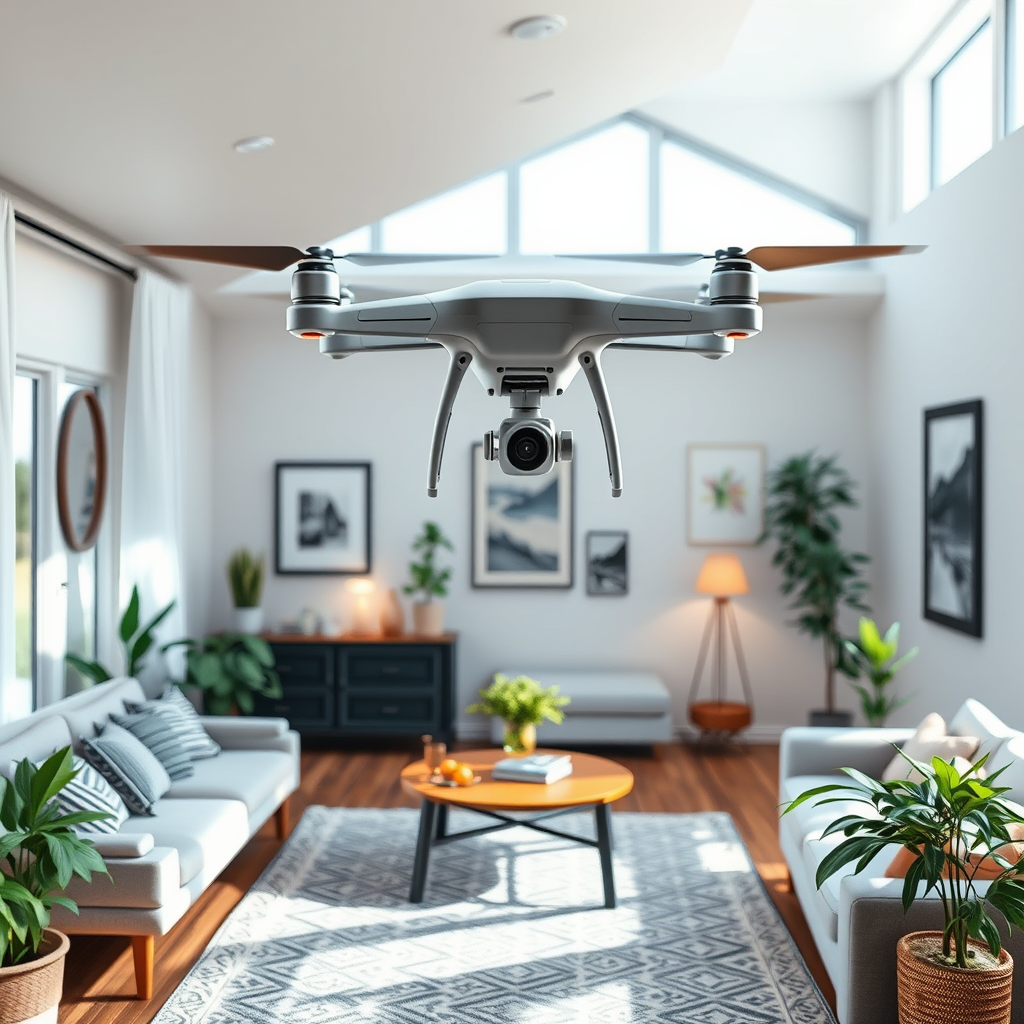
Yes, you can fly a drone over houses, but there are important regulations and ethical considerations to keep in mind. Understanding the legal framework and respecting privacy concerns is crucial for responsible drone operation. As the popularity of drones continues to rise among hobbyists and professionals alike, familiarity with the laws and ethical practices surrounding their use has never been more essential.
Understanding Drone Laws
Before taking to the skies, it is imperative to familiarize yourself with local regulations regarding drone flight. In many regions, laws can vary significantly from one locality to another, impacting where and how you can operate your drone. For example, in the United States, each state may have specific statutes that govern the use of drones, particularly concerning flying over private property. Additionally, international drone regulations differ substantially; for example, some countries have stricter rules and require permits for drone flights, especially in urban areas. Engaging with local aviation authorities or consulting their websites can provide you with the necessary information to ensure compliance.
Federal Aviation Administration (FAA) Guidelines
In the U.S., the Federal Aviation Administration (FAA) is the primary regulatory body overseeing drone use. The FAA requires that all drones weighing over 0.55 pounds must be registered, which helps maintain accountability among drone operators. Furthermore, the FAA has set forth specific guidelines that drone pilots must adhere to, including altitude limits—typically no higher than 400 feet—and restrictions on flying in no-fly zones, which often encompass areas around airports, military bases, and densely populated urban centers. It is critical to check for airspace designations and restrictions before flying, as failing to do so can lead to serious legal consequences.
Privacy Concerns
Privacy is a significant consideration when flying a drone over houses. Homeowners may feel uncomfortable or threatened by the presence of a drone hovering above their property. Thus, respecting the privacy of individuals is not only a legal obligation but also an ethical one. Flying over private property without consent can lead to complaints and potential legal action from aggrieved homeowners. Therefore, drone operators should be aware of the implications of surveillance and consider how their actions affect the people they share space with. Engaging in responsible flying practices can help mitigate privacy concerns and foster a better relationship between drone users and the communities they operate in.
Safety Protocols
Maintaining safety is paramount when flying drones, particularly in residential areas. Keeping a safe distance from people and structures can help avoid accidents and ensure compliance with safety regulations. Drone operators should always conduct pre-flight checks to ensure that their equipment is functioning correctly. These checks might include inspecting battery levels, checking for firmware updates, and ensuring that all components are secure. Additionally, employing a visual observer can be beneficial when flying in crowded areas, as they can help monitor the environment and maintain awareness of any potential hazards.
Best Practices for Flying Over Houses
When utilizing drones equipped with cameras, it is essential to fly responsibly and avoid intrusive behavior. Planning your flight path ahead of time can help minimize disturbances to residents and enhance safety. For instance, flying at a higher altitude can reduce noise levels and decrease the likelihood of causing alarm among homeowners. Additionally, it’s advisable to avoid low-altitude flights over private properties, particularly during early morning or late evening hours when residents are likely to be at home. By adhering to these best practices, drone pilots can ensure a smoother flying experience while being considerate of others.
Consequences of Ignoring Regulations
Failing to comply with drone regulations can lead to severe consequences, including hefty fines and legal action. The FAA has the authority to impose penalties on operators who violate airspace laws, which can result in monetary fines or even criminal charges in extreme cases. Furthermore, there is a risk of causing property damage or injuring individuals, which can lead to civil lawsuits and further legal complications. Understanding these potential repercussions is crucial for anyone considering operating a drone, as it underscores the importance of responsible flying.
Resources for Drone Pilots
To navigate the complexities of drone regulations effectively, aspiring pilots should utilize available resources. Numerous apps and websites provide vital information on local drone laws, no-fly zones, and airspace classifications. For instance, tools like AirMap and UAV Forecast offer real-time data on airspace conditions and regulations. Additionally, joining drone pilot communities—both online and offline—can provide valuable insights and support from experienced flyers. These platforms often serve as forums for sharing tips, experiences, and best practices, enhancing the overall knowledge base of drone enthusiasts.
In conclusion, while it is possible to fly a drone over houses, it’s essential to adhere to regulations, respect privacy, and prioritize safety. Understanding the legal framework, considering the ethical implications of your actions, and following best practices can ensure responsible drone flying. By educating yourself on the guidelines and utilizing available resources, you can enjoy the experience while being a considerate pilot in your community.
Frequently Asked Questions
Can I fly a drone over my own house?
Yes, you can fly a drone over your own house as long as you comply with local laws and regulations. It’s important to ensure that you are flying within the legal altitude limits and following any additional guidelines set by the Federal Aviation Administration (FAA) or your local aviation authority. Additionally, be mindful of privacy concerns and avoid flying over neighboring properties without permission.
What are the restrictions for flying drones over residential areas?
Restrictions for flying drones over residential areas can vary by location, but generally, you must adhere to FAA regulations, which include not flying above 400 feet and keeping your drone in sight at all times. Some municipalities may have additional ordinances that prohibit drone flights over private property without consent, so it’s essential to check local laws before flying to avoid potential fines or legal issues.
How can I ensure I’m flying my drone legally over houses?
To fly your drone legally over houses, first, familiarize yourself with the FAA regulations, which include registering your drone if it weighs more than 0.55 pounds and obtaining a remote pilot certificate for commercial use. Additionally, check for any local laws or homeowner association rules that may impose further restrictions on drone flights in residential areas. Using apps that provide real-time airspace information can also help you remain compliant.
Why is it important to consider privacy when flying a drone over houses?
Considering privacy when flying a drone over houses is vital due to the potential for infringing on individuals’ rights. Drones equipped with cameras can inadvertently capture images or videos of private properties and people, leading to privacy violations and potential legal repercussions. Respecting the privacy of others not only fosters good relationships with your neighbors but also helps you avoid complaints or legal action.
What are the best practices for flying a drone near residential neighborhoods?
The best practices for flying a drone near residential neighborhoods include flying during daylight hours, maintaining a safe distance from people and structures, and avoiding noisy or disruptive flights. It’s also advisable to communicate with neighbors to inform them of your drone activities and address any concerns they may have. Lastly, staying informed about temporary flight restrictions (TFRs) in your area and using drone safety apps can enhance your flying experience while ensuring compliance with regulations.
References
- https://en.wikipedia.org/wiki/Drone_regulations
- https://www.faa.gov/uas/getting_started/part_107
- https://www.faa.gov/uas/registration/
- https://www.nytimes.com/2021/04/20/technology/drone-regulations.html
- https://www.nationalgeographic.com/science/article/drone-regulations-in-the-us
- https://www.theguardian.com/technology/2020/jun/24/drone-laws-rules-uk-usa
- https://www.nas.gov/uas/faq.html
- https://www.techrepublic.com/article/drone-flying-rules-what-you-need-to-know/
