
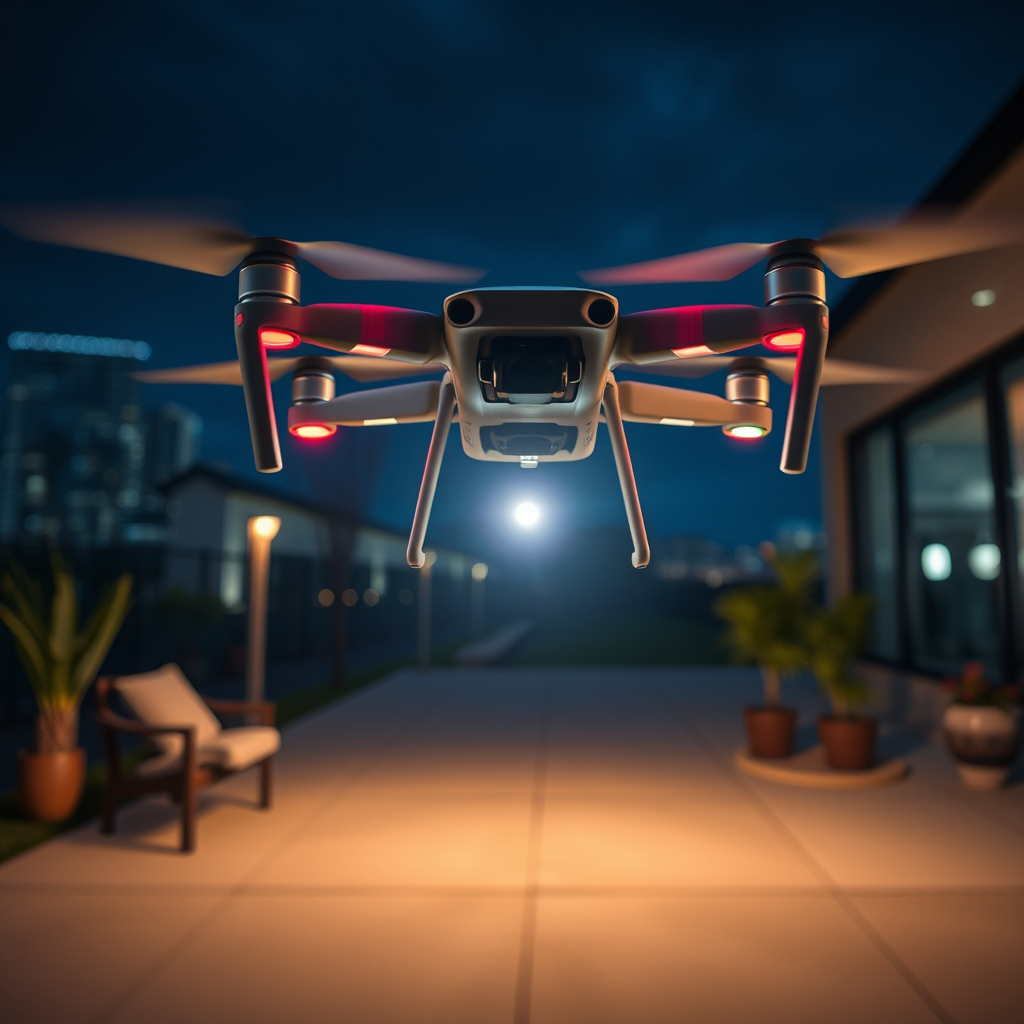
Yes, you can fly your DJI drone at night, but there are specific regulations and safety measures you must follow. Understanding these guidelines will help ensure a safe and compliant flying experience, allowing you to capture stunning nighttime imagery while adhering to the law.
Understanding FAA Regulations
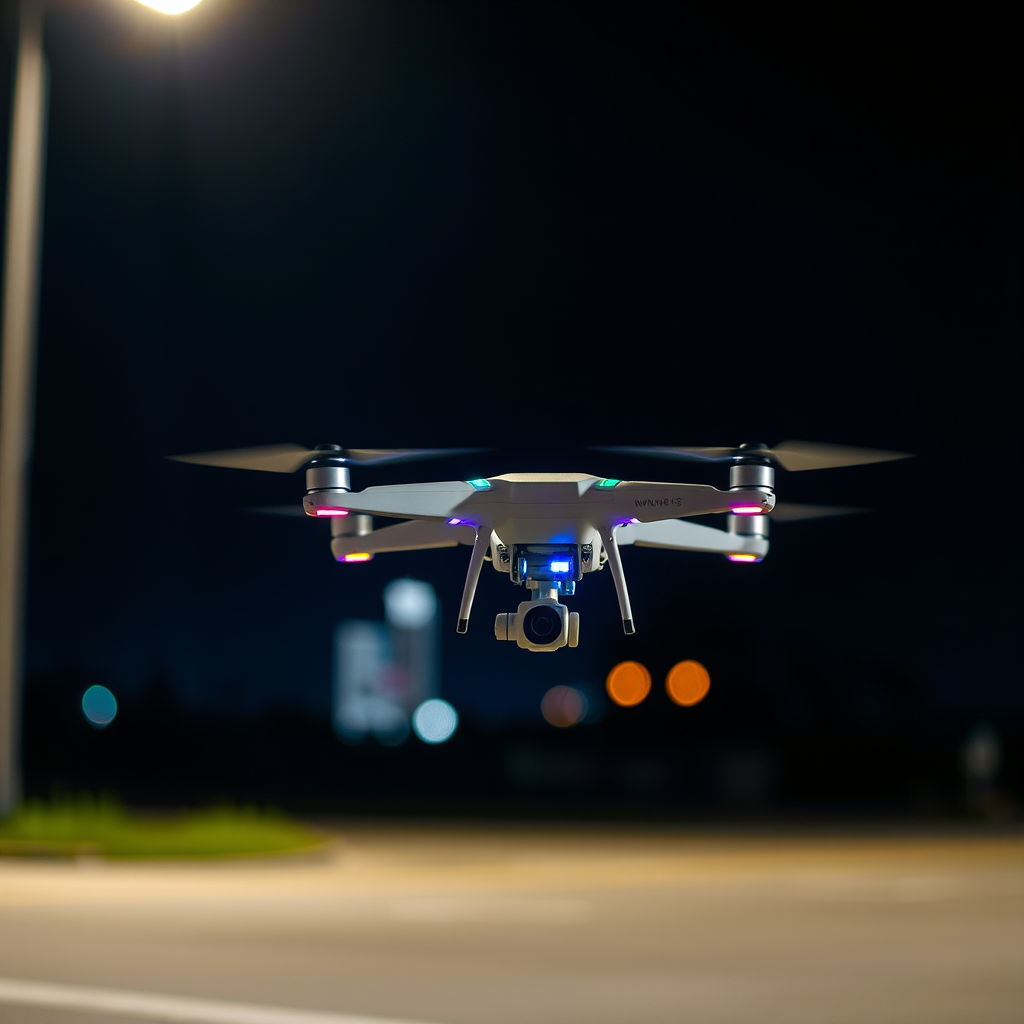
The Federal Aviation Administration (FAA) has established clear regulations regarding the operation of drones at night. To legally fly your drone after sunset, it must be equipped with proper lighting that makes it visible from a distance. This is crucial for both safety and compliance, as it helps prevent collisions and ensures that other aircraft can see your drone. Additionally, drone pilots must either hold a Part 107 certification or obtain a waiver that allows them to operate drones during nighttime. The Part 107 certification involves passing an aeronautical knowledge test, which covers various topics including airspace regulations, weather, and drone operation. For hobbyists, the FAA allows for certain exemptions, but it is advisable to review the specific requirements to avoid potential legal issues.
Essential Drone Features for Night Flying
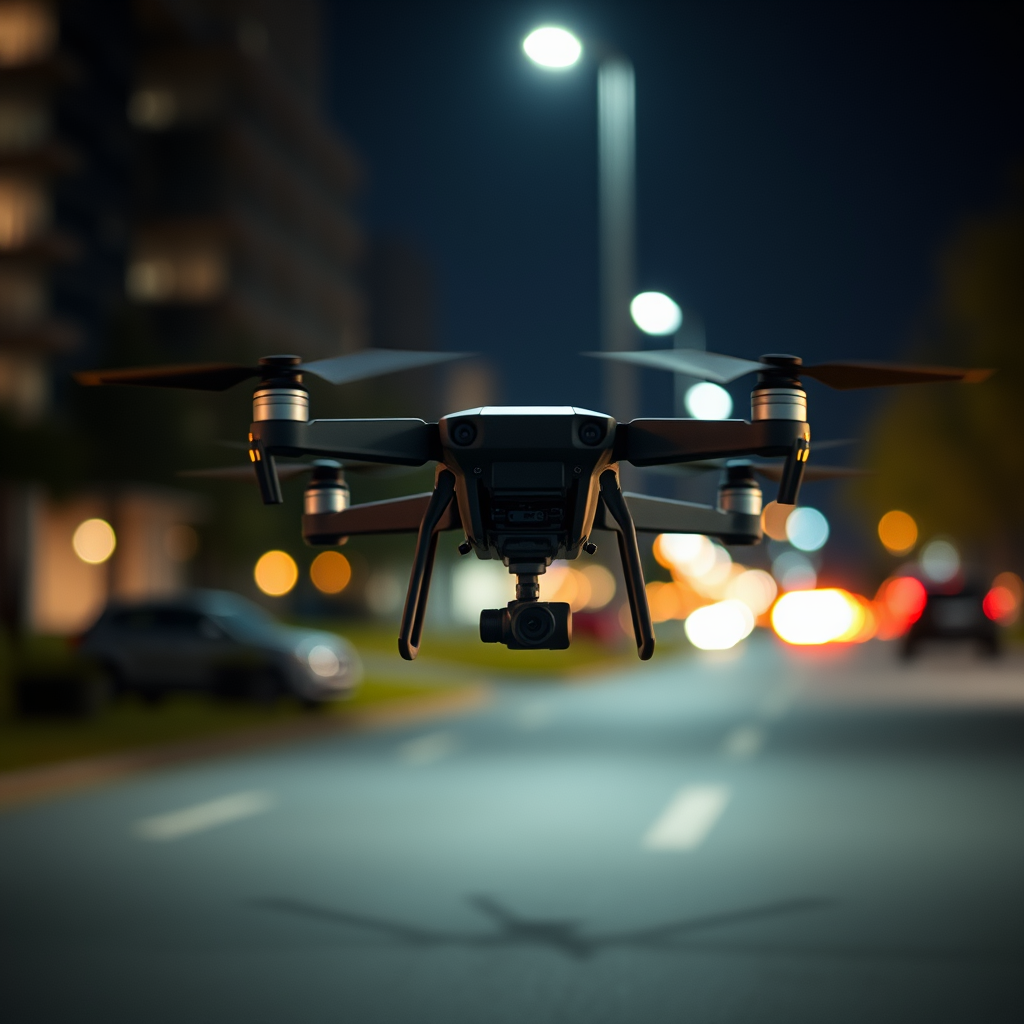
When considering night flights, it is essential to know the capabilities of your drone. Many DJI models, such as the DJI Mavic Air 2 and the DJI Phantom 4 Pro, are equipped with built-in LED lights that are designed to enhance visibility in low-light conditions. These lights not only help you maintain orientation but also ensure that your drone is visible to others. However, if your drone does not have adequate lighting, you might want to invest in additional lighting accessories. For instance, clip-on LED light strips can be attached to your drone to increase visibility. Furthermore, consider using drones that have good camera sensors, as these will perform better in low-light environments, allowing you to capture clearer images and videos.
Pre-Flight Checklist for Night Operations
Before taking to the skies at night, a comprehensive pre-flight checklist is paramount. Start by inspecting your drone’s battery and equipment to ensure everything is functioning correctly. A fully charged battery is essential for a safe flight, as lower battery levels can lead to unexpected landings. Additionally, check the weather conditions; fog, rain, and strong winds can significantly impair visibility and affect the drone’s performance. Ideal weather for night flying is clear skies with minimal wind. It’s also wise to familiarize yourself with the flight area during daylight hours to identify any potential obstacles or hazards that could pose a risk during nighttime operations.
Safety Considerations for Night Flying
Flying a drone at night presents unique challenges, primarily due to reduced visibility. It is vital to maintain a visual line of sight with your drone at all times, as tracking it can become increasingly difficult in the dark. To enhance safety, consider using a spotter, someone who can help keep an eye on the drone while you manage the controls. Additionally, be mindful of your surroundings and avoid flying near populated areas, as well as restricted zones such as airports or military installations. These precautions not only ensure your safety but also that of others around you. Practicing situational awareness is crucial; be prepared to land your drone immediately if anything unexpected arises.
Best Practices for Night Photography/Videography
Nighttime offers unique opportunities for capturing breathtaking photos and videos, but it requires a different approach than daytime photography. To optimize your results, utilize manual camera settings to adjust for low light conditions. Increase the ISO setting to allow your camera sensor to capture more light, but be cautious, as higher ISO settings can introduce noise to your images. Adjusting the exposure settings is also essential; longer exposure times can yield stunning night shots, but be mindful of potential blurriness caused by drone movement. Use a stable platform and consider employing features like time-lapse photography or long exposure shots to create artistic effects. Additionally, familiarize yourself with your drone’s camera capabilities, as many DJI models come with intelligent shooting modes specifically designed for nighttime photography.
Local Laws and Restrictions
Before flying your drone at night, it is imperative to check local laws and regulations, as they can vary significantly by location. While the FAA provides a framework for nighttime drone operations, individual states, cities, or even specific neighborhoods may impose additional restrictions. For example, certain parks may prohibit nighttime drone use altogether, while urban environments may have stricter rules due to safety and privacy concerns. Always verify local ordinances before planning your flight, and consider reaching out to local authorities or drone clubs for guidance. Staying informed about the legal landscape will help you avoid fines and ensure a responsible flying experience.
In conclusion, while flying your DJI drone at night is permissible, it requires adherence to specific regulations and safety protocols. Understanding FAA requirements, equipping your drone with proper lighting, and conducting thorough pre-flight checks are essential for a successful night flight. Moreover, being aware of local laws and practicing safety measures will enhance your flying experience. By taking these considerations into account, you can enjoy the unique beauty of nighttime aerial photography while ensuring compliance and safety. Happy flying!
Frequently Asked Questions
Can I legally fly my DJI drone at night?
Yes, you can legally fly your DJI drone at night, but it’s essential to follow specific regulations set by the Federal Aviation Administration (FAA) or your local aviation authority. In the U.S., night flying requires you to have a Part 107 certification, and your drone must be equipped with anti-collision lights that are visible for at least three statute miles. Additionally, you should always check local laws and regulations, as some areas may have restrictions on night flying.
What do I need to fly my DJI drone at night?
To fly your DJI drone at night, you need to ensure that it is equipped with proper lighting, such as anti-collision lights that can be seen from a distance of three statute miles. You should also have a Part 107 certification if you’re flying commercially, and it’s advisable to familiarize yourself with the area you plan to fly in to avoid obstacles and ensure safety. Furthermore, good visibility conditions and a solid understanding of your drone’s capabilities are essential for night flying.
How can I ensure safe night flying with my DJI drone?
To ensure safe night flying with your DJI drone, start by conducting a thorough pre-flight check, including battery levels and the functioning of all lights. Utilize GPS and follow visual line-of-sight (VLOS) regulations, even when flying at night. It’s also beneficial to practice flying in low-light conditions during the day so you can become accustomed to the drone’s behavior and controls in the dark. Always prioritize safety by avoiding crowded areas and keeping your drone within a familiar flying zone.
Why is it important to have anti-collision lights on my DJI drone for night flying?
Anti-collision lights are crucial for night flying with your DJI drone because they enhance visibility, making it easier for both you and others to see the drone in the dark. This is not only a safety measure for avoiding collisions with other aircraft but also for ensuring that individuals on the ground are aware of your drone’s presence. In many jurisdictions, including the U.S., having visible lights is a legal requirement for night flying under FAA regulations.
Which DJI drones are suitable for night flying?
Most DJI drones are suitable for night flying, given they meet specific requirements and are equipped with proper lighting. Models like the DJI Mavic Air 2, Mavic 2 Pro, and Phantom 4 Pro come with powerful cameras and stabilization systems that perform well in low-light conditions. However, always check the specifications and ensure your drone has the necessary anti-collision lights, and make sure you are familiar with the drone’s features to optimize its performance during night flights.
References
- https://www.faa.gov/uas/getting_started/fly_it_safe/night_flying
- https://www.dronepilotgroundschool.com/flying-drones-at-night/
- https://www.nasa.gov/centers/dryden/pdf/86594main_Dryden_Research_Review_2007.pdf
- https://www.nytimes.com/2021/06/17/technology/drones-faa-night.html
- https://www.aopa.org/news-and-media/all-news/2021/june/17/faq-can-i-fly-my-drone-at-night
- https://www.tsa.gov/travel/security-screening/drone-operations
- https://www.wired.com/story/drones-night-flying-rules/
