
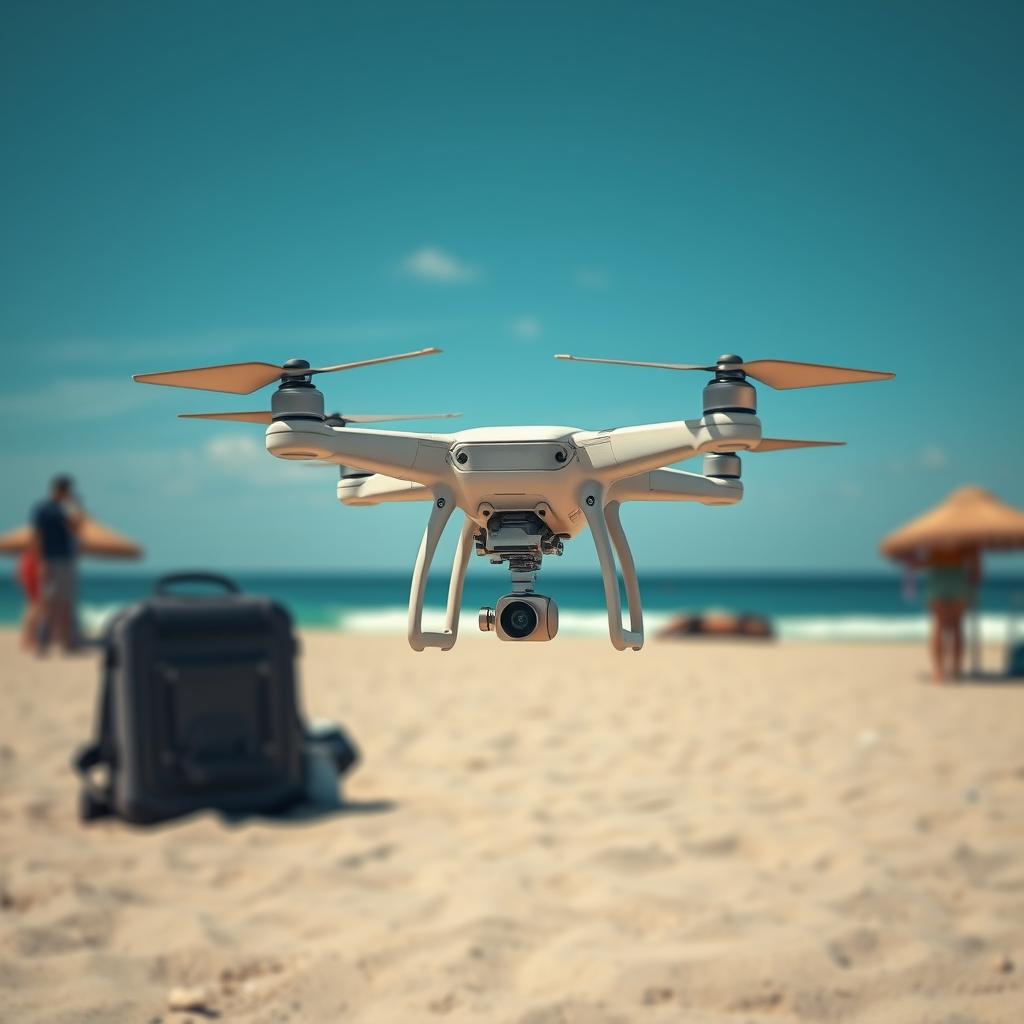
Yes, you can fly your drone at the beach, but there are specific regulations and considerations you must keep in mind to ensure a safe and legal flying experience. Beaches can provide breathtaking landscapes and unique opportunities for aerial photography, yet they also come with challenges, including crowded areas and environmental sensitivities. This article will guide you through the essential factors to consider before taking your drone to the sandy shores, ensuring that your flying experience is both enjoyable and compliant with the law.
Understanding Drone Regulations
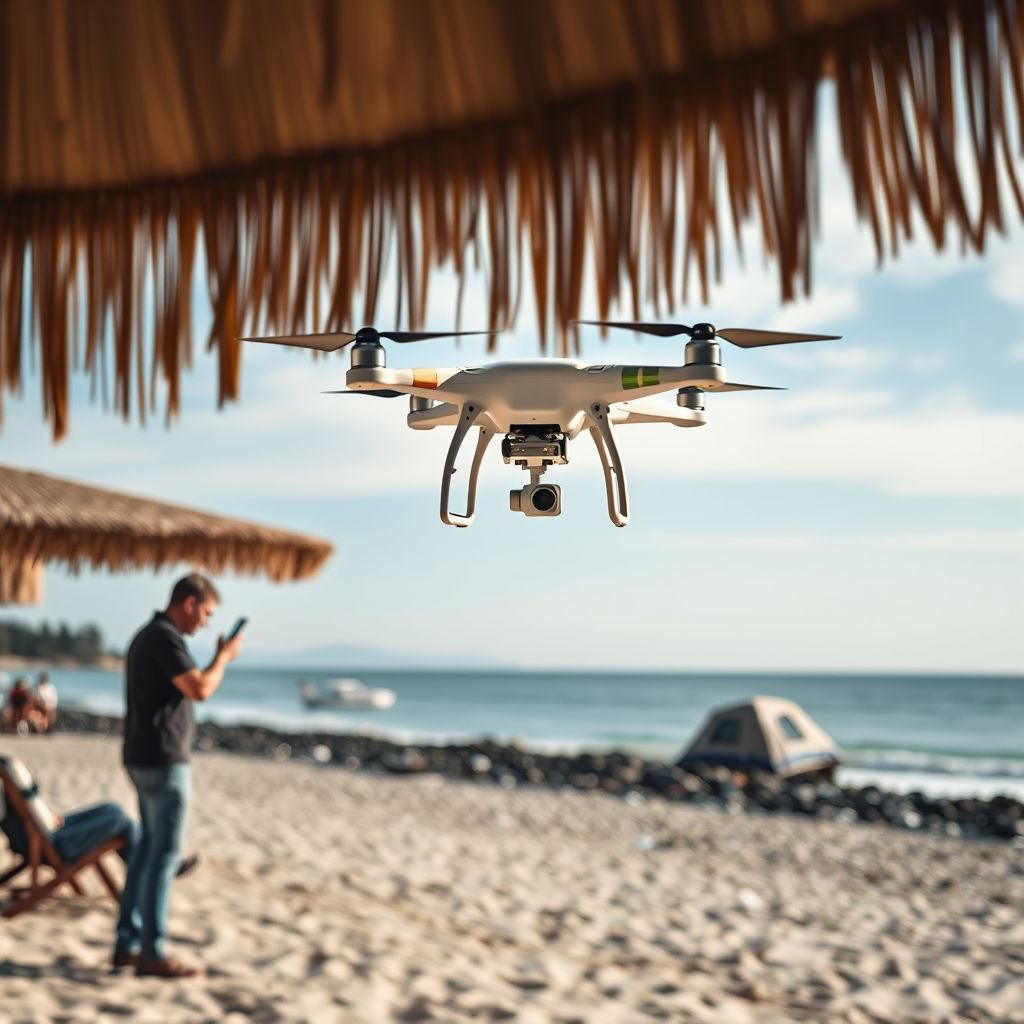
Before embarking on your drone-flying adventure at the beach, it is crucial to familiarize yourself with local drone laws and regulations. Different regions may have specific rules concerning where and how drones can be flown. The Federal Aviation Administration (FAA) in the United States outlines general guidelines for operating drones in public spaces, including weight restrictions, altitude limits, and registration requirements. For instance, drones weighing more than 0.55 pounds must be registered with the FAA.
In addition to federal regulations, many states and municipalities have their own laws governing drone use. It is essential to check local ordinances and beach-specific regulations, as some areas may impose additional restrictions, such as requiring permits for drone flights or prohibiting them entirely. Websites like the FAA’s B4UFLY app can be invaluable resources for understanding where you can legally operate your drone.
Beach-Specific Restrictions
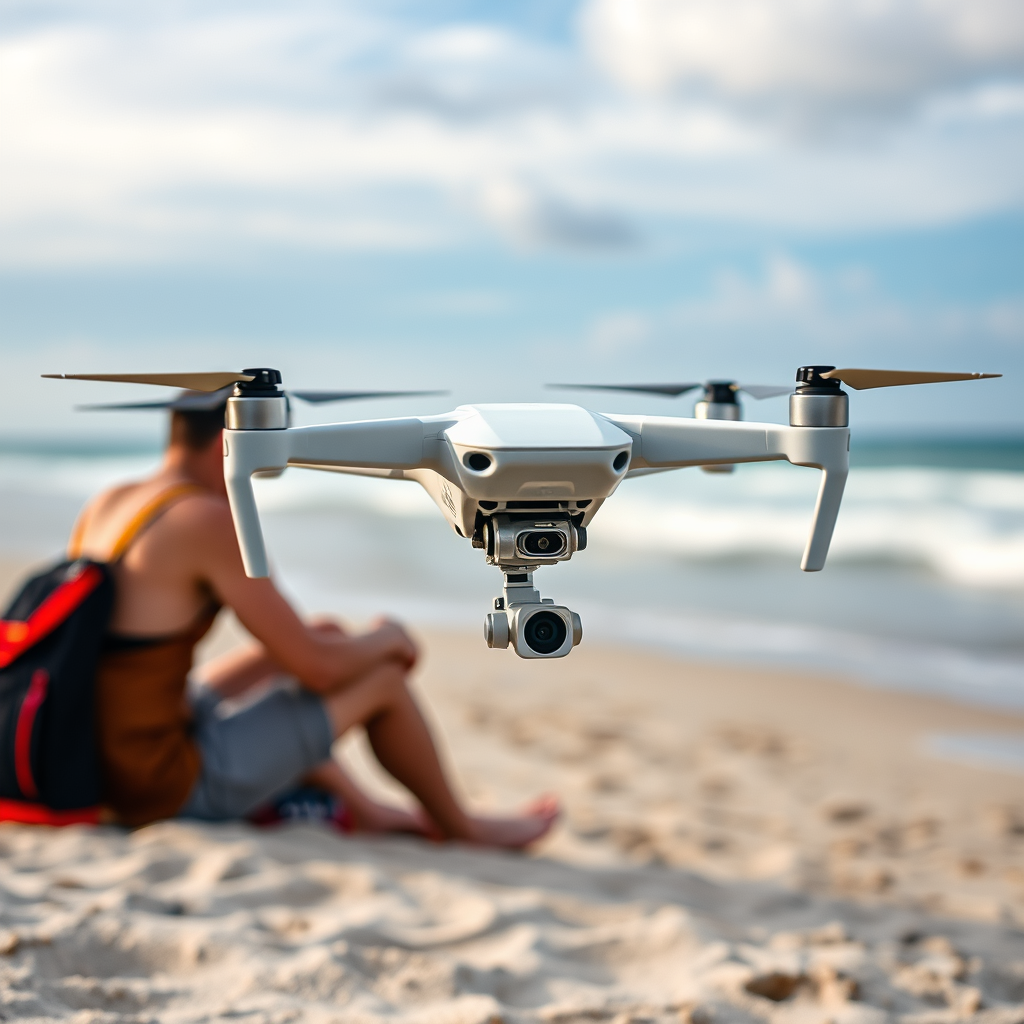
When planning to fly your drone at the beach, be aware that certain locations may have designated no-fly zones. These restrictions can be due to safety concerns, ecological preservation, or to protect the privacy of beachgoers. Look for posted signs indicating no-drone zones or consult with local authorities to ensure compliance.
For example, many national parks and wildlife refuges prohibit drone use to protect sensitive habitats. Similarly, some popular tourist beaches may have strict regulations due to the high volume of visitors. Familiarizing yourself with these restrictions not only helps you avoid legal repercussions but also promotes respectful and responsible drone operation.
Safety Considerations
Safety should always be a top priority when flying your drone at the beach. Be mindful of people and wildlife in the area. Beaches often attract large crowds, including families, sunbathers, and swimmers, making it essential to maintain a safe distance from these individuals. The general guideline is to keep your drone at least 50 feet away from people, but this may vary according to local regulations.
Moreover, consider the impact of your drone on local wildlife. Birds and marine animals may be sensitive to the presence of drones, and your flight could disturb their natural behavior. To minimize disturbances, avoid flying over nesting areas or near wildlife reserves. Respecting the local flora and fauna will not only enhance your experience but also protect the environment.
Weather Conditions
Weather plays a pivotal role in drone operation, and this is especially true at the beach. Coastal areas can experience rapid changes in weather conditions, so monitoring wind speeds and forecasts is essential. High winds can make it challenging to control your drone, potentially leading to accidents or crashes. The FAA recommends not flying your drone in winds exceeding 15-20 mph.
Additionally, avoid flying in adverse weather conditions, such as rain or storms. Water and electronics do not mix well, and moisture can damage your drone’s sensitive components. Always check local weather forecasts before heading out and consider postponing your flight if conditions appear unfavorable.
Best Practices for Flying Drones at the Beach
To ensure a safe and successful drone flight at the beach, adhere to best practices that promote responsible operation. First and foremost, keep your drone within visual line of sight at all times. This not only helps you maintain control but also allows you to be aware of your surroundings, including people and obstacles.
Conducting pre-flight checks is another crucial step. Verify that your drone’s batteries are fully charged, propellers are secure, and any software updates are completed. Additionally, managing your battery life during the flight is essential; always plan to land well before your battery runs low to avoid potential crashes.
Using a drone monitoring app can also enhance your flying experience. These apps provide real-time information regarding airspace restrictions, weather, and even battery levels, making it easier to operate your drone safely.
Respecting Privacy
When flying your drone at the beach, it is imperative to respect the privacy of individuals around you. While beaches are public spaces, filming or photographing people without their consent can lead to legal issues. Familiarize yourself with privacy laws in your area, as they vary widely and can impact how you capture footage.
Moreover, be cautious not to capture images of private property, such as homes or businesses, without obtaining permission. Respecting the privacy of others is not only a legal requirement but also fosters goodwill in the communities where you fly.
Tips for Capturing Great Footage
The beach offers stunning visuals and unique opportunities for drone photography and videography. To maximize the quality of your footage, consider utilizing the golden hours—early morning or late afternoon—when the light is soft and warm, enhancing the overall aesthetic of your images.
Experimenting with different angles and heights can also yield unique shots. Try flying low to capture the texture of the sand or soaring high to capture the vastness of the coastline. Incorporating dynamic movements, such as sweeping panoramas or quick ascents, can add excitement and professionalism to your videos.
Additionally, consider using filters to reduce glare from the sun, especially when filming over water. ND filters, for instance, can help manage exposure and create a more balanced image, resulting in high-quality footage that truly captures the beauty of the beach.
In conclusion, flying your drone at the beach can be an exhilarating experience if done responsibly and legally. It is essential to check the rules and regulations specific to your location, prioritize safety for both people and wildlife, and respect the privacy of individuals around you. By being mindful of weather conditions and following best practices for operation, you can enjoy breathtaking aerial views while contributing to a positive flying environment. Happy flying!
Frequently Asked Questions
Can I fly my drone at the beach, and are there any specific regulations I should be aware of?
Yes, you can typically fly your drone at the beach, but it’s essential to check local regulations and guidelines. Many beaches fall under the jurisdiction of municipalities or national parks, which may have restrictions on drone use. Always verify the rules with local authorities to ensure compliance with any laws regarding airspace and safety.
What are the best practices for flying a drone at the beach?
When flying your drone at the beach, it’s crucial to practice safety and respect for others. Maintain a safe distance from people and wildlife, avoid flying near crowded areas, and be mindful of changing weather conditions, such as wind and sand. Additionally, ensure your drone’s battery is fully charged, and always have a plan for landing it safely.
How can I protect my drone from sand and water damage while flying at the beach?
To protect your drone from sand and water damage at the beach, consider using a drone with a waterproof or sand-resistant design. If your drone is not inherently protected, invest in a protective case or cover. Additionally, keep your drone elevated above the sand and water, and avoid flying close to the shoreline where splashes can occur.
Why is it important to respect wildlife while flying my drone at the beach?
Respecting wildlife while flying your drone at the beach is crucial for both the safety of animals and the integrity of their habitats. Drones can disturb nesting birds and marine life, potentially leading to stress or abandonment of young. By being mindful of wildlife, you contribute to conservation efforts and ensure a more enjoyable experience for all beachgoers.
Which drones are best suited for flying at the beach?
The best drones for flying at the beach are those designed for rugged conditions and equipped with features that enhance safety and ease of use. Look for drones with stable GPS, long battery life, and wind resistance. Popular models include the DJI Mavic Air 2 and the DJI Phantom 4, as they offer durability and advanced features that make them suitable for coastal environments.
References
- https://www.faa.gov/uas/getting_started/registration
- https://www.faa.gov/uas/where_to_fly/
- https://www.nasa.gov/audience/foreducators/teaching_resources/Drone_Use.html
- https://www.loc.gov/item/2019442105/
- https://www.wildlife.state.nm.us/education/drones-and-wildlife/
- https://www.nytimes.com/2022/05/04/us/drones-beaches-florida.html
- https://www.nap.edu/catalog/25476/drones-in-the-sky
- https://www.reuters.com/technology/drone-operators-face-rules-where-they-fly-2021-05-03/
