
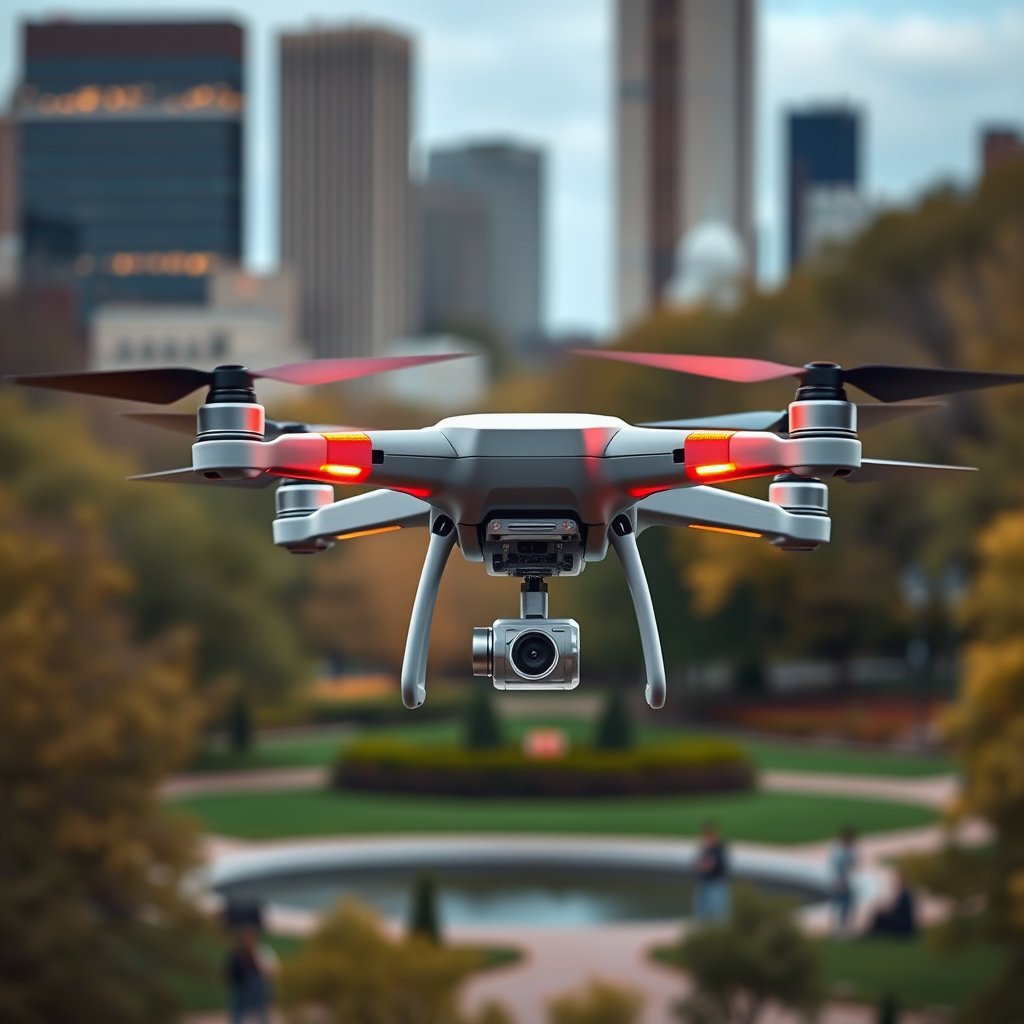
Yes, you can fly your drone in Central Park, but with strict regulations and restrictions in place. Before taking to the skies, it’s essential to understand the rules governing drone use in this iconic location to ensure a safe and legal flying experience. Central Park, known for its lush landscapes and vibrant atmosphere, attracts not only tourists but also drone enthusiasts eager to capture stunning aerial views. However, flying a drone in such a popular urban park requires comprehensive knowledge of federal and local regulations to avoid legal pitfalls and ensure the safety of all park visitors.
Understanding the Regulations
The Federal Aviation Administration (FAA) governs all drone flights in the United States, establishing a framework for both recreational and commercial drone operators. For anyone considering flying their drone in Central Park, understanding these regulations is crucial. The FAA categorizes drone flights primarily into two groups: recreational use, which includes hobbyists, and commercial use, which involves businesses or individuals using drones for commercial purposes.
In addition to FAA regulations, Central Park falls under the jurisdiction of New York City, which has enacted local laws that further restrict drone use. For instance, New York City Parks Regulations prohibit the use of drones in all city parks unless specifically authorized. This means that even if you comply with FAA rules, you may still face local prohibitions. It is vital to check for any updates on regulations or temporary bans, especially during events or high tourist seasons.
Permitted Areas for Drone Flight
While Central Park is a vast area, drone pilots must identify specific zones where flying is allowed and avoid no-fly zones. As of now, most areas within Central Park do not permit drone flying due to safety concerns and the potential for disruption to park-goers. However, there are occasional designated areas where drone use may be permitted, generally documented by the New York City Parks Department.
No-fly zones are strictly enforced, particularly around sensitive locations such as hospitals, schools, and places where large crowds gather. For example, flying near the Central Park Zoo or Bethesda Terrace could pose safety risks. It is essential to consult local regulations and park maps before planning your drone flight to ensure compliance with all rules and avoid potential fines.
Required Permits and Licenses
For recreational drone pilots, the FAA requires that all drones weighing over 0.55 pounds (approximately 250 grams) be registered. This process is straightforward and can be completed online through the FAA’s website. Additionally, recreational flyers must adhere to the Safety Guidelines set forth by the FAA, including flying below 400 feet and keeping the drone within visual line of sight.
Commercial drone operators face a more rigorous set of requirements. They must obtain a Part 107 certification, which involves passing a knowledge test on aviation regulations, airspace classifications, and drone operation. Furthermore, commercial pilots may also need to acquire specific permits related to their flight objectives, especially in urban environments like Central Park. This certification not only ensures that the operator is knowledgeable about safety practices but also legitimizes their operations in a highly regulated space.
Safety Guidelines for Flying Drones
When flying drones, safety is paramount. Pilots must maintain a visual line of sight with their drones at all times, ensuring they can react quickly to any unexpected obstacles or situations. Additionally, flying over crowds, wildlife, or private property is strictly prohibited to minimize risks and respect the rights of others.
When operating in Central Park, pilots should also consider the weather conditions. Windy days can create challenges for drone stability, increasing the risk of accidents. It is advisable to conduct a thorough pre-flight check, ensuring the drone is in good working condition and that batteries are fully charged. Engaging in a checklist protocol, similar to those used by manned aircraft, can help improve safety and reduce the likelihood of mishaps.
Respecting Wildlife and Environment
Central Park is home to a diverse array of wildlife, including birds, squirrels, and other animals that thrive in this urban oasis. Drone pilots must be conscientious about their impact on these creatures, as the noise and presence of drones can disturb nesting birds and other wildlife. For example, during migration seasons, the park becomes a critical habitat for various bird species, and drone flying could disrupt their activities.
Following ‘Leave No Trace’ principles is also essential for protecting the natural environment. This includes not only minimizing disturbances to wildlife but also ensuring that no litter or debris is left behind following a drone flight. Engaging with nature respectfully and responsibly helps maintain the integrity of Central Park for future visitors and wildlife alike.
Local Community and Public Feedback
Understanding the local community’s perspective on drone use in public parks is crucial for fostering positive relationships between drone operators and park-goers. Many residents and visitors may have concerns about safety, noise pollution, and privacy. Engaging in local forums or online community groups can provide insights into the public’s experiences and apprehensions about drone flying in Central Park.
By actively participating in discussions and being receptive to feedback, drone operators can better understand community sentiments and adjust their flying habits accordingly. Additionally, respectful communication with park visitors can help dispel myths and promote responsible drone use, fostering a more harmonious coexistence.
Consequences of Breaking the Rules
Violating drone regulations can have serious consequences, including hefty fines, equipment confiscation, or even legal action. The FAA has the authority to impose penalties on those who do not comply with federal regulations, while local authorities can enforce city laws as well. For instance, in New York City, flying a drone in a prohibited area could result in fines of up to $1,000.
Staying informed about regulations not only helps avoid penalties but also promotes a culture of responsible drone flying. By adhering to the rules and being an advocate for safe drone use, pilots contribute to the preservation of Central Park as a recreational space for everyone.
In conclusion, while flying your drone in Central Park is possible, it comes with a set of important rules and responsibilities. Understanding and adhering to FAA and local regulations, respecting wildlife and the environment, and engaging positively with the community are all essential to ensuring a smooth and enjoyable flying experience. By prioritizing safety and compliance, drone enthusiasts can savor the breathtaking views of Central Park while contributing to the park’s integrity and enjoyment for all.
Frequently Asked Questions
Can I fly my drone in Central Park?
No, flying drones in Central Park is prohibited. The New York City Department of Parks and Recreation has a strict no-drone policy in all city parks, including Central Park, to ensure the safety and privacy of visitors. Violating this rule can result in fines and confiscation of your drone, so it’s crucial to adhere to local regulations.
What are the rules for flying drones in New York City?
In New York City, drone operators must follow both federal regulations set by the Federal Aviation Administration (FAA) and local laws. Key rules include not flying over people, keeping your drone within your visual line of sight, and avoiding controlled airspace without proper authorization. Additionally, NYC has designated no-fly zones, including parks and crowded areas, which you must respect to avoid legal repercussions.
Why is flying a drone in Central Park restricted?
Flying a drone in Central Park is restricted primarily for safety and privacy reasons. The park is often crowded with visitors, and the risk of accidents or injuries from malfunctioning drones is significant. Furthermore, drones can invade the privacy of individuals enjoying the park, leading to concerns about personal space and security.
Where can I legally fly my drone in New York City?
While Central Park is off-limits, there are several locations in New York City where you can legally fly your drone. Some recommended areas include the waterfront parks in Brooklyn, such as Brooklyn Bridge Park, and certain designated zones in Staten Island. Always check local regulations and ensure you comply with FAA rules to maintain a safe flying environment.
What should I know before flying a drone in New York State?
Before flying a drone in New York State, familiarize yourself with both federal and state regulations. This includes registering your drone with the FAA if it weighs over 0.55 pounds, understanding airspace restrictions, and being aware of local laws that may prohibit drone use in specific areas or require permits. Additionally, always be respectful of privacy laws and avoid flying over private properties without permission to prevent legal issues.
