
Yes, you can fly your drone in Singapore, but there are specific regulations and guidelines you must follow. The Civil Aviation Authority of Singapore (CAAS) strictly regulates drone operations to ensure safety and compliance with the law. In this article, we will delve into the essential information regarding drone flying regulations, registration processes, and best practices to ensure that your flying experience in Singapore is both enjoyable and lawful.
Understanding Singapore’s Drone Regulations
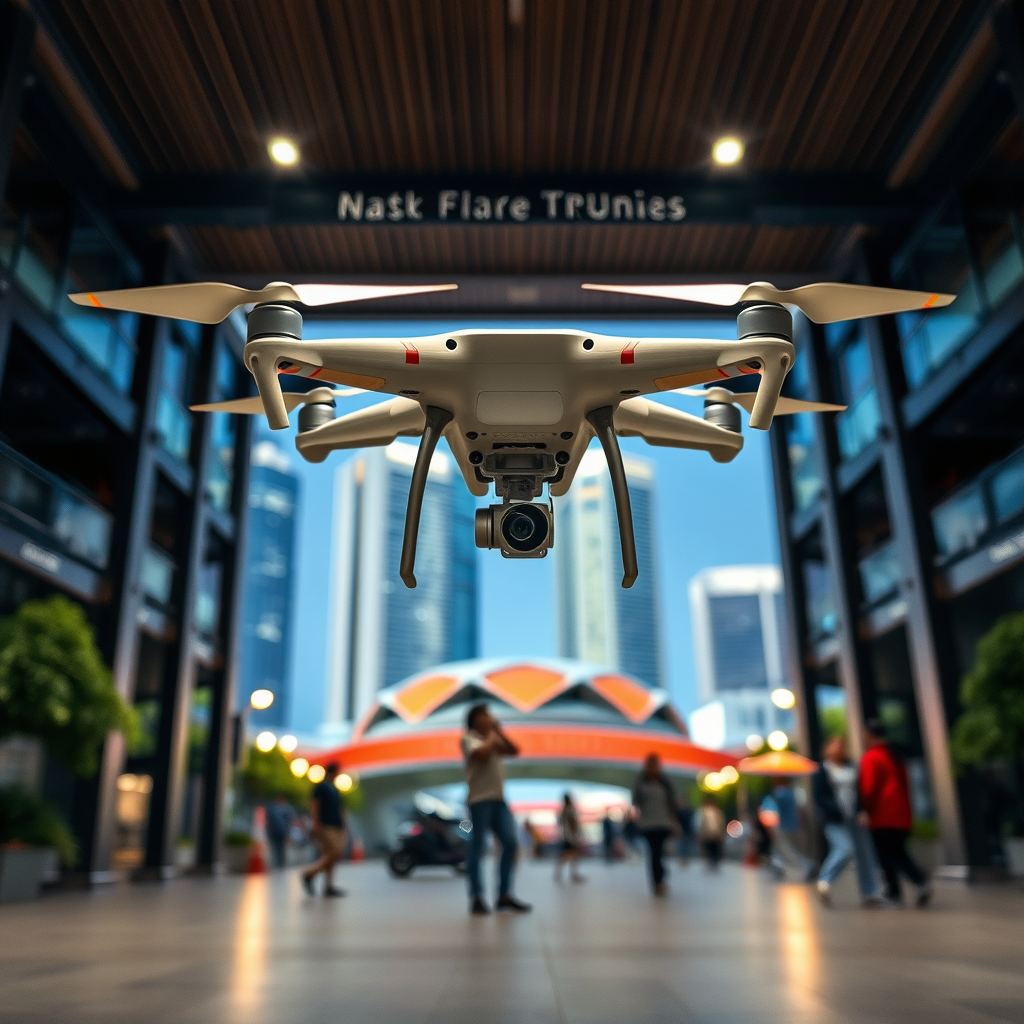
The Civil Aviation Authority of Singapore (CAAS) is the primary body overseeing all drone activities in the country. This regulatory framework is designed to promote safe drone use while minimizing risks to public safety and security. Key regulations vary depending on the weight of the drone and the type of operation it is engaged in.
For instance, drones are categorized based on their weight: those below 250 grams generally face fewer restrictions compared to heavier models. However, all operators must adhere to specific operational guidelines, such as maintaining visual line-of-sight with the drone and avoiding restricted areas. Compliance with these regulations is essential not only for your safety but also for the safety of others and the integrity of airspace management in Singapore.
Drone Registration Requirements
To operate a drone legally in Singapore, registration is mandatory for all drones weighing over 250 grams. The registration process is straightforward and requires individuals to provide personal details such as their name, address, and contact information, alongside specifications of the drone, including its make, model, and weight.
The registration can be completed online through the CAAS website, where you must create a user account. Once registered, drone owners will receive a unique identification number that must be affixed to the drone. This measure not only aids in tracking but also enhances accountability among drone operators, ensuring that they can be identified in case of infractions or accidents.
Types of Drone Operations
Drone operations in Singapore can be broadly categorized into two types: recreational and commercial.
– Recreational flying: This is permitted in designated areas, such as parks and open spaces, but comes with restrictions. For instance, recreational flyers must avoid flying in crowded places or near sensitive locations such as airports and military installations. It is crucial to familiarize yourself with local laws and designated flying zones to avoid unintentional violations.
– Commercial use: Operating a drone for commercial purposes, such as aerial photography, surveying, or inspections, requires a permit from CAAS. This process is more stringent, necessitating compliance with additional regulations that address operational safety, insurance, and pilot training. Commercial operators may need to demonstrate proficiency through a pilot competency assessment and comply with operational guidelines that ensure the safety of their operations.
No-Fly Zones and Restrictions
Singapore has established several no-fly zones where drone operations are strictly prohibited. These areas include, but are not limited to, airports, military bases, and crowded public spaces. The rationale behind these restrictions is to safeguard national security and public safety, preventing potential accidents and disruptions.
It is critical for drone operators to regularly check the CAAS’s official map for updated no-fly zones before flying. The CAAS provides this resource online, which is frequently updated to reflect changes in regulations or the establishment of new sensitive areas. Ignoring these restrictions not only poses a risk to safety but can also result in severe penalties.
Safe Flying Practices
To ensure a safe and responsible flying experience, drone operators must adhere to several best practices. First and foremost, maintaining visual line of sight with your drone at all times is essential. This practice helps prevent collisions and ensures you can react quickly to any potential hazards.
Additionally, operators should avoid flying over people or private property without permission, as this could infringe on privacy laws. Respecting the privacy of others is a critical aspect of responsible drone flying. It is also advisable to familiarize yourself with the local wildlife and environmental conditions, as certain areas may have restrictions based on nesting birds or other ecological concerns.
Furthermore, conducting pre-flight checks to ensure that your drone is in good working condition, including battery levels and control system functionality, can prevent mishaps during operation.
Consequences of Non-Compliance
Non-compliance with Singapore’s drone regulations can lead to severe consequences. Penalties for violations can range from fines to criminal charges, depending on the severity of the infraction. For instance, flying a drone in a no-fly zone could result in hefty fines or the suspension of flying privileges.
Serious breaches, such as endangering public safety or unauthorized commercial operations, may lead to prosecution, resulting in potentially substantial legal repercussions. Therefore, it is crucial for all drone operators to remain informed and compliant with CAAS regulations to avoid such outcomes.
Resources for Drone Flyers
For those looking to navigate the complexities of drone flying in Singapore, several resources are available. The CAAS website offers a comprehensive guide for drone operators, detailing regulations, registration processes, and safety guidelines.
In addition to official resources, local drone clubs and online communities can serve as invaluable support systems. Engaging with fellow drone enthusiasts can provide insights, advice, and camaraderie, enhancing your flying experience while ensuring you remain compliant with local laws.
In conclusion, while flying drones in Singapore is indeed possible, adherence to the regulations set forth by the CAAS is paramount. By staying informed about the latest rules, understanding registration requirements, and practicing safe flying techniques, you can ensure a fulfilling and lawful experience in the skies. For more detailed information, consider visiting the CAAS website or connecting with local drone enthusiast groups to enhance your knowledge and enjoyment of drone flying.
Frequently Asked Questions
What are the regulations for flying a drone in Singapore?
In Singapore, drone operators must adhere to strict regulations set by the Civil Aviation Authority of Singapore (CAAS). These include registering drones weighing more than 250g, obtaining a Remote Pilot License for certain drone activities, and following the guidelines for flying in designated areas. It’s essential to check the latest regulations and restrictions, such as no-fly zones, before operating your drone.
How can I apply for a drone license in Singapore?
To apply for a drone license in Singapore, you must first complete a training course accredited by the CAAS. This course covers essential knowledge about airspace rules, safety procedures, and emergency protocols. After completing the course, you can take an assessment to obtain your Remote Pilot License, which is necessary for flying drones commercially or in controlled airspaces.
Why are there no-fly zones for drones in Singapore?
No-fly zones for drones in Singapore are established primarily to ensure public safety and security. These areas often include places like airports, military bases, and crowded urban environments where drone operations could pose risks to people or aircraft. Understanding and respecting these no-fly zones is crucial for drone operators to avoid legal penalties and ensure safe flying practices.
What is the best time to fly a drone in Singapore?
The best time to fly a drone in Singapore is during early morning or late afternoon when wind conditions are typically calmer, and visibility is often clearer. Weather conditions can change rapidly, so it’s also advisable to check the local weather forecast and avoid flying during rain or storms. Additionally, flying during off-peak hours can help minimize disturbances to the public and allow for more unobstructed aerial photography.
Which areas are recommended for flying drones in Singapore?
Recommended areas for flying drones in Singapore include parks, open spaces, and designated drone flying zones where the public is less likely to be disturbed. Locations like East Coast Park, Marina Bay, and certain sections of Punggol Waterway offer scenic views and ample space for drone enthusiasts. Always make sure to verify local regulations and ensure you are not infringing on any no-fly zones when choosing a location.
References
- https://www.caas.gov.sg/safety/uas
- https://www.nparks.gov.sg/gardens-by-the-bay/whats-on/events/2021/07/uas-drone-flying-singapore
- https://www.singapore.gov.sg/
- https://www.straitstimes.com/singapore/transport/drone-flying-in-singapore-what-you-need-to-know
- https://www.channelnewsasia.com/news/singapore/drone-usage-regulations-what-you-need-to-know-13789142
