
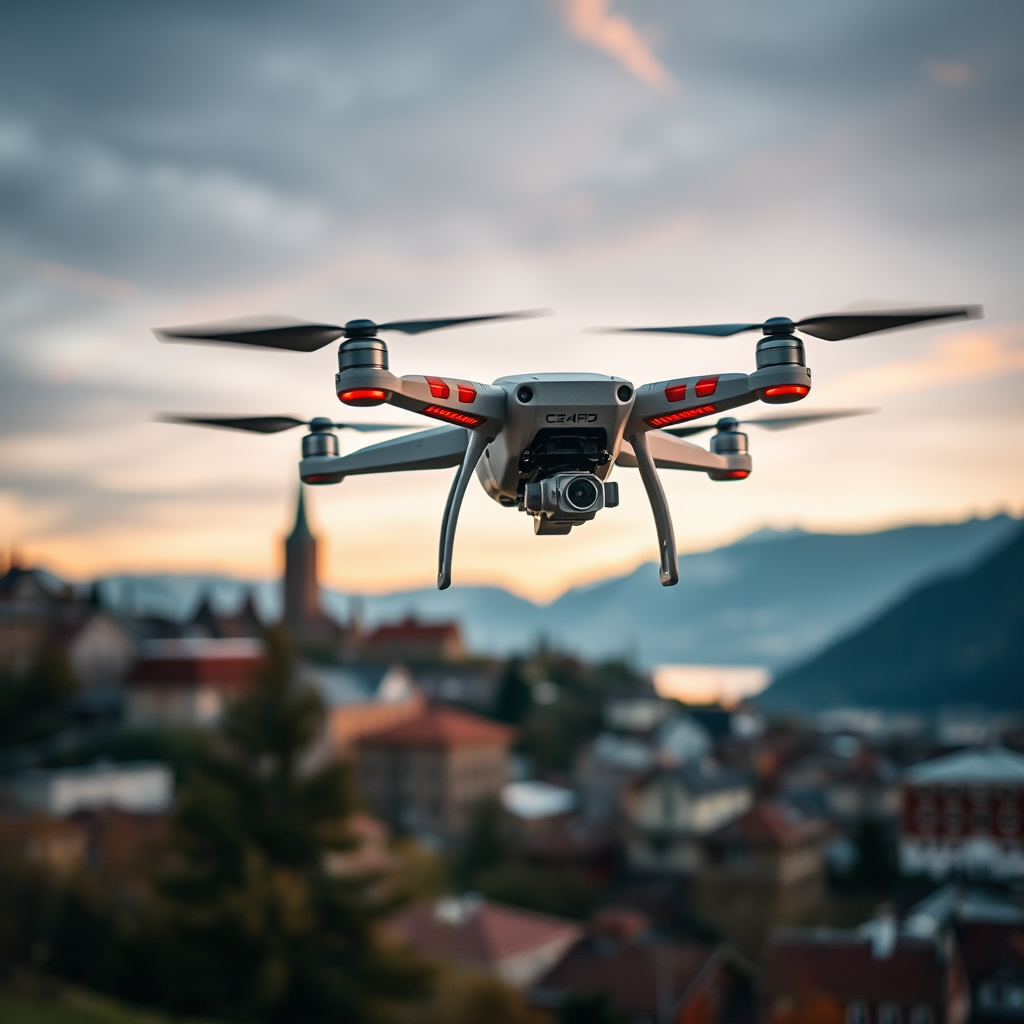
Yes, you can fly your drone in Switzerland, but there are specific regulations and guidelines you must follow. Understanding these rules is crucial to ensure a safe and enjoyable flying experience while also respecting the privacy and safety of others. Switzerland, known for its breathtaking landscapes and picturesque scenery, attracts drone enthusiasts from around the world. However, navigating the legal landscape can be daunting without proper knowledge. This article will provide an in-depth look at the essential guidelines for flying drones in Switzerland, including regulations, necessary permits, prohibited areas, safety considerations, and practical tips.
Overview of Swiss Drone Regulations

In Switzerland, the regulations governing drone operations are primarily overseen by the Swiss Federal Office of Civil Aviation (FOCA). One of the key stipulations is that any drone weighing over 250 grams must be registered with FOCA. This registration process ensures that drone operators are accountable and that their equipment adheres to safety standards. Additionally, the Swiss Drone Code outlines operational guidelines that pilots must follow. These include maintaining a visual line of sight with the drone at all times, respecting altitude limits (generally capped at 120 meters above ground level), and adhering to specific no-fly zones. No-fly zones often include areas near airports, military installations, and certain populated regions, highlighting the importance of thorough pre-flight checks to ensure compliance.
Necessary Permits and Licensing
The need for permits and licensing in Switzerland depends on the weight of the drone and the purpose of its use. For hobbyist pilots flying drones that weigh less than 25 kilograms and are not being used for commercial purposes, registration is typically sufficient. However, commercial drone operators are subject to stricter regulations. They must obtain a certification from FOCA, which involves demonstrating proficiency in drone operation and knowledge of applicable regulations. This certification ensures that commercial operators meet safety standards and are capable of conducting their activities without compromising public safety. Furthermore, depending on the nature of the commercial use, additional permissions may be required, particularly for operations involving aerial photography or surveying.
Areas Where Drones Are Prohibited
Switzerland boasts numerous beautiful landscapes, but not all are suitable for drone flying. Many urban areas, airports, and nature reserves have strict no-fly zones to protect both the environment and public safety. For example, flying near Zurich Airport or the scenic Jungfrau region is prohibited due to the presence of air traffic and the need to preserve natural habitats. It is essential for drone pilots to familiarize themselves with local regulations and consult updated maps that detail restricted areas before embarking on a flight. Tools such as drone-specific applications can provide real-time information on no-fly zones, helping pilots avoid inadvertent violations.
Safety and Privacy Considerations
When operating a drone, safety and privacy should be paramount. Pilots must maintain a safe distance from people and private property to respect the privacy of individuals. The Swiss Drone Code emphasizes the importance of avoiding crowded areas, as flying over gatherings can pose significant risks to public safety. Additionally, flying over private property without the owner’s permission is not only a violation of privacy but can also lead to legal repercussions. It is advisable to communicate clearly with property owners when intending to fly over their land. Furthermore, maintaining a safe distance from emergency services operations and respecting their working environment is crucial to avoid interference.
Tips for Flying Your Drone in Switzerland
To enhance your drone flying experience in Switzerland, consider the following practical tips. Always carry identification and your drone’s registration details while flying. This ensures that you can provide proof of compliance with regulations if questioned by authorities. Utilizing apps or websites that offer real-time data on no-fly zones, as well as weather conditions, can significantly enhance safety and compliance. Additionally, planning your flight in advance can help you identify the best locations and times to fly, allowing you to capture the stunning Swiss landscapes without violating any regulations. It is also wise to familiarize yourself with local customs and etiquette regarding drone use, as this can foster goodwill with local communities.
Consequences of Non-Compliance
Failing to comply with Swiss drone regulations can lead to serious consequences. Drone pilots may face fines and penalties for violating regulations, which can vary depending on the severity of the infraction. In more serious cases, such as operating a drone in a restricted area or endangering public safety, offenders may face criminal charges. Additionally, authorities have the power to confiscate drones involved in serious violations, leading to significant financial loss for operators. Therefore, understanding and adhering to the regulations is not only a matter of legal compliance but also one of responsibility and respect for the environment and community.
In conclusion, flying your drone in Switzerland is permissible under specific regulations designed to ensure safety and privacy. By adhering to the guidelines outlined in this article, you can enjoy the stunning landscapes of Switzerland while maintaining compliance with local laws. Always stay informed about current regulations, check for updates regarding no-fly zones, and respect the privacy of individuals and the environment. By doing so, you can make your drone flying experience not only enjoyable but also responsible and worry-free.
Frequently Asked Questions
What are the legal requirements for flying a drone in Switzerland?
To fly a drone in Switzerland, you must comply with the regulations set by the Swiss Federal Office of Civil Aviation (FOCA). This includes registering your drone if it weighs more than 250 grams and obtaining a pilot certificate if your drone exceeds 900 grams. Additionally, it is crucial to adhere to no-fly zones, maintain visual line of sight, and avoid flying over populated areas or crowds.
How high can I fly my drone in Switzerland?
In Switzerland, the maximum altitude for flying a drone is generally set at 120 meters (approximately 393 feet) above ground level. However, it is essential to check for local restrictions, as certain areas like airports, military zones, and nature reserves may have lower altitude limits or complete bans on drone flights. Always verify airspace status using the FOCA’s resources or drone apps before flying.
Why are there restrictions on flying drones in certain areas of Switzerland?
Restrictions on flying drones in specific areas of Switzerland are primarily in place to ensure safety, privacy, and the protection of sensitive environments. High-traffic areas, such as airports and urban centers, pose risks for collisions, while nature reserves and wildlife habitats require safeguarding to prevent disturbances. These regulations help maintain public safety and ensure responsible drone use.
What should I do if I want to fly my drone in the Swiss Alps?
Flying a drone in the Swiss Alps can be a breathtaking experience, but you must adhere to the local regulations. First, check if the area you intend to fly in has any specific restrictions, such as no-fly zones or altitude limits. Additionally, be mindful of weather conditions and ensure you have the necessary permissions if you plan to fly near protected areas or national parks. Always prioritize safety and respect the natural environment.
Which drone insurance should I consider for flying in Switzerland?
When flying a drone in Switzerland, it is advisable to obtain liability insurance that covers any potential damages or injuries caused by your drone. Several insurance providers offer specialized drone insurance policies tailored to comply with Swiss regulations. Look for a policy that includes coverage for third-party liability, theft, and damage to your drone, ensuring you are adequately protected while enjoying your aerial adventures.
References
- https://www.admin.ch/gov/en/start/documentation/media-releases.msg-id-78668.html
- https://www.ch.ch/en/drone-flying/
- https://www.fedlex.admin.ch/eli/cc/2014/299/en
- https://www.eurocontrol.int/sites/default/files/publication/files/2019-06-17-drone-operations-in-switzerland.pdf
- https://www.swissinfo.ch/eng/drone-regulations_international-don-t-fly-here/45572446
- https://www.faa.gov/uas/getting_started/part_107/
- https://www.wired.com/story/drone-regulations-europe/
