
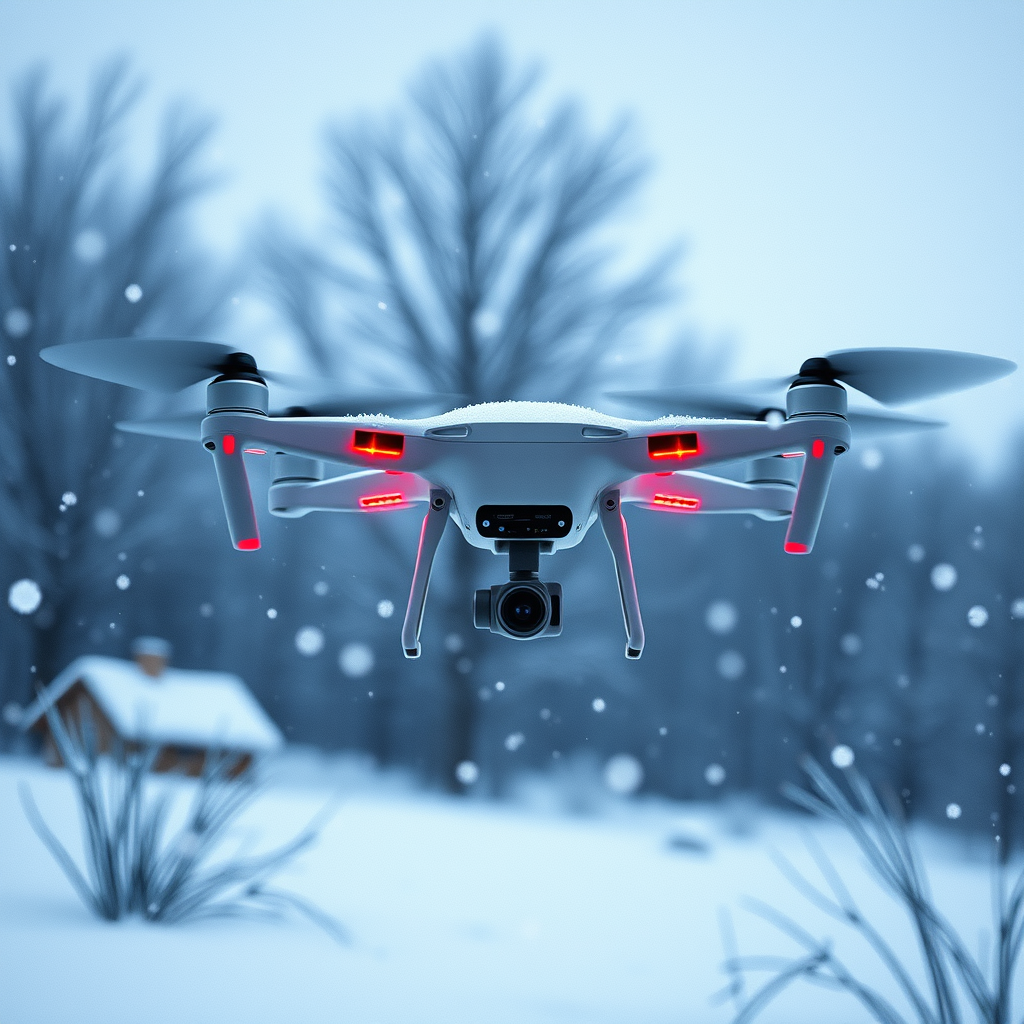
Yes, you can fly your drone in the snow, but there are several important factors to consider before taking to the skies. Snowy conditions can significantly affect your drone’s performance, battery life, and overall safety. As winter presents unique challenges and opportunities for aerial photography and videography, it’s essential to be well-informed. This article will guide you through the essential considerations for flying your drone in snowy weather, ensuring both a successful flight and stunning captures.
Understanding Drone Performance in Cold Weather
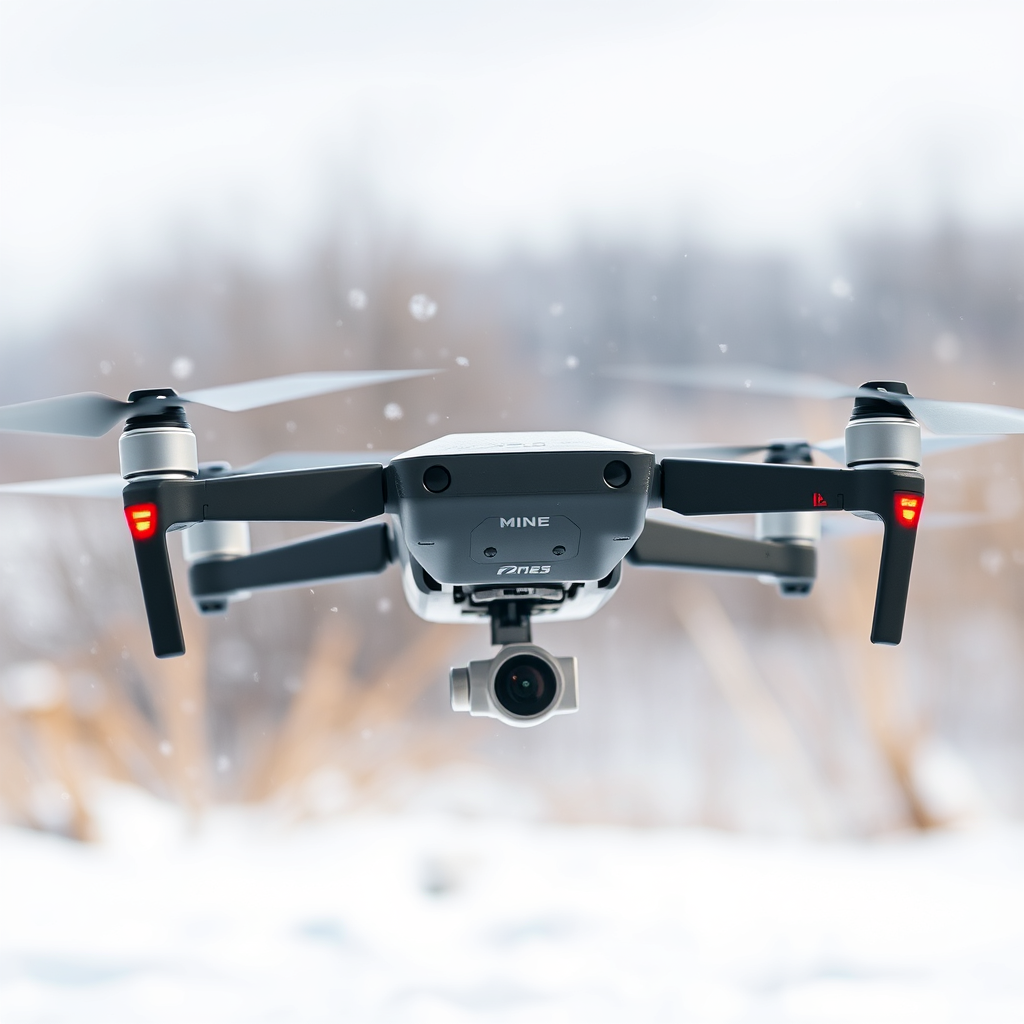
When flying a drone in cold weather conditions, one of the primary concerns is the impact on battery performance. Most drone batteries are lithium-ion, which can lose capacity in cold temperatures. As temperatures drop, the chemical reactions inside the battery slow down, leading to decreased voltage output. Consequently, pilots may experience significantly reduced flight times—often by 20% or more. For instance, if your drone typically flies for 30 minutes in moderate temperatures, you may only achieve 24 minutes or less in the snow. To mitigate this, consider using battery warmers or keeping spare batteries close to your body to maintain their temperature before flight.
Additionally, cold air can affect your drone’s lifting capabilities. The density of cold air is higher than that of warm air, which can result in the drone needing more power to maintain altitude. This can require adjustments to your flight plans, such as flying at lower altitudes where the lift is more favorable. Understanding these performance dynamics is critical for ensuring safe and efficient flights in snowy conditions.
Preparing Your Drone for Snowy Conditions
Before taking off, proper preparation is essential for flying your drone in snowy weather. First, ensure your drone is equipped with the appropriate propellers. Some manufacturers offer winter-specific propellers designed to handle colder conditions better. Furthermore, conducting a thorough pre-flight inspection is vital. Check for any signs of wear, particularly on the motors and battery connectors, which can be exacerbated by moisture and cold.
Consider using a protective covering for your drone to shield sensitive components from snow and moisture. Waterproof cases or silicone covers can help prevent snow accumulation and protect against moisture ingress, which can lead to electrical failures. Additionally, consider applying anti-fog solutions to the camera lens to prevent frost buildup, ensuring clear visuals throughout your flight.
Safety Precautions While Flying in the Snow
Safety should always be your top priority when flying a drone, especially in snowy conditions. Visibility can be drastically reduced during a snowstorm, making it difficult to maintain visual line-of-sight, which is a critical requirement for many drone regulations. Always check the weather forecast before flying and be prepared to adjust your plans if conditions worsen.
Another important safety consideration is the accumulation of snow on your drone. Snow can add significant weight and alter the drone’s balance, impacting flight stability. Regularly check your drone for snow buildup and remove it gently to ensure optimal performance. Additionally, be mindful of changing weather conditions, such as increasing wind speeds or sudden visibility changes, which can greatly affect flight safety.
Legal Considerations for Flying Drones in Winter
Before flying your drone in snowy conditions, it’s crucial to understand the legal landscape. Regulations can vary by region, so check local laws regarding drone operation in winter weather. In some areas, flying during snowstorms or in certain protected environments may be restricted. Furthermore, be aware that many regions have specific regulations regarding airspace usage, particularly near airports or other restricted areas.
If you plan to fly in national parks or wildlife reserves, be sure to obtain any necessary permits, as many such areas have strict regulations on drone usage to protect natural habitats. Understanding these legal considerations not only helps you avoid fines but also contributes to responsible drone operation.
Tips for Capturing Stunning Snowy Landscapes
Flying a drone in snowy conditions presents unique opportunities for breathtaking photography and videography. To capture the stunning white landscapes effectively, adjust your camera settings to avoid overexposure. Snow reflects light, which can easily lead to bright, washed-out images. Use manual settings to reduce ISO and adjust the shutter speed accordingly, and consider employing exposure compensation techniques to ensure the details in the snow are preserved.
Experiment with different altitudes and angles to find the most captivating perspectives of the winter scenery. A lower altitude can reveal intricate details in the snow, while higher altitudes allow for expansive landscape shots. Additionally, consider shooting during the golden hour, shortly after sunrise or before sunset, when the light casts a warm glow over the snow, enhancing the overall beauty of your images.
Troubleshooting Common Issues When Flying in Snow
Technical issues can arise when flying in snowy conditions, and being prepared can make a significant difference. One common problem is GPS signal loss due to interference from snow-laden environments. In some cases, drones may struggle to lock onto satellites, leading to erratic behavior. Always familiarize yourself with your drone’s fail-safe features, such as Return-to-Home, and consider flying in open areas with fewer obstructions to improve GPS reliability.
Additionally, landing can pose challenges in soft snow, which can create a difficult landing surface. Plan your landing approach carefully, and consider using a landing pad to provide a more stable surface for your drone. If you experience any technical issues mid-flight, prioritize landing your drone safely and avoid attempting to troubleshoot while airborne.
Flying a drone in the snow can be a rewarding experience, offering unique photographic opportunities and breathtaking winter landscapes. However, it’s crucial to be prepared, informed, and cautious to ensure a safe and enjoyable flight. By understanding your drone’s performance in cold weather, properly preparing your equipment, adhering to safety and legal guidelines, and employing best practices for capturing stunning visuals, you can make the most of your winter drone flights. Always check your drone before takeoff and remain mindful of the conditions around you. Happy flying!
Frequently Asked Questions
Can I fly my drone in the snow without damaging it?
Yes, you can fly your drone in the snow, but there are important precautions to take to prevent damage. Snow can cause moisture build-up, which may harm the electronics and motors if it seeps into the drone. To protect against this, ensure your drone is weatherproofed or use a protective cover, and avoid flying in heavy snowfall or wet conditions to minimize risk.
How does cold weather affect drone battery life when flying in the snow?
Cold weather significantly impacts drone battery life, causing lithium-polymer batteries to drain faster. When flying in the snow, you may notice a reduced flight time, often up to 20-30% shorter than in warmer conditions. To mitigate this, keep your batteries warm before flying and monitor their performance closely during your flight to avoid sudden power loss.
What are the best practices for flying a drone in snowy conditions?
To safely fly a drone in snowy conditions, follow these best practices: first, check the weather forecast to avoid flying during heavy snowfall or strong winds. Second, inspect your drone for any moisture or snow accumulation before and after flights. Lastly, keep your drone within visual line of sight and be mindful of potential obstacles like snow-covered trees or power lines that may be harder to see.
Why is it important to avoid flying a drone in heavy snowfall?
Flying a drone in heavy snowfall poses several risks, including reduced visibility, freezing of the drone’s components, and potential loss of control due to interference from snowflakes. These factors can lead to accidents and damage to your drone, as well as safety hazards for people and property below. It’s best to wait for lighter snowfall conditions to ensure a safer flight experience.
Which drones are best suited for flying in snowy weather?
Drones designed for all-weather conditions, like those with weatherproof or waterproof ratings, are best suited for flying in snowy weather. Models such as the DJI Matrice series or the Autel Robotics EVO Lite+ offer enhanced durability and resistance to moisture. Always check the manufacturer’s specifications regarding temperature and weather resistance before flying your drone in the snow.
References
- https://www.faa.gov/uas/getting_started/where_to_fly
- https://www.suasnews.com/2021/12/flying-drones-in-the-snow/
- https://www.nasa.gov/feature/nasa-s-drones-to-fly-in-snowy-conditions
- https://www.dronepilotgroundschool.com/flying-drones-in-the-winter/
- https://www.wired.com/story/flying-drones-in-the-winter/
- https://www.nps.gov/articles/drone-safety-in-winter.htm
