
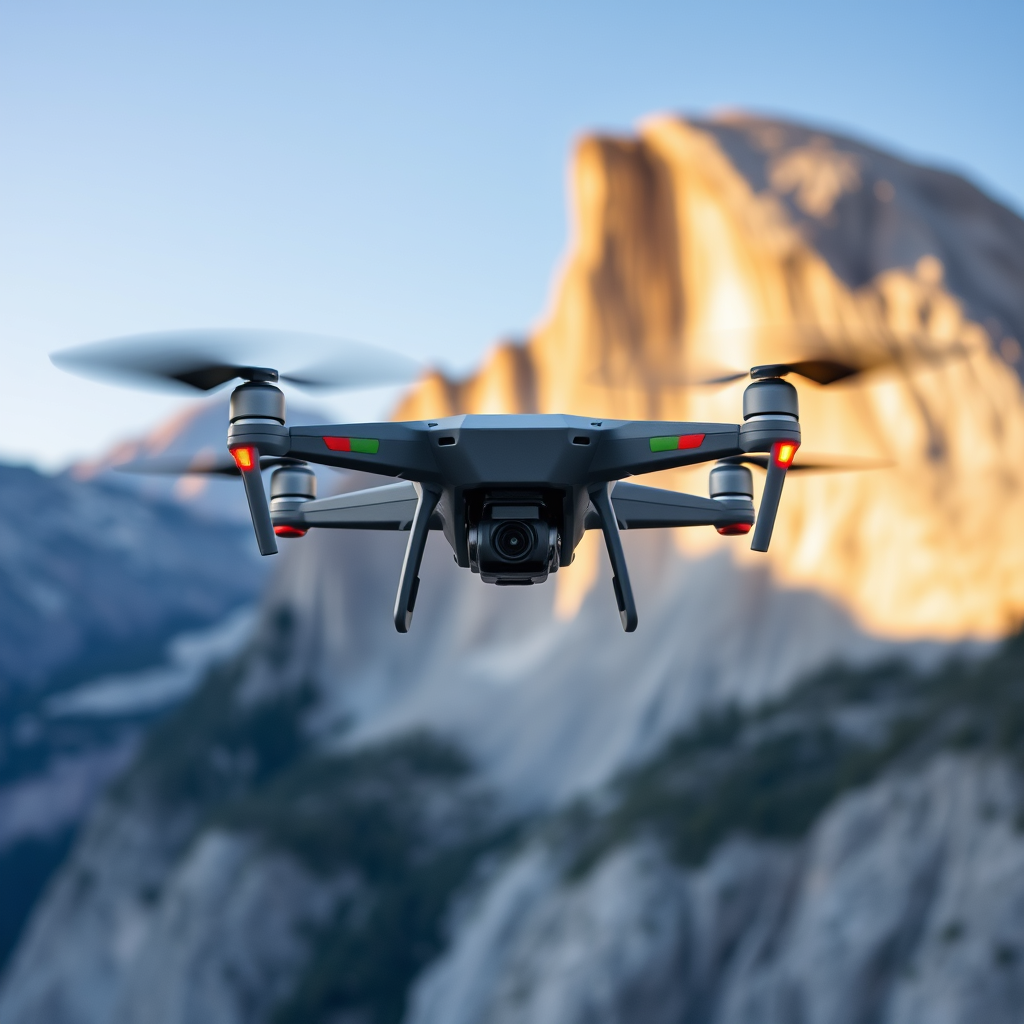
Yes, you cannot fly your drone in Yosemite National Park. The park has strict regulations prohibiting the use of unmanned aircraft to ensure the safety of wildlife and the enjoyment of visitors. These regulations are in place to protect the park’s unique ecosystem and to maintain the serene atmosphere that guests seek when visiting. In this article, we will delve into the specifics of these regulations, explore the reasons behind the ban, discuss any exceptions, and present alternative methods for capturing the breathtaking beauty of Yosemite.
Overview of Drone Regulations in Yosemite
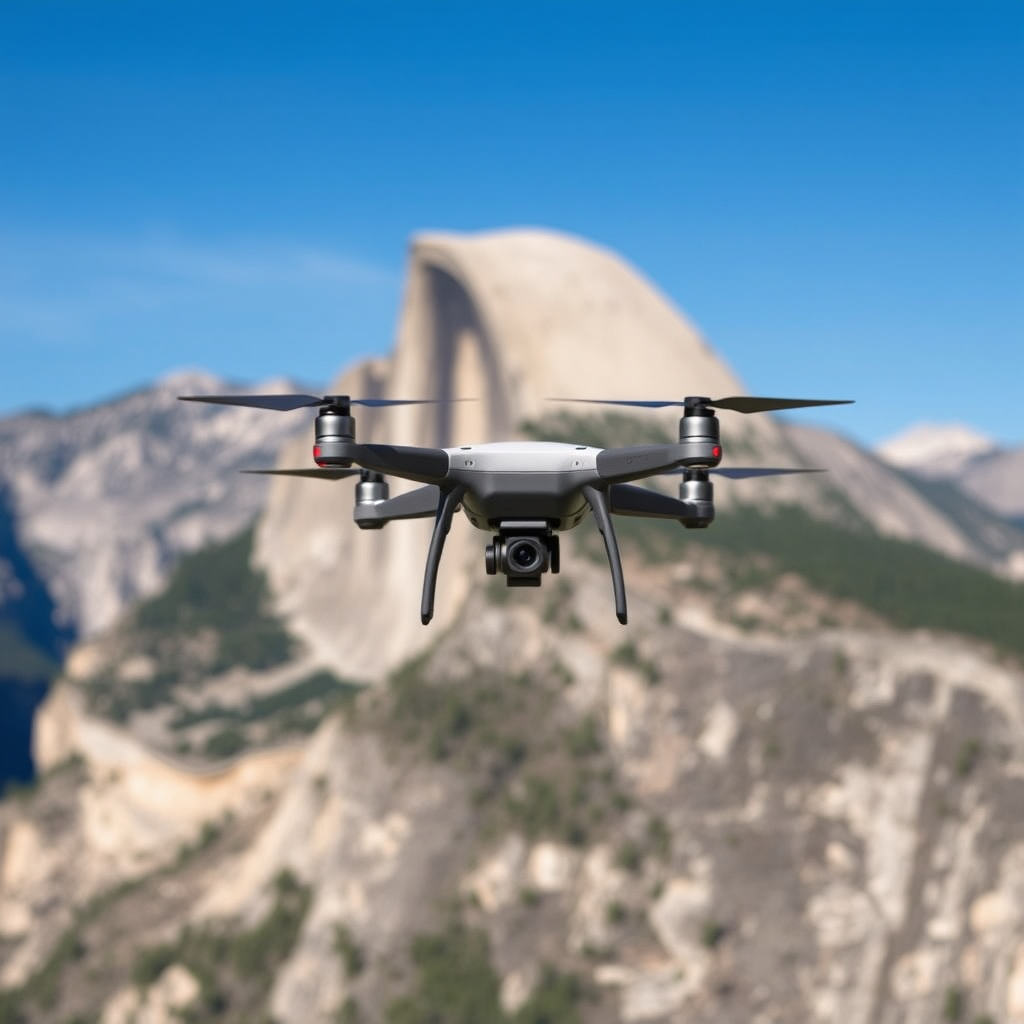
Drones are prohibited throughout Yosemite National Park, aligning with the National Park Service’s overarching policy on unmanned aircraft systems (UAS). This regulation applies to all areas within the park’s boundaries, including popular destinations like Yosemite Valley, Glacier Point, and Mariposa Grove. The primary goal of this prohibition is to protect the park’s natural and cultural resources, which are vital to the park’s integrity and the experience of its visitors.
The ban on drone usage is part of a broader initiative by the National Park Service to preserve the natural environment and minimize human impact. In addition to protecting wildlife, these regulations also help maintain the park’s tranquility, which is essential for visitors seeking a peaceful retreat in nature.
Reasons for the Ban
There are multiple reasons for the strict ban on drone usage in Yosemite National Park.
Wildlife Disturbance
One of the most compelling reasons for the prohibition is the potential disturbance drones can cause to wildlife. Drones can disrupt the natural behaviors of various species, especially during critical periods such as mating and nesting seasons. For instance, birds may abandon nests if they perceive a drone as a threat, leading to decreased survival rates for their young. Yosemite is home to diverse wildlife, including black bears, deer, and numerous bird species, all of which are sensitive to disturbances in their habitat.
Visitor Experience
Another significant factor is the impact that drone usage can have on the overall visitor experience. Many individuals visit Yosemite to immerse themselves in the park’s natural beauty and tranquility. The sounds and sights of drones can detract from this serene environment, creating an atmosphere that feels more intrusive than peaceful. The park aims to preserve a sense of solitude and connection to nature, which can be compromised by the presence of flying drones.
Exceptions and Special Permits
While there are no general exceptions for recreational flying, there are specific circumstances under which drone use may be permitted, albeit very rarely. Special use permits might be available for certain types of research or commercial filming, but these permits come with stringent regulations and guidelines that must be adhered to.
Obtaining a special use permit typically involves submitting a detailed application that outlines the purpose of the drone flight, the specific locations, and the potential impact on wildlife and the park environment. These permits are not easily granted and are subject to rigorous review processes, reflecting the park’s commitment to conservation efforts.
Alternatives for Capturing Scenic Views
Despite the drone ban, there are many effective alternatives for capturing the stunning landscapes of Yosemite National Park without violating regulations.
Handheld Cameras and Smartphones
Using a handheld camera or smartphone is a practical option for photography enthusiasts. Modern devices are equipped with high-quality cameras that can capture breathtaking images without the need for aerial views. Techniques such as using a tripod for stability, experimenting with different lighting conditions, and exploring various angles can yield impressive results.
Guided Tours
Another alternative is to participate in guided tours, which often include access to vantage points that provide stunning views of the park’s iconic landscapes. Many tour operators specialize in photography tours, offering expert guidance on capturing the beauty of Yosemite while adhering to park regulations. These tours can enhance your understanding of the park’s natural features and history, enriching your overall experience.
Tips for Responsible Photography in the Park
When capturing the beauty of Yosemite, it’s essential to adopt responsible photography practices to minimize your impact on the environment.
Respect Designated Areas and Trails
Always adhere to marked trails and designated photography areas. Straying off the path can disturb wildlife and damage fragile ecosystems. By sticking to established routes, you can help preserve the park’s natural beauty.
Follow Leave No Trace Principles
Implementing Leave No Trace principles is crucial for minimizing environmental impact. This includes packing out all trash, avoiding the alteration of natural features, and respecting wildlife by observing from a distance. By following these guidelines, you contribute to the preservation of Yosemite’s unique landscapes for future generations.
Resources for Further Information
For the most current information regarding drone regulations in Yosemite National Park, visiting the National Park Service website is highly recommended. This resource offers updates on policies, safety guidelines, and any potential changes to regulations. Additionally, checking local drone laws and guidelines for surrounding areas can provide insights into options for drone flying outside of national park boundaries, where it may be permitted.
In conclusion, while flying a drone in Yosemite National Park is prohibited, there are numerous ways to responsibly enjoy and document the park’s breathtaking landscapes. By understanding the regulations and exploring alternative photography methods, visitors can capture the essence of Yosemite without compromising its natural beauty. Staying informed about the latest regulations and adhering to responsible practices ensures that this iconic park remains preserved for all to enjoy.
Frequently Asked Questions
Can I fly my drone in Yosemite National Park?
No, flying drones in Yosemite National Park is prohibited. The National Park Service has established strict regulations to protect wildlife, preserve natural resources, and ensure visitor safety. This means that drone usage is not allowed within the park boundaries, and violators can face fines or confiscation of their equipment.
What are the reasons behind the drone restrictions in Yosemite National Park?
The drone restrictions in Yosemite National Park are primarily aimed at protecting the park’s wildlife and natural landscapes. Drones can disturb animals, disrupt their habitats, and interfere with the peaceful experience of other visitors. Additionally, the use of drones can pose safety risks, including potential collisions with other aircraft or accidents that could harm park-goers.
How can I capture aerial photography in Yosemite National Park without a drone?
To capture stunning aerial photography in Yosemite National Park without using a drone, consider using a high-quality camera with a zoom lens or photographing from elevated viewpoints such as Glacier Point or Tunnel View. Additionally, you might explore using a helicopter or small aircraft tour that operates legally within the park, offering a unique perspective while adhering to park regulations.
Which national parks allow drone flying, and how do their rules compare to Yosemite’s?
While Yosemite National Park prohibits drone flying, other national parks such as Grand Canyon National Park and some areas in Alaska do allow it in designated zones, often with restrictions. It’s essential to check the specific regulations for each park, as they vary widely based on local wildlife protection needs and visitor safety considerations. Always consult the park’s official website before planning your visit.
Why is it important to follow drone regulations in national parks like Yosemite?
Following drone regulations in national parks like Yosemite is crucial for preserving the natural environment, protecting wildlife, and ensuring the safety of all park visitors. Violating these rules not only harms the ecosystem but can also lead to serious legal consequences for the drone operator. Respecting these guidelines helps maintain the tranquility and beauty of the park for future generations to enjoy.
