
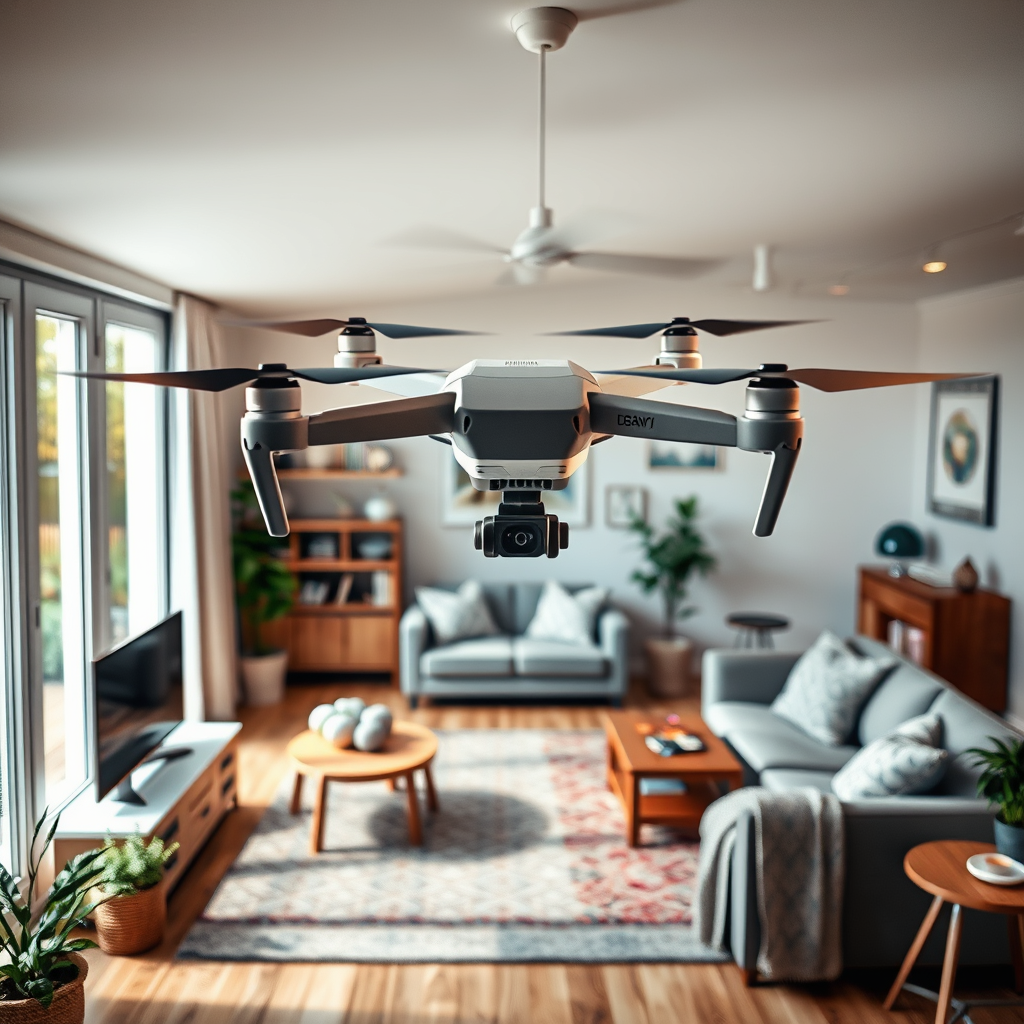
Yes, you can fly your drone inside your house, but there are important factors to consider. Indoor flying presents unique challenges and safety considerations that differ from outdoor operations. Understanding the regulations, choosing the right drone, and implementing safety precautions are crucial for a successful indoor flying experience.
Understanding Indoor Drone Flight Regulations
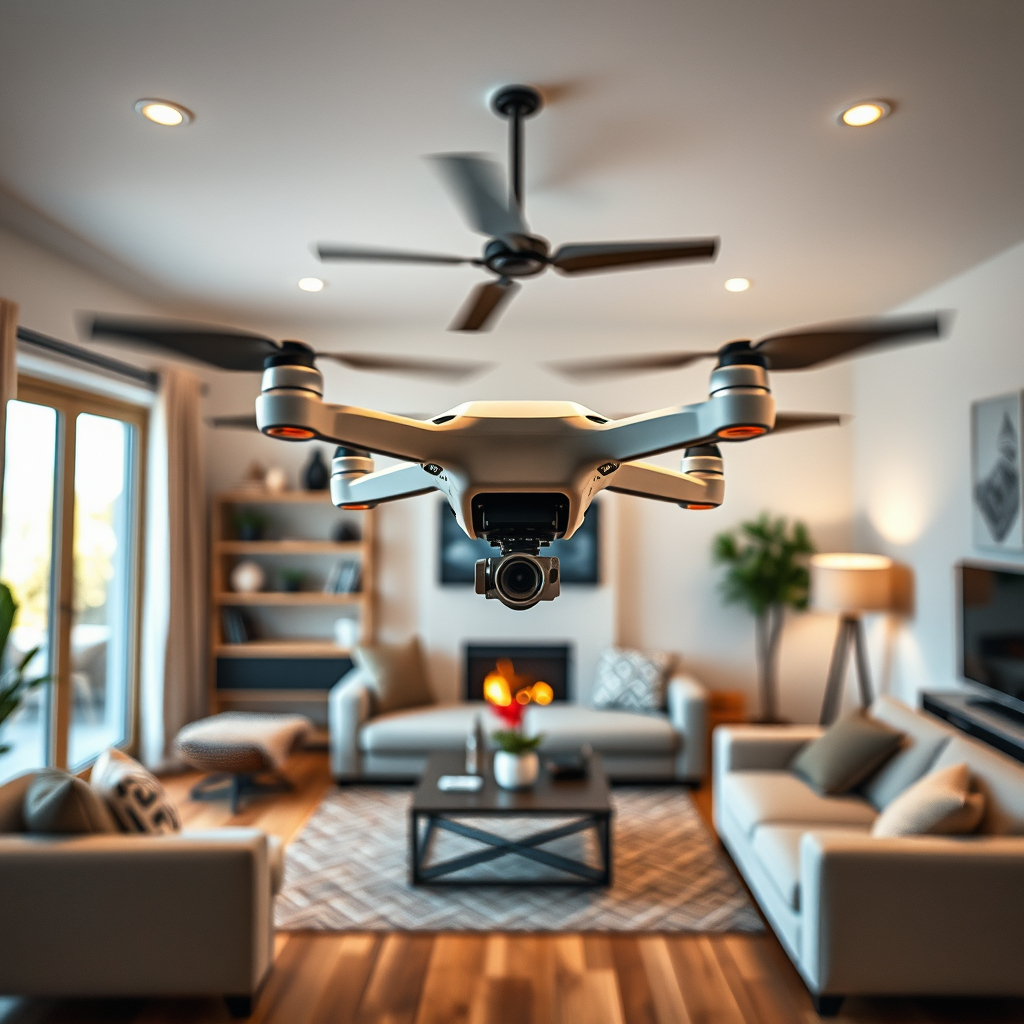
Before embarking on your indoor drone journey, it’s essential to familiarize yourself with local laws regarding drone usage in residential areas. While many regions have strict regulations for outdoor flying to protect privacy and ensure safety, indoor drone flying often lacks specific legislation. This absence of restrictions can lead to a false sense of security; it’s still vital to ensure that your indoor operations do not inadvertently impact others living in your home or nearby.
For instance, if you live in an apartment, consider the potential noise disturbance to neighbors and the risk of damage to communal property. Additionally, familiarizing yourself with any homeowners’ association rules can prevent conflicts. Although indoor regulations may be less stringent, maintaining a responsible flying environment is essential for both safety and compliance.
Choosing the Right Drone for Indoor Use
Selecting the appropriate drone for indoor flight is a fundamental step in ensuring safety and enjoyment. Opt for smaller, lightweight drones that are specifically designed for indoor environments. These drones typically have a more compact design, making them easier to maneuver in tight spaces. Models such as the DJI Tello or the Holy Stone HS210 are excellent examples, as they are lightweight and user-friendly, making them ideal for indoor flying.
Moreover, look for drones equipped with safety features like propeller guards, which prevent damage to both the drone and your home’s furnishings. Altitude hold technology is another invaluable feature; it helps maintain a steady height, allowing for smoother flying and reducing the likelihood of crashes. By selecting the right drone, you can enhance your indoor flying experience significantly.
Safety Precautions for Indoor Flying
Safety should always be your top priority when flying indoors. Before launching your drone, take the time to clear the flying area of obstacles and fragile items. Objects such as picture frames, glassware, and delicate furniture can easily become casualties of an indoor drone mishap. Establishing a designated flying zone, preferably in a larger room free from clutter, can help mitigate risks.
Additionally, ensure you have adequate space for maneuvering the drone. A minimum of 10 feet by 10 feet is recommended for beginners, allowing sufficient room for takeoff, landing, and navigation. If you’re flying in a particularly small area, consider practicing basic maneuvers such as hovering and gentle turns to build your confidence and control.
Tips for Successful Indoor Drone Operation
To enhance your indoor flying experience, practice is key. Begin flying in a controlled environment where you can focus on mastering your drone’s controls without distractions. A gymnasium or large living room can serve as an excellent practice area. Start with simple tasks, such as hovering and basic directional movements, before progressing to more advanced maneuvers.
Using a spotter—someone who can assist in monitoring the drone while you fly—can also be beneficial, especially for beginners. This individual can provide feedback on your flying and help maintain situational awareness, reducing the likelihood of accidents. Furthermore, consider utilizing a simulator app to hone your skills without risking damage to your drone or surroundings.
Common Challenges of Indoor Drone Flying
Despite the excitement of indoor drone flying, several challenges can arise. Limited space can significantly restrict movement and increase the risk of crashes. Unlike outdoor flying, where you have an open sky, indoor environments often come with walls, ceilings, and furniture that can impede your drone’s flight path. It is crucial to remain alert and adjust your flying techniques accordingly.
Additionally, indoor lighting conditions can affect drone sensors and performance. Many drones rely on visual positioning systems to stabilize their flight; poor lighting can hinder these systems, leading to erratic behavior. To combat this issue, fly in well-lit areas and avoid flying in dimly lit rooms. Understanding these challenges will allow you to adapt your flying style and ensure a safer experience.
Maintenance and Care for Indoor Drones
Proper maintenance and care are essential for keeping your indoor drone in optimal flying condition. Regularly check and clean the drone, paying particular attention to the propellers, motors, and battery compartments. Dust and debris can accumulate and affect performance, so using a soft brush or compressed air can help keep your drone in top shape.
Moreover, ensure that the battery life is adequate for your indoor flying sessions. Indoor flights may require more frequent takeoffs and landings, which can drain batteries faster than expected. Always charge your drone’s battery fully before flying and consider investing in additional batteries for extended playtime. Routine maintenance not only prolongs the life of your drone but also enhances your overall flying experience.
In conclusion, flying a drone inside your house is both possible and enjoyable when approached with the right mindset and equipment. By understanding regulations, selecting the appropriate drone, adhering to safety precautions, and maintaining your equipment, you can create a safe and fulfilling indoor flying experience. Remember to practice regularly and adapt to the unique challenges that indoor environments present. With dedication and care, you can make the most of your indoor drone flying adventures.
Frequently Asked Questions
Can I fly my drone inside my house without any restrictions?
Yes, you can fly your drone inside your house, as there are typically no legal restrictions when operating drones in private spaces. However, it’s essential to consider the safety of your environment, ensuring that you have enough space to maneuver the drone without risking damage to furniture or walls, and avoiding potential hazards like pets or people.
What are the best tips for flying a drone indoors?
To successfully fly a drone indoors, start by choosing a small, lightweight drone designed for indoor use, as it will be easier to control. Make sure to clear the area of obstacles, like fragile items or low ceilings, and use the drone’s altitude hold and obstacle avoidance features if available. Practice slow and gentle movements to maintain control, and always keep the drone within your line of sight.
Why is it more challenging to fly a drone indoors compared to outdoors?
Flying a drone indoors poses unique challenges primarily due to limited space and the absence of GPS signals. Indoor environments can have unpredictable airflow from heating or cooling systems that affect flight stability. Additionally, indoor obstacles like walls and furniture can make it harder to navigate, requiring more precise control and spatial awareness.
Which drones are best suited for indoor flying?
The best drones for indoor flying are typically small and lightweight quadcopters with features like altitude hold, easy maneuverability, and durable designs. Models such as the DJI Tello, Holy Stone HS210, and the Ryze Tech Tello are popular choices for beginners, as they come equipped with beginner-friendly controls, making them ideal for indoor environments.
How can I ensure safety while flying my drone inside my house?
To ensure safety while flying your drone indoors, first, create a spacious flying area by removing any potential obstacles and ensuring the floor is clear. Always keep a safe distance from walls, furniture, and people to avoid collisions. Additionally, consider using propeller guards to minimize injury or damage and maintain a cautious flying speed to give you ample time to react to unexpected situations.
References
- https://www.faa.gov/uas/getting_started/part_107/
- https://www.faa.gov/uas/getting_started/fly/
- https://www.wired.com/story/drone-flying-rules/
- https://www.nytimes.com/2020/06/11/technology/drones-covid-19.html
- https://www.techradar.com/news/the-best-drones-for-2023
- https://en.wikipedia.org/wiki/Drone_flying_regulations
- https://www.nationalgeographic.com/science/article/drones-what-you-need-to-know
- https://www.cnet.com/home/smart-home/what-you-need-to-know-about-flying-drones-inside-your-home/
