

Yes, you can fly your drone over Niagara Falls, but there are strict regulations and guidelines that you must follow to ensure safety and compliance. Understanding these rules will help you enjoy your drone experience while respecting the environment and ensuring the safety of others around you. The breathtaking views of the falls and the surrounding natural beauty make it an attractive destination for drone enthusiasts; however, compliance with local laws is paramount to avoid legal repercussions and to protect this iconic natural wonder.
Understanding Drone Regulations in Canada
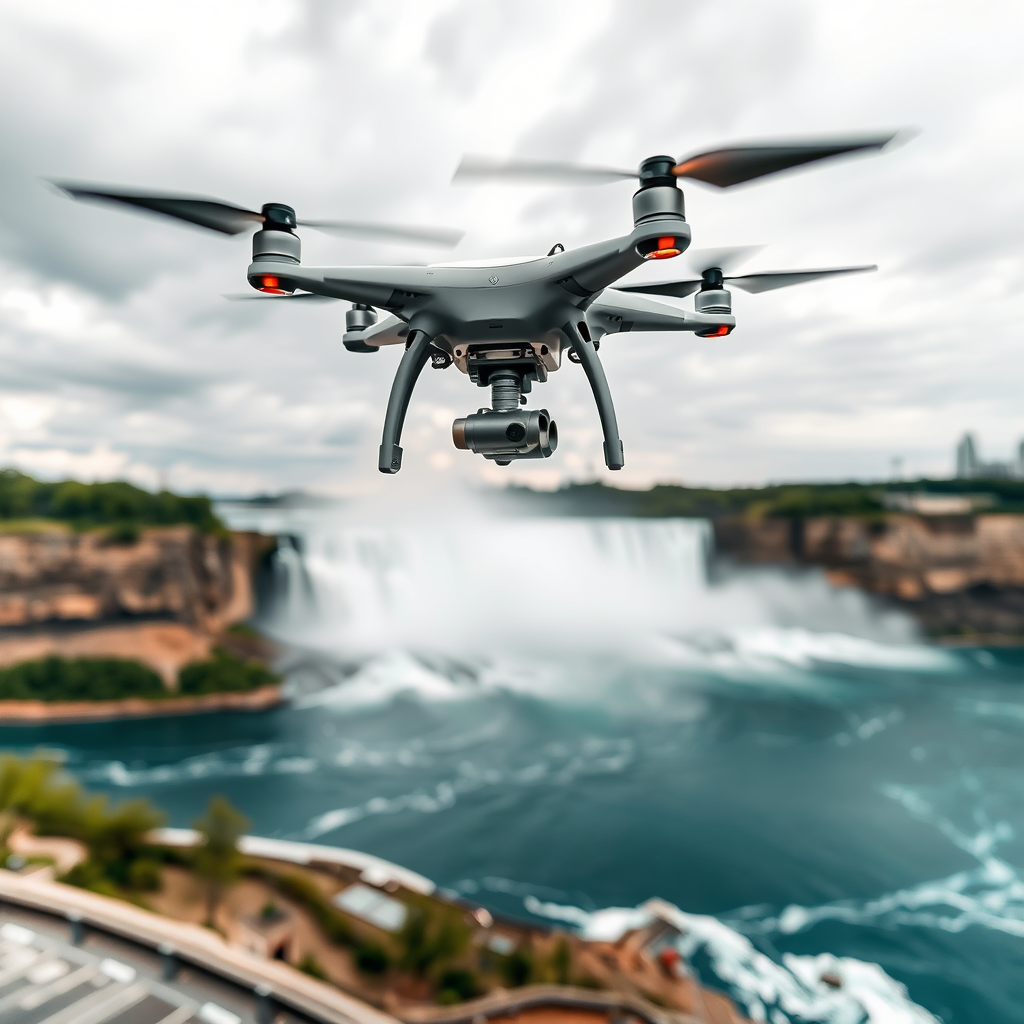
In Canada, the operation of drones is governed by regulations set forth by Transport Canada. For any drone that weighs more than 250 grams, registration is mandatory. This process is crucial for promoting safety and accountability among drone operators. When planning to fly your drone over Niagara Falls, you must also be aware that the area is classified as controlled airspace. Therefore, pilots are required to obtain a Special Flight Operations Certificate (SFOC) for flights that occur in this airspace. The SFOC application process involves providing details about your intended flight, such as the location, time, and purpose, alongside demonstrating your understanding of safe flying practices.
Furthermore, adherence to the Canadian Aviation Regulations (CARs) is essential. This includes maintaining visual line of sight with your drone, not exceeding a maximum altitude of 120 meters (400 feet), and avoiding flying within 9 kilometers of an airport unless you have the required permissions. Understanding and following these regulations is vital for a safe and legal flying experience.
No-Fly Zones and Restrictions
When planning to fly a drone near Niagara Falls, it is critical to be aware of the specific no-fly zones and restrictions that apply to the area. Niagara Falls is situated close to the Niagara Parks area, which is classified as a national park. These parks often have specific regulations that prohibit drone flights to protect wildlife and maintain the natural scenery.
Additionally, flying a drone near large crowds, buildings, or emergency services is prohibited. This includes areas where tourists often gather to view the falls, such as the observation decks and nearby walkways. The presence of large crowds increases the risk of accidents, and local authorities take these regulations seriously. Violating these laws can result in hefty fines and potential legal action, underscoring the importance of knowing the designated no-fly zones.
Best Practices for Flying Drones Near Waterfalls
Flying a drone near a natural wonder such as Niagara Falls presents unique challenges and considerations. First and foremost, it is essential to maintain a safe distance from the edge of the falls. The strong winds that often occur in such locations can cause sudden and unpredictable drone movements, potentially leading to crashes. Additionally, the mist and water spray from the falls can damage your drone’s electronic components, so keeping a safe altitude is advisable.
Pilots should also be mindful of the local wildlife. Niagara Falls is home to various bird species and other wildlife that could be disturbed by drone activity. Respecting natural habitats is not only a legal requirement but also an ethical responsibility for drone operators. Ensuring that you fly responsibly will help preserve the ecosystem and may enhance your overall flying experience as you witness wildlife in their natural setting.
Required Safety Equipment
Ensuring your drone is equipped with the necessary safety gear is paramount when flying in areas like Niagara Falls. A well-functioning drone should include fail-safe mechanisms to prevent loss of control and to safely land in case of a malfunction. This might involve features such as automatic return-to-home functions when the battery level is low or when the connection is lost.
In addition to having a reliable drone, carrying a first-aid kit and other emergency supplies is wise. While the likelihood of accidents can be minimized with careful planning, being prepared for unforeseen circumstances is critical. This could include basic supplies such as antiseptics, bandages, and tools to assist with minor repairs. Being equipped for emergencies demonstrates a commitment to safety and responsibility, which is essential when engaging in aerial activities.
How to Get Permission for Drone Flights
Securing the necessary permissions for flying a drone over Niagara Falls is an essential step in your planning process. Start by contacting local authorities or park services to inquire about any specific permits required for drone flights in the area. This may involve reaching out to the Niagara Parks Commission or local law enforcement agencies to ensure that you have the appropriate permissions before you launch your drone.
Additionally, it is advisable to familiarize yourself with local laws regarding drone use before planning your flight. This includes understanding any temporary flight restrictions that may be in place, especially during special events or busy tourist seasons. Being proactive in obtaining the necessary permissions will not only enhance your flying experience but also demonstrate respect for the regulations that protect both the environment and public safety.
Recommended Times for Flying Drones
Timing your drone flight can significantly impact the quality of your footage and overall experience. Early mornings or late evenings are often the best times to fly, as these periods typically feature fewer crowds. The softer lighting during these times can also enhance the visual quality of your aerial footage, providing stunning captures of the falls and surrounding landscape.
Moreover, it is crucial to consider seasonal weather changes that may affect your flight. For instance, the summer months can bring about thunderstorms, while winter may present challenges such as snow and ice. Always check the weather forecast before planning your flight, and be prepared to adjust your schedule accordingly to ensure a safe and enjoyable experience.
Sharing Your Drone Footage
Once you have successfully captured stunning aerial footage of Niagara Falls, sharing it responsibly is just as important as capturing it. Ensure that you respect privacy laws when recording footage that may include other individuals. This means avoiding situations where you are inadvertently capturing people without their consent, particularly in crowded areas.
When sharing your videos on social media, consider tagging relevant organizations or using specific hashtags to promote awareness about the beauty and importance of preserving natural sites like Niagara Falls. Engaging with the community through your footage can foster appreciation for these natural wonders, while also highlighting the importance of responsible drone use.
In conclusion, while flying a drone over Niagara Falls is possible, it requires careful planning and adherence to regulations to ensure a safe and enjoyable experience. By understanding the drone regulations in Canada, respecting no-fly zones, and following best practices, you can navigate the complexities of drone operation in this iconic location. Always check local guidelines and prepare adequately before your flight to make the most of your drone experience. Happy flying!
Frequently Asked Questions
Can I legally fly my drone over Niagara Falls?
Flying a drone over Niagara Falls is subject to specific regulations set by Transport Canada and local authorities. Drones are prohibited in national parks, including Niagara Parks, unless you have special permission. It’s essential to check the latest regulations and obtain any necessary permits to ensure compliance and avoid fines.
What are the restrictions for drone use around Niagara Falls?
Restrictions for drone use around Niagara Falls include no-fly zones established by Transport Canada, which protect the safety of visitors and wildlife. Drones are not allowed to fly within 9 kilometers of airports and must adhere to altitude limits. Always check for updated rules on the Niagara Parks Commission website before planning your flight.
How can I get permission to fly my drone over Niagara Falls?
To obtain permission to fly your drone over Niagara Falls, you need to apply for a special flight operations certificate (SFOC) from Transport Canada. This process involves submitting an application detailing your flight plan, safety measures, and insurance coverage. Be prepared for a review process that can take several weeks.
What are the best times to fly a drone near Niagara Falls?
The best times to fly a drone near Niagara Falls are during early mornings or late afternoons, when winds are typically calmer and light conditions are ideal for photography. Additionally, weekdays tend to be less crowded than weekends, allowing for safer and more enjoyable flying experiences. Always check weather conditions before your flight.
Why should I avoid flying my drone over Niagara Falls?
Avoiding flying your drone over Niagara Falls is crucial due to safety concerns, such as unpredictable wind currents and the risk of losing control of the drone over water. Furthermore, flying in restricted areas can lead to legal repercussions and fines. Respecting these regulations helps ensure the safety of both your equipment and the public.
References
- https://www.faa.gov/uas/getting_started/fly_right
- https://www.nps.gov/niag/planyourvisit/drone-policy.htm
- https://www.governor.ny.gov/news/governor-hochul-announces-new-drone-regulations-protect-public-safety-and-privacy
- https://www.wkbw.com/news/niagara-falls-drone-flying-rules-and-regulations
- https://www.niagarafallsstatepark.com/explore/park-rules
