

Yes, you can fly your drone over someone else’s property, but there are important regulations and considerations to keep in mind. Understanding the legal landscape and respecting privacy rights is crucial to avoid potential conflicts and legal issues. Drones are increasingly popular for both recreational and commercial use, and as their prevalence grows, so does the need to navigate the complex intersection of property rights, airspace regulations, and privacy concerns.
Understanding Drone Regulations
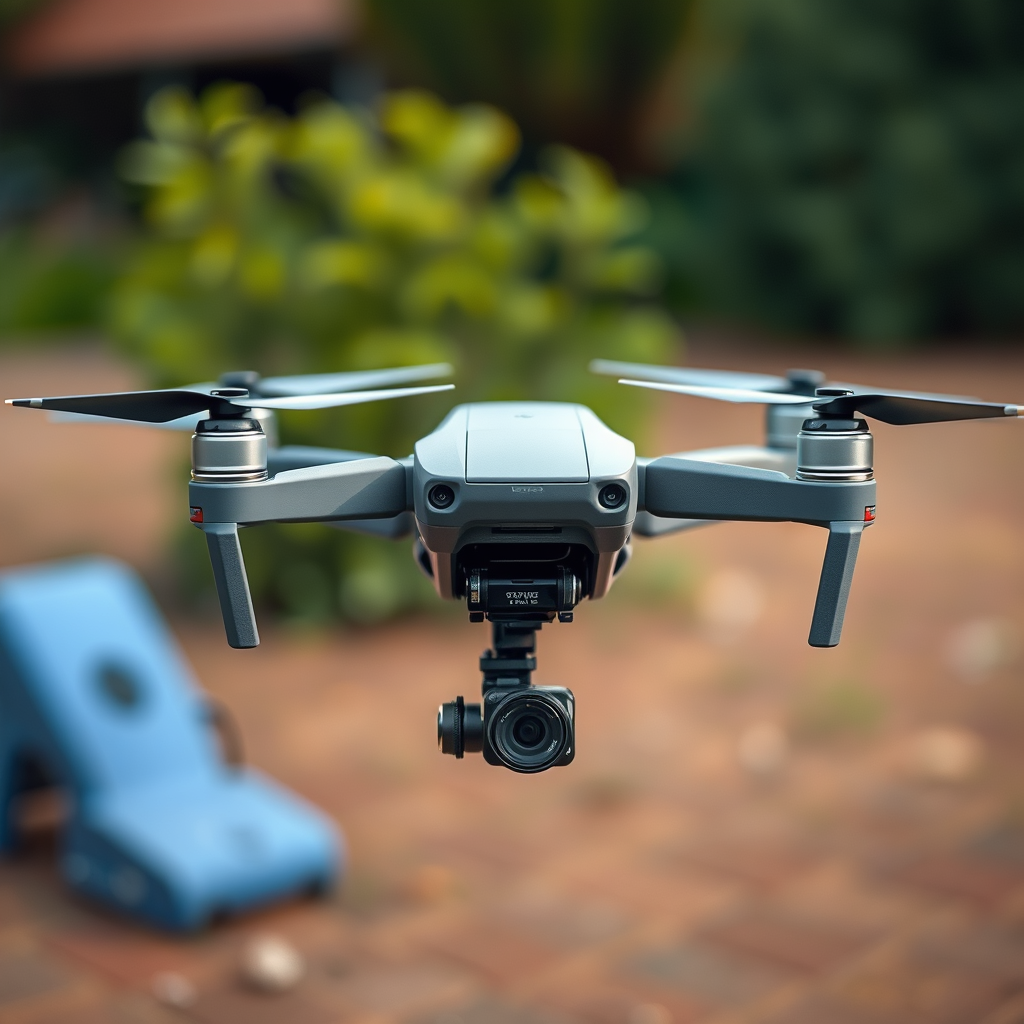
In the United States, drone operation is primarily governed by regulations set forth by the Federal Aviation Administration (FAA). These rules stipulate that all drone pilots must register their drones if they weigh more than 0.55 pounds and must adhere to specific operational guidelines, such as flying below 400 feet and maintaining visual line of sight with the drone. Additionally, commercial drone operators are required to obtain a Remote Pilot Certificate, which involves passing a comprehensive exam that covers aviation regulations, weather, and drone operations.
Beyond FAA regulations, local laws and ordinances may impose additional restrictions on drone flights. Some states and municipalities have enacted laws that limit drone operations, particularly in urban areas or near sensitive sites such as schools, hospitals, or government buildings. For instance, cities like Los Angeles and New York have implemented strict regulations that require drone operators to seek permission before flying in certain areas. Therefore, it is essential to familiarize yourself with both federal and local regulations to ensure compliance and avoid potential legal repercussions.
Property Rights and Airspace
Property ownership typically grants individuals rights over the land, but the airspace above that land is generally considered public. According to the FAA, navigable airspace is defined as the space that extends upward from the ground, which is typically considered to begin at 500 feet above ground level in urban areas. This means that while you may legally fly your drone over someone’s property, you must remain mindful of the altitude you choose to fly at.
However, the concept of airspace is not without contention. Some legal experts argue that property owners may have certain rights over the airspace directly above their land, particularly at lower altitudes. This has led to legal disputes in some cases where drones have flown at lower levels, potentially interfering with property owners’ rights. For example, a notable case involved a homeowner who claimed that a drone flying 20 feet above their property was an invasion of privacy. While courts have generally sided with drone operators, the ongoing discussions underscore the complexity of property rights concerning airspace.
Privacy Concerns
Flying a drone over someone’s property can raise significant privacy issues. While you may have the legal right to do so, the ethical implications of capturing images or videos that infringe on privacy rights cannot be overlooked. Many people are uncomfortable with the idea of being filmed or photographed without their consent, which can lead to conflicts and complaints.
To mitigate privacy concerns, drone operators should adopt best practices. For instance, if you plan to capture images or videos, it is advisable to obtain explicit permission from property owners before conducting flights, especially if you intend to fly lower than the navigable airspace. Additionally, avoiding areas where people are likely to be present, such as backyards or private gatherings, can help minimize privacy violations. Always err on the side of caution, as respect for privacy fosters goodwill and can prevent potential legal issues.
Local Laws and Ordinances
As mentioned earlier, local municipalities often impose specific laws governing drone use that can vary significantly from one location to another. Some areas may have enacted strict regulations prohibiting drone flights in residential neighborhoods, while others may have designated no-fly zones near airports or other sensitive areas. Researching local ordinances is crucial before flying your drone to ensure compliance and avoid fines or penalties.
For example, in places like San Francisco, drone operators must adhere to city-specific regulations that restrict flights in certain parks and public spaces. Similarly, states like California have laws requiring drone operators to respect the privacy of individuals by not flying over private property without permission. Utilizing local government resources, such as city websites and public records, can provide valuable insights into specific regulations in your area.
Best Practices for Flying Drones
To ensure a positive flying experience and minimize conflicts, drone operators should adhere to best practices. First and foremost, always seek permission if you plan to fly over private property. A simple conversation with the property owner can go a long way in fostering goodwill and ensuring transparency regarding your intentions.
Additionally, maintaining a safe distance and altitude is critical. Flying at a height that minimizes disruption to residents below can help avoid complaints. Avoiding flights during early morning or late evening hours, when people are more likely to be outside, is also advisable. Furthermore, familiarizing yourself with the area and being aware of potential obstacles, such as trees and power lines, can enhance safety and compliance during your flight.
Lastly, consider joining local drone clubs or communities where you can exchange experiences and receive guidance on best practices in your area. Networking with fellow drone enthusiasts can provide invaluable insights into local regulations and flying etiquette.
Dealing with Complaints
Despite your best efforts to adhere to regulations and best practices, there may be instances when property owners raise concerns about your drone flights. Being prepared to address such complaints is crucial for maintaining a good reputation as a responsible drone operator.
When confronted with a complaint, approach the situation with courtesy and understanding. Listen to the property owner’s concerns and attempt to find a resolution. This may involve altering your flight path, adjusting your flight times, or even ceasing operations in a particular area altogether. Demonstrating a willingness to engage respectfully can often alleviate tensions and foster positive relationships within the community.
In cases where complaints escalate, be aware of your rights as a drone operator while also remaining compliant with local laws. Documenting your flights, including flight paths and timestamps, can provide useful evidence if disputes arise.
Conclusion
Flying a drone over another person’s property is legally permissible under certain conditions, but it requires awareness of regulations and respect for privacy. Understanding FAA guidelines, local laws, and property rights is essential for responsible drone operation. By adhering to best practices, seeking permission when necessary, and addressing complaints courteously, drone operators can foster positive relationships with property owners and ensure a smooth flying experience. Staying informed about evolving regulations and practicing good drone etiquette will not only protect your rights as an operator but also contribute to a respectful coexistence in the skies.
Frequently Asked Questions
Can I legally fly my drone over someone else’s property?
The legality of flying a drone over someone else’s property depends on various factors, including local laws, airspace regulations, and privacy concerns. In the United States, the Federal Aviation Administration (FAA) allows drone pilots to fly in uncontrolled airspace, which generally includes residential areas. However, flying directly over private property may raise privacy issues and could lead to legal disputes if the property owner feels their privacy is being violated.
What are the privacy concerns when flying a drone over private property?
Privacy concerns are a significant factor when flying drones over private property. Property owners may feel that their rights are being violated if a drone captures images or data of their home or yard without consent. In many jurisdictions, state laws protect individuals from invasion of privacy, which can include unauthorized aerial surveillance. It’s essential for drone operators to be aware of these laws to avoid potential legal repercussions.
How can I avoid conflicts when flying my drone near someone else’s property?
To avoid conflicts when flying your drone near someone else’s property, it’s best to maintain a safe distance from homes and private areas. Always respect the privacy of others by not capturing images or videos of their property without permission. Communication is key; consider informing nearby property owners of your intentions, and be compliant with any applicable local drone regulations, including any no-fly zones that may be in place.
What should I do if someone complains about my drone flying over their property?
If someone complains about your drone flying over their property, it’s essential to remain calm and respectful. First, listen to their concerns and try to understand their perspective. If possible, offer to discuss how you can adjust your flying to minimize any discomfort. Being proactive and courteous can often resolve the situation amicably. Additionally, familiarize yourself with the local laws regarding drone flying to ensure you are compliant and can address any legal concerns the complainant may have.
Which regulations should I check before flying my drone over private property?
Before flying your drone over private property, check both federal and local regulations. The FAA outlines rules for drone operation, including altitude limits and airspace classifications, while individual states may have specific laws regarding privacy and drone use. Additionally, consult local ordinances or homeowners’ association rules that may restrict drone flights in certain areas. Being informed about these regulations will help you operate your drone responsibly and legally.
References
- https://en.wikipedia.org/wiki/Drone_regulation
- https://www.faa.gov/uas/getting_started/part_107
- https://www.nolo.com/legal-encyclopedia/drone-law-what-you-need-know-29045.html
- https://www.theguardian.com/technology/2021/jun/18/drones-property-rights-privacy
- https://www.nist.gov/news-events/news/2021/09/faa-issues-new-drone-rules-what-you-need-know
- https://www.dronelawjournal.com/
- https://www.aclu.org/news/privacy-technology/drone-laws-and-regulations
- https://www.uspto.gov/learning-and-resources/newsletter/2021/what-know-about-drones-and-intellectual-property-issues
- https://www.ncbi.nlm.nih.gov/pmc/articles/PMC7446876/
