
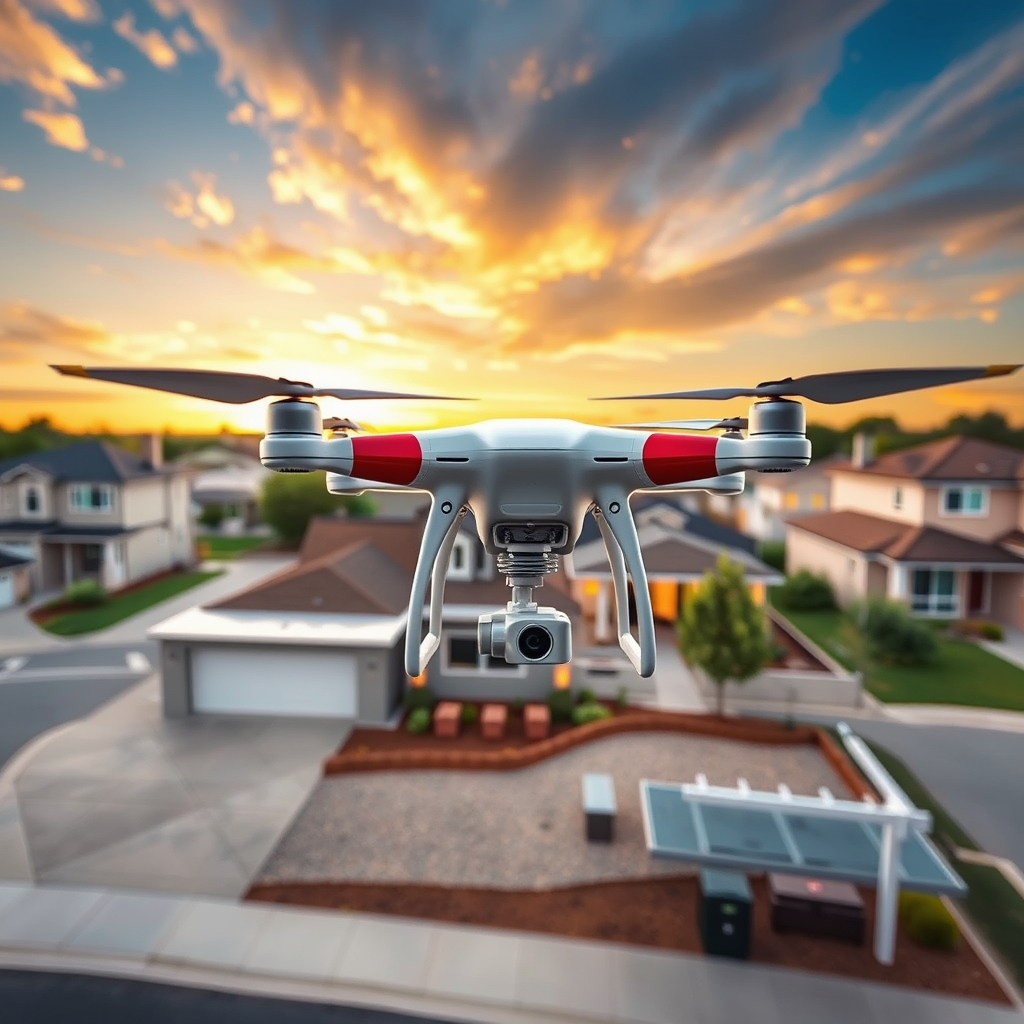
Yes, you can knock down a drone over your property, but doing so may have legal consequences. The laws regulating drone usage are complex and vary by location, making it crucial to understand the potential repercussions before taking any action. This article will explore the legality surrounding drone operations, the rights of property owners, and the risks involved in taking matters into your own hands, as well as alternative solutions for addressing drone-related concerns.
Understanding Drone Laws
The regulation of drones is primarily governed by federal laws, with the Federal Aviation Administration (FAA) at the helm. The FAA sets forth rules that dictate where and how drones can operate, including mandates for registration, operational altitude, and restricted airspace. For instance, drones are prohibited from flying within five miles of an airport without prior notification to the airport. These federal regulations create a framework, but they are complemented by local laws, which can impose additional restrictions or actions regarding drones flying over private property.
Local jurisdictions may have ordinances that pertain specifically to drone operations, including noise regulations, privacy concerns, and trespassing laws. Understanding both federal and local laws is essential to navigating any issues with drones effectively. Before considering any action, it’s prudent to familiarize yourself with laws specific to your area, as ignorance can lead to unintended legal troubles.
Property Rights and Airspace
As a property owner, you have generally recognized rights to the airspace above your land. However, these rights are limited to what is known as “navigable airspace,” which the FAA defines as the space generally utilized for air traffic. This concept complicates the notion of owning airspace above your property, as it is understood that while you may control the land beneath an aircraft, the airspace above is regulated by federal law.
In practical terms, this means that while you may feel entitled to prevent a drone from flying over your property, the law may not support actions taken to physically remove it. Courts have often ruled that the airspace is public, and any unauthorized attempts to disrupt drone operations could be viewed as unlawful interference. Understanding this delicate balance is vital for property owners who feel threatened or disturbed by drone activity.
Potential Legal Consequences
Taking the drastic step of knocking down a drone can expose you to significant legal risks. One of the primary concerns is the potential for criminal charges, including destruction of property. If the drone is owned by someone else, intentionally damaging or destroying it could lead to serious legal ramifications, including fines or even jail time. Additionally, the drone operator may pursue civil action, seeking damages for the loss of their equipment, which could lead to costly court battles.
For instance, in 2018, a man in New Jersey was charged with criminal mischief after he shot down a drone that was flying over his property. The drone operator filed a lawsuit for damages, highlighting the legal complexities involved in such actions. This case exemplifies how quickly a seemingly straightforward decision can escalate into a significant legal issue.
Safety Risks of Taking Action
Attempting to knock down a drone poses considerable safety risks—not only to the individual taking action but also to bystanders. The use of projectiles or other methods to disable a drone could result in falling debris that may cause injury to yourself or others nearby. There’s also the risk of collateral damage to nearby structures, vehicles, or even other aircraft.
Moreover, engaging in such actions could provoke the drone operator, potentially leading to confrontations that escalate beyond the initial issue. It is essential to weigh the potential for physical harm against the perceived threat posed by the drone. In many cases, a non-confrontational approach may be the safest and most effective way to handle the situation.
Alternative Solutions to Address Drone Issues
If a drone is causing a disturbance or invading your privacy, there are several alternative solutions to consider before resorting to drastic measures. One effective approach is to report the drone to local authorities, especially if it is violating any laws or regulations. Law enforcement agencies may have protocols in place for handling complaints about drones, which can provide a structured resolution.
Another option is to engage directly with the drone operator, if identifiable. Open communication may lead to a resolution where the operator agrees to avoid flying in your airspace, thus alleviating your concerns. Approaching the situation with civility and respect can often yield better results than confrontation.
If the drone is being operated in a manner that endangers public safety or privacy, documenting the incidents and gathering evidence can also support your case if further action is needed. Keeping a record of dates, times, and descriptions of the drone’s activity can be useful when reporting to authorities.
Preventative Measures for Future Incidents
To deter future drone-related incidents, consider implementing preventative measures on your property. Installing privacy screens, netting, or other barriers can help obstruct drone surveillance and create a more secure environment. Additionally, strategically placing landscaping features such as trees or shrubs can serve as natural barriers against unwanted aerial observation.
Staying informed about local regulations is also crucial. Engaging with community groups or local government can provide opportunities to advocate for stricter drone laws if necessary. Participating in discussions about drone usage in your area can help shape policies that protect property rights and privacy.
Lastly, educating yourself and your neighbors about drone laws and rights can foster a community that is aware and proactive in addressing any drone-related concerns. A collective approach can often lead to more significant changes and better protection for all property owners in your area.
In summary, while you technically can knock down a drone over your property, it is vital to consider the legal implications and safety risks involved. Understanding drone laws, property rights, and the potential for legal consequences can guide your actions. Exploring alternative solutions, such as reporting the drone or speaking with the operator, is often the more prudent path. If you find yourself facing persistent drone issues, consulting local laws or seeking legal advice will help you determine the best course of action for your situation.
Frequently Asked Questions
Can I legally knock down a drone flying over my property?
Legally, you cannot simply knock down a drone flying over your property. While you may be frustrated by its presence, drones are typically considered to be operating in public airspace, and shooting one down could lead to serious legal consequences, including criminal charges and liability for damages. If a drone is violating your privacy or local laws, the best course of action is to report it to local authorities rather than taking matters into your own hands.
What should I do if a drone is invading my privacy on my property?
If a drone is invading your privacy, the first step is to document the incident by taking photos or videos of the drone and noting the time and date. You should also check local laws regarding drone operation and privacy rights, as these can vary by state. After gathering evidence, you can contact local law enforcement or the Federal Aviation Administration (FAA) to report the drone’s behavior, especially if it poses a threat or violates privacy regulations.
How can I deter drones from flying over my property?
To deter drones from flying over your property, consider using physical barriers like privacy fences or planting tall trees that obstruct aerial views. Additionally, you can employ technology such as drone jammers or anti-drone systems, though these may be subject to legal restrictions. Some homeowners find that displaying signs indicating “No Drone Zone” can also discourage operators from flying over their property.
Why are drones allowed to fly over private property?
Drones are allowed to fly over private property because they operate in the national airspace regulated by the FAA, which governs air traffic safety. As long as drone operators comply with FAA regulations, which include altitude limits and avoiding restricted areas, they can legally fly over private land. However, this does not exempt them from state laws regarding privacy and trespass, which may offer additional protections to property owners.
Which laws govern drone operation in my area?
Laws governing drone operation vary by state and locality, but they generally include FAA regulations, state laws, and local ordinances. The FAA sets national standards for drone flight, including registration requirements and restrictions on flying near airports. To understand the specific laws in your area, check your state’s aviation authority website or consult local government resources that detail regulations about drone use, privacy rights, and penalties for violations.
References
- https://www.faa.gov/uas/getting_started/remote_id
- https://www.theguardian.com/us-news/2021/oct/05/drones-property-rights-legal
- https://www.nytimes.com/2020/06/26/us/politics/drone-privacy-property-rights.html
- https://www.wired.com/story/drones-property-rights-legal-battle/
- https://www.nolo.com/legal-encyclopedia/your-rights-drones-your-property-30355.html
- https://www.ncbi.nlm.nih.gov/pmc/articles/PMC7700490/
