
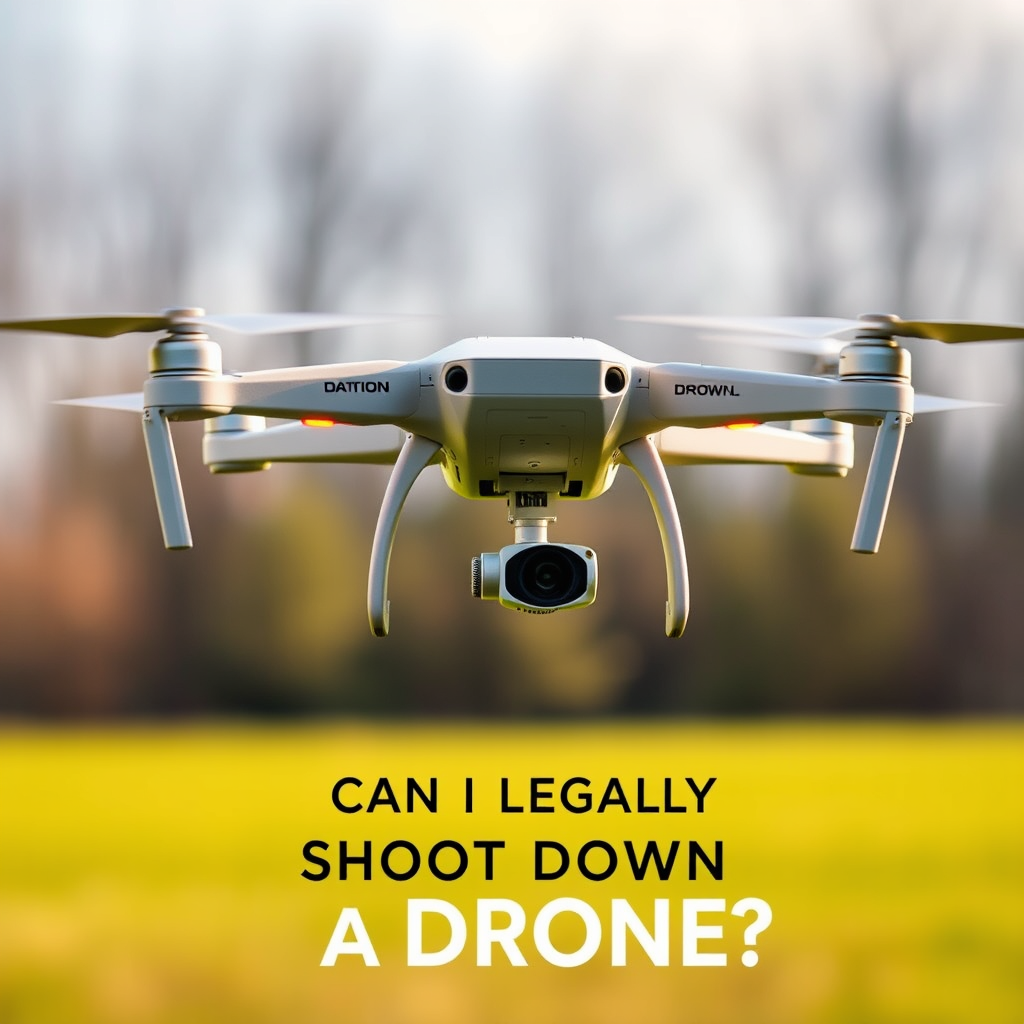
While it may seem tempting to shoot down a drone invading your privacy or property, doing so is generally illegal in most jurisdictions. The laws regarding drone usage and personal defense vary significantly, making it essential to understand the legal implications before considering any drastic actions. This article will explore the complexities of drone regulations, state laws, self-defense concepts, and the potential consequences of taking aggressive actions against drones.
Understanding Drone Regulations
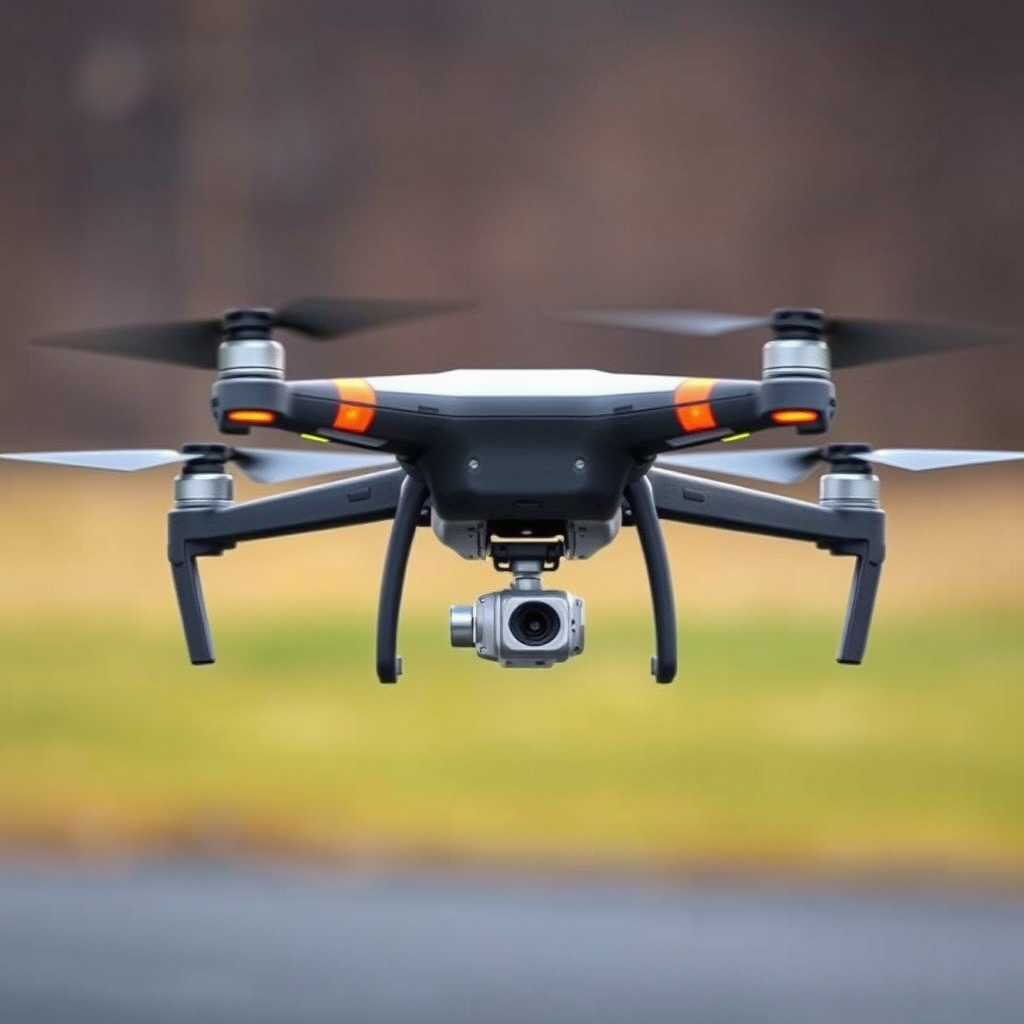
Drones are classified as aircraft under federal law, which makes it illegal to shoot them down. The Federal Aviation Administration (FAA) has established comprehensive regulations governing the operation of unmanned aerial vehicles (UAVs), emphasizing the need for safe airspace management. The FAA treats drones similarly to manned aircraft, meaning that any unauthorized destruction can lead to serious legal ramifications.
Federal law prohibits any acts that could endanger the safety of the national airspace system, including shooting down a drone. This rule is designed to protect not only the drone itself but also other aircraft and people on the ground. Furthermore, the FAA has stringent regulations regarding where and how drones can be operated, which are crucial for both recreational and commercial drone users. Violating these regulations can lead to fines, penalties, or even criminal charges.
State Laws on Drones
In addition to federal regulations, individual states have begun to enact laws specifically addressing drone usage, including the shooting down of UAVs. Many states classify this act as a criminal offense, often under statutes related to destruction of property or reckless endangerment. Therefore, it is crucial for individuals to familiarize themselves with their local laws before considering any action against a drone.
For example, some states have laws that explicitly state that shooting down a drone constitutes a crime, with penalties ranging from hefty fines to possible imprisonment. States such as California have laws in place that protect drone operators from interference, allowing for civil lawsuits against individuals who attempt to damage or destroy their drones. Therefore, it is advisable to conduct thorough research into state-specific legislation, as failing to do so could lead to unintended legal consequences.
Self-Defense vs. Property Defense
The concept of self-defense does not typically apply to drones. For a self-defense claim to be valid, there must be an immediate and credible threat to a person’s safety. A drone hovering above your property, while invasive, does not usually pose a direct threat that justifies the use of lethal force. Instead, most legal systems require that the perceived threat must be imminent and serious, which does not align with the presence of a drone.
Property defense laws vary widely from state to state. In some jurisdictions, individuals may be allowed to take reasonable actions to protect their property. However, the use of deadly force—such as shooting down a drone—may be considered excessive. Courts often emphasize proportionality, meaning that any defensive action must be appropriate to the situation at hand. Therefore, individuals should evaluate their local laws carefully, as actions perceived as reasonable in one state may not hold up legally in another.
Reporting a Drone Violation
Instead of resorting to shooting down a drone, individuals are encouraged to report any suspected violations to local law enforcement or the FAA. Drones that invade privacy or operate in restricted areas can pose legitimate concerns, and authorities are equipped to handle such situations. Reporting incidents ensures that the concerns are documented and investigated appropriately.
When filing a report, it is advisable to gather as much evidence as possible. Documenting the incident with video or photographs can help establish the circumstances surrounding the drone’s operation. This evidence can be crucial in helping authorities assess the situation and determine whether any laws have been violated.
Alternatives to Shooting Down a Drone
There are several non-lethal alternatives to consider when dealing with an intrusive drone. One option is to use drone jammers or signal disruptors, which can legally interrupt a drone’s control signals without causing physical harm. However, it is important to note that the legality of these devices varies by location, and individuals should ensure compliance with local laws before utilizing such technology.
Another approach is to engage directly with the drone operator, if possible. Many drone users are hobbyists who may not realize they are infringing on someone’s privacy or property rights. A polite conversation can often resolve misunderstandings and lead to the operator voluntarily changing their flight path or altitude.
Legal Consequences of Shooting a Drone
Taking the drastic step of shooting down a drone can result in significant legal consequences. Potential charges may include destruction of property, endangerment, or firearms violations. These charges can lead to substantial fines, community service, or even imprisonment, depending on the severity of the action and local laws.
Furthermore, legal battles can be costly, even if individuals believe they are justified in their actions. Engaging in litigation over a drone incident can drain financial resources and create lasting legal issues. In many cases, the ramifications of shooting down a drone may far outweigh the initial annoyance caused by the drone itself.
Seeking Legal Advice
Given the complexities surrounding drone laws and personal defense, it is prudent to consult with an attorney who specializes in aviation or property law. Legal professionals can provide valuable guidance tailored to your specific situation, helping you to navigate any potential conflicts with drone operators. Understanding your rights and local laws is essential in ensuring that you protect yourself effectively while avoiding legal pitfalls.
Attorneys can also offer insight into how to document incidents and what steps to take if a drone is violating your privacy or safety. This proactive approach can help individuals stay informed and prepared, ultimately leading to more effective resolution strategies.
In conclusion, while it may be frustrating to deal with drones infringing on your space, shooting one down is likely illegal and could result in severe legal repercussions. Exploring alternative solutions, such as reporting the incident or engaging with the operator, is advisable. Additionally, seeking legal advice can provide clarity and guidance on your rights and responsibilities regarding drone interactions. Staying informed about local laws and regulations is crucial for effectively managing drone-related conflicts and protecting your interests.
Frequently Asked Questions
Can I legally shoot down a drone that is flying over my property?
No, you cannot legally shoot down a drone simply because it is flying over your property. In most jurisdictions, shooting a drone can lead to serious legal repercussions, including criminal charges and civil liability. The Federal Aviation Administration (FAA) considers drones as aircraft, and damaging or destroying them can be viewed as a federal crime. Instead, it’s advisable to report any concerns about drone activity to local law enforcement.
What should I do if a drone is invading my privacy?
If a drone is invading your privacy, the best course of action is to document the incident and contact local authorities. Many states have laws regarding invasion of privacy that could apply to drone use, especially if the drone is capturing images or videos of you without consent. You can also file a complaint with the FAA if the drone is flying in a manner that violates federal regulations.
Why is it illegal to shoot down a drone?
It is illegal to shoot down a drone primarily because drones are classified as aircraft under federal law. Shooting down an aircraft poses significant safety risks not only to the drone operator but also to people and property on the ground. Additionally, such actions undermine the regulatory framework established by the FAA, which governs air traffic and safety standards for all aviation, including unmanned aerial vehicles.
Which laws apply to shooting down a drone in the United States?
In the United States, multiple laws apply to the act of shooting down a drone, including federal aviation laws governed by the FAA and various state laws regarding personal property and self-defense. The FAA prohibits any interference with air traffic, and shooting down a drone may violate these regulations, leading to penalties. Moreover, state laws may also address issues of property rights and personal safety, complicating the legality of such actions.
How can I protect my property from unwanted drone surveillance?
To protect your property from unwanted drone surveillance, consider installing privacy fences, using netting, or employing anti-drone technology designed to disable drones safely. Additionally, you might want to engage with local authorities to understand your rights and local ordinances regarding drone usage. Educating your neighbors about privacy concerns and fostering a community dialogue can also be effective in addressing drone-related issues collaboratively.
References
- https://en.wikipedia.org/wiki/Drone#Legal_issues
- https://www.faa.gov/uas/resources/policies_regulations/
- https://www.ncsl.org/research/technology-and-communication/drone-laws.aspx
- https://www.theguardian.com/us-news/2020/sep/14/us-drone-laws-legal-issues
- https://www.forbes.com/sites/nathanfierro/2021/06/10/can-i-shoot-down-a-drone-what-you-need-to-know/?sh=3d9ebd1d6c10
- https://www.bbc.com/news/technology-49394887
- https://www.aclu.org/news/free-speech/what-you-need-to-know-about-drones-and-the-law
- https://www.nolo.com/legal-encyclopedia/drone-law-what-you-need-know-32831.html
