
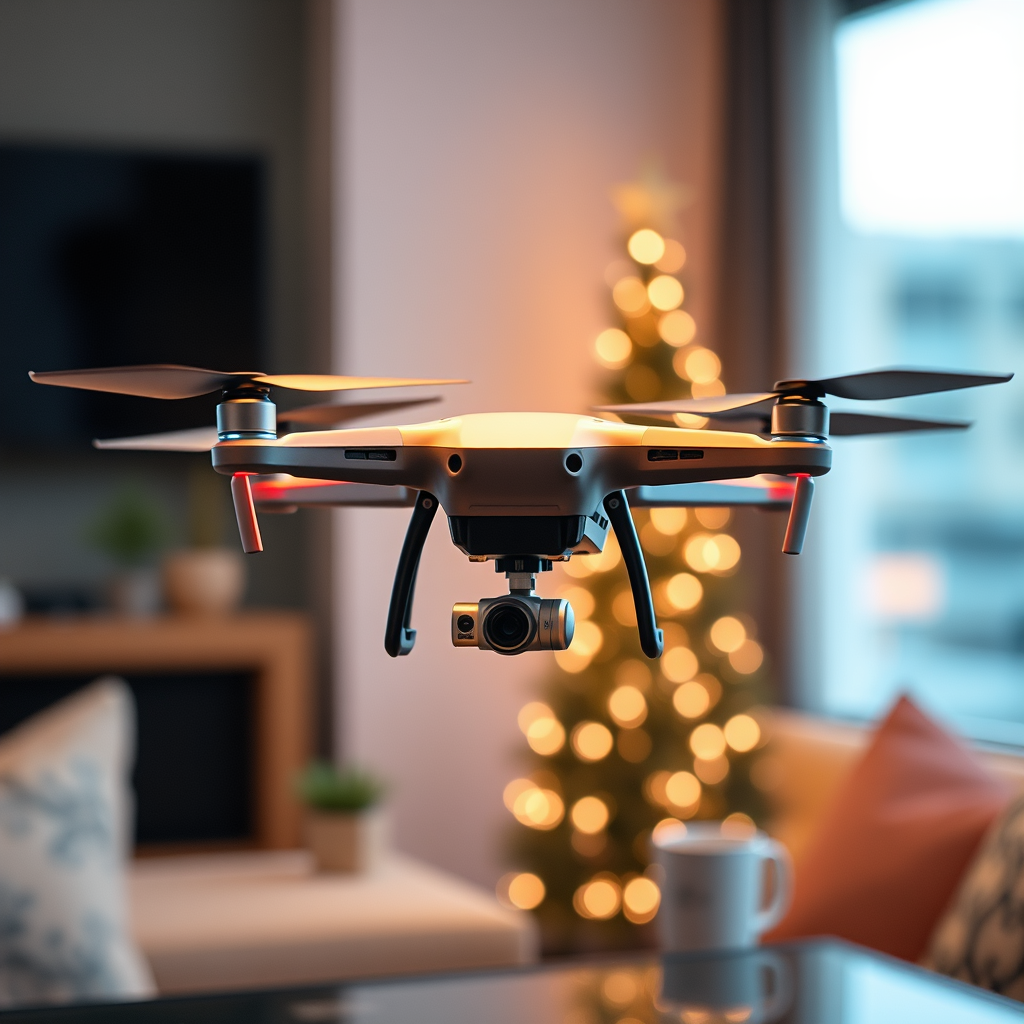
Yes, you can operate more than one drone at a time, but it requires careful planning and consideration of regulations, safety measures, and technical capabilities. Successfully flying multiple drones simultaneously can enhance productivity and expand creative possibilities in various fields, including aerial photography, surveying, and agricultural monitoring. However, it also introduces complexities that need to be managed effectively to ensure safety and compliance.
Understanding the Legal Framework
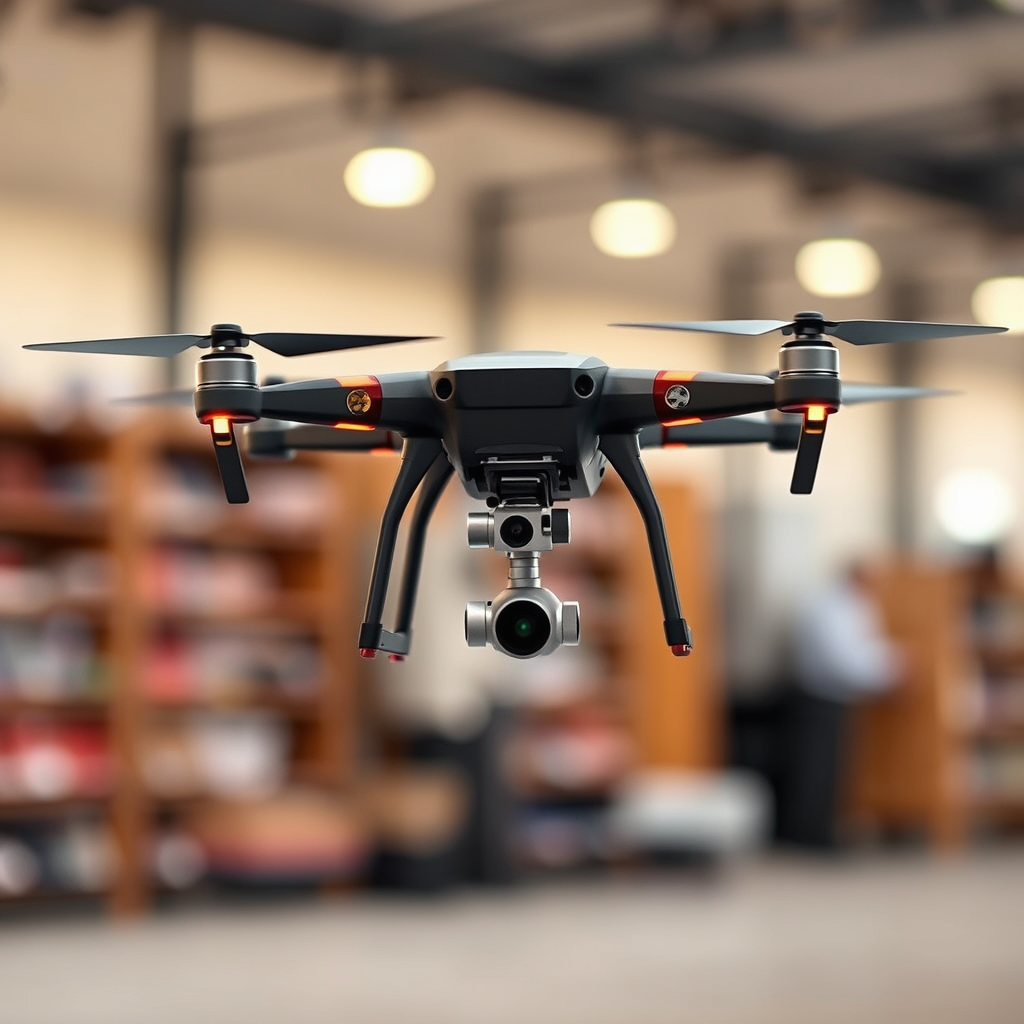
Before considering the operation of multiple drones, it’s crucial to understand the legal landscape governing drone usage in your area. Regulations can vary significantly depending on your location, and many jurisdictions have specific rules related to the operation of unmanned aerial vehicles (UAVs).
First, review local, state, and federal regulations regarding drone operations. In the United States, the Federal Aviation Administration (FAA) outlines several rules that apply to all drone operators, including those flying more than one drone. For instance, if you are operating commercially, you must hold a Remote Pilot Certificate and adhere to Part 107 regulations, which include maintaining a visual line of sight with your drones.
Additionally, check if you need special permits or licenses to operate multiple drones simultaneously. Some regions may require specific authorizations, especially if your operations occur in controlled airspace or near populated areas. Understanding these legal requirements is essential to avoid fines or legal issues that could arise from non-compliance.
Technical Considerations
Operating multiple drones simultaneously necessitates a thorough assessment of your technical capabilities. The first aspect to consider is your remote control system. Many consumer-grade controllers are designed for single-drone operations, but advanced systems are available that can manage multiple drones from a single interface.
Evaluate the range and battery life of each drone you plan to operate. Different models have varying capabilities, and it’s essential to ensure that all drones can maintain a reliable connection with your controller while remaining within their operational range. For instance, if you’re using a drone with a 4-mile range and another with a 1-mile range, the latter will impose a limitation on your operations. Additionally, consider the battery life; operating multiple drones will require effective management of their flight times to avoid losing control over any unit due to low battery.
Safety Protocols
Safety is paramount when operating multiple drones. Establishing a clear communication plan among operators is crucial, especially if you have a team managing the drones. Use reliable communication tools to coordinate flight paths, report any issues, and make real-time decisions to prevent collisions.
Maintaining visual line of sight (VLOS) for each drone is another critical safety measure. The FAA mandates that drone operators must keep their drones within VLOS, which can be challenging when managing multiple units. To mitigate risks, consider using spotters who can help monitor the drones while you focus on flight control. This team-oriented approach will enhance situational awareness and improve safety during operations.
Managing Multiple Drones
Technology can significantly streamline the management of multiple drones. Utilizing flight management software can help you monitor all drones effectively, providing real-time data on their locations, battery levels, and flight paths. Some advanced software solutions even allow for automated flight paths, which can minimize the need for manual control and reduce the risk of human error.
Assigning specific roles or tasks to each drone can also enhance operational efficiency. For example, you might designate one drone for capturing video footage while another conducts a survey. This division of labor minimizes confusion and allows each drone to operate more effectively within its designated role.
Training and Skills Development
Before attempting to fly multiple drones, gaining experience with single-drone operations is essential. Start by mastering one drone, learning its controls, capabilities, and limitations. This foundational knowledge will be invaluable when you transition to managing additional drones.
Consider enrolling in advanced training courses focused on multi-drone operations. Many organizations and flight schools offer specialized programs designed to equip pilots with the skills needed to manage multiple drones safely and efficiently. These training sessions often include practical flying exercises, which will provide hands-on experience and build your confidence.
Potential Risks and Challenges
While the ability to operate multiple drones offers numerous advantages, it also comes with increased risks and challenges. One significant concern is the heightened risk of collisions, both between your drones and with other aircraft. To mitigate this risk, always conduct thorough pre-flight checks, establish clear flight paths, and maintain open communication with other drone operators in the vicinity.
Additionally, be prepared for potential technical failures. Having a redundancy plan in place is vital for ensuring safety. This may include having backup controllers, spare batteries, or even a secondary pilot ready to take over in emergencies. Understanding the limitations of your equipment and preparing for contingencies can significantly enhance your operational resilience.
In summary, while operating more than one drone at a time is possible, it requires a thorough understanding of regulations, technical capabilities, and safety protocols. Proper planning, effective communication, and continuous training will enhance your multi-drone flying experience, allowing you to harness the full potential of this innovative technology. By adhering to best practices and remaining vigilant, you can ensure successful and safe operations in the exciting world of drone flying.
Frequently Asked Questions
Can I operate more than one drone at a time?
Yes, you can operate more than one drone simultaneously, but it requires careful planning and skill. Each drone must be within your line of sight at all times, as per FAA regulations in the United States. Additionally, using multiple drones can complicate your workflow, so it’s important to have a clear strategy to manage their operations effectively.
What are the legal considerations for flying multiple drones?
When flying multiple drones, you must adhere to local laws and regulations, which often include maintaining visual line of sight and ensuring safety for people and property. In the U.S., the FAA requires that you hold a Remote Pilot Certificate if you’re flying for commercial purposes. Always check your local jurisdiction for specific rules regarding drone operations, as regulations may vary.
How can I effectively manage multiple drones in the air?
To manage multiple drones effectively, consider using a dedicated software or app that allows you to monitor each drone’s status, battery life, and location in real-time. Additionally, practice flying each drone independently before attempting to operate them simultaneously, and consider using spotters to help keep track of each drone’s flight path.
Why is it challenging to operate more than one drone at a time?
Operating multiple drones simultaneously can be challenging due to the increased cognitive load on the operator, as you must track each drone’s altitude, direction, and potential obstacles. This can lead to mistakes if not managed properly. Furthermore, maintaining visual line of sight and ensuring compliance with regulations can complicate operations, requiring advanced piloting skills and experience.
What is the best equipment for flying multiple drones together?
The best equipment for flying multiple drones includes high-quality drones with reliable flight systems, GPS capabilities, and long battery life. Additionally, using multi-drone controllers or software designed for fleet management can enhance coordination. Finally, consider investing in a dedicated communication system to keep in touch with team members if you are operating in a group, ensuring a safe and efficient flying experience.
References
- https://en.wikipedia.org/wiki/Drone#Regulation
- https://www.faa.gov/uas/getting_started/part_107/
- https://www.aopa.org/news-and-media/all-news/2021/august/05/multiple-drones-part-107
- https://www.nytimes.com/2021/12/15/technology/drone-regulation.html
- https://www.dronepilotgroundschool.com/can-you-fly-more-than-one-drone-at-a-time/
