
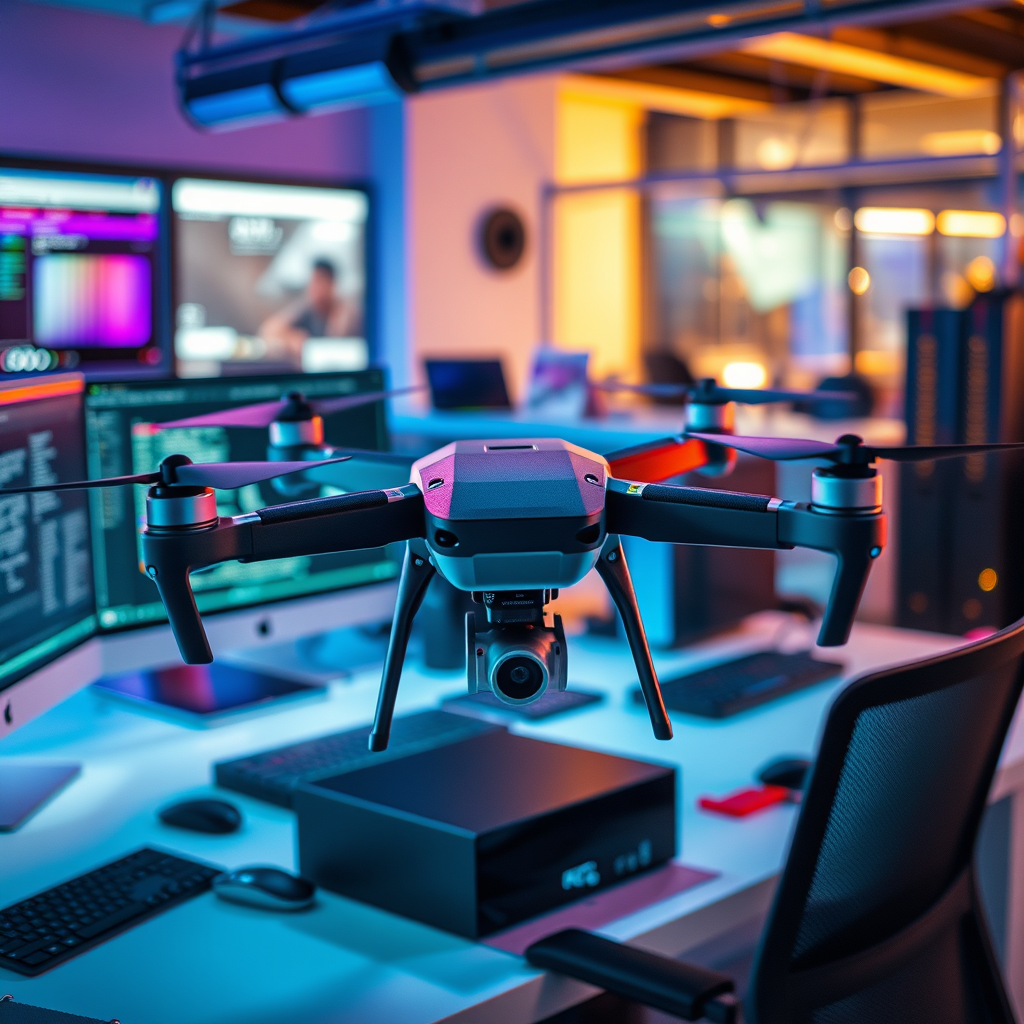
Yes, you can paint your drone, but there are important considerations to keep in mind to ensure that you do not interfere with its functionality or warranty. Customizing your drone’s appearance can enhance its aesthetic appeal and help you express your personal style, but it requires careful planning and execution. In this article, we’ll explore the best practices and tips for painting your drone effectively and safely, ensuring that your modifications do not compromise its performance or longevity.
Understanding Drone Materials
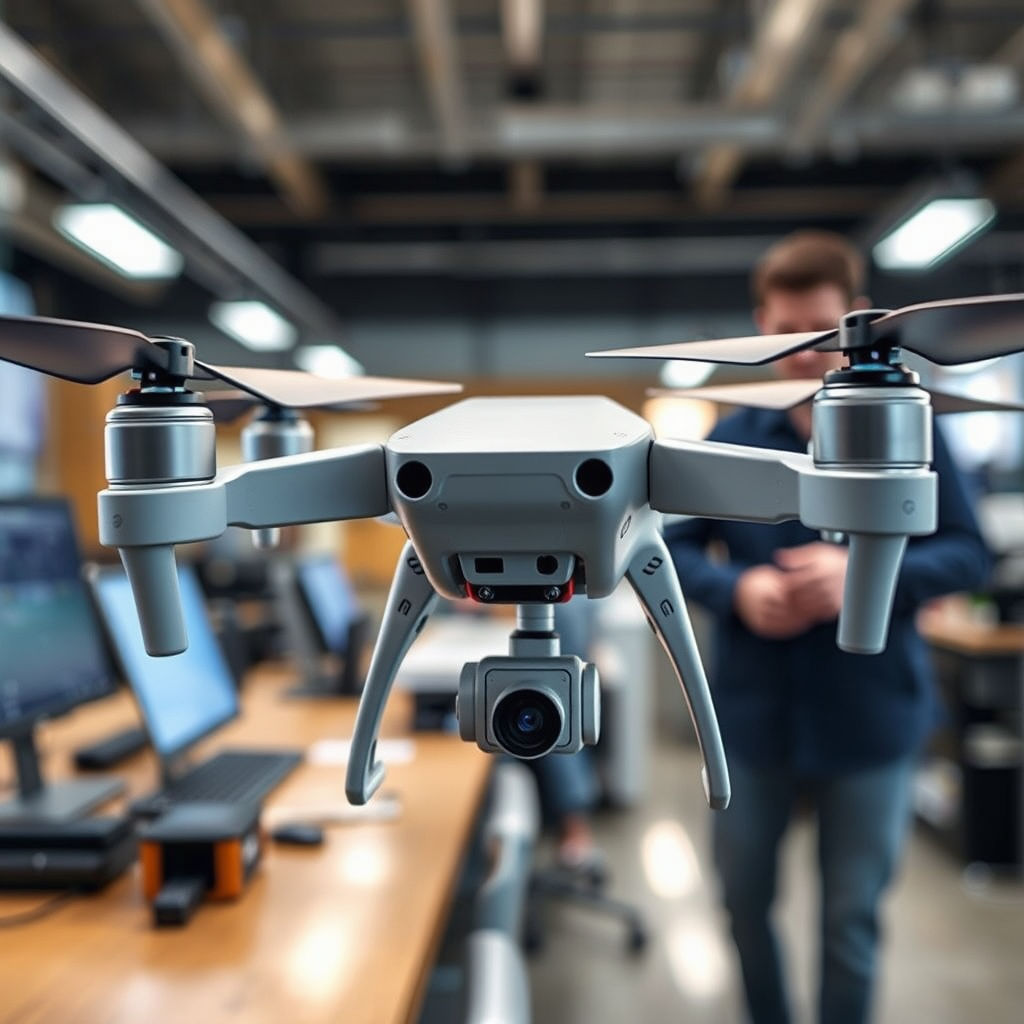
Most drones are constructed from materials such as plastic, carbon fiber, or aluminum, each of which has distinct properties that affect how paint adheres to their surfaces. For instance, plastic is common in many consumer drones due to its lightweight nature, but it can be sensitive to certain types of paint or solvents. Carbon fiber, often used in high-performance drones, has a unique texture that necessitates specific paint types to ensure proper adhesion without adding unnecessary weight. Aluminum, while more durable, can also present challenges in terms of paint compatibility. Therefore, it is crucial to select a paint that not only adheres well to the material but also maintains the drone’s lightweight design. Researching the specific material composition of your drone will provide insights into the best paint options available.
Preparing Your Drone for Painting
Preparation is key for any successful paint job, and drones are no exception. Begin by thoroughly cleaning the surface of the drone to eliminate any dust, dirt, and oils that can prevent paint from adhering properly. A mixture of isopropyl alcohol and water can be effective for cleaning, ensuring that residues are removed. Additionally, it is advisable to disassemble the drone as much as possible, which may involve removing propellers, batteries, and sensitive electronic components like cameras and sensors. This step not only protects these parts from paint overspray but also allows for a more detailed paint application. Remember to document the disassembly process, as this will aid in reassembling the drone later.
Choosing the Right Paint
The choice of paint is critical for achieving a professional-looking finish while ensuring the drone retains its functionality. Opt for non-toxic, lightweight spray paint specifically designed for plastics or outdoor use, as these options are typically formulated to bond well without adding excessive weight. Brands like Rust-Oleum and Krylon offer products suitable for drone painting. Specialty paints that provide additional durability and resistance to UV rays and weather conditions are also recommended, particularly if you intend to use your drone outdoors frequently. Furthermore, consider the finish; matte options tend to hide imperfections better than gloss finishes, which can reflect light and potentially affect the drone’s visibility.
Painting Techniques
When it comes to the actual painting process, employing the right techniques is essential to achieving a smooth and durable finish. Instead of applying one thick coat, use multiple thin coats of paint. This approach minimizes the risk of drips and runs, ensuring a more uniform appearance. Typically, three to four light coats should suffice, allowing each layer to dry according to the paint manufacturer’s instructions before applying the next. Additionally, utilize masking tape to create sharp lines and protect areas that you do not want to paint, such as sensor openings and battery compartments. This attention to detail can significantly enhance the overall outcome of your painting project.
Curing and Drying
Once the painting process is complete, allowing adequate drying time is crucial for ensuring the paint cures properly. Follow the manufacturer’s instructions regarding drying times, as this can vary based on the type of paint used. It’s vital to avoid reassembling the drone until the paint is fully cured, as handling it prematurely can lead to smudging or damage to the paint finish. Depending on the paint used, curing can take anywhere from several hours to a few days. For optimal results, store the painted drone in a dust-free environment during the curing process to prevent contaminants from settling on the wet paint.
Potential Risks and Considerations
While painting your drone can be a rewarding project, it is essential to be aware of the potential risks involved. One significant concern is that modifying your drone may void its warranty. Before proceeding with any paint job, it is advisable to consult the manufacturer’s warranty terms and conditions to understand the implications of alterations. Additionally, be mindful that certain colors or finishes might interfere with the drone’s visibility, particularly in the sky against different backgrounds, which could pose safety risks. Consider utilizing bright or reflective colors that enhance visibility, ensuring that your drone remains easily detectable during flights.
Enhancing Your Drone’s Look Responsibly
If you’re hesitant about permanently painting your drone, there are alternative methods to customize its appearance without the risks associated with paint. Decals and removable skins can provide a similar visual effect while allowing for easy changes in design. These options can also protect the underlying surface from scratches and wear. Furthermore, many companies offer custom design services that enable you to create unique looks without compromising the drone’s functionality. This approach allows for personal expression while maintaining the integrity of the device.
In summary, painting your drone is indeed possible, but it requires careful planning and execution to ensure it doesn’t affect performance or warranty. By understanding the materials, properly preparing the drone, choosing the right paint, employing effective painting techniques, allowing for adequate curing time, and being mindful of potential risks, you can successfully customize your drone. Always prioritize safety and functionality when modifying your aerial device. If you’re ready to take on the challenge, follow these tips for a successful paint job that reflects your style while preserving your drone’s performance.
Frequently Asked Questions
Can I paint my drone without affecting its performance?
Yes, you can paint your drone, but it’s essential to do so carefully to avoid impacting its performance. Use lightweight, non-toxic spray paint designed for plastics, and ensure you don’t cover any sensors, cameras, or ventilation areas. Additionally, applying a thin coat will help maintain the drone’s balance and aerodynamics, which are critical for optimal flying capabilities.
What type of paint is best for painting a drone?
The best paint for painting a drone is a flexible, lightweight spray paint that adheres well to plastic materials. Look for paints specifically labeled for use on plastics or those designed for outdoor use, as these will often resist fading and chipping better. Brands like Rust-Oleum and Krylon offer suitable options that provide durability without adding excessive weight to your drone.
How do I properly prepare my drone for painting?
To prepare your drone for painting, first, clean the surface thoroughly to remove any dirt, grease, or dust. Use isopropyl alcohol or a mild detergent solution for cleaning, and ensure it dries completely. Next, disassemble any parts that don’t need painting, such as propellers and batteries, to avoid unwanted paint coverage. Masking off sensitive areas with painter’s tape can also help protect them during the painting process.
Why should I consider painting my drone?
Painting your drone can serve both aesthetic and practical purposes. A custom paint job can help personalize your drone, making it stand out visually and easier to identify in the sky. Additionally, a fresh coat of paint can provide an extra layer of protection against UV rays and minor abrasions, potentially extending the lifespan of your drone’s body.
Which colors are best for drone visibility when flying?
When choosing colors for your drone, opt for bright, high-contrast colors like neon yellow, orange, or green. These colors enhance visibility against various backgrounds, making it easier to spot your drone in the sky and ensuring compliance with safety regulations. Adding reflective or fluorescent patterns can further improve visibility, especially in low-light conditions.
References
- https://en.wikipedia.org/wiki/Drone
- https://www.faa.gov/uas/getting_started/part_107/
- https://www.nytimes.com/2021/01/13/technology/drones-painting.html
- https://www.techrepublic.com/article/how-to-customize-your-drone-with-paint-and-graphics/
- https://www.sciencedirect.com/topics/engineering/drone
- https://www.dronepilotgroundschool.com/drone-customization/
- https://www.nationalgeographic.com/science/article/drone-painting-technology
