
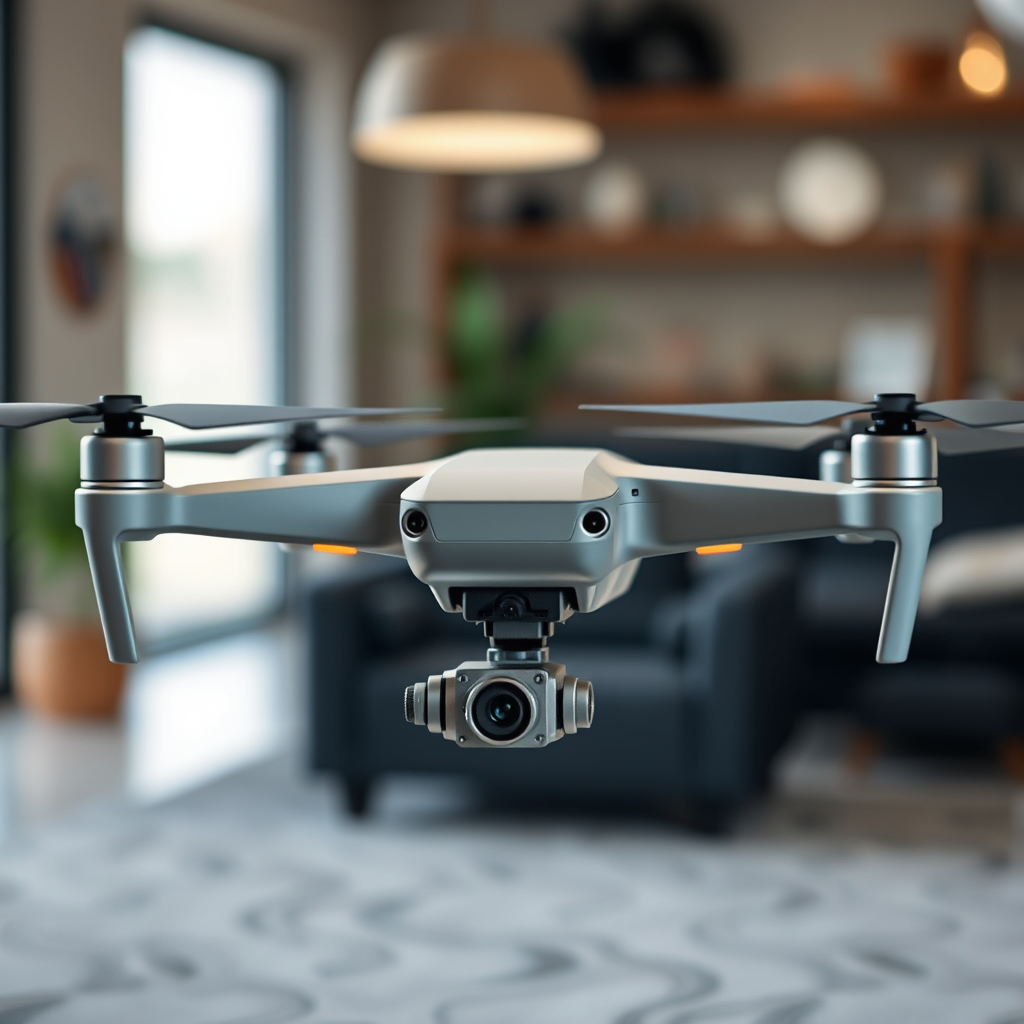
Yes, you can shoot a drone in Texas under specific circumstances, but it is illegal to do so in most situations. The laws surrounding drones and their operation are complex, and understanding local regulations is crucial for responsible drone ownership and use. With the growing prevalence of drones in various sectors, from recreational use to commercial applications, it’s essential to navigate the legal landscape to avoid potential pitfalls and ensure safety for all.
Understanding Texas Drone Laws
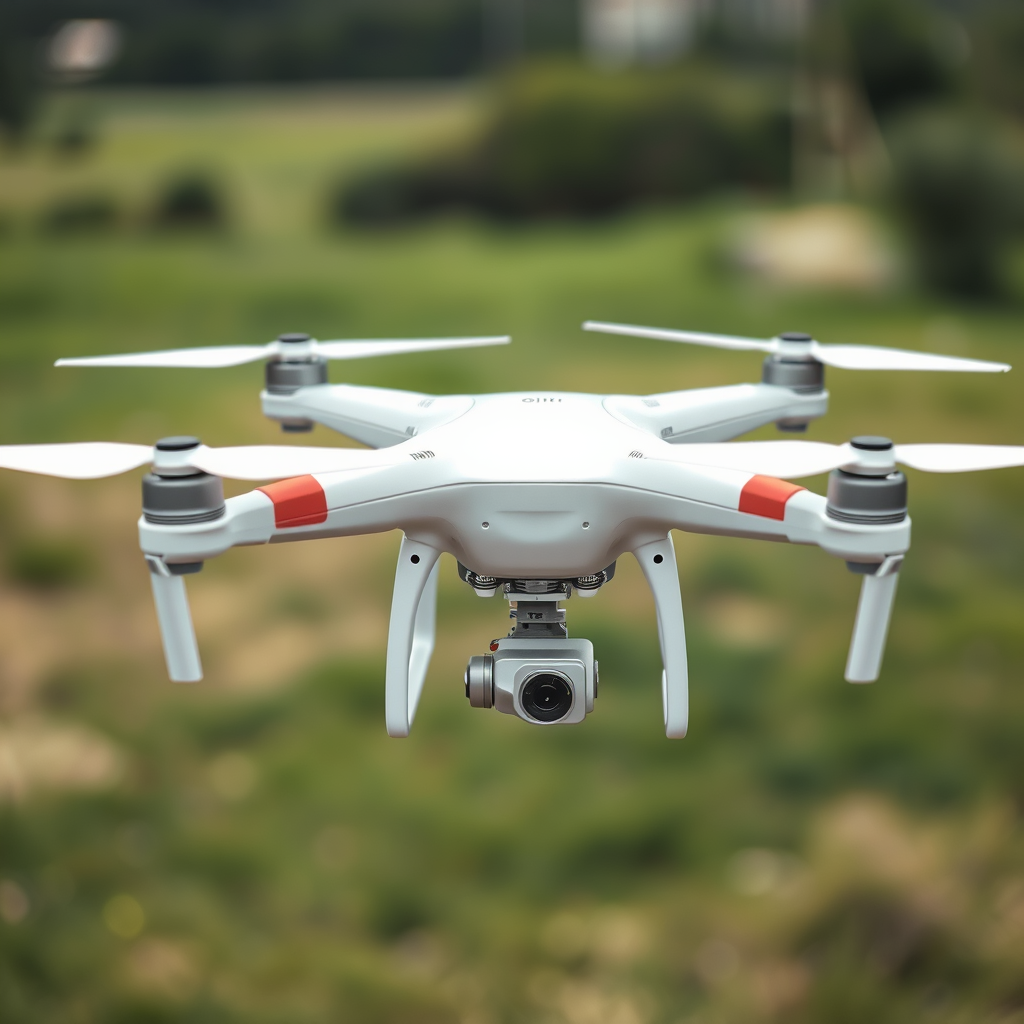
In Texas, the legality surrounding shooting a drone is primarily dictated by both state laws and federal regulations. Texas law explicitly prohibits the use of firearms against drones in most situations. This is in alignment with broader national regulations enforced by the Federal Aviation Administration (FAA), which oversees all airspace and drone operations in the United States. The FAA has established rules that apply to drone use, including guidelines on registration, operational limits, and restrictions on airspace. Violating these laws can result in severe penalties, including fines and restrictions on future drone operations.
Moreover, Texas has enacted specific statutes aimed at protecting privacy and property rights concerning drone usage. For instance, under Texas Penal Code § 42.07, using a drone to invade someone’s privacy can lead to criminal charges. Therefore, understanding both the state and federal laws is crucial for anyone looking to operate or confront drone activity.
When Is It Legal to Shoot a Drone?
Shooting a drone may be permissible in very limited circumstances, particularly when it poses an immediate threat to people or property. For example, if a drone is dangerously hovering over a crowded area or intruding upon private property in a way that could cause harm, property owners may claim a right to defend themselves. However, this defense is highly context-dependent and would likely require substantial evidence that the drone posed a real and imminent threat.
Some property owners may also have legal rights to deter unauthorized drone incursions. Under Texas law, if a drone is hovering over private property without permission, the owner may have grounds for taking action, but lethal force is generally not supported under Texas law. Instead, property owners are encouraged to report such incidents to law enforcement or the FAA to address the situation lawfully.
Penalties for Shooting a Drone
Violating drone shooting laws in Texas can lead to significant criminal charges and civil liabilities. If a person is found guilty of unlawfully discharging a firearm at a drone, they may face various penalties, including hefty fines and potential jail time. The severity of the penalties often depends on the circumstances surrounding the incident, including whether anyone was harmed and the intent behind the action.
Additionally, civil lawsuits can arise from unlawful drone shootings, especially if damage occurs. For example, if a drone is shot down and crashes into a neighboring property, the shooter could be liable for damages, leading to costly legal battles. It’s crucial to recognize that engaging in such actions could not only result in criminal repercussions but also financial burdens from legal claims.
Alternatives to Shooting a Drone
Rather than resorting to shooting a drone, individuals can consider several alternatives to address unwanted drone activity. Reporting the drone to local authorities or the FAA is a prudent first step. Law enforcement agencies are equipped to handle such situations and can investigate potential violations of drone regulations. The FAA also provides a platform for reporting unsafe drone operations, which may lead to further action against the operator.
Additionally, non-lethal methods can be employed to deter unwanted drones, such as using drone jamming devices where legal. These devices disrupt the communication signals between the drone and its operator, effectively grounding the drone without causing physical damage. However, it is important to note that the legality of such devices varies by jurisdiction, and users should ensure they comply with local laws before utilizing them.
Safety Considerations
Evaluating the risks involved in shooting a drone is paramount, as such actions could endanger others and lead to accidents. Discharging a firearm in proximity to populated areas poses significant safety risks, including ricochet or unintended injuries to bystanders. Additionally, the aftermath of shooting a drone could escalate tensions and lead to confrontations with other individuals, including the drone operator.
Moreover, the implications for public safety and property damage must always be considered before taking any action against a drone. Engaging in reckless behavior not only endangers lives but can also result in legal consequences that extend beyond the immediate situation. It is vital for individuals to weigh the potential outcomes carefully and choose legally compliant methods for addressing unwanted drone presence.
Responsible Drone Ownership
For those considering drone ownership, staying informed about local and federal drone regulations is crucial to avoid legal issues. Prospective drone owners should familiarize themselves with the FAA’s guidelines, including registration requirements, operational restrictions, and airspace limitations. Engaging with community resources or drone clubs can provide valuable insights into best practices for flying and managing drones responsibly.
Furthermore, adhering to the principles of responsible drone operation includes respecting the privacy and property rights of others. Drone operators should always seek permission before flying over private property and be mindful of local laws regarding drone activity in populated areas. By fostering a culture of responsibility, drone enthusiasts can contribute to a safer environment for all.
In conclusion, while there are specific circumstances under which you might be able to shoot a drone in Texas, the legal implications and potential consequences are significant. It is always best to explore safer and legally compliant alternatives for addressing unwanted drones. If you own a drone or are considering purchasing one, familiarize yourself with the laws to ensure responsible use. By doing so, you can contribute to a safer and more respectful airspace for everyone.
Frequently Asked Questions
What are the legal requirements for flying a drone in Texas?
In Texas, drone operators must comply with both federal regulations set by the Federal Aviation Administration (FAA) and state laws. To fly drones for commercial purposes, you need a Remote Pilot Certificate from the FAA. Recreational users must adhere to the FAA’s guidelines, including flying below 400 feet, keeping the drone within visual line of sight, and not flying near airports or other restricted areas. Additionally, Texas law prohibits the use of drones for certain activities, such as capturing images of individuals without their consent.
How do I register my drone in Texas?
To register a drone in Texas, you must first visit the FAA’s DroneZone website. For drones weighing over 0.55 pounds (250 grams), you are required to register them online, which involves providing your name, address, and email, along with paying a registration fee of $5. Once registered, you will receive a unique registration number that must be displayed on your drone. This process is crucial for both compliance with federal regulations and ensuring safe drone operations.
Why are there restrictions on where I can fly my drone in Texas?
Restrictions on drone flight locations in Texas primarily exist to ensure public safety and privacy. Areas such as near airports, military bases, and critical infrastructure are restricted to prevent potential accidents or security issues. Additionally, local regulations may prohibit flying over private property and crowded events to protect individuals’ privacy rights and maintain public order. Understanding these restrictions helps ensure responsible drone use and compliance with both federal and state laws.
What are the best practices for flying a drone in Texas?
The best practices for flying a drone in Texas include conducting a pre-flight check, staying updated on local laws, and flying during optimal weather conditions. Always keep your drone within visual line of sight and avoid flying over people or moving vehicles. Additionally, familiarize yourself with the airspace in your area using apps like B4UFLY, which can help you identify no-fly zones. Adhering to these practices not only enhances safety but also promotes a positive image of the drone flying community.
Which areas in Texas are popular for drone flying?
Popular areas for drone flying in Texas include parks and open spaces such as Zilker Park in Austin, the beaches of South Padre Island, and the wide-open landscapes of Big Bend National Park. These locations offer stunning natural scenery and ample space for recreational flying. However, it’s essential to check local regulations and any specific park rules regarding drone use before launching, as some areas may have restrictions to protect wildlife or maintain tranquility.
References
- https://www.faa.gov/uas/getting_started/part_107/
- https://www.texas.gov/en/about/Pages/drone-laws.aspx
- https://www.utsystem.edu/news/2021/08/09/understanding-drone-laws-texas
- https://www.nolo.com/legal-encyclopedia/drone-laws-texas-367358.html
- https://www.aviation.gov.au/airspace/information-for-drone-operators/
- https://www.texastribune.org/2021/01/28/drone-laws-texas/
- https://www.wfaa.com/article/news/local/drones-texas-law/287-7a2f4c4f-ffaf-4c78-b5d5-4b2f04f1aed7
