
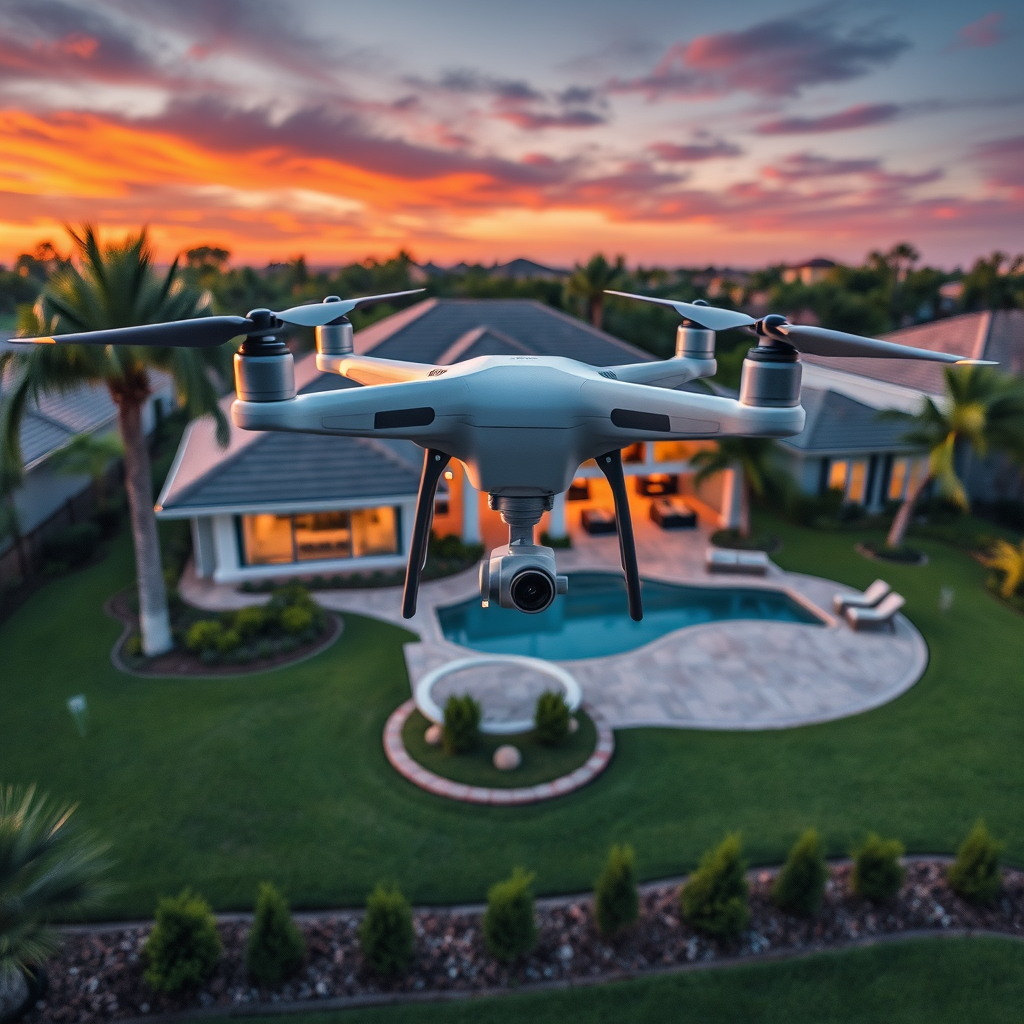
Yes, you can shoot a drone over your property in Florida, but there are important legal considerations and regulations to keep in mind. While the impulse to protect your privacy or property may prompt you to take drastic measures, it’s essential to understand both the state and federal laws governing drone usage to avoid severe legal repercussions.
Understanding Florida Drone Laws
Florida law permits the operation of drones, but this comes with a set of restrictions that must be adhered to. For example, Florida Statute 934.50 outlines the prohibition of using drones to record or surveil individuals in private spaces without their consent. Additionally, the law clearly states that weaponry cannot be attached to drones, and using a firearm to shoot down a drone is considered illegal in most circumstances.
Moreover, local regulations can further complicate the legal landscape. Specific counties and municipalities may impose additional restrictions that govern drone operations, such as no-fly zones around sensitive areas like schools, hospitals, or government buildings. It’s crucial for property owners to familiarize themselves with both state and local laws to ensure compliance.
Federal Regulations on Drones
At the federal level, the Federal Aviation Administration (FAA) oversees all aspects of airspace and drone usage throughout the United States. Under the FAA’s regulations, drones are classified as unmanned aerial systems (UAS), and their operation is tightly regulated. Importantly, shooting down a drone can lead to serious violations of federal law, including potential fines and criminal charges.
The FAA prohibits any interference with the operation of a UAS, and taking actions to shoot down a drone could be interpreted as such interference. This carries significant penalties, which could include civil fines up to $20,000 or even criminal charges, depending on the circumstances. Therefore, understanding FAA regulations is paramount for anyone contemplating the idea of shooting down a drone.
Property Rights and Airspace
Property owners have rights to their land, which includes the surface and, to some extent, what happens above it. However, the legal definition of “airspace” complicates this issue. In the U.S., property owners generally have rights to the airspace directly above their property only to a certain altitude, typically defined around 500 feet.
This means that while you may feel justified in protecting your privacy or property, the law does not typically allow for the shooting down of drones that may be operating at altitudes above this threshold. Furthermore, courts have consistently held that airspace is primarily regulated by federal law, which grants the FAA authority over drone operations. Thus, asserting control over airspace can be legally complex.
Consequences of Shooting a Drone
The consequences of shooting down a drone extend beyond immediate legal penalties. Engaging in such an act could result in criminal charges, civil lawsuits, and substantial fines. Additionally, if the drone belongs to someone else, you could be held liable for damages to the equipment.
For instance, if you were to successfully shoot down a drone, the owner could potentially file a lawsuit against you for loss of property, invasion of rights, or even emotional distress, depending on the situation. These lawsuits could lead to costly settlements or judgments against you, which could far outweigh any perceived benefit of taking action against the drone operator.
Alternatives to Shooting Down a Drone
Instead of resorting to drastic measures like shooting down a drone, property owners can explore several legal alternatives. One viable option is to report the drone’s presence to local authorities if you believe it is invading your privacy or violating regulations. Law enforcement agencies can investigate the matter further and take appropriate action.
Additionally, there are technological solutions available for property owners concerned about drones. Devices that can jam signals or disable drones without causing physical harm are emerging on the market. However, it’s crucial to ensure these devices comply with local laws and regulations, as unauthorized use could lead to legal issues.
Tips for Managing Drones Near Your Property
To effectively manage drones near your property, staying informed about local drone regulations and community guidelines is vital. Many municipalities are beginning to develop drone management strategies, and being aware of these can help you navigate potential conflicts more smoothly.
Engaging in discussions with local law enforcement and community members about drone concerns can also be beneficial. Community forums or local government meetings can provide platforms for discussing drone usage and establishing communal expectations. By fostering an open dialogue, you can address your concerns while aligning with the legal framework.
In conclusion, while the desire to shoot a drone over your property in Florida may arise from a sense of urgency or violation, it is critical to consider the legal implications and potential consequences of such actions. Instead, exploring alternative methods for addressing your concerns, staying informed about regulations, and engaging with your local community can lead to safer and more effective outcomes. Prioritizing compliance with the law not only protects you but also contributes to a respectful coexistence with emerging drone technology.
Frequently Asked Questions
Can I fly a drone over my own property in Florida?
Yes, you can fly a drone over your own property in Florida, but there are regulations you must follow. The Federal Aviation Administration (FAA) governs drone use, requiring operators to adhere to safety guidelines, including keeping the drone within visual line of sight and not exceeding 400 feet in altitude. Additionally, be aware of local laws or homeowners’ association rules that may impose further restrictions.
What are the legal requirements for flying a drone in Florida?
In Florida, drone operators must comply with FAA regulations, which include registering your drone if it weighs over 0.55 pounds and obtaining a Remote Pilot Certificate if you plan to use the drone for commercial purposes. Furthermore, it’s crucial to respect privacy laws, as flying over private property can lead to potential legal issues if it invades someone’s privacy.
How high can I fly my drone over my property in Florida?
In Florida, the FAA allows drone operators to fly up to a maximum altitude of 400 feet above ground level. This limit is designed to minimize the risk of interfering with manned aircraft. When flying over your property, ensure that you are aware of any surrounding structures or obstacles that may affect your flight path.
Why do I need to check local laws before flying my drone in Florida?
Checking local laws is essential because Florida cities and counties may have specific ordinances regarding drone usage that can restrict where and how you can fly. These regulations can include no-fly zones near schools, parks, or airports, and may also cover noise ordinances and restrictions on commercial drone use. Always verify local rules to ensure compliance and avoid fines.
What should I do if my neighbor complains about my drone flying over their property?
If a neighbor complains about your drone, it’s important to address their concerns respectfully. Open a dialogue to understand their issues—whether it’s privacy, noise, or safety—and consider adjusting your flight path or altitude to accommodate their comfort. Familiarizing yourself with privacy laws can also help you navigate these discussions more effectively and maintain good neighborly relations.
References
- https://www.faa.gov/uas/getting_started/remote_id
- https://www.faa.gov/uas/
- https://www.nolo.com/legal-encyclopedia/drone-laws-florida-32456.html
- https://www.abcactionnews.com/news/local-news/investigates/can-you-shoot-a-drone-over-your-property-in-florida
- https://www.washingtonpost.com/technology/2020/07/01/can-i-shoot-a-drone/
- https://www.flrules.org/gateway/ruleno.asp?id=5E-14.002
- https://www.floridahealth.gov/
- https://www.floridabar.org/
- https://www.nytimes.com/2019/12/10/us/drone-laws-florida.html
