
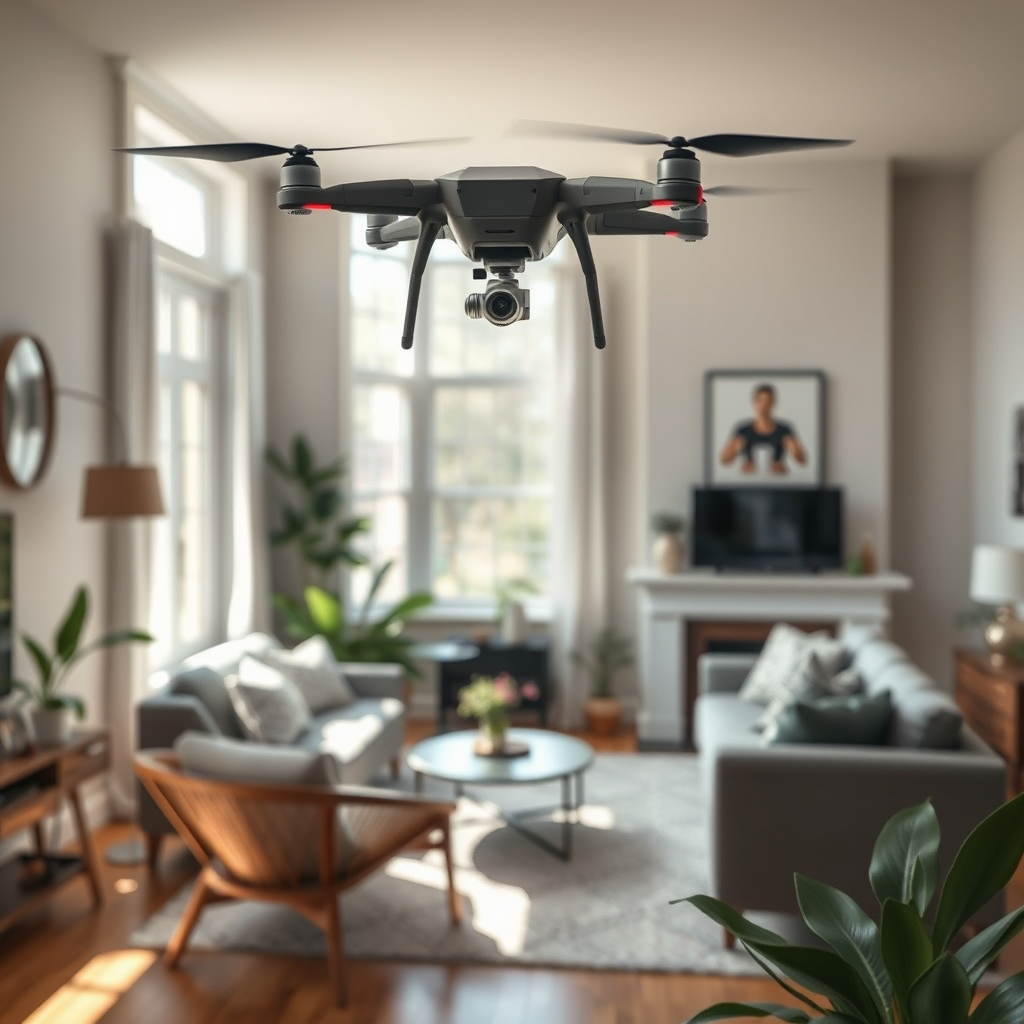
Yes, you can shoot down a drone flying over your house, but it’s illegal and can lead to serious legal consequences. The desire to protect your privacy and property is understandable, especially when a drone is intruding on your space. However, it’s essential to recognize that such actions are governed by a complex web of regulations and potential liabilities that far outweigh the immediate concerns of privacy or safety. This article will explore the legal implications, safety concerns, and alternative actions you can take regarding drone encounters.
Understanding Drone Laws
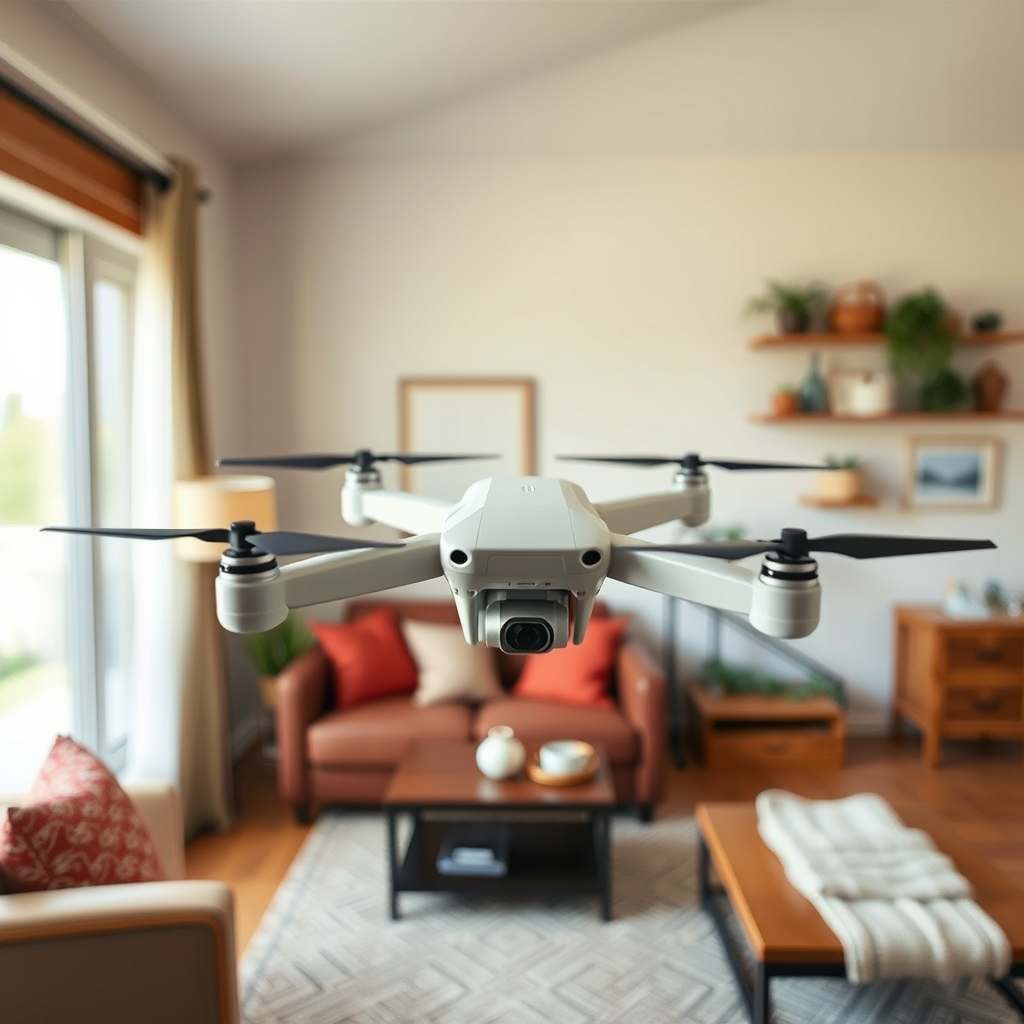
The Federal Aviation Administration (FAA) plays a pivotal role in regulating airspace usage, including the operation of drones. Under FAA regulations, drones are classified as unmanned aerial vehicles (UAVs), and their operation is subject to specific guidelines intended to ensure public safety and airspace management. According to the FAA, shooting down a drone can be considered a violation of federal airspace laws, particularly those related to the unauthorized use of firearms.
Additionally, local laws may further complicate matters. Many states have enacted laws governing the use of drones, often focusing on privacy and safety. For example, some states have made it illegal to use a firearm to take down a drone, regardless of the circumstances. Understanding these laws is crucial, as ignorance can lead to unintended legal repercussions. If you are considering action against a drone, consult local ordinances and state laws to fully comprehend the potential ramifications.
Potential Legal Consequences
Engaging in the act of shooting down a drone can expose you to a range of legal consequences that can be severe. Criminal charges can vary significantly, with potential penalties including hefty fines and even imprisonment. For instance, discharging a firearm in a residential area may violate local noise ordinances, which could lead to misdemeanor charges.
Moreover, you may face civil lawsuits from the drone’s owner, who may seek compensation for damages or loss of property. Drones can be costly, and if you damage a drone, the owner could pursue a claim for the cost of the drone as well as any potential loss of income from its use. These financial repercussions can add up quickly, making the decision to shoot down a drone not only potentially dangerous but also financially devastating.
Safety Risks of Shooting Down Drones
Shooting down a drone is not just a legal gamble; it also poses significant safety risks. The immediate concern is the potential for injury to people or property on the ground. A falling drone can cause serious harm if it crashes into a person, vehicle, or structure. For example, if a drone weighing several pounds is shot down and falls onto a crowded street, the consequences could be catastrophic.
Additionally, shooting at a drone can create dangerous situations for nearby aircraft. Drones often operate in shared airspace with manned aircraft, and a projectile aimed at a drone could inadvertently strike another aircraft, leading to severe consequences. The FAA imposes strict regulations to prevent such incidents, and violating these regulations can result in serious legal repercussions.
Alternatives to Shooting Down a Drone
Instead of resorting to extreme measures, consider more constructive alternatives when faced with a drone flying over your property. One of the most effective actions is to contact local law enforcement or relevant authorities to report the drone. Many law enforcement agencies have protocols in place to handle drone complaints, and they can investigate the situation appropriately, ensuring that your concerns are addressed without escalating the issue.
Another option is to use technology to your advantage. Several apps and websites allow users to identify and track drone activity in their area. By utilizing these resources, you can gain a better understanding of the drone’s purpose and the operator’s identity, which may lead to a peaceful resolution. Sometimes, drones are simply engaged in legitimate activities like photography or surveying, and understanding their purpose can help alleviate concerns.
Understanding Your Privacy Rights
While the legal framework surrounding drones can be complex, it’s crucial to familiarize yourself with your privacy rights. Different states have varying laws regarding drone surveillance and privacy, which may offer additional protections beyond federal regulations. For example, some states have enacted laws that explicitly prohibit drones from capturing images or videos of individuals without their consent.
It’s essential to review both federal and state laws to understand the extent of your privacy rights. If you believe a drone is invading your privacy, document the incidents and gather evidence. This information can be valuable if you choose to take further action, either through law enforcement or civil avenues.
When to Take Action
Before taking any action against a drone, it is essential to assess the situation carefully. Ask yourself whether the drone is genuinely invading your privacy or posing an actual threat. Sometimes, the presence of a drone may not be as concerning as it initially appears. For instance, if the drone is merely passing overhead for recreational purposes, it may not warrant drastic action.
If you determine that the drone’s behavior is intrusive or threatening, consider exploring peaceful resolutions first. If possible, try to communicate with the drone operator directly. Many drone operators are responsible and willing to engage in dialogue about their activities. Addressing the issue calmly can lead to a satisfactory resolution without the need for escalation.
In conclusion, while the impulse to shoot down a drone flying over your house may be strong, it is fraught with legal and safety challenges. Understanding the implications of such actions is crucial to avoid unnecessary legal troubles and potential harm. By exploring alternative actions, such as reporting the drone to authorities or utilizing technology to track drone activity, you can effectively address your concerns. Always prioritize safe and legal methods to handle drone encounters, and remember that informed action is the best approach to protecting your rights and privacy. If you have ongoing concerns about drone activity in your area, consider reaching out to local authorities for assistance.
Frequently Asked Questions
Can I legally shoot down a drone flying over my house?
No, shooting down a drone flying over your property is generally illegal and can lead to serious legal consequences. In most jurisdictions, drones are considered aircraft, and discharging a firearm at them can be viewed as a crime, such as reckless endangerment or destruction of property. It’s essential to understand local laws regarding drone usage and consider contacting law enforcement or local authorities if you have concerns about privacy or safety.
What should I do if a drone is flying over my house?
If a drone is flying over your house and you feel uncomfortable, the first step is to document the situation by taking notes or photographs of the drone’s activity. You can then contact local authorities or law enforcement to report the incident, especially if you believe the drone is being operated in violation of privacy laws or local regulations. It’s also helpful to check online for any relevant drone laws in your area to understand your rights.
How can I protect my privacy from drones flying over my property?
To protect your privacy from drones, you can install physical barriers like privacy fences or dense vegetation around your property, which can deter drone operators. Additionally, being aware of local laws regarding drone surveillance can empower you to take legal action if necessary. Some homeowners also consider using anti-drone technology, although this can be costly and may have legal implications depending on your location.
Why are drones flying over residential areas, and what can I do about it?
Drones may fly over residential areas for various reasons, including aerial photography, surveillance, delivery services, or recreational use. If you notice frequent drone activity and it bothers you, try to identify the operator or the purpose of the flights. You can then address your concerns directly with them or report the issue to local authorities if you suspect illegal activity or chronic harassment.
What are the best ways to report a drone flying over my property?
The best way to report a drone flying over your property is to contact your local law enforcement agency or non-emergency police line to discuss your concerns. Provide them with clear details, such as the time, location, and any identifying features of the drone. If your area has a local drone regulatory body or aviation authority, you can also reach out to them for guidance on the appropriate steps to take in addressing your situation.
References
- https://en.wikipedia.org/wiki/Drone#Regulation
- https://www.faa.gov/uas/getting_started/remote_id
- https://www.nolo.com/legal-encyclopedia/can-i-shoot-drone-flying-over-my-property-29792.html
- https://www.theguardian.com/us-news/2020/dec/29/drone-law-shooting-down
- https://www.reuters.com/article/us-usa-drone-laws-idUSKBN1ZL1J9
- https://www.aclu.org/news/privacy-technology/what-are-your-rights-when-it-comes-to-drones
- https://www.fcc.gov/document/fcc-issues-new-rules-drone-operations-0
- https://www.nytimes.com/2022/11/15/us/drone-law-privacy.html
