
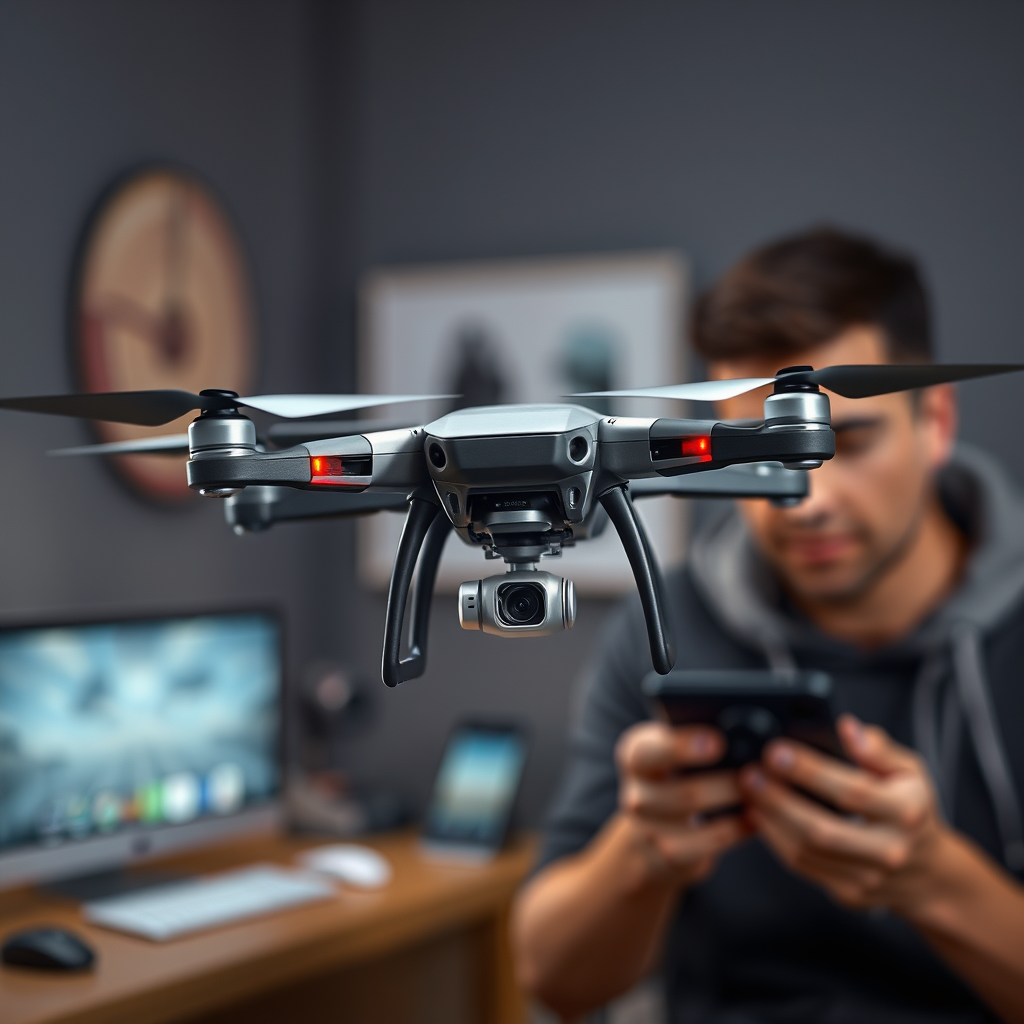
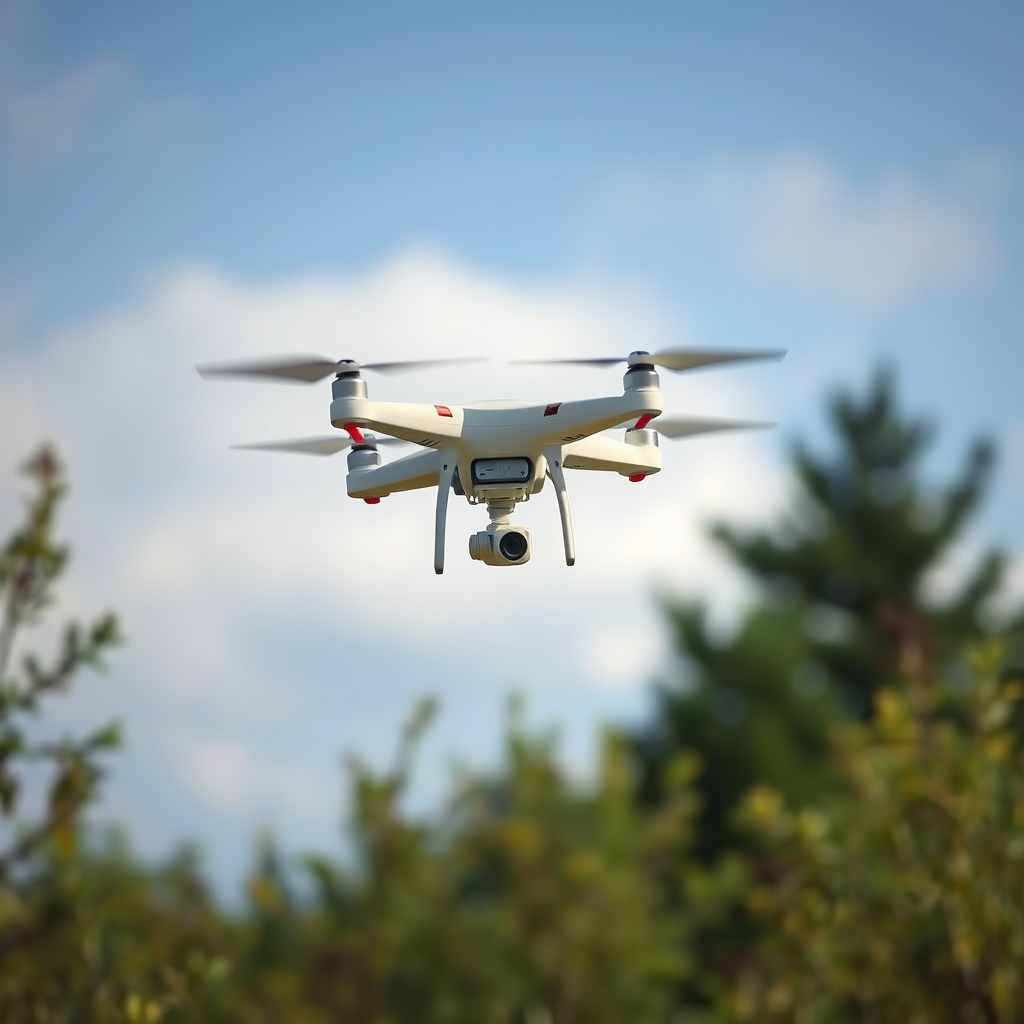
Yes, you can shoot drones under specific circumstances, but it is generally illegal and highly discouraged due to potential legal repercussions and safety risks. The act of shooting down a drone can lead to severe legal consequences, including criminal charges and civil lawsuits. Furthermore, the safety risks associated with discharging a firearm, especially in populated areas, are significant. This article will explore the legal framework surrounding drone shooting, the safety concerns it raises, alternative actions to consider, and how to protect your privacy in these situations.
Understanding Drone Regulations
The Federal Aviation Administration (FAA) has established clear regulations regarding drone usage in the United States. According to FAA guidelines, shooting down a drone is prohibited and is considered an act of destruction of property. Drones are classified as unmanned aerial vehicles (UAVs), and as such, they are protected under federal law. The FAA’s stance is that any interference with a drone’s operation can lead to severe penalties, including hefty fines.
In addition to federal regulations, local laws may vary significantly. Some states and municipalities have enacted their own drone laws, which may include specific rules about drone operation and the legality of shooting them down. For example, certain states have laws that explicitly prohibit the use of firearms to target drones, while others may have more lenient regulations. Therefore, it is crucial to understand the laws applicable in your area to avoid legal repercussions.
Legal Consequences of Shooting Drones
Engaging in the act of shooting a drone can result in numerous legal consequences. Primarily, individuals who shoot down drones may face criminal charges, which can include destruction of property or even reckless endangerment, depending on the circumstances surrounding the incident. For example, if a person discharges a firearm in a populated area, they could be charged with a felony, leading to possible imprisonment and fines.
Moreover, drone owners have the right to pursue civil lawsuits against individuals who damage their property. If a drone is shot down, the owner can seek compensation for the damages incurred, including the cost of replacing the drone and any associated losses, such as data stored on the device. This can lead to significant financial liability for the individual who took the drastic action of shooting the drone.
Safety Risks Involved
Shooting at a drone poses considerable safety risks, not only to the person firing the weapon but also to bystanders and property in the vicinity. Discharging a firearm is inherently dangerous, and the projectile can travel unpredictably, potentially causing injury or damage to unintended targets. If a drone is shot down mid-flight, it can fall from the sky, posing a risk to anyone nearby. For instance, there have been cases where drones have crashed onto buildings, vehicles, or even people, resulting in injuries or property damage.
Additionally, the use of firearms to address drone-related issues can escalate situations rapidly, leading to confrontations that may endanger public safety. In densely populated areas, the decisions made in the heat of the moment can have serious repercussions, making it imperative to consider the broader implications of such actions.
Alternatives to Shooting Drones
If you encounter a drone that is infringing on your privacy or causing concern, there are several legal and safer alternatives to consider rather than resorting to shooting. One effective approach is to contact local authorities, such as law enforcement or the local aviation authority. Many law enforcement agencies have protocols in place for dealing with drone-related issues, particularly those involving privacy invasion or illegal drone operations.
Another option is to invest in a personal drone detection system. These systems utilize various technologies to track and manage drone activity in your vicinity, allowing you to identify the drone’s location and potentially its operator. This information can be invaluable when reporting unauthorized drone usage to authorities.
How to Protect Your Privacy
Understanding your rights concerning drone surveillance is essential in protecting your privacy. Familiarize yourself with the laws in your state regarding drone operation, particularly those that pertain to privacy violations. In many cases, drones equipped with cameras may be in violation of privacy laws if they are capturing images or videos of individuals without consent.
To deter unwanted drone activity, consider implementing privacy measures around your property. This could include installing physical barriers such as fencing, planting trees, or using privacy screens that obstruct the view from above. Additionally, using reflective materials or drone-detection technology can help mitigate privacy concerns associated with drones operating in your area.
Reporting Drone Violations
It is important to know the appropriate channels for reporting unauthorized drone usage. When you encounter a drone that you believe is operating illegally or invading your privacy, document the incident thoroughly. Take photos or videos of the drone, its operator if visible, and any potential violations, such as flying too close to your property or operating in restricted airspace.
Once you have gathered sufficient evidence, report the incident to the appropriate authorities. This may include local law enforcement, the FAA, or other relevant agencies. Reporting drone violations not only helps protect your rights but also contributes to the enforcement of regulations that govern drone operations in your area.
In conclusion, while the thought of shooting down a drone may seem tempting in certain situations, it is fraught with legal and safety issues. The risks of criminal charges, civil lawsuits, and potential safety hazards far outweigh any immediate satisfaction that may come from taking such action. Instead of taking drastic measures, consider legal alternatives to address your concerns and stay informed about the laws governing drone usage. By understanding your rights and utilizing appropriate channels for reporting violations, you can protect your privacy responsibly and effectively.
Frequently Asked Questions
Can I legally shoot down a drone flying over my property?
No, you cannot legally shoot down a drone just because it is flying over your property. In most jurisdictions, drones are considered aircraft, and shooting one down could result in serious legal consequences, including criminal charges. It is advisable to contact local law enforcement or report the drone to the appropriate authorities instead of taking matters into your own hands.
What should I do if a drone is hovering over my backyard?
If a drone is hovering over your backyard and you feel uncomfortable, the first step is to assess the situation calmly. Try to identify the drone’s operator, as they may be flying it for legitimate reasons. If you believe the drone poses a privacy threat or is being operated recklessly, document the incident and consider contacting local law enforcement or your local aviation authority to report the drone activity.
How can I legally prevent drones from flying over my property?
While you cannot completely prevent drones from flying over your property, you can take steps to minimize their presence. Consider installing privacy fences, planting tall trees, or using noise barriers. Additionally, familiarize yourself with local drone regulations and speak to your local authorities about any specific ordinances that might address drone operations in your area.
Why are drones allowed to fly in residential areas?
Drones are allowed to fly in residential areas because they are regulated by the Federal Aviation Administration (FAA) under specific guidelines. These regulations include restrictions on altitude, proximity to airports, and no-fly zones, but generally allow recreational and commercial drone use in populated areas as long as operators comply with the rules. This flexibility supports innovation and various applications such as photography, surveying, and emergency services.
What are the best practices for reporting a drone that is invading my privacy?
If you believe a drone is invading your privacy, the best practices for reporting it include documenting the incident with photos or videos, noting the time and location, and identifying any distinguishing features of the drone. After gathering this information, contact your local law enforcement or the FAA to report your concerns. Providing clear and concise details can help authorities take appropriate action regarding the potential violation of privacy laws.
References
- https://en.wikipedia.org/wiki/Drone#Legal_issues
- https://www.faa.gov/uas/resources/policies_regulations/
- https://www.faa.gov/uas/getting_started/
- https://www.theguardian.com/technology/2021/jun/23/drones-policies-regulations-what-you-need-to-know
- https://www.nytimes.com/2020/02/05/technology/drones-regulations.html
- https://www.ncbi.nlm.nih.gov/pmc/articles/PMC6580215/
