
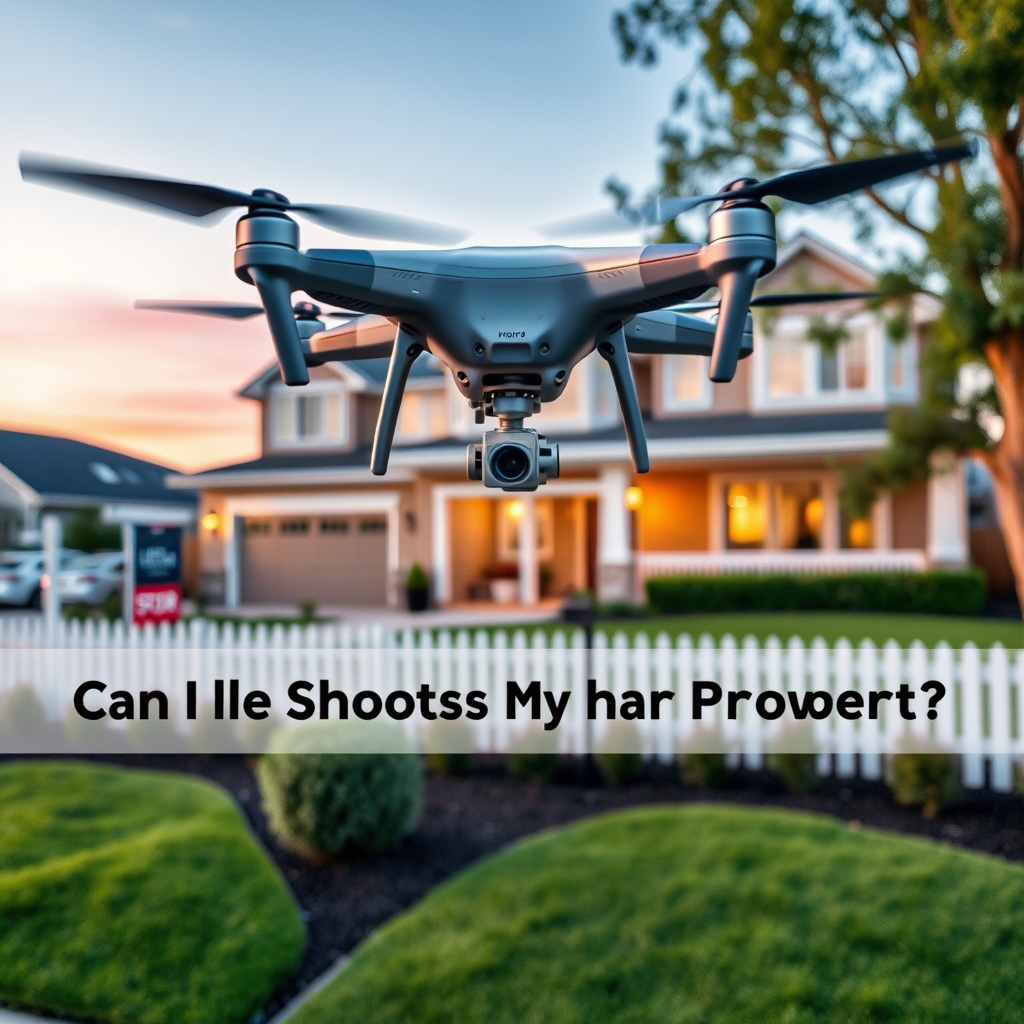
Yes, you can generally shoot drones over your property, but there are important legal and safety considerations to keep in mind. While property owners may feel justified in taking action against drones trespassing on their land, understanding the implications of such actions is crucial. This blog post will explore relevant drone regulations, property rights, safety concerns, and alternatives to shooting drones, ultimately guiding you on how to address this modern nuisance responsibly and legally.
Understanding Drone Regulations
Familiarizing yourself with Federal Aviation Administration (FAA) regulations is the first step in addressing drone activity over your property. The FAA governs airspace in the United States, and their regulations specify that drones are classified as aircraft. Hence, they are subject to the same airspace rules as traditional aircraft. Generally, the FAA prohibits individuals from using drones to interfere with manned aircraft operations, which can impact your rights as a property owner.
Moreover, different states may impose specific laws regarding drone usage and local interference. For instance, some states have enacted laws that protect individuals from drone surveillance or unauthorized data collection. Understanding these laws can help you navigate your rights more effectively. Before taking any action against a drone, it is essential to consult local legislation and FAA guidelines to ensure that you remain compliant with all applicable regulations.
Property Rights and Airspace
To understand your rights concerning drones over your property, it’s essential to grasp the concept of “navigable airspace.” This term typically refers to the airspace above a certain height, which the FAA regulates. Generally, property owners have rights to the airspace directly above their land but may not have complete control over higher altitudes, as this is considered navigable.
Additionally, the legal principles surrounding trespassing and property damage come into play. If a drone is flying at an altitude that is legally permissible and does not pose a direct threat, shooting it down could be considered an act of destruction. Such actions could lead to lawsuits or criminal charges against the shooter. Understanding these nuances is vital to ensure you do not inadvertently violate laws protecting drone operators or infringe upon their rights.
Safety Concerns
Safety is a paramount consideration when it comes to the use of drones. Taking drastic measures, such as shooting down a drone, poses significant risks, including the potential for injury to people on the ground or damage to nearby property. Drones can weigh several pounds, and when shot down, they can become unpredictable projectiles that may cause unintended harm.
Furthermore, there are potential legal repercussions to consider. If a drone operator is injured or if their drone damages property as a result of your actions, you may find yourself facing civil lawsuits or criminal charges. It is essential to assess the situation carefully and consider the safety of yourself and others before deciding on a course of action.
Alternatives to Shooting Drones
Before resorting to drastic measures, exploring non-lethal methods to deter drones is advisable. For example, using a signal jammer, where legal, can disrupt the communication between a drone and its operator, effectively grounding it without causing physical harm. However, it is crucial to be aware that jamming signals is illegal in many jurisdictions, so always verify local laws before proceeding with this option.
Another alternative is to contact local authorities or the drone operator directly if the drone becomes a nuisance. Many drone operators may not be aware of the disturbances their devices cause. Open communication can often resolve issues without escalating to confrontations. Additionally, local law enforcement may provide guidance on how to handle persistent drone activity legally.
Neighbor Relations and Communication
Engaging with neighbors about any drone concerns is essential for maintaining healthy relationships within your community. Before taking any drastic actions, it’s advisable to open a dialogue about your concerns regarding drone activity. This approach can foster understanding and may lead to cooperative solutions.
When discussing drone-related issues, focus on specific incidents and how they have affected your property or quality of life. An amicable conversation can often lead to a resolution that respects the rights of both parties. Building good neighbor relations is particularly beneficial in resolving ongoing disputes and can lead to a more peaceful coexistence.
Reporting Drones to Authorities
If you encounter illegal or unsafe drone activity, knowing how to report it to local authorities is essential. Many municipalities have established protocols for reporting drone incidents, typically through local law enforcement or aviation authorities. When reporting, be prepared to provide details such as the drone’s appearance, behavior, and any relevant incidents that prompted your concern.
Documenting incidents is also crucial for legal purposes. Keeping a record of drone activity, including photographs or videos, can provide evidence should a dispute arise. This documentation can be invaluable if legal action is necessary or if you need to escalate the issue with local authorities.
In conclusion, while you may have the right to shoot drones over your property, it’s vital to weigh the legal, safety, and relational implications carefully. Understanding FAA regulations, property rights, and safety concerns can guide your decision-making process. Always consider safer alternatives, engage in open communication with neighbors, and report any concerning drone activity to the appropriate authorities. By taking informed and responsible actions, you can address drone-related issues without compromising your legal standing or community relationships.
Frequently Asked Questions
Can I fly a drone over my property without restrictions?
Yes, you can generally fly a drone over your own property, provided you adhere to local laws and regulations. However, it’s essential to familiarize yourself with the Federal Aviation Administration (FAA) rules that govern drone usage, such as maintaining a line of sight and altitude restrictions. Additionally, check for any local ordinances that may impose further limitations on drone flights.
What are the legal implications of shooting drones over my property?
While you have the right to fly drones over your property, you must respect the privacy of your neighbors and comply with local laws. In some areas, laws may prohibit flights that invade privacy or cause disturbances. It is vital to understand that while you own the airspace above your property, there are regulations that govern how drones can be operated, especially in relation to public safety and privacy.
How can I ensure safe drone operation over my property?
To ensure safe drone operation over your property, first, register your drone with the FAA if it weighs over 0.55 pounds. Always conduct a pre-flight checklist, check the weather conditions, and avoid flying near airports or crowded areas. Additionally, consider using drone software that provides real-time airspace updates to help you avoid restricted zones and ensure compliance with all regulations.
Why should I consider getting liability insurance for flying drones on my property?
Obtaining liability insurance for your drone operations is crucial as it protects you from potential legal claims resulting from accidents or damage caused by your drone. While you may have the right to fly over your property, unexpected incidents can occur, and having insurance can cover costs related to property damage or personal injury. This is especially important if you plan to use your drone for commercial purposes or if you frequently fly near the boundaries of your property.
Which drone regulations should I be aware of when flying over private property?
When flying drones over private property, you should be aware of regulations set by the FAA, which include maintaining a maximum altitude of 400 feet and not flying over people without a waiver. Additionally, familiarize yourself with the laws addressing privacy concerns, as capturing images or videos of individuals without their consent may lead to legal ramifications. Always stay informed about state and local drone laws to ensure responsible usage and compliance.
References
- https://www.faa.gov/uas/getting_started/part_107
- https://www.theverge.com/2021/4/22/22396967/drone-regulations-ownership-rights-faa
- https://www.bbc.com/news/technology-51424287
- https://www.nolo.com/legal-encyclopedia/drone-law-your-rights-property-29963.html
- https://www.eff.org/deeplinks/2019/01/faq-drone-law-and-privacy-rights
- https://www.ncsl.org/research/transportation/drone-laws.aspx
- https://www.rcgroups.com/forums/showthread.php?2807915-Drone-Laws-in-the-US-What-You-Need-to-Know
- https://www.nytimes.com/2020/01/02/us/drone-laws.html
