
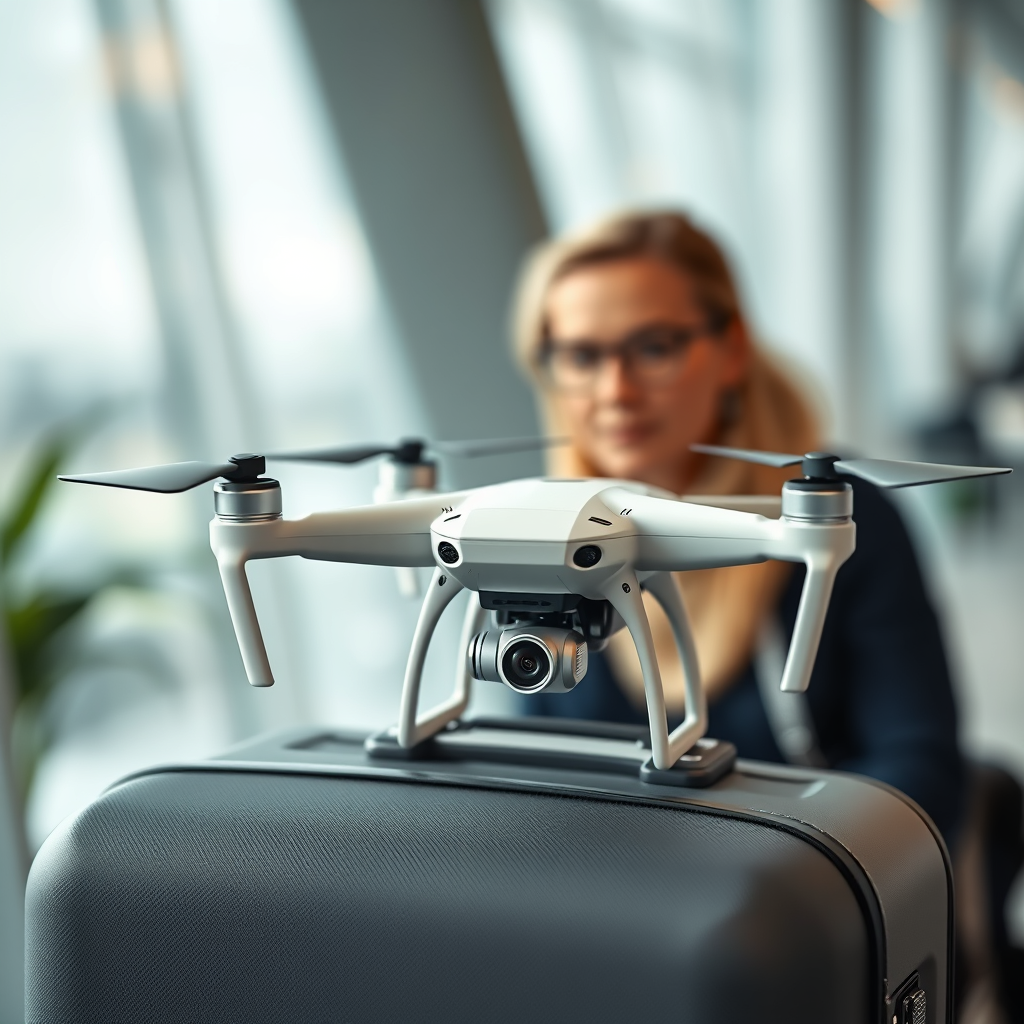
Yes, you can generally take a drone in your hand luggage when flying, but there are specific regulations and guidelines you should follow based on airline policies and security regulations. Understanding these rules is crucial to ensure a smooth travel experience with your drone, as failing to adhere to them could lead to delays or confiscation of your equipment.
Understanding Airline Policies
When it comes to traveling with a drone, it is essential to recognize that different airlines have varying regulations regarding the transport of drones in hand luggage. Most major airlines allow drones as part of carry-on luggage, but they may have specific restrictions regarding size and weight. For instance, while some airlines may permit drones weighing up to 10 kilograms, others may impose stricter limitations. Additionally, certain airlines may require that drones be stored in a specific type of case or bag. Therefore, it is advisable to check the official website of your airline or contact their customer service department before your flight to confirm their specific rules. Doing so can help you avoid any surprises at the airport and ensure compliance with their requirements.
Security Regulations at Airports
Drones, like any other electronic device, must pass through security screening at airports. This means that you should expect to remove your drone from its case for inspection at security checkpoints. Security personnel are trained to identify electronic devices, and your drone may need to be inspected closely to ensure it does not pose a security threat. To facilitate a smooth screening process, it is wise to arrive at the airport early, allowing ample time for security checks. Moreover, keeping your drone easily accessible in your carry-on luggage can expedite this process, reducing your overall stress while traveling.
Battery Restrictions
One of the most critical aspects of flying with a drone is understanding battery restrictions. Most consumer drones use lithium batteries, which are subject to specific capacity limits for carry-on luggage. Generally, batteries must be rated at under 100 watt-hours (Wh) to be allowed in hand luggage. In cases where your drone’s battery exceeds this limit, you may need to consider alternative arrangements, such as shipping the battery separately or checking it as part of your luggage. Additionally, it is vital to ensure that batteries are stored properly to avoid short-circuiting during the flight. This can be accomplished by using battery cases that comply with airline safety regulations and by ensuring that battery terminals are covered.
Packaging and Protection
Protecting your drone during travel is paramount, especially considering the fragility of components such as camera gimbals and propellers. Using a sturdy, padded case designed specifically for drones can provide the necessary protection against drops and impacts. Some manufacturers offer hard-shell cases that are not only lightweight but also ensure that your drone is secure during transport. Additionally, consider using foam padding or bubble wrap around delicate parts to prevent any potential damage. Taking these precautions can significantly reduce the likelihood of expensive repairs or the need for replacement parts upon your arrival at your destination.
International Travel Considerations
Traveling internationally with a drone introduces additional complexities, as regulations can vary significantly between countries. Some nations may have stringent laws regarding drone use, including restrictions on flying in certain areas or outright bans on civilian drones. Before traveling, it is crucial to research the drone laws of your destination country. Websites of aviation authorities or drone enthusiast communities can provide valuable insights into these regulations. Furthermore, be aware that some countries may require special permits to operate drones, especially in populated areas or natural reserves. Failure to comply with local drone regulations can result in fines or confiscation of your equipment, so it is essential to stay informed.
Potential Fees and Charges
While many airlines allow drones in hand luggage, they may impose fees for carrying them, particularly if they exceed size limits or weight restrictions. It is wise to be aware of your airline’s baggage policies concerning carry-on items, as some might consider a drone to be oversized luggage. Moreover, if your drone case is particularly large, you might incur additional charges for excess baggage. To avoid unexpected costs, review your airline’s fee structure thoroughly and consider weighing your luggage prior to arriving at the airport. This proactive approach can help you manage your travel budget more effectively.
Alternatives to Hand Luggage
If you find that hand luggage restrictions are too limiting for your drone, checking it as part of your luggage may be a viable alternative. However, keep in mind the added risk of damage or loss when checking valuable equipment. If you decide to check your drone, ensure that it is securely packed and cushioned within a high-quality hard case designed for shipping. Label your case with your contact information and consider purchasing additional insurance for your drone, as this can provide peace of mind during your travels. While checking your drone might seem convenient, always weigh the risks against the convenience to make an informed decision.
In summary, while you can take a drone in your hand luggage, it is vital to be informed about airline policies, security regulations, and battery restrictions. Always double-check the specific requirements for your flight and destination to ensure a hassle-free journey with your drone. By following these guidelines and preparing adequately for your trip, you can enjoy the experience of capturing stunning aerial photography and videography without unnecessary complications.
Frequently Asked Questions
Can I take a drone in hand luggage on a plane?
Yes, you can typically take a drone in hand luggage when flying, but it’s crucial to check the airline’s specific policies and guidelines. Many airlines allow drones as carry-on items, provided they adhere to size and weight restrictions. Additionally, ensure that the drone’s batteries are properly packed, as many airlines have regulations regarding lithium batteries.
What are the regulations for carrying a drone in hand luggage internationally?
When traveling internationally with a drone in hand luggage, regulations can vary by country. It’s essential to research both the departure and destination country’s rules regarding drone transport and usage. Some countries may require registration, while others might have restrictions on drone types or even prohibit them altogether, so always check local laws before traveling.
How should I pack my drone for hand luggage to ensure safety?
To safely pack your drone in hand luggage, use a protective case or padded bag that fits within the airline’s carry-on dimensions. Remove any propellers and secure loose parts to prevent damage during transit. Additionally, ensure that the drone’s batteries are stored according to airline regulations, often in a fireproof bag, and keep them within the allowed watt-hour limits.
Why do airlines have restrictions on drones in hand luggage?
Airlines impose restrictions on drones in hand luggage primarily for safety reasons. Drones contain lithium batteries, which can pose a fire hazard if damaged or improperly stored. Additionally, airlines aim to minimize the potential for disruptive behavior or security issues that could arise from unregulated drone usage onboard their flights.
Which drone models are generally allowed in hand luggage?
Most consumer-grade drones, such as DJI Mavic and Phantom series, are generally allowed in hand luggage, but specific models may be subject to certain restrictions based on battery size and weight. It’s best to consult the airline’s policies regarding drones to confirm if your specific model is permitted. Always ensure that your drone complies with both airline and destination country regulations for a hassle-free travel experience.
References
- https://www.faa.gov/uas/travel/
- https://www.caa.co.uk/Consumers/Unmanned-aircraft/Traveling-with-drones/
- https://www.tsa.gov/travel/security-screening/drones
- https://www.nytimes.com/2019/07/15/travel/drone-airline-check-in.html
- https://www.theguardian.com/travel/2019/aug/23/drone-vacation-what-you-need-to-know
- https://www.wired.com/story/faq-drone-carry-on-baggage/
- https://www.transportation.gov/individuals/aviation-consumer-protection/airline-complaints-and-issues/drone-travel
- https://www.abc.net.au/news/2018-11-01/drones-on-planes-what-you-need-to-know/10376684
