
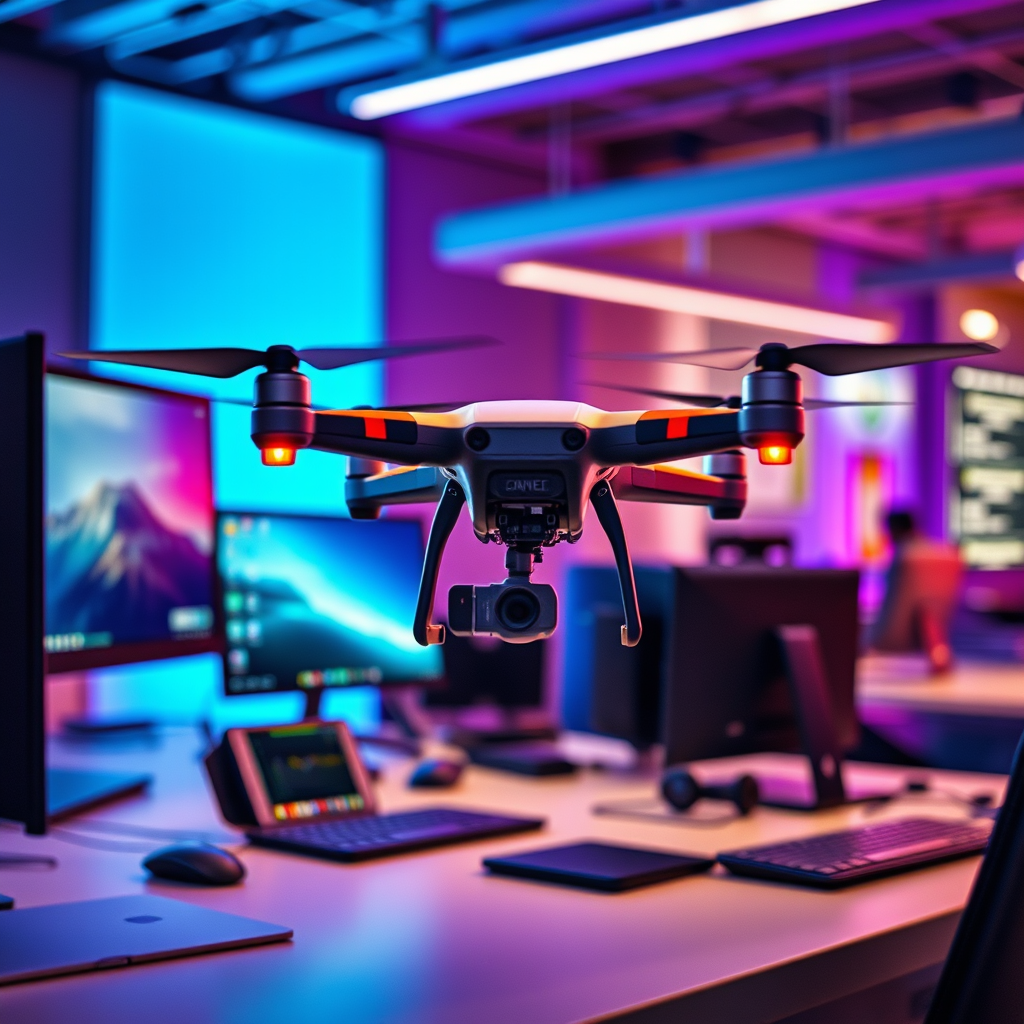
Yes, you can take a small drone on an airplane, but there are specific regulations and guidelines you must follow. Understanding airline policies and security measures is essential to ensure a smooth travel experience with your drone. As drones become increasingly popular for both recreational and professional use, travelers need to familiarize themselves with the rules that govern their transport. This article delves into the regulations and best practices for traveling with a small drone, ensuring you can capture the skies wherever your journey takes you.
Airline Policies on Drones
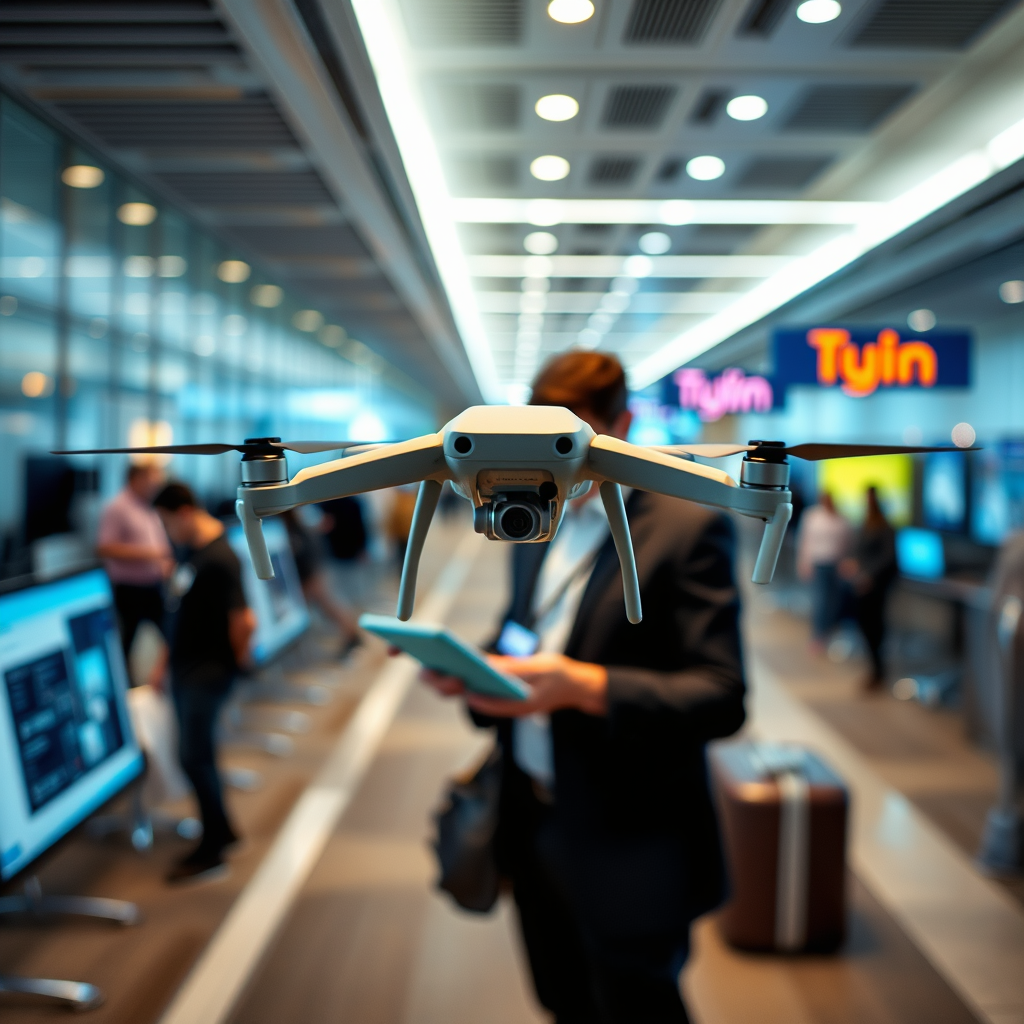
When planning to travel with a small drone, it is crucial to check the specific policies of the airline you will be flying with. Different airlines have varying rules regarding the transport of drones, and these regulations can change based on safety assessments, aircraft type, and other factors. For instance, some airlines may allow drones as carry-on items while others might require them to be checked in. Additionally, size and weight limitations may apply, impacting whether you can carry your drone in the cabin or if it needs to go in the hold.
For example, major airlines like American Airlines, Delta, and United typically permit small drones to be carried on board as long as they fit within the dimensions of standard carry-on luggage. However, always verify with your airline prior to departure, as failing to comply with their specific regulations could result in delays or denied boarding.
TSA Regulations for Drones
In the United States, the Transportation Security Administration (TSA) allows travelers to bring drones in their carry-on luggage. However, it is important to note that all items, including drones, must undergo security screening. Be prepared to remove your drone from its case for security checks, similar to how you would handle a laptop or larger electronic device. This process may involve placing your drone on the conveyor belt for X-ray scanning.
It’s wise to pack your drone in an organized manner to facilitate this security process. Ensure that any additional components—such as controllers and batteries—are easily accessible. While TSA regulations are relatively straightforward, be aware that international security agencies may have different procedures, so stay informed about the regulations at your point of departure as well as your destination.
Packing Your Drone for Air Travel
Proper packing is vital to protecting your drone from damage during air travel. Use a padded case specifically designed for drones to cushion against impacts during transit. High-quality cases not only offer protection but often include compartments for batteries, controllers, and accessories, ensuring everything is organized and secure.
When it comes to batteries, special care is required due to their classification as hazardous materials. Lithium batteries, commonly used in drones, have specific transport regulations. Generally, if your drone’s batteries are over 100 watt-hours, they need to be transported in your carry-on luggage, and you may be limited to a maximum number of batteries. Make sure to check the watt-hour rating on your batteries and ensure they are stored in accordance with airline policies. It is advisable to carry your batteries in their original packaging or in a fireproof bag designed for transporting lithium batteries.
International Travel Considerations
Traveling internationally with a drone adds an additional layer of complexity, as drone regulations vary widely from country to country. Before you embark on your journey, research the specific drone laws and regulations of your destination. Some countries may have strict rules regarding drone usage, including registration requirements, permits, or even complete bans on flying drones in certain areas.
For instance, countries like Canada have specific regulations that require drone operators to register their drones and obtain a certificate before flying. Meanwhile, countries such as Japan and Australia have stringent restrictions that could involve hefty fines for non-compliance. Familiarize yourself with local laws and obtain any necessary permits well in advance of your travel, as ignorance of the law is often not accepted as a valid excuse.
Tips for Flying with a Drone
To ensure a seamless experience when flying with your drone, consider these practical tips:
1. Arrive Early: Airports can be unpredictable, and security checks may take longer than expected, especially if you are traveling with additional equipment. Arriving early allows you to navigate potential delays without the stress of rushing to your gate.
2. Organize Documentation: Keep important documents, such as registration, insurance, and any relevant permits, easily accessible. This can expedite the security process and provide clarity if questions arise regarding your drone.
3. Stay Informed: Regularly check for updates on both airline policies and TSA regulations. As drone usage evolves, both agencies may adjust their policies based on safety concerns and technological advancements.
4. Engage with Local Communities: If you’re traveling to a new area, consider reaching out to local drone enthusiasts or communities. They can provide insights on the best places to fly and any region-specific regulations that may not be widely known.
Common Questions About Drones on Airplanes
As with any emerging technology, travelers have numerous questions about flying with drones on airplanes. Some frequently asked questions include:
– Can I fly my drone upon arrival?: This depends on local regulations and the specific area where you arrive. Always check local laws before attempting to fly your drone in a new location.
– Are there age restrictions for carrying drones?: While airlines and TSA do not typically impose age restrictions on carrying drones, local laws may vary. Always check the regulations of the country or state you are visiting.
– What should I do if my drone is confiscated?: If your drone is confiscated during security screening, remain calm and ask for clarification on the reason. It may be possible to retrieve your drone depending on the situation, but cooperation with security personnel is essential.
– What if I encounter issues during travel?: Keep the contact information of your airline and local authorities handy. If you face challenges, reaching out to them promptly can help resolve issues more effectively.
In conclusion, while taking a small drone on an airplane is generally permissible, it requires careful attention to airline and TSA guidelines. Being proactive in understanding and complying with regulations will help ensure a hassle-free journey with your drone. By planning ahead, packing smartly, and staying informed about international laws, you can enjoy flying your drone in new and exciting locations around the world.
Frequently Asked Questions
Can I take a small drone on an airplane as carry-on luggage?
Yes, you can usually take a small drone on an airplane as carry-on luggage, but it’s important to check the airline’s specific policies regarding drones. Most airlines allow drones that are under the weight limit for carry-on items, but you may need to remove the drone from your bag during security screening. Ensure that the drone’s batteries are properly stored, as many airlines have restrictions on lithium batteries.
What are the regulations for flying a drone at my destination after flying with it?
Regulations for flying a drone vary by country and sometimes by region, so it’s crucial to research the local laws of your destination before flying. Some places require registration, permits, or adherence to specific altitude limits. Always check with local aviation authorities or drone user groups to ensure compliance with all applicable rules to avoid fines or confiscation of your drone.
How do I pack my drone for air travel to avoid damage?
To pack your drone safely for air travel, use a padded carrying case specifically designed for drones. Remove any detachable parts, such as propellers, and pack them separately to prevent damage. Additionally, ensure that the drone’s battery is stored according to airline regulations, often in its original packaging or a protective case, to avoid short-circuiting.
Why are there restrictions on carrying drones in checked luggage?
Restrictions on carrying drones in checked luggage primarily stem from safety concerns related to lithium batteries. Lithium batteries pose a fire risk if damaged, and airlines aim to minimize hazards in the cargo hold. Additionally, drones may be considered valuable items that could be more susceptible to theft or damage if placed in checked luggage.
Which airlines have specific policies regarding traveling with drones?
Major airlines like Delta, American Airlines, and United have specific policies about traveling with drones, typically allowing them as carry-on luggage. However, policies can vary significantly between airlines, so it’s essential to check the carrier’s website or contact customer service for the latest guidelines. Additionally, consider looking for travel forums or drone enthusiast groups for shared experiences and tips regarding specific airlines.
References
- https://www.faa.gov/uas/travel
- https://www.tsa.gov/travel/security-screening/whatcanibring/drones
- https://www.faa.gov/uas/getting_started/registration
- https://www.nytimes.com/2020/01/07/travel/drones-airline-security.html
- https://www.bbc.com/news/technology-44231570
- https://www.wired.com/story/faa-drone-transportation-regulations/
- https://www.nas.gov/aircraft/faq/drone-use-on-aircraft/
- https://www.dji.com/faa-regulations
