
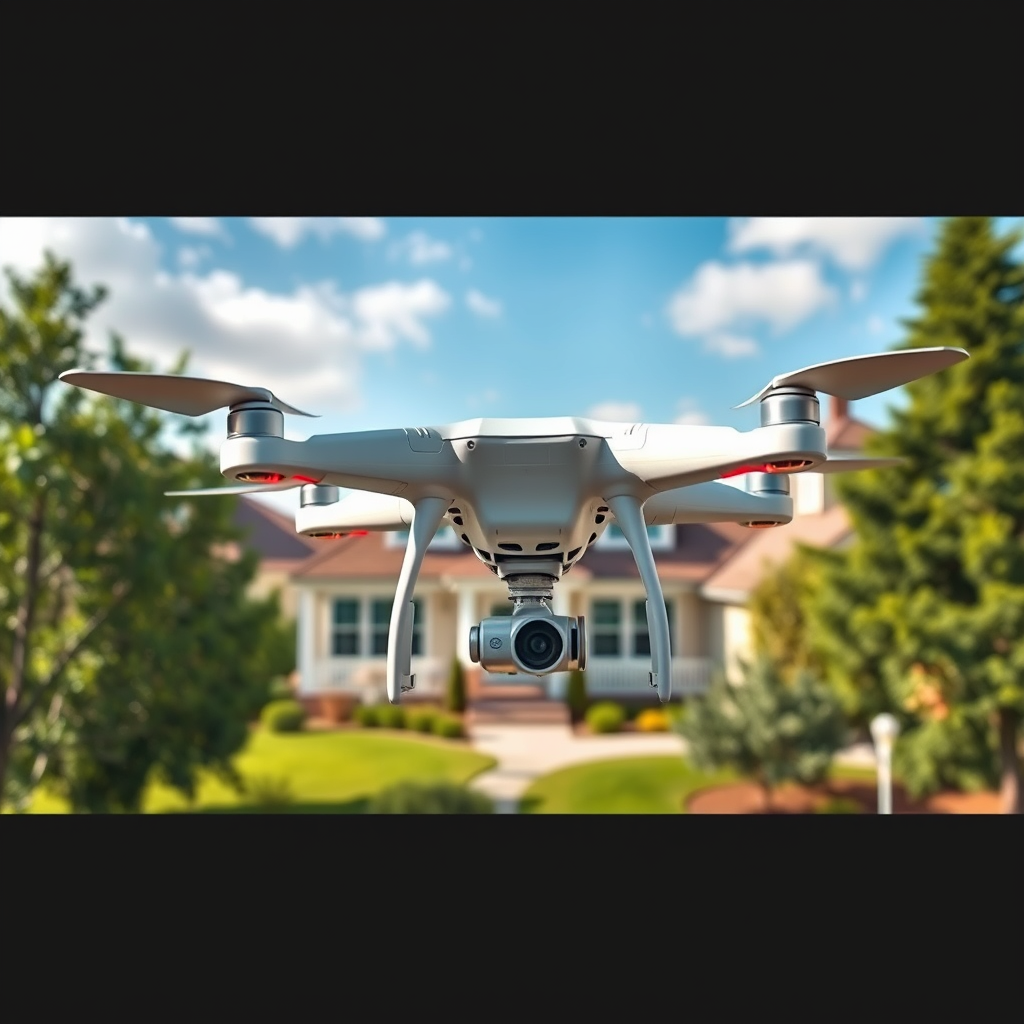
Yes, you can take down a drone over your property, but it is subject to legal restrictions and potential consequences. Before taking any action, it is vital to understand your rights as a property owner and the specific laws governing drone usage in your area. This understanding will help you navigate the complexities of property rights and federal regulations, ensuring you make informed decisions that respect both your privacy and the law.
Understanding Your Rights as a Property Owner
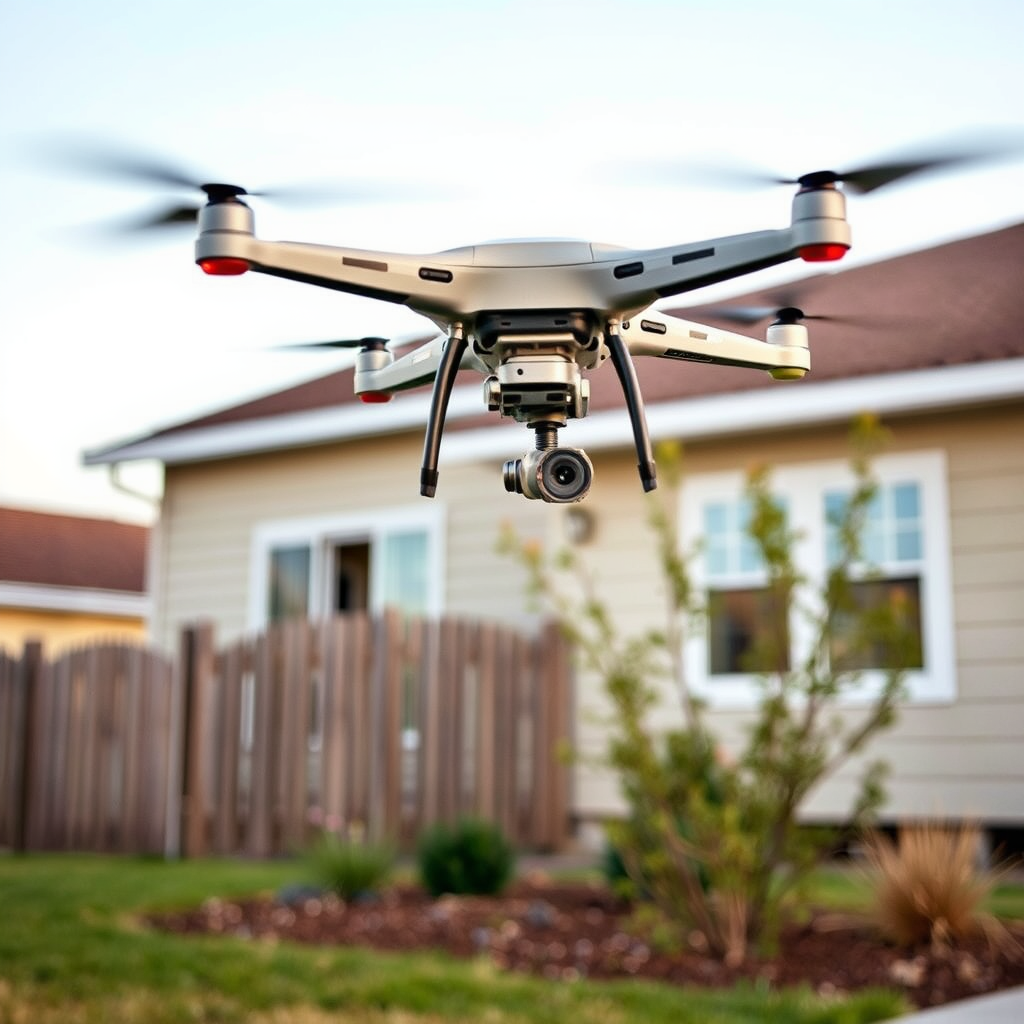
As a property owner, your rights extend vertically, encompassing the airspace above your land. However, this control is not absolute; local laws and federal regulations govern what actions you can take regarding drones. In general, property owners have some authority to prevent intrusions into their airspace, but this authority is limited by the Federal Aviation Administration (FAA) guidelines, which prioritize the use of airspace for aviation purposes.
For instance, many states have enacted laws that allow property owners to take specific actions against drones that invade their privacy, yet the details can vary significantly from one jurisdiction to another. It’s essential to research your local laws regarding drone usage to determine the extent of your rights. Some regions may have specific statutes addressing drone trespass or privacy invasion, while others might not address these issues at all. Consulting with local legal experts can help clarify your rights and the options available to you.
Legal Implications of Taking Down a Drone
While the urge to take down an intrusive drone can be strong, federal regulations, particularly those set forth by the FAA, strictly prohibit shooting down drones. Engaging in such an action could lead to severe legal repercussions, including hefty fines and potential criminal charges. The FAA has classified drones as aircraft, which means that any action taken against them could be viewed analogously to targeting a manned aircraft.
In addition to FAA regulations, there are also state and local laws that may impose additional restrictions on how you can respond to drones violating your privacy. For example, in some jurisdictions, using physical force against a drone, even if it is hovering over your property, could be classified as destruction of property. Legal precedents suggest that property owners should exercise caution and explore all legal avenues before taking any drastic measures.
Alternatives to Taking Down a Drone
If you find yourself dealing with a drone that is invading your privacy or causing distress, there are several alternatives to consider before resorting to drastic measures. One effective approach is to enhance your property’s privacy by using physical barriers or privacy screens that can obstruct the drone’s view. Fencing, tall shrubbery, or privacy screens can help mitigate the situation without confronting the drone directly.
Additionally, if the drone’s presence is intrusive or harassment is suspected, it may be beneficial to contact local authorities or law enforcement. Many police departments have protocols in place for dealing with drone-related disturbances and can assist in addressing the issue. Documenting the drone’s activities, including times, locations, and any disturbances caused, can also provide valuable evidence if you need to file a complaint.
Reporting Invasive Drones
If a drone is violating privacy or safety regulations, it is essential to report it to the appropriate authorities. Filing a complaint with the FAA is a crucial step, especially if the drone’s behavior poses a risk to safety or privacy. The FAA has established a process for reporting these incidents, which can lead to investigations and potential penalties for drone operators who violate regulations.
When preparing to file a complaint, be sure to document all evidence related to the drone’s activity. This could include photographs, videos, or written descriptions of the drone’s behavior and its impact on your property. Comprehensive documentation strengthens your case and assists authorities in understanding the severity of the situation.
Drone Technology and Detection
Understanding how drones operate can provide valuable insight into how to address issues related to their presence over your property. Drones are typically equipped with cameras and GPS technology, enabling them to fly autonomously or be controlled remotely. Their flight capabilities can vary widely, with some drones able to fly at significant altitudes or cover large distances.
To effectively manage the presence of drones, consider exploring technology options designed for detection. Various companies offer drone detection systems that can alert you to the presence of drones in your vicinity. These systems often use radar or radio frequency detection to identify drones and can help you monitor airspace over your property without resorting to invasive measures.
Legal Resources and Support
If you are facing persistent issues with drones over your property, consulting with an attorney who specializes in aviation or property law is advisable. A legal expert can provide personalized advice based on your specific situation and help you navigate the complexities of drone-related laws. They can also assist you in understanding the potential legal ramifications of any actions you may consider taking.
Additionally, researching local advocacy groups or online forums dedicated to drone issues can provide valuable support and resources. These communities often share experiences and strategies for dealing with drone-related disputes, and they can offer insights into local legislation that may impact your rights as a property owner.
In conclusion, while it’s possible to take action against a drone over your property, it’s crucial to understand the laws and potential consequences involved. Taking down a drone could lead to serious legal issues, making it essential to explore legal alternatives and engage with local authorities if your privacy is being violated. Understanding your rights and available resources can empower you to manage drone-related concerns effectively and protect your property without resorting to illegal actions.
Frequently Asked Questions
What are the laws regarding taking down a drone over my property?
The laws governing drone usage and the ability to take them down vary significantly by location. In the United States, the Federal Aviation Administration (FAA) regulates airspace, meaning that you generally cannot take down a drone simply because it is flying over your property. Instead, you should report any unauthorized drone activity to local law enforcement if you believe it poses a threat to your privacy or safety.
How can I legally protect my property from unwanted drones?
To legally protect your property from unwanted drones, you should start by familiarizing yourself with local laws regarding drone usage and privacy. You can also install privacy measures such as fencing or planting trees to deter drone surveillance. Additionally, if you frequently encounter disruptive drones, consider reporting incidents to local authorities or discussing your concerns with neighbors to find community solutions.
Why are drones flying over my property, and what can I do about it?
Drones may fly over your property for various reasons, including aerial photography, surveying land, or recreational use. If you feel uncomfortable with their presence, you can engage the drone operator directly if you can identify them, or you can contact local authorities to report suspected misuse of airspace. Understanding the reason behind their flight can help you address the situation more effectively.
What are the best ways to deter drones from flying over my property?
The best ways to deter drones include physical barriers like tall fences or trees that obstruct their flight path, as well as using signal jammers or anti-drone technology, where legal. Additionally, displaying signs indicating that you value your privacy can discourage drone operators from flying over your property. It’s important to note that while some deterrents may be effective, they must comply with local laws concerning drone technology.
Which agencies can I report invasive drone activity to?
If you encounter invasive drone activity, you can report it to several agencies depending on the nature of the issue. The Federal Aviation Administration (FAA) is responsible for regulating air traffic, including drones, and can investigate complaints regarding unsafe flying practices. Additionally, local law enforcement can assist if you feel threatened or believe your privacy is being violated. Always document the drone’s behavior and your interactions for more effective reporting.
References
- https://www.faa.gov/uas/
- https://www.nolo.com/legal-encyclopedia/can-i-shoot-down-drone-my-property-29763.html
- https://www.americanbar.org/groups/criminal_justice/publications/criminal-justice-section-archive/home/2018/winter/what-you-need-know-drones-and-property-rights/
- https://www.cato.org/publications/policy-analysis/what-should-drones-fly-should-they-be-allowed-your-property
- https://www.wired.com/story/can-you-shoot-down-a-drone/
- https://www.theguardian.com/technology/2017/nov/16/can-i-shoot-a-drone-over-my-property-rules-laws
- https://www.ncsl.org/research/telecommunications-and-information-technology/state-drone-laws.aspx
- https://www.nytimes.com/2021/04/01/us/drone-property-rights.html
