
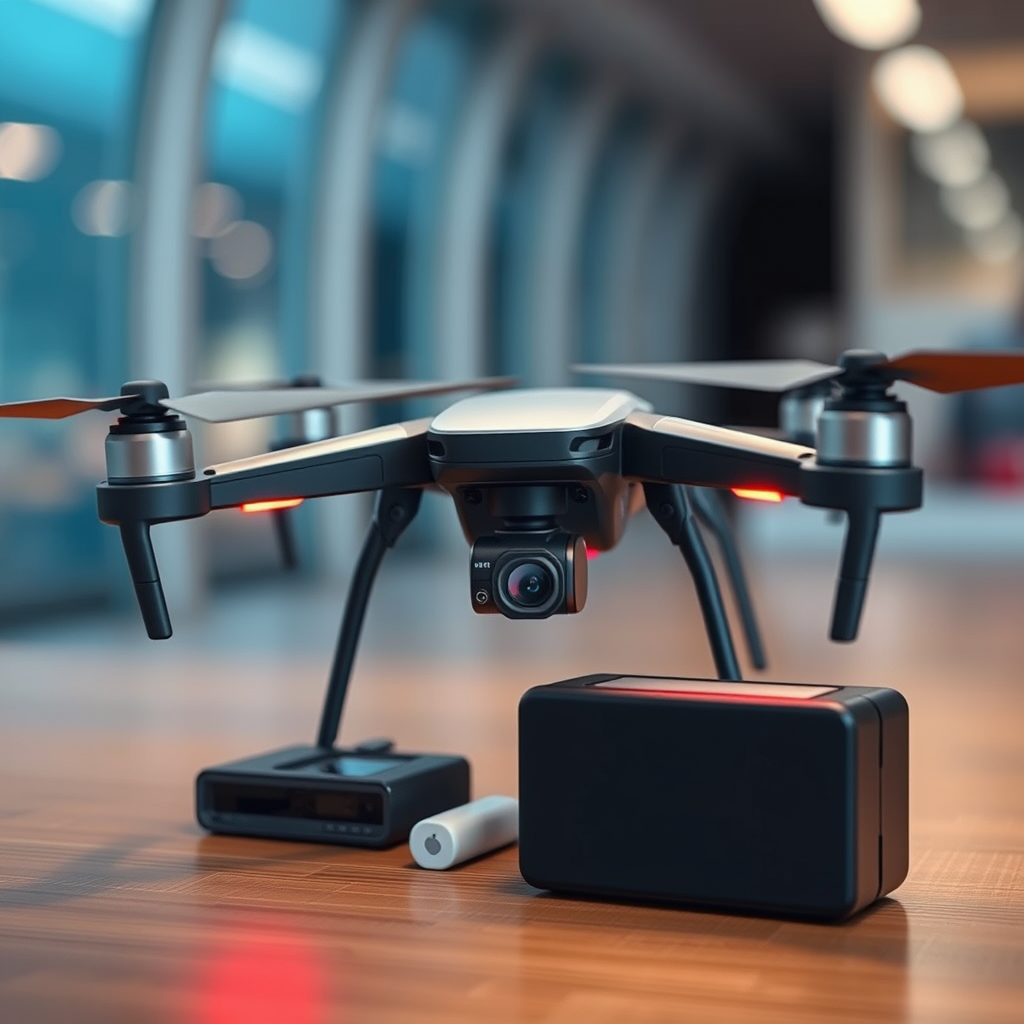
Yes, you can take drone batteries on a plane, but there are specific regulations and guidelines you must follow to ensure safety. Proper understanding of the rules governing the transport of lithium batteries is essential for a hassle-free travel experience. With the rise in popularity of drones for both recreational and professional use, knowing how to safely and legally transport their batteries is crucial for any drone enthusiast or operator.
Understanding Battery Types
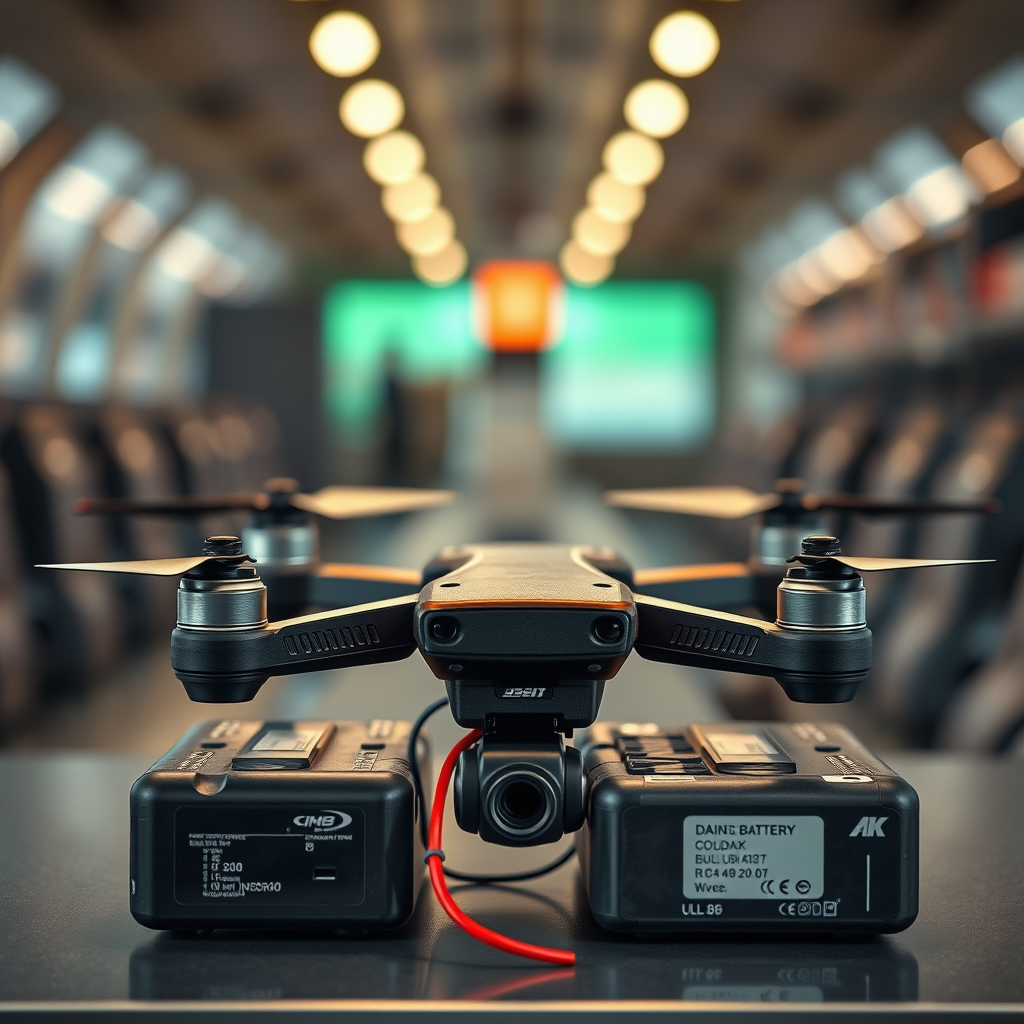
When it comes to drones, the most commonly used batteries are Lithium Polymer (LiPo) batteries. LiPo batteries are favored due to their lightweight nature and high energy density, which allows drones to achieve longer flight times. However, these batteries are subject to strict regulations due to their chemical composition and potential fire hazards.
The size and watt-hour (Wh) rating of the battery significantly influence how they can be transported on an airplane. Most airlines allow batteries under 100 Wh in carry-on luggage without prior approval, while batteries between 100 Wh and 160 Wh may require airline approval. Batteries exceeding 160 Wh are typically prohibited on passenger flights. For instance, a standard 3S LiPo battery rated at 11.1V and 2200mAh has a capacity of 24.42 Wh, easily fitting within the allowable limits for transport. Familiarizing yourself with these specifications is vital for compliance with airline and safety regulations.
Airline Regulations
Airlines have specific policies regarding the transport of drone batteries, which often vary by carrier. Most commonly, airlines impose limits on the number of batteries you can carry, typically allowing up to two spare batteries in your carry-on luggage. Some airlines may also restrict the total watt-hour capacity of batteries per passenger.
It is critical to check with your airline prior to your departure. For example, United Airlines and Delta Air Lines have clear guidelines on the transport of lithium batteries that travelers must adhere to. Failure to comply with these regulations can lead to delays at the airport or, in the worst case, confiscation of your batteries.
TSA Guidelines
The Transportation Security Administration (TSA) has established clear guidelines for bringing batteries on board U.S. flights. According to TSA regulations, all spare batteries must be kept in your carry-on luggage rather than checked baggage. This requirement stems from safety concerns regarding battery fires, which can be more easily managed in the cabin than in the cargo hold.
To further enhance safety, spare batteries should be protected from short-circuiting. Travelers are encouraged to use battery cases or cover terminals with tape to prevent accidental contact. Additionally, when traveling with multiple batteries, it’s advisable to keep them separate to minimize any risks. By adhering to TSA guidelines, passengers can ensure a smoother security process and reduce the likelihood of complications.
International Travel Considerations
When planning international travel with drone batteries, it is crucial to understand that regulations can vary significantly from one country to another. Some countries have stricter rules regarding battery capacity or even outright bans on certain types of lithium batteries. For example, Australia has specific regulations related to lithium-ion battery transport that differ from those in the U.S. or Europe.
Moreover, upon arrival in some countries, travelers may be required to declare their batteries at customs. Failing to comply with local regulations can lead to fines or confiscation of your equipment. Therefore, prior to traveling, it is advisable to research the regulations of your destination country thoroughly to avoid any surprises upon arrival.
Packing Tips for Travel
Proper packing is essential to ensure the safe transport of drone batteries. Using appropriate protective cases not only safeguards the batteries from physical damage but also helps in complying with airline regulations. Hard-shell cases that fit snugly around the batteries can prevent punctures or crush damage during transit.
Additionally, labeling your batteries clearly can help facilitate a smooth security check. Including documentation, such as proof of battery capacity or manufacturer specifications, may also be beneficial, particularly when traveling internationally. Travelers should also consider packing their drone and accessories in a well-organized manner to streamline the security inspection process.
What to Do at Security Checkpoints
At security checkpoints, be prepared for your batteries to be screened separately from your other luggage. TSA and airport security personnel may ask you to remove batteries from your bags for additional inspection, so it’s advisable to keep them easily accessible. Following all instructions from security personnel is crucial, as they are trained to handle potential hazards.
If you encounter questions or concerns from security staff regarding your batteries, having knowledge of the battery specifications and airline regulations can help ease the process. Remaining calm and cooperative can also facilitate a quicker resolution.
FAQs About Traveling with Drone Batteries
Many travelers have common questions about transporting drone batteries, particularly regarding capacity limits, handling damaged batteries, and emergency protocols. For instance, the general limit for lithium batteries on most airlines is 100 Wh without prior approval. If a battery is damaged, it’s crucial to avoid using it and instead contact the manufacturer for guidance on disposal or shipping.
In case of an emergency, such as a battery fire, knowledge of the safety procedures can be invaluable. Always have a fire extinguisher on hand when traveling with lithium batteries, and familiarize yourself with the procedure for notifying flight attendants in the event of an incident.
In conclusion, while you can take drone batteries on a plane, it is essential to familiarize yourself with the various regulations and guidelines to ensure a hassle-free journey. Understanding battery types, adhering to airline and TSA regulations, preparing for international travel considerations, and following packing and security checkpoint protocols will help ensure that you can enjoy your travel experience with your drone. Always stay informed about the rules and prepare adequately to avoid any potential complications.
Frequently Asked Questions
Can I take drone batteries on a plane in my carry-on luggage?
Yes, you can take drone batteries on a plane in your carry-on luggage, but there are specific regulations you need to follow. Most airlines allow lithium-ion batteries under a certain watt-hour rating (typically 100Wh) in carry-on bags, while larger batteries may require special handling. Always check with your airline before your flight for detailed guidelines on battery size and quantity.
How do I pack drone batteries for air travel?
To pack drone batteries for air travel, it’s essential to ensure they are stored safely to prevent short circuits. Use a protective case or battery bag designed for lithium batteries, and avoid direct contact with metal objects. Additionally, make sure the battery terminals are taped over, and keep the batteries at a charge level recommended by the manufacturer (usually around 30-50%).
Why can’t I check drone batteries in my suitcase?
Checking drone batteries in your suitcase is typically prohibited due to safety concerns, as lithium batteries pose a fire risk if they malfunction or are damaged. Airlines and regulatory agencies like the FAA prohibit lithium-ion batteries in checked baggage to prevent potential in-flight fires, making it essential to carry them onboard in your carry-on luggage.
What is the best way to transport drone batteries when flying internationally?
The best way to transport drone batteries when flying internationally is by adhering to both your departure and arrival country’s regulations. Always carry batteries in your hand luggage, ensure they are under the allowed watt-hour limit, and check international airline policies for any additional restrictions. Consider using a fireproof battery bag for extra safety during transport.
Which airline policies should I check for taking drone batteries on a plane?
When planning to take drone batteries on a plane, you should check the specific policies of your airline, as these can vary significantly. Look for information regarding battery watt-hour limits, the number of batteries allowed, and any packaging requirements. Additionally, review TSA guidelines and the regulations of the destination country’s aviation authority to ensure compliance with all safety standards.
References
- https://www.faa.gov/faq/drone-batteries-air-travel
- https://www.tsa.gov/travel/security-screening/whatcanibring/items/lithium-batteries
- https://www.nytimes.com/2018/02/01/business/lithium-batteries-airline-safety.html
- https://www.cdc.gov/nceh/airpollution/airline-batteries.htm
- https://www.faa.gov/newsroom/faa-issues-new-guidance-transporting-lithium-batteries-aircraft
- https://www.wired.com/story/lithium-battery-air-travel-rules/
- https://www.reuters.com/article/us-usa-transportation-batteries-idUSKCN1G60A0
- https://www.iata.org/en/pressroom/2022/releases/2022-03-29-01/
- https://www.faa.gov/uas/resources/uas_faqs/
