
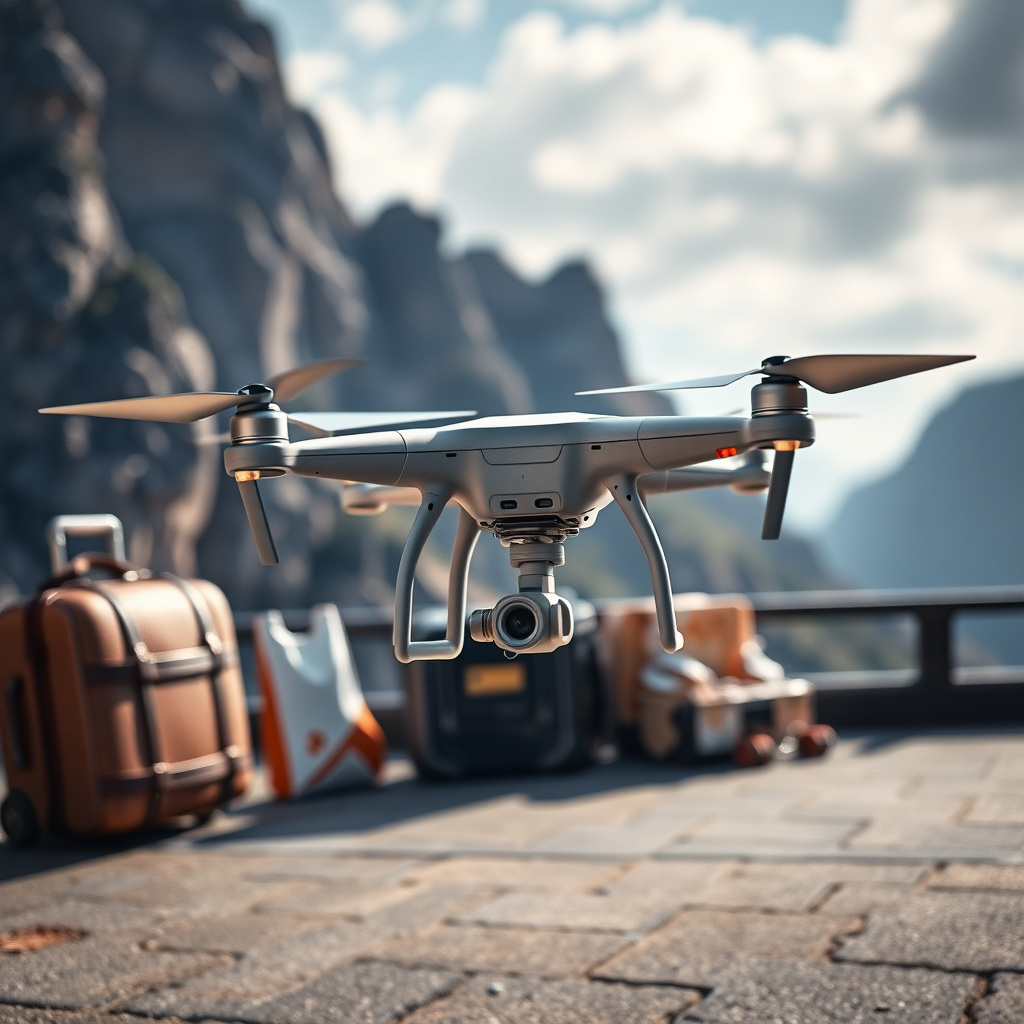
Yes, you can generally bring a drone on an international flight, but there are important regulations and restrictions that vary by country. It’s crucial to understand the rules of both your departure and arrival locations, as well as the airline’s policies. Navigating these regulations can be complex, but with the right knowledge and preparation, you can ensure that your drone travels safely alongside you.
Understanding Airline Policies
When planning to travel with a drone, it is essential to start by reviewing the specific policies of the airline you will be flying with. Each airline has its own regulations regarding the transport of drones, which can include size restrictions, weight limits, and specific packing procedures. For example, some airlines might require that drones be stored in a hard case, while others may allow them to be packed in soft cases.
Another critical factor to consider is the drone’s battery. Lithium batteries, which are commonly used in drones, have specific restrictions regarding their size and quantity. Most airlines require that drone batteries be carried in your carry-on luggage rather than checked baggage to prevent potential fire hazards. Typically, batteries exceeding 100 watt-hours (Wh) may be prohibited, and travelers should check the watt-hour rating on their batteries before departure. Furthermore, airlines like Delta and American Airlines provide detailed guidelines about battery transport, which can serve as a valuable reference for travelers.
International Regulations for Drones
Drone regulations differ significantly from one country to another, making it crucial for travelers to familiarize themselves with the local laws of their destination. For instance, countries like Canada and the United Kingdom have stringent regulations that require drone operators to register their drones and obtain permits, especially for commercial use. Failing to comply with these regulations can result in hefty fines or even the confiscation of your drone.
In addition to registration, some countries have designated no-fly zones where drone operation is strictly prohibited, such as near airports, military installations, or national parks. It is advisable to use apps like AirMap or UAV Forecast, which provide real-time information on airspace restrictions and weather conditions, helping drone enthusiasts plan their flights legally and safely.
Customs and Import Regulations
When traveling internationally with a drone, you must also consider customs regulations and the potential for inspections at your destination. Be prepared for customs checks upon arrival, as customs officials may want to verify the contents of your luggage. Having documentation such as proof of purchase, registration, and any necessary permits can facilitate this process and help avoid any misunderstandings.
Moreover, certain countries impose restrictions on the importation of drones, especially those that are considered advanced technology. For example, China has specific import regulations that require travelers to declare their drones upon entry. It’s essential to research and verify import regulations specific to your destination to prevent unexpected issues that could impede your travel plans.
Safety and Security Considerations
Drones can be perceived as security risks, especially in busy airports where safety protocols are paramount. Therefore, it is vital to ensure that your drone is packed securely to prevent damage during transit. Utilize protective cases that can withstand the rigors of travel, and consider disassembling parts of the drone, such as propellers, to minimize space and prevent breakage.
Additionally, keep your drone and batteries in easily accessible locations for security checks at the airport. This approach will not only expedite the screening process but will also reduce the likelihood of your items being flagged for further inspection. Being proactive in securing your equipment can lead to a more seamless travel experience.
Insurance and Liability Issues
Traveling with a drone, particularly internationally, raises important considerations regarding insurance and liability. It is advisable to purchase insurance that specifically covers drone use, especially if you plan to fly your drone while abroad. Many standard travel insurance policies do not cover drone-related incidents, so seeking a specialized policy can provide peace of mind.
Moreover, understanding your liability in case of accidents or damages is critical. If your drone were to cause injury or property damage while flying in a foreign country, you could face significant legal repercussions. Before you fly, familiarize yourself with local laws governing liability and insurance for drone operations to ensure you are adequately covered.
Tips for Traveling with a Drone
To enhance your travel experience with a drone, consider these practical tips. First and foremost, invest in a sturdy case designed for your drone model to protect it during transit. A well-padded, hard-shell case can prevent damage from impacts or rough handling by airport personnel.
Additionally, always check the latest travel advisories and drone regulations before your trip. Websites of local aviation authorities or travel advisory platforms can provide up-to-date information on any recent changes in regulations. Finally, engage with online communities or forums dedicated to drone enthusiasts. These platforms can offer valuable insights and tips from fellow travelers who have navigated similar experiences.
In conclusion, while it is possible to take a drone on an international flight, it requires careful planning and knowledge of regulations. By understanding airline policies, international drone regulations, customs requirements, and safety considerations, you can ensure a smoother journey with your drone. Always conduct thorough research and remain informed about the legal landscape to enjoy your drone adventures without unnecessary complications.
Frequently Asked Questions
What are the regulations for taking a drone on an international flight?
Regulations for taking a drone on international flights vary by airline and destination country. Generally, you must ensure that your drone complies with the safety and size requirements set by the airline, and it should be packed properly in your carry-on luggage. Additionally, you should check the specific drone laws of your destination, as some countries have strict regulations or may require permits for drone use.
How can I prepare my drone for international travel?
To prepare your drone for international travel, start by removing the batteries and storing them in a safe, approved container, as many airlines have restrictions on lithium batteries. Make sure your drone is clean and packed securely in a hard case or padded bag to prevent damage. Additionally, carry all necessary documentation, including proof of purchase and any permits needed for flying in your destination country.
Why do I need to check the drone laws of my destination country?
Checking the drone laws of your destination country is essential to avoid legal issues and possible confiscation of your drone. Different countries have varying regulations regarding drone usage, including restrictions on flying in certain areas, altitude limits, and registration requirements. Understanding these laws will ensure that you can enjoy flying your drone legally and safely while traveling.
Which airlines allow drones in carry-on luggage?
Most major airlines, such as American Airlines, Delta, and United, allow drones in carry-on luggage, but it’s crucial to check their specific policies before your flight. Some airlines may have restrictions on battery size and weight, while others might not allow drones in checked luggage. Always verify with the airline’s official website or customer service to ensure compliance with their guidelines.
What should I do if my drone gets damaged during international travel?
If your drone gets damaged during international travel, report the issue to your airline immediately, as they may have a claims process for damaged luggage. Document the damage with photos and keep all your boarding passes and baggage claim tickets. Depending on the airline’s policy, you may be eligible for compensation or reimbursement for repairs, so be prepared to provide documentation of the drone’s value and condition before travel.
References
- https://en.wikipedia.org/wiki/Drone_regulations
- https://www.faa.gov/uas/travel
- https://www.caa.co.uk/Consumers/Unmanned-aircraft/Travelling-with-drones/
- https://www.tsa.gov/travel/security-screening/whatcanibring/items/drone
- https://www.gov.uk/guidance/drone-insurance-and-using-drones-for-commercial-purposes
- https://www.nationalgeographic.com/science/article/what-you-need-to-know-about-flying-drones-in-other-countries
- https://www.traveldoc.aero/faq/drones-international-travel
- https://www.theguardian.com/travel/2021/jul/21/drones-international-travel-tips-and-rules
