
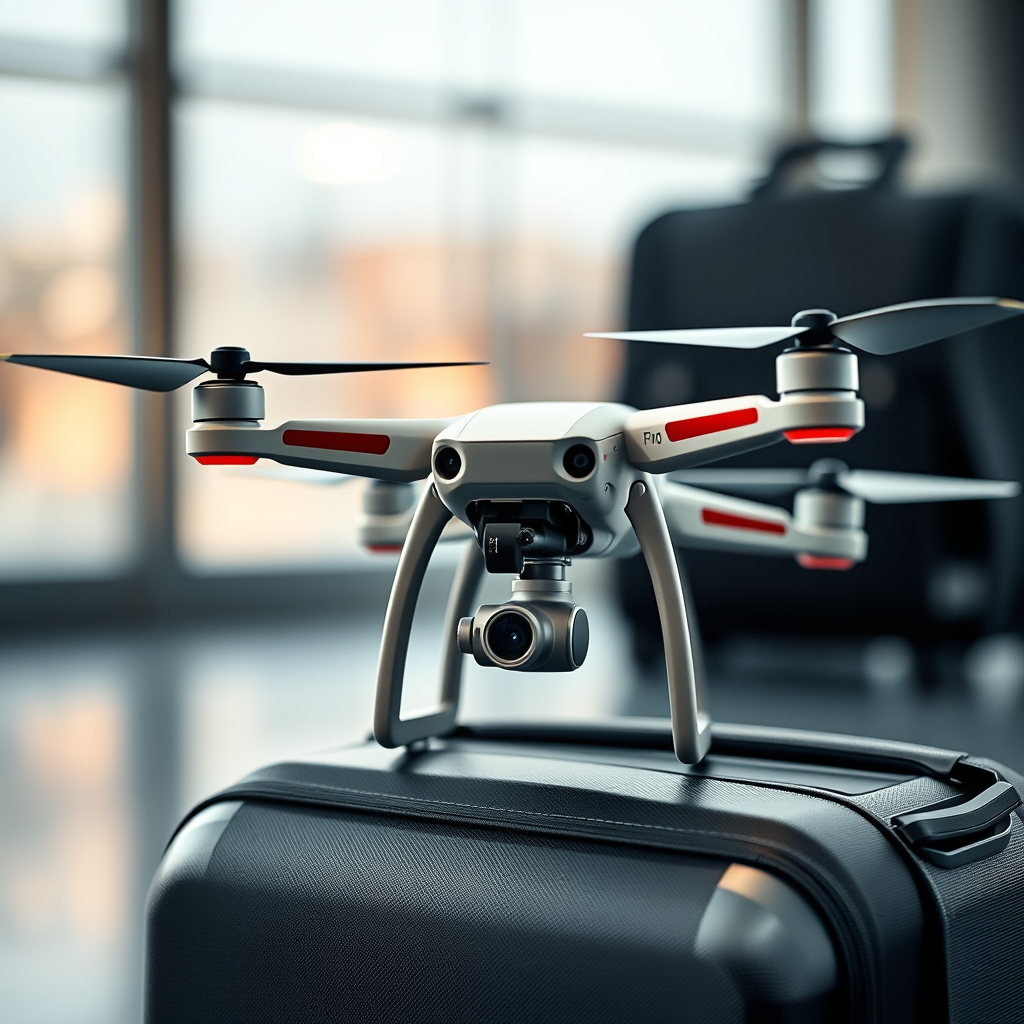
Yes, you can typically take your drone in hand luggage, but it’s important to check the specific airline and country regulations. While many airlines permit the transport of drones in carry-on bags, restrictions often apply, particularly concerning battery size and weight. Understanding these regulations is crucial to ensure you can travel with your drone without encountering issues at the airport or upon arrival at your destination.
Understanding Airline Regulations
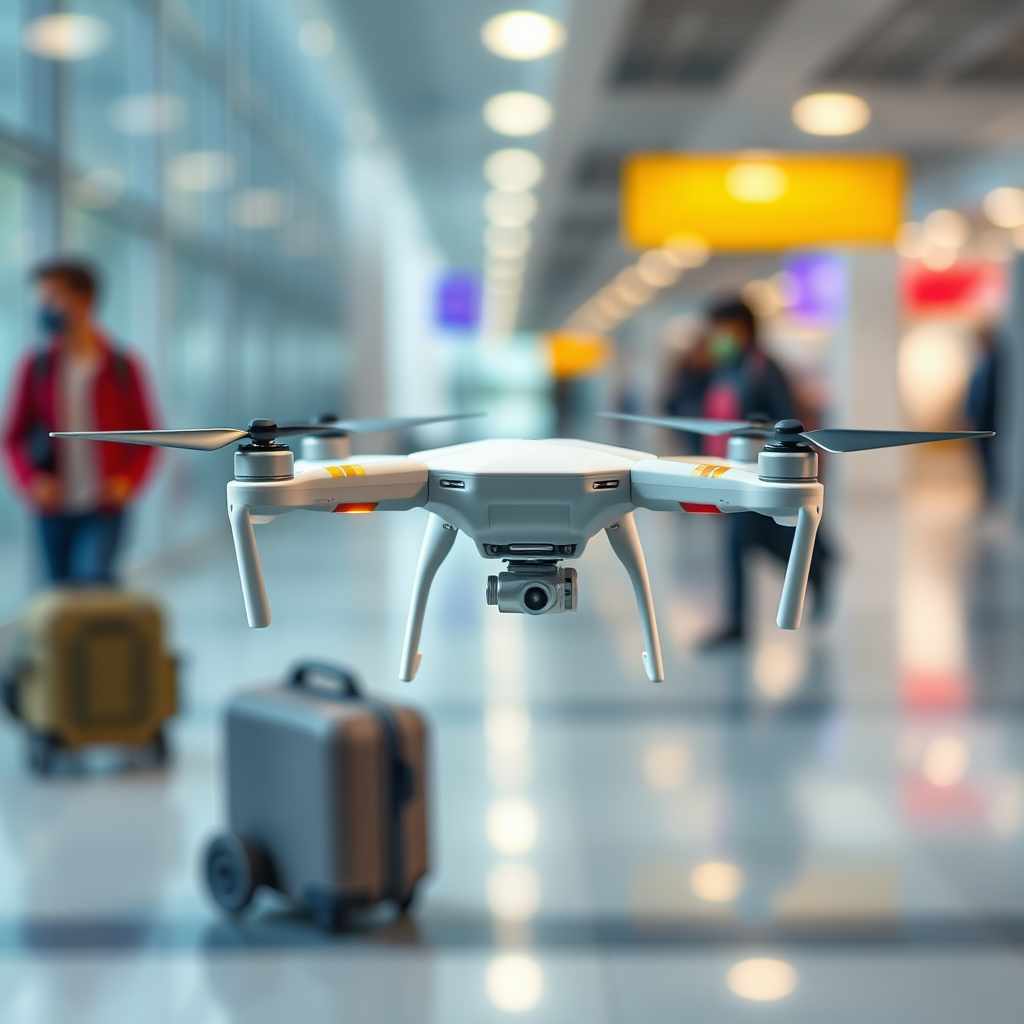
Different airlines have varying policies regarding drones, which can lead to confusion for travelers. Most carriers allow drones to be taken in hand luggage, but the specific rules may differ based on the airline’s operational standards and safety protocols. For instance, some airlines may require that drones be completely powered off during the flight, while others might restrict the type of drones allowed based on their size or functionality.
Before you travel, it is essential to visit the airline’s official website or contact their customer service to verify their specific guidelines. This proactive approach not only helps avoid last-minute surprises at the airport but also allows you to understand any necessary steps or documentation you might need to provide.
Country-Specific Rules
In addition to airline regulations, it is crucial to be aware of the laws governing the importation of drones in the country you are visiting. Some nations impose strict regulations on drone usage, including registration requirements, operational restrictions, and even complete bans on the importation of drones. For example, countries like Japan and Morocco have stringent laws that can result in hefty fines or confiscation of your drone if you fail to comply.
Researching the local regulations can prevent costly misunderstandings and ensure that you can enjoy your drone safely and legally. Websites of local aviation authorities or tourism boards often provide detailed information regarding drone usage, which can be invaluable for travelers.
Battery Safety Guidelines
Lithium batteries, commonly used in drones, have specific carry-on regulations that travelers must adhere to in order to maintain safety during flights. Most airlines allow lithium-ion batteries with a watt-hour (Wh) rating of up to 100 Wh in carry-on luggage, which typically covers batteries for consumer drones. However, batteries exceeding this limit may be subject to additional restrictions or might need to be transported as cargo.
To ensure compliance, always check the watt-hour rating of your drone batteries, which is usually printed on the battery itself. If you have spare batteries, keep in mind that many airlines limit the number of spare batteries you can carry, often to two or three, depending on their watt-hour ratings. Properly packaging these batteries is also essential; use protective cases to prevent short-circuiting and damage during transit.
Security Screening Process
When traveling with a drone, be prepared for the security screening process at the airport. Many security personnel will ask you to remove your drone from your bag for closer inspection, similar to how they treat laptops and other electronic devices. To minimize delays, make sure your drone is easily accessible in your carry-on luggage.
Additionally, consider arriving at the airport earlier than usual to account for potential extra screening time. If you have any special equipment or accessories for your drone, such as additional lenses or specialized mounts, be ready to explain their purpose in case security personnel have questions.
Packing Your Drone Properly
Packing your drone correctly is vital to ensuring it remains safe and functional during your travels. Use a padded case specifically designed for your drone model to provide the necessary protection against impact or pressure during transit. Ensure that all components, including propellers and batteries, are securely stowed and protected from potential damage.
For added safety, consider using foam inserts that fit snugly around your drone and its accessories. This not only protects the drone but also minimizes movement within the case, reducing the risk of damage. If possible, disassemble the drone as much as you can without compromising its structure, as this can help save space and provide better protection.
Additional Tips for Traveling with a Drone
When traveling internationally with your drone, consider registering it if local laws require registration. Some countries mandate that drones above a certain weight must be registered with their aviation authority. Additionally, keep copies of your drone’s registration and any insurance documents handy, as they may be requested by security personnel or local authorities upon arrival.
Familiarize yourself with local drone regulations, including no-fly zones and altitude restrictions, to avoid any issues while flying at your destination. Join online forums or communities of drone enthusiasts who can provide firsthand experiences and tips about flying in specific locations. Also, consider obtaining travel insurance that covers drone-related incidents, providing peace of mind during your travels.
In conclusion, you can take your drone in hand luggage, but it’s crucial to be informed about airline and country regulations regarding drones and their batteries. By understanding airline policies, researching local laws, adhering to battery safety guidelines, preparing for security screenings, packing your drone properly, and taking additional precautions, you can ensure a smooth travel experience with your drone. Always stay informed and prepared to enjoy your aerial adventures without unnecessary complications.
Frequently Asked Questions
Can I take my drone in hand luggage on a flight?
Yes, you can typically take your drone in hand luggage on a flight, but it’s essential to check the specific airline’s policies and the regulations of the country you’re traveling to. Most airlines allow drones, provided the batteries are properly managed and comply with guidelines regarding lithium-ion batteries. Always ensure that your drone is within the size limits for carry-on bags.
What are the restrictions for carrying a drone in hand luggage?
The restrictions for carrying a drone in hand luggage primarily revolve around battery size and weight. Most airlines permit lithium-ion batteries under 100 watt-hours (Wh) in carry-on luggage. Additionally, some airlines may have regulations regarding the size of the drone and may require you to remove the batteries and place them in a separate compartment, so always verify with your airline before your flight.
How do I pack my drone for air travel in hand luggage?
To pack your drone for air travel in hand luggage, first remove the batteries and secure them in a battery-safe pouch. Use a padded case that fits the drone snugly to prevent movement and possible damage during transit. Ensure that any propellers are either removed or folded, and double-check that all components are easily accessible for security checks at the airport.
Why is it important to check airline policies for taking a drone in hand luggage?
Checking airline policies for taking a drone in hand luggage is crucial because each airline has different regulations regarding size, battery capacity, and additional fees. Some airlines may have restrictions on the number of batteries you can carry or require you to declare your drone at check-in. Being informed can help you avoid last-minute surprises and ensure a smooth travel experience.
Which countries have specific regulations for traveling with drones in hand luggage?
Many countries have specific regulations regarding traveling with drones, including the United States, Canada, the United Kingdom, and Australia. It’s important to research the destination country’s drone laws, as some may require registration or have restrictions on flying in certain areas. Additionally, customs regulations may differ, so ensure you’re aware of any legal requirements to avoid potential fines or confiscation of your equipment.
References
- https://www.faa.gov/uas/travel_bys_air
- https://www.tsa.gov/travel/security-screening/whatcanibring/items/drone
- https://www.caa.co.uk/Consumers/Unmanned-aircraft/Travel-with-drones/
- https://www.nytimes.com/2019/07/29/travel/drone-airline.html
- https://www.theguardian.com/travel/2020/jul/10/what-you-need-to-know-about-taking-your-drone-on-holiday
- https://www.wired.com/story/drone-travel-tips/
- https://www.airlines.org/drones-air-travel/
