
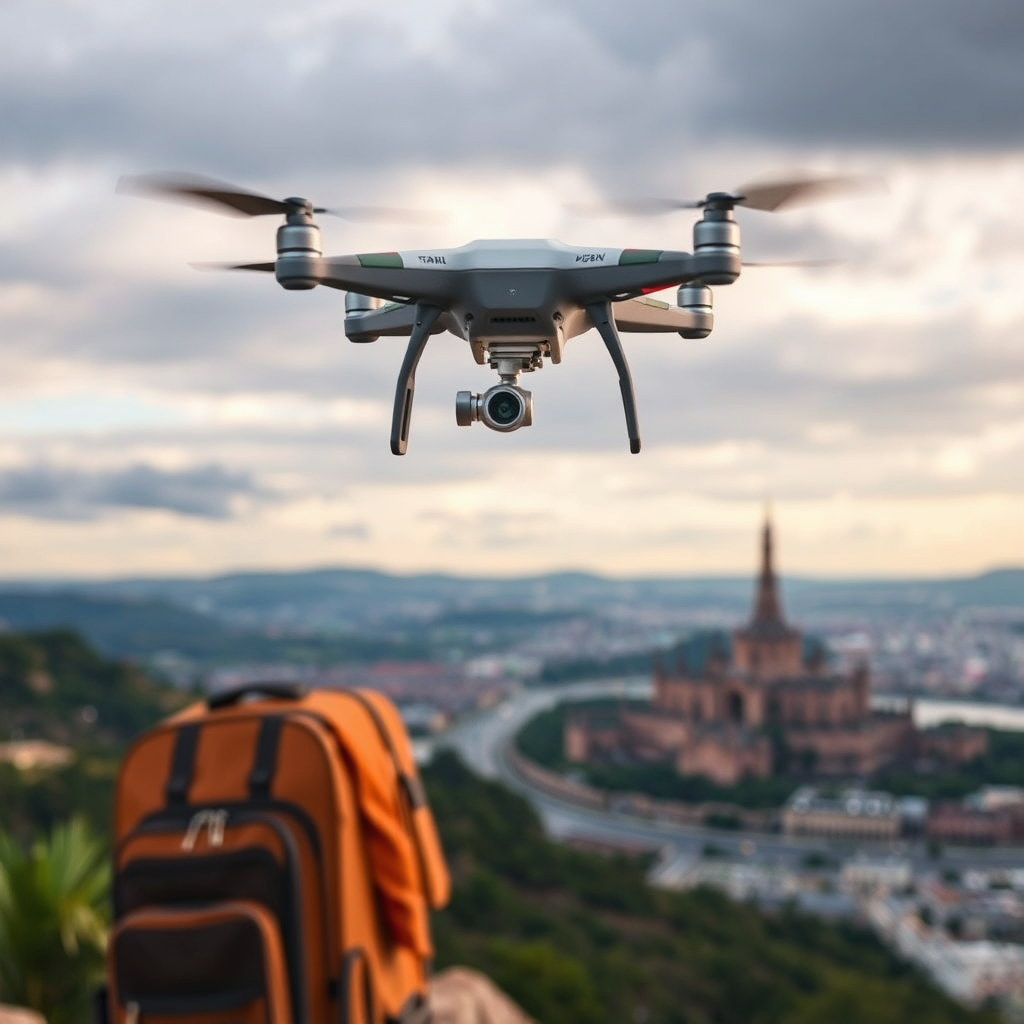
Yes, you can travel with a drone, but there are important regulations and considerations to keep in mind. As drone technology becomes increasingly popular among travelers and photographers alike, it is essential to understand the legal landscape, safety protocols, and best practices associated with transporting and using drones in different countries. This article will guide you through the necessary steps to ensure a smooth journey with your drone, including legal requirements, safety tips, and best practices for travel.
Understanding Drone Regulations
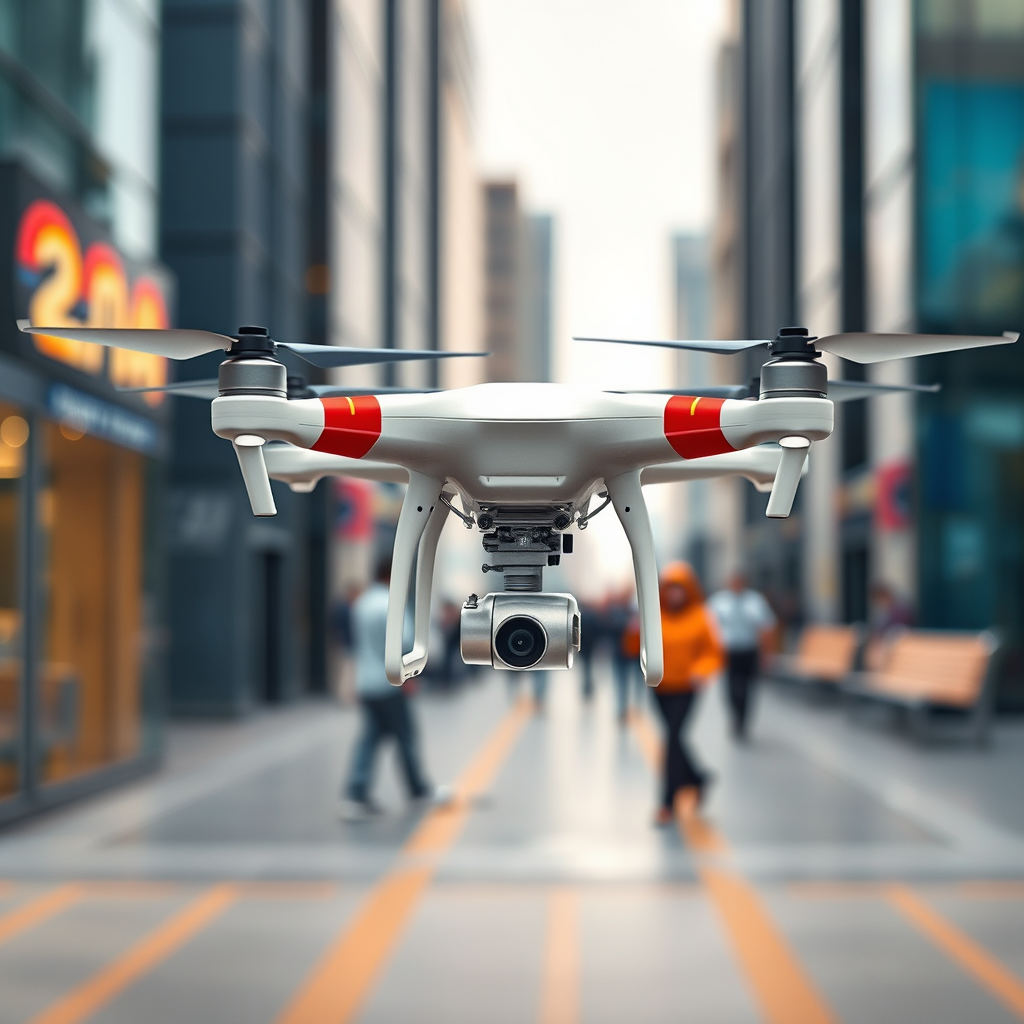
Different countries have varying regulations regarding drone use, and failure to comply can lead to significant fines or confiscation of your equipment. In the United States, for example, the Federal Aviation Administration (FAA) has established guidelines for recreational and commercial drone use, including registration requirements and airspace restrictions. Internationally, regulations can vary even more drastically; the European Union has comprehensive drone regulations that apply to all member states, while countries like Japan and China have stringent rules that require permits for most drone operations.
Before embarking on your journey, it is crucial to research local laws and restrictions regarding drone usage in your destination country. Websites like the International Civil Aviation Organization (ICAO) provide resources to help travelers understand drone regulations worldwide. Additionally, local drone enthusiast groups and forums can offer valuable insights into specific rules that may not be readily accessible through official channels.
Preparing Your Drone for Travel
Before you travel, ensure that your drone is in good working condition and packed securely. Conduct a thorough inspection of the device, checking for any signs of damage or wear, and ensure that all components, including propellers and batteries, are functioning correctly. It is advisable to carry your drone in a dedicated hard case that can withstand the rigors of travel, protecting it from impacts and environmental conditions.
When it comes to battery regulations for air travel, be aware that lithium-ion batteries, commonly used in drones, may have specific handling procedures. Most airlines allow batteries under a certain watt-hour (Wh) rating to be carried in your carry-on luggage, while larger batteries may need to be shipped as cargo. Always check your airline’s specific battery regulations before your trip to avoid any last-minute surprises.
Carrying Your Drone on Flights
Knowing whether your airline allows drones in the cabin or requires them in checked baggage is crucial for a hassle-free travel experience. Some airlines have specific policies regarding the transportation of drones, so it’s best to review these guidelines before booking your flight. Generally, it is advisable to carry your drone in the cabin whenever possible, as this will minimize the risk of damage.
When transporting drones and electronic devices, be sure to follow TSA guidelines. For instance, you may need to remove the drone from its case and place it in a separate bin during security screening. Additionally, be ready to explain the purpose of your drone to TSA agents, as they may have questions about your equipment and its use.
Insurance and Liability Considerations
Given the potential for accidents and damages when flying drones, it is wise to consider obtaining drone insurance. Many insurance companies offer specialized drone insurance policies that can cover physical damage to the drone, liability for third-party damages, and even legal fees if you encounter issues while flying. This coverage can provide peace of mind, especially when flying in unfamiliar airspace.
Moreover, reviewing your existing liability coverage is essential. Many homeowners’ insurance policies do not cover drone-related incidents, so be sure to verify what is included in your current insurance plan. If you are traveling internationally, consider the potential legal implications of flying your drone in a foreign country, as liability laws can differ significantly from those in your home country.
Safety Tips for Flying in New Locations
Familiarizing yourself with the local airspace and identifying no-fly zones is critical when flying your drone in a new location. Many countries have designated areas where drone use is prohibited, such as near airports, military installations, or crowded urban areas. Various smartphone apps, such as AirMap and B4UFLY, can help you navigate these restrictions, providing real-time information about airspace regulations.
Additionally, it is essential to respect the privacy of individuals and communities in your destination. Avoid flying over private property without permission, and be mindful of cultural sensitivities regarding photography and videography. Some countries have specific laws governing the use of drones for surveillance, so always prioritize ethical flying practices.
Documentation and Permits
Some countries require permits for drone operations, particularly for commercial use or if you plan to fly in restricted areas. To avoid complications at customs or while flying, obtain any necessary documents well in advance of your trip. This may include permits issued by aviation authorities or local government agencies.
In addition to permits, carry proof of ownership and any required licenses while traveling. Having these documents readily available can help you avoid disputes with authorities and expedite the process of clearing customs. Additionally, if your drone is registered with a national authority, ensure that you have a copy of the registration certificate on hand.
Connecting with Local Drone Communities
Engaging with local drone enthusiasts can provide valuable insights into flying in new areas. Many communities have established online platforms or social media groups where drone pilots share their experiences, tips, and local regulations. Joining these groups can be beneficial not only for gathering information but also for connecting with fellow enthusiasts who can offer guidance on the best flying spots and potential challenges.
Moreover, participating in local drone events or meetups can help you learn more about the local drone culture and regulations. Many countries have their own unique drone communities, and networking with these individuals can enhance your travel experience while ensuring you stay informed of any changes in local laws.
In conclusion, traveling with a drone is definitely possible, but it requires careful planning and adherence to regulations. Familiarize yourself with local laws, prepare your equipment adequately, and engage with the community to ensure a successful trip. By taking these essential steps, you can enjoy capturing stunning aerial footage while respecting the rules and safety protocols of your destination. Happy flying!
Frequently Asked Questions
What are the general regulations for traveling with a drone internationally?
When traveling internationally with a drone, it’s essential to familiarize yourself with both your home country’s regulations and those of your destination. Different countries have varying rules regarding drone registration, flying zones, and usage restrictions. For instance, some countries require a permit for drones over a certain weight or restrict flying in urban areas. Always check the local aviation authority’s website for regulations before your trip.
How can I ensure my drone is safe to travel with?
To ensure your drone is safe for travel, start by removing the propellers and securely packing it in a padded case to prevent damage during transit. Additionally, carry spare batteries in your carry-on luggage, as many airlines have restrictions on lithium polymer batteries. Always check the airline’s specific drone policies to avoid surprises at the airport.
Why do some countries have strict drone laws?
Some countries enforce strict drone laws to address safety, privacy, and national security concerns. Drones can pose risks to manned aircraft, and their ability to capture images may lead to privacy violations. As a result, governments implement regulations to control where and how drones can be used, ensuring both public safety and compliance with local laws.
What is the best way to transport my drone on an airplane?
The best way to transport your drone on an airplane is to carry it in your carry-on luggage, ensuring it is securely packed with protective casing. Make sure to check the airline’s policies regarding drones and batteries, as some may have specific guidelines. It is also advisable to inform security personnel that you are traveling with a drone to expedite the screening process.
Which countries are the most drone-friendly for travelers?
Countries like Canada, New Zealand, and Portugal are known for being drone-friendly, offering clear regulations and beautiful landscapes for aerial photography. These nations typically have user-friendly drone laws that encourage recreational and commercial drone use. However, always verify local rules and obtain any necessary permits before flying to ensure compliance with local regulations.
References
- https://en.wikipedia.org/wiki/Drone_regulations
- https://www.faa.gov/uas/travel
- https://www.nasa.gov/aeroresearch/programs/airspace/drones
- https://www.nytimes.com/2021/08/05/technology/drones-travel.html
- https://www.reuters.com/technology/how-fly-drone-abroad-2022-10-05/
- https://www.ama-assn.org/delivering-care/public-health/flying-drones-certain-rules
- https://www.dronepilotgroundschool.com/drone-laws-around-the-world/
