
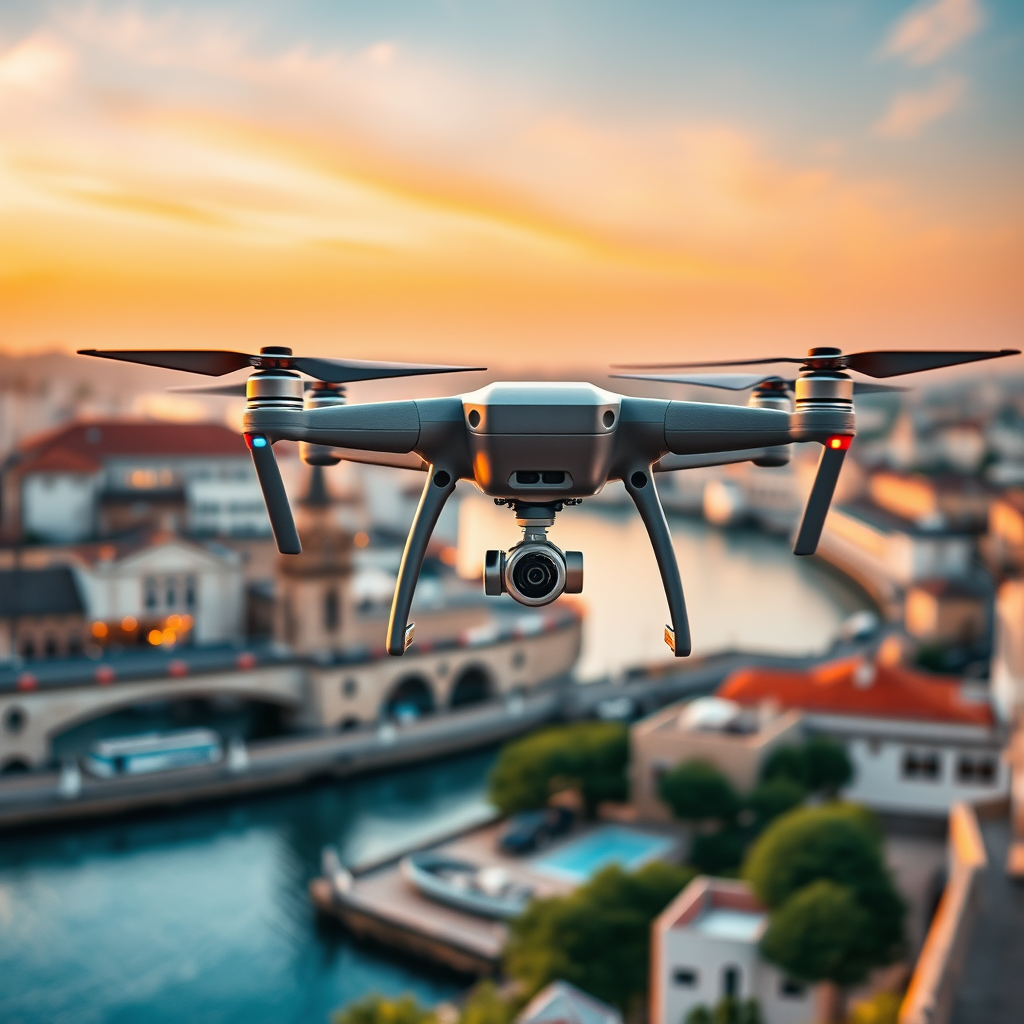
Yes, you can travel with a drone to Europe, but there are specific regulations and requirements you must follow. As the popularity of drone technology has surged, many travelers are eager to capture stunning aerial views of Europe’s breathtaking landscapes. However, each European country has its own set of laws regarding drone operation. This article will guide you through the key considerations for bringing your drone to Europe, ensuring that you are well-prepared and compliant with local regulations.
Understanding European Drone Regulations
When traveling with a drone in Europe, understanding the regulatory landscape is crucial. Each European country has its own distinct set of drone laws, shaped by national priorities and local circumstances. Therefore, before your trip, it is essential to familiarize yourself with the specific regulations of your intended destination.
In addition to national rules, the European Union has established standardized regulations that apply across member states. The European Union Aviation Safety Agency (EASA) governs drone operations and has implemented a framework that categorizes drone flights into three categories: Open, Specific, and Certified. The Open category is the most common and applies to drones weighing less than 25 kilograms that are flown in uncontrolled airspace, away from crowds. Understanding whether your flight falls under the Open category can help streamline your travel plans.
Registration and Licensing Requirements
Another critical aspect of traveling with a drone in Europe is understanding the registration and licensing requirements. While the regulations can vary significantly from one country to another, many nations require drone operators to register their drones, particularly if they exceed a certain weight. For example, in Germany, any drone weighing more than 250 grams must be registered, and operators must carry proof of registration when flying.
Additionally, some countries require drone pilots to obtain a remote pilot license, especially for operations involving heavier drones or more complex flying scenarios. In Spain, for instance, a license is mandatory for drones weighing over 2 kilograms. It is advisable to check the specific requirements of your destination to ensure compliance and avoid potential fines.
Insurance and Liability Considerations
Insurance plays a vital role in drone operations, especially when traveling abroad. Many European countries strongly recommend obtaining liability insurance to cover potential damages or accidents caused by drone flights. This coverage can protect you from financial liabilities in the event of an incident, such as property damage or personal injury.
Moreover, some countries may require proof of insurance before allowing drone operation. For example, in Italy, drone operators must present insurance documentation to authorities if requested. It’s prudent to contact your insurance provider to ensure that your policy covers international drone operations and meets the requirements of the countries you plan to visit.
Importing Your Drone into Europe
When bringing your drone into Europe, it is essential to be aware of customs regulations regarding the importation of electronics. Most travelers are allowed to bring personal electronics, including drones, into the European Union without facing significant restrictions. However, customs authorities may require you to declare your drone upon entry, particularly if it is a high-value item.
To avoid delays or complications at customs, it is advisable to keep receipts and documentation related to your drone purchase handy. This includes original purchase invoices, warranty information, and any relevant manuals. Being organized can facilitate a smoother entry process and help you comply with any local customs requirements.
Best Practices for Flying Your Drone in Europe
Once you have navigated the regulatory landscape and successfully imported your drone, it is crucial to adhere to best practices for flying in Europe. Respecting local privacy laws is paramount; avoid flying over private property or populated areas without permission. Many countries have strict regulations governing the protection of personal privacy, and infringing on these laws can lead to significant penalties.
Moreover, it is essential to stay informed about no-fly zones, particularly near airports, military installations, and sensitive sites. Most European countries provide maps detailing restricted airspace, and utilizing apps like AirMap or DroneBuddy can help you navigate these zones effectively. Ensuring that you operate your drone responsibly will not only keep you compliant but will also enhance the overall drone flying experience.
Tips for a Smooth Travel Experience
To ensure a seamless travel experience with your drone, consider these practical tips. First and foremost, pack your drone securely in a dedicated carrying case. This will protect the device from damage during transit and ensure that you have all necessary accessories, such as batteries, chargers, and spare propellers.
Additionally, downloading relevant drone apps can be invaluable. These apps can help you navigate local regulations and airspace, providing real-time information about no-fly zones and weather conditions. Familiarize yourself with these tools before your trip to enhance your flying experience.
Lastly, consider joining local drone enthusiast groups or forums online. Engaging with fellow drone pilots can provide insights into the local drone culture and any tips or tricks that can help you navigate the intricacies of flying in a new country.
In conclusion, while traveling with a drone to Europe is possible, being well-informed about regulations, registration, and operational guidelines is essential. The diverse nature of drone laws across Europe necessitates thorough research into your specific destination. By understanding the local regulations, ensuring proper registration and insurance, and adhering to best practices, you can enjoy a hassle-free and rewarding experience capturing the beauty of Europe from above.
Frequently Asked Questions
What are the regulations for bringing a drone to Europe?
When traveling with a drone to Europe, it’s crucial to understand that each country has its own regulations regarding drone usage. Generally, you’ll need to register your drone if it weighs over 250 grams, and you may also require a pilot’s license depending on the country. It’s recommended to check the specific rules of the country you’re visiting, as they can include restrictions on where you can fly, altitude limits, and no-fly zones.
How can I ensure my drone is compliant with European Union regulations?
To ensure your drone complies with European Union regulations, familiarize yourself with the European Union Aviation Safety Agency (EASA) guidelines. This includes registering your drone, completing an online training course, and obtaining an EU drone operator ID if required. Additionally, make sure your drone features a unique identification number and adheres to the specified weight and safety criteria.
Why do I need to check local laws before flying my drone in Europe?
Checking local laws before flying your drone in Europe is essential because regulations can vary significantly from one country to another, and even within regions of the same country. Violating local drone laws can lead to fines or confiscation of your drone. By understanding the specific legal requirements, you can avoid potential legal issues and ensure a smooth flying experience while respecting the privacy and safety of others.
What are the best countries in Europe for drone enthusiasts?
Some of the best countries in Europe for drone enthusiasts include Portugal, known for its stunning landscapes and relatively relaxed drone laws, and Iceland, which offers breathtaking natural scenery and wide-open spaces. Additionally, Spain and the Netherlands have popular spots for aerial photography, but be mindful of their stricter regulations in urban areas. Always check local guidelines to maintain compliance while enjoying your drone flights.
Which drone insurance should I consider when traveling to Europe?
When traveling to Europe with a drone, it’s advisable to consider liability insurance that covers potential damages or injuries caused by your drone. Many travel insurance providers offer policies specifically for drone users, which can protect you against legal claims and damage to third-party property. Additionally, some countries may require proof of insurance before allowing drone operation, so ensure you have the right coverage to avoid legal complications.
References
- https://en.wikipedia.org/wiki/Drone_regulations_in_Europe
- https://www.easa.europa.eu/domains/civil-drones-rpas
- https://www.faa.gov/uas/where_to_fly/foreign_travel
- https://www.bbc.com/news/technology-51165731
- https://www.europa.eu/youreurope/citizens/travel/essentials/drone-usage/index_en.htm
- https://www.gov.uk/guidance/drone-safety-on-the-farm
- https://www.nationalgeographic.com/science/article/flying-drones-in-europe-what-you-need-to-know
