
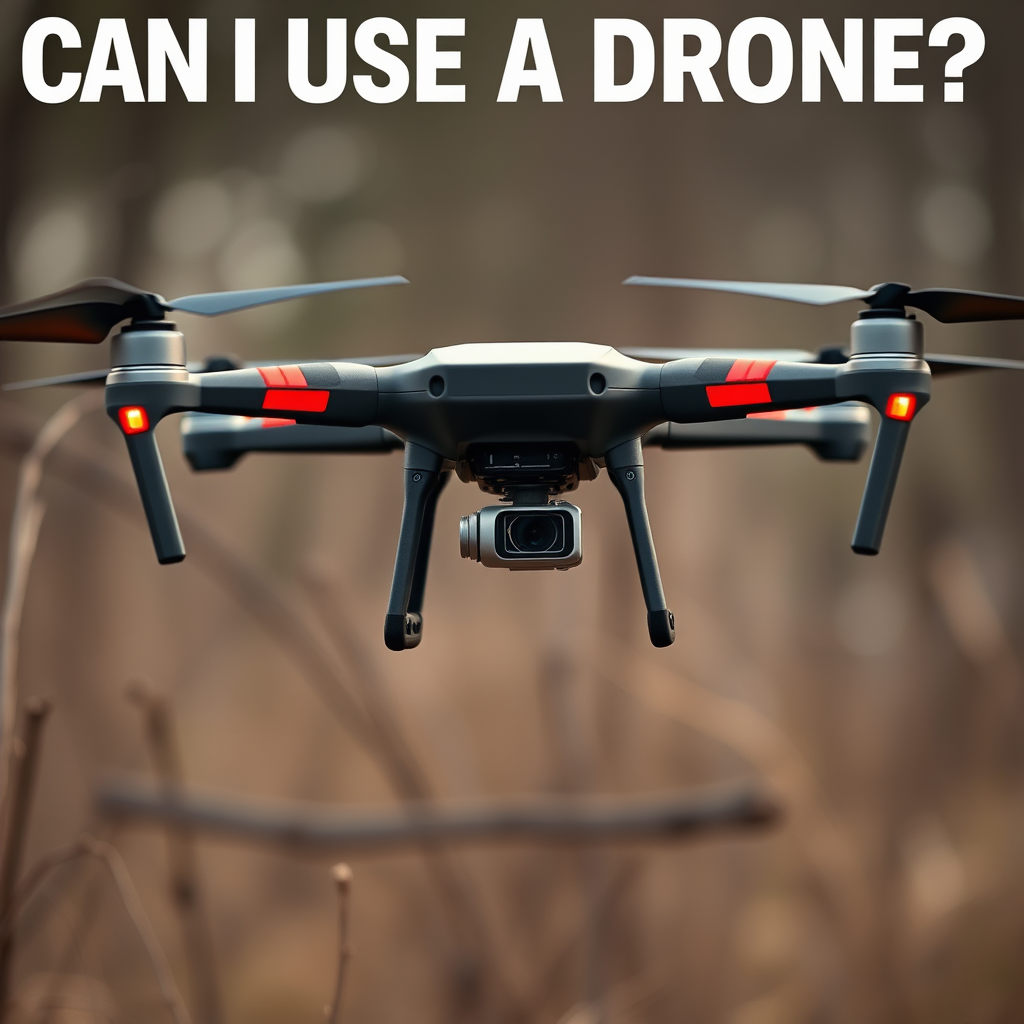
Yes, you can use a drone for hunting, but there are important legal and ethical considerations to keep in mind. Drones can assist in scouting and tracking game, offering hunters a unique vantage point that can enhance their hunting strategies. However, navigating the complexities of local regulations and the ethical implications of using technology in hunting practices is essential for responsible drone usage.
Legal Regulations for Drone Use in Hunting
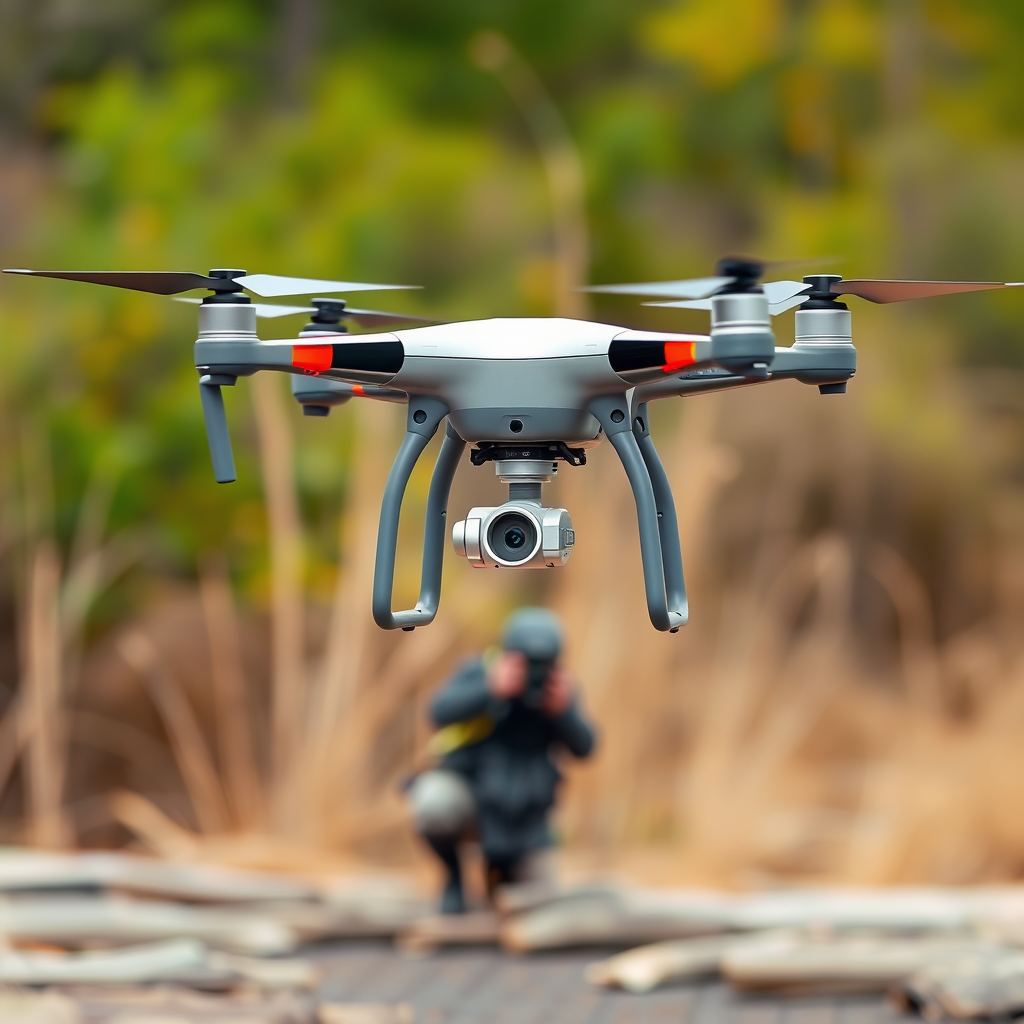
Before incorporating a drone into your hunting toolkit, it’s crucial to understand the legal framework surrounding drone usage. Federal, state, and local laws govern how drones can be operated, particularly in hunting contexts. For instance, the Federal Aviation Administration (FAA) regulates airspace and drone flight, requiring users to abide by specific guidelines, including maintaining a line of sight and adhering to restrictions on altitude.
Moreover, hunting regulations vary significantly across jurisdictions. Some states outright ban the use of drones for hunting, while others may permit their use under certain conditions. For example, in states like Colorado and Montana, the use of drones is allowed for scouting but not for the actual hunting process. Therefore, it is imperative to check the specific laws applicable in your area, including any seasonal restrictions or additional permits required for drone use.
Ethical Considerations
Using a drone in hunting raises several ethical questions that hunters must contemplate. The primary concern revolves around the potential impact on animal behavior. Drones can disturb wildlife, causing stress or altering their natural movements, which ultimately could detract from the hunting experience. This disruption raises questions about the fairness of using such advanced technology to gain an advantage over animals that rely on instinct and natural camouflage for survival.
Additionally, hunters should reflect on the traditions of hunting and the principles of fair chase. Many in the hunting community advocate for practices that emphasize skill, patience, and respect for wildlife. The ease with which drones can locate and track game may be perceived as undermining these values, leading to a broader discussion about the role of technology in hunting practices. Engaging with these ethical considerations is vital to ensure that hunting remains a responsible and respectful pursuit.
Types of Drones Suitable for Hunting
When selecting a drone for hunting purposes, various models offer features tailored to different needs. The most commonly used types of drones include quadcopters, which provide stability and ease of use, and fixed-wing models, which can cover larger areas more efficiently.
Key features to consider include camera quality, flight range, and battery life. High-definition cameras with zoom capabilities can provide detailed images to help identify game from a distance. Drones with extended flight ranges are advantageous for covering vast hunting grounds, while those with robust battery life ensure longer scouting sessions without the need for frequent recharges. For instance, a drone like the DJI Mavic Air 2 boasts a 4K camera and a flight time of up to 34 minutes, making it a popular choice among hunters seeking reliable performance.
Benefits of Using Drones for Hunting
Utilizing drones in hunting can significantly improve efficiency in scouting and tracking game. Aerial views provide hunters with a broader perspective of the landscape, enabling them to identify potential hunting spots that may be difficult to access on foot. This capability is particularly beneficial in expansive terrains such as forests, mountains, or wetlands.
Moreover, drones can aid in tracking animals post-shot, allowing hunters to locate game that may have moved after being hit. Using thermal imaging drones can further enhance tracking capabilities, as they can detect heat signatures, making it easier to find animals, especially in dense cover. This technological advancement not only improves success rates but also promotes ethical hunting practices by reducing the time spent searching for injured animals.
Limitations of Drone Use in Hunting
While drones present several advantages, they also come with limitations that hunters must acknowledge. One major challenge is battery life; most consumer drones can only operate for a limited time before needing a recharge. This limitation can be particularly problematic in remote hunting areas where recharging facilities may not be available.
Additionally, environmental factors must be considered. Weather conditions such as rain, high winds, or fog can impede drone performance and may even pose risks to safe operation. Furthermore, some regions have restrictions on drone usage during specific weather conditions to protect wildlife and ensure the safety of other hunters. Being aware of these limitations is crucial for effective planning and execution of hunting activities.
Best Practices for Using Drones in Hunting
To maximize the benefits of drone usage while minimizing potential downsides, hunters should adhere to best practices for safe and responsible operation. First and foremost, it is essential to follow all safety protocols established by the FAA and local regulations. This includes ensuring that the drone is flown within sight and avoiding restricted airspace.
Respect for wildlife is paramount; maintain a responsible distance from animals to avoid causing undue stress or disruption to their natural behavior. It is advisable to use drones primarily for scouting rather than direct interaction with game animals. Additionally, hunters should remain conscious of other outdoor enthusiasts, ensuring that drone flights do not interfere with their activities. Engaging in educational resources about drone operation can further enhance safety and effectiveness.
Future of Drones in Hunting
The future of drone technology in hunting is promising, with continual advancements on the horizon. Emerging technologies such as artificial intelligence and improved sensor capabilities are poised to revolutionize how hunters use drones. For instance, AI-powered drones may soon be able to analyze animal movement patterns, predict behavior, and provide real-time data to hunters, enhancing strategic decision-making.
Simultaneously, as drone technology evolves, so too will regulations surrounding their use in hunting. It is likely that authorities will introduce more comprehensive guidelines to address the implications of drone-assisted hunting, reflecting growing public interest and concern regarding wildlife conservation and ethical hunting practices. Staying informed about these changes will be crucial for hunters looking to integrate drones into their activities responsibly.
In conclusion, while drones can be valuable tools for hunting, it is crucial to stay informed about legalities and ethical practices. The integration of drone technology can enhance the hunting experience by improving scouting and tracking capabilities. However, it is essential to prioritize responsible usage to respect wildlife and adhere to regulations, ensuring that hunting remains a sustainable and ethical pursuit for future generations.
Frequently Asked Questions
Can I legally use a drone for hunting?
The legality of using a drone for hunting varies by state and country. In many places, using drones for tracking or scouting game is permitted; however, some jurisdictions have specific regulations that prohibit the use of drones during the actual hunting process. It’s essential to check with your local wildlife agency or regulations to ensure compliance with hunting laws in your area to avoid potential fines or penalties.
What are the benefits of using a drone for hunting?
Using a drone for hunting can significantly enhance your scouting capabilities. Drones equipped with high-resolution cameras allow hunters to survey large areas quickly, locate game, and assess terrain without disturbing wildlife. Additionally, drones can provide aerial views that help in planning hunting strategies and improving overall efficiency during the hunt.
How should I choose the best drone for hunting purposes?
When selecting a drone for hunting, consider factors such as flight time, camera quality, range, and durability. A drone with a longer battery life of at least 20-30 minutes and a high-resolution camera (preferably 4K) will provide better scouting opportunities. Additionally, look for drones with GPS capabilities and obstacle avoidance features, which can enhance safety and ease of use in rugged terrains.
Why are some hunters against using drones for hunting?
Some hunters oppose the use of drones for hunting due to ethical concerns and the potential for unfair advantages. Critics argue that drones can disrupt wildlife behavior, lead to overharvesting, and diminish the traditional skills associated with hunting. This debate raises important questions about the balance between technology and conservation, as well as the integrity of the hunting experience.
Which regulations should I be aware of when using a drone for hunting?
When using a drone for hunting, familiarize yourself with both federal and state regulations, as they can differ. Key regulations often include restrictions on flying drones in certain wildlife areas, altitude limits, and the prohibition of using drones to harass or track game. Always ensure you have the appropriate FAA registration for your drone, and abide by privacy laws to avoid infringing on landowners’ rights.
References
- https://www.nationalgeographic.com/science/article/drones-hunting-regulations
- https://www.fws.gov/faq/drones-hunting
- https://www.nraila.org/articles/20220106/drones-and-hunting-what-you-need-to-know
- https://www.usgs.gov/centers/whsc/science/use-drones-ecosystem-research
- https://www.aaac.ca/faq/using-drones-hunting
- https://www.purdue.edu/newsroom/releases/2021/Q4/drones-can-help-predict-hunting-success.html
