
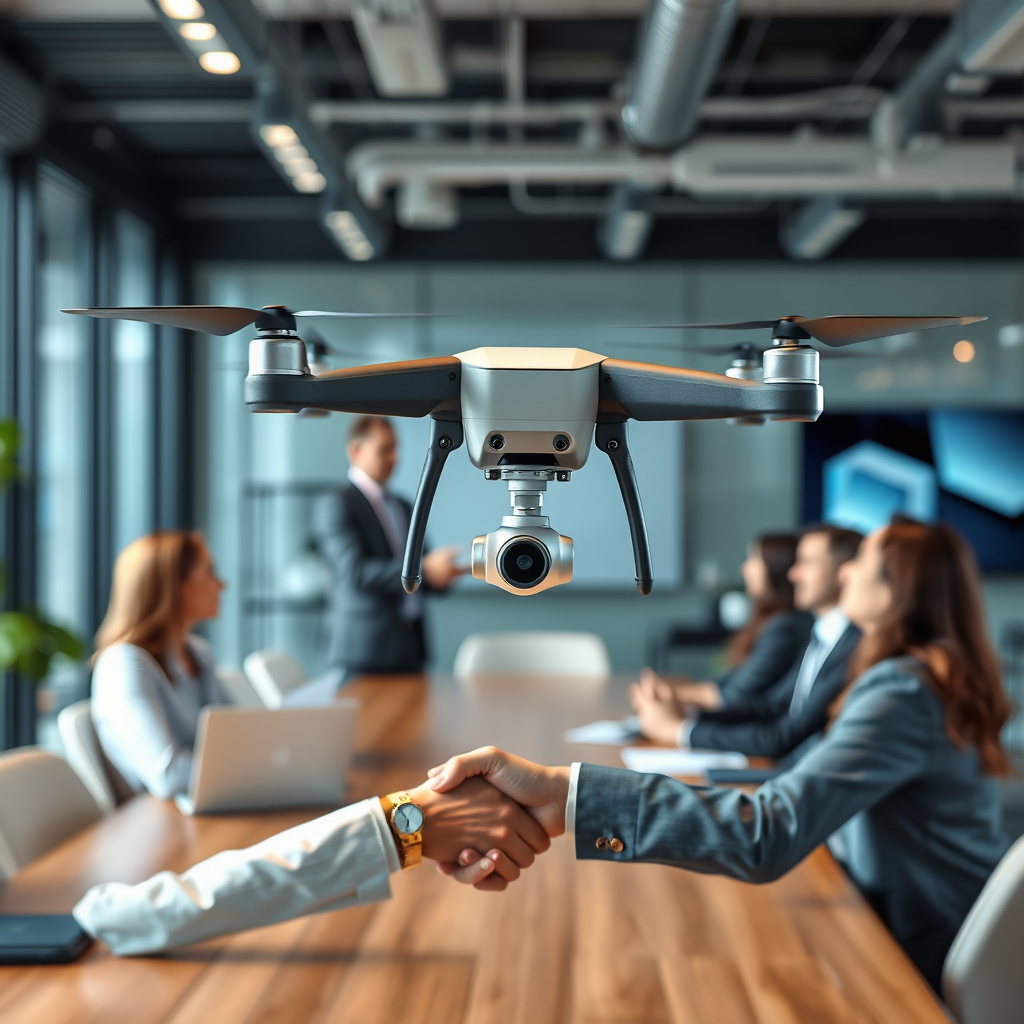
Yes, you can use a drone for your business, provided you comply with regulations and understand its applications. Drones can enhance operations across various industries, offering benefits like improved efficiency and innovative services. From real estate to agriculture, the integration of drone technology can transform how businesses operate, streamline processes, and provide unique services. This article explores the practical aspects of incorporating drones into your business, including regulatory compliance, applications, cost considerations, and future trends.
Understanding Drone Regulations
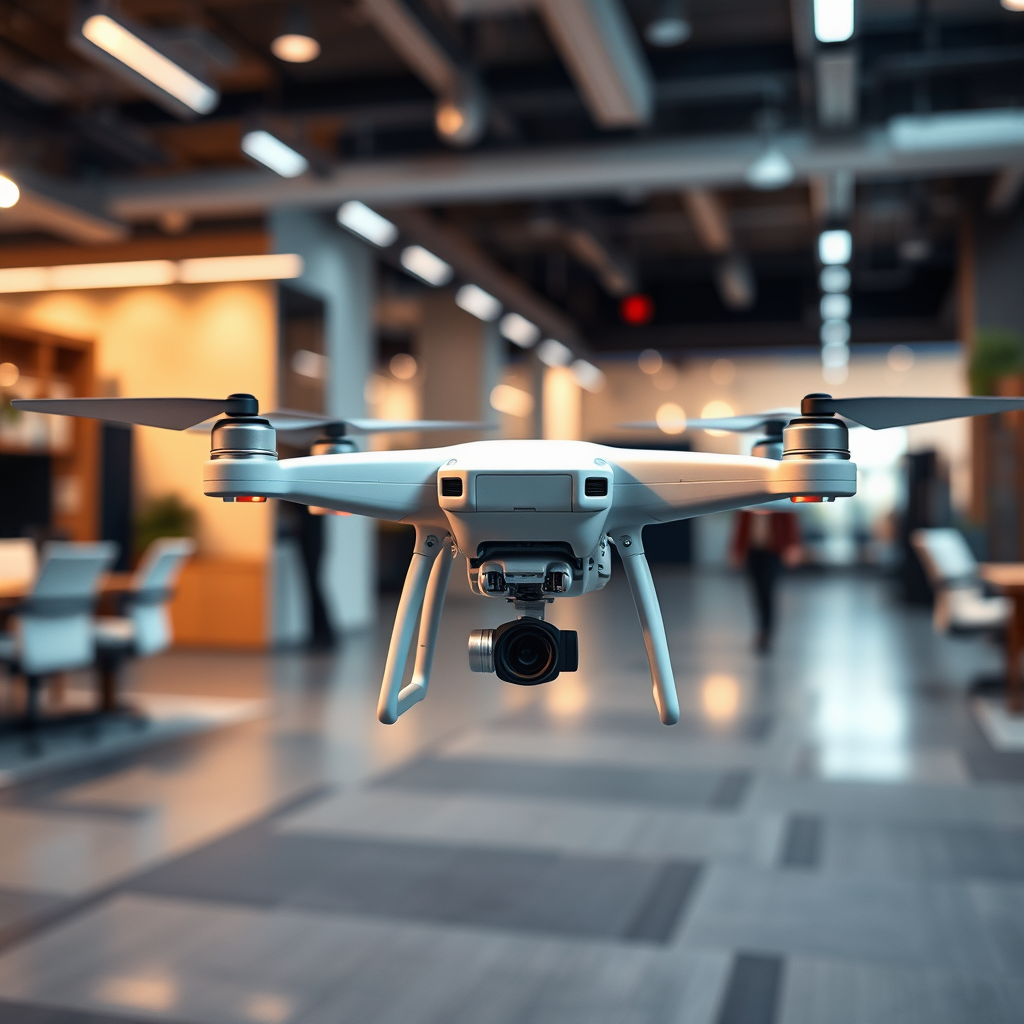
To successfully integrate drones into your business operations, it’s essential to familiarize yourself with the Federal Aviation Administration (FAA) regulations governing commercial drone use in the United States. The FAA mandates that businesses must obtain a Remote Pilot Certificate, which involves passing a knowledge test and meeting specific eligibility criteria, such as being at least 16 years old and able to read, speak, write, and understand English.
Additionally, operators must register their drones if they weigh more than 0.55 pounds and abide by the Part 107 rules, which govern aspects like maximum altitude, airspace restrictions, and operational limits. Understanding these regulations is crucial, as non-compliance can result in hefty fines and legal repercussions. Therefore, investing time in educating yourself about these regulations is a vital first step in leveraging drone technology for your business.
Potential Business Applications
The versatility of drones allows for a wide range of applications across various industries.
– Real Estate: Drones can revolutionize the way real estate agents market properties. Aerial photography and videography provide stunning visuals that highlight property features and surrounding landscapes, attracting potential buyers more effectively than traditional images. For example, many real estate firms now employ drones to create immersive virtual tours, showcasing properties and their environments from unique perspectives.
– Agriculture: In the agricultural sector, drones are becoming indispensable tools for crop monitoring and precision farming. Equipped with advanced sensors and cameras, drones can collect data on crop health, soil conditions, and irrigation efficiency. This real-time data allows farmers to make informed decisions, optimize resource use, and increase yield. For instance, farmers can use drones equipped with multispectral cameras to identify areas of stress in crops, enabling targeted interventions that improve overall productivity.
These applications demonstrate how drones can provide significant value by enhancing visual appeal, increasing operational efficiency, and facilitating better decision-making.
Cost Considerations
When considering the integration of drones into your business, it’s essential to assess both initial and ongoing costs.
– Initial Investment: The cost of purchasing a commercial-grade drone can vary widely based on the specifications and capabilities needed for your business. Basic models may start as low as $300, while high-end drones with advanced features can cost several thousand dollars. Additionally, you should factor in costs for accessories such as extra batteries, carrying cases, and maintenance tools.
– Budgeting for Software and Training: Beyond the drone itself, businesses must also consider expenses for software that supports flight planning, data analysis, and post-processing of imagery. Furthermore, investing in pilot training is crucial to ensure safe and effective operation. This may involve enrolling in certification courses, which can range from a few hundred to several thousand dollars depending on the depth and focus of the training.
Understanding these cost dynamics is vital for effective budgeting and long-term planning, allowing businesses to maximize their return on investment in drone technology.
Choosing the Right Drone
Selecting the right drone for your business requires careful evaluation of various models based on your industry needs and budget.
– Evaluate Different Drone Models: Drones vary widely in design, features, and capabilities. For instance, if you are in the real estate sector, you may prioritize drones with high-quality cameras capable of capturing 4K video. Conversely, in agriculture, you might need a drone equipped with sensors for multispectral imaging.
– Consider Features: Key features to consider include camera quality, flight time, payload capacity, and ease of use. A drone with a longer flight time allows for extended operations without the need for frequent recharges, while a higher payload capacity enables the attachment of various sensors or equipment. Reading reviews, checking specifications, and consulting industry experts can help you make an informed choice.
By aligning your drone selection with your specific business needs, you can enhance operational efficiency and ensure that the technology serves your objectives effectively.
Safety and Liability Issues
Implementing a drone program in your business entails addressing safety and liability considerations to mitigate risks associated with drone operations.
– Implement Safety Protocols: Establishing robust safety protocols is essential. This includes conducting pre-flight checks, ensuring the operating environment is clear of obstacles, and maintaining line-of-sight control during flights. Additionally, developing a comprehensive emergency response plan can help manage potential accidents efficiently.
– Understand Liability Coverage: It’s crucial to explore liability coverage options for commercial drone usage. Many business insurance policies may not automatically cover drone operations, so it’s advisable to obtain specialized insurance that addresses potential risks, such as property damage or personal injury. Consulting with an insurance expert who understands drone operations can help you secure appropriate coverage to protect your business.
By proactively addressing safety and liability issues, businesses can reduce risks and ensure a smoother integration of drone technology.
Training and Skill Development
As drone technology continues to evolve, investing in training and skill development is essential for effective operation and compliance with regulations.
– Explore Training Programs: Numerous organizations offer training programs that cover the fundamentals of drone operation, safety protocols, and regulatory compliance. Online courses and hands-on workshops can cater to various skill levels, ensuring that both novice and experienced operators can enhance their abilities.
– Consider Certification Courses: Pursuing certification courses can enhance your credibility and operational knowledge. Programs that lead to FAA certification not only prepare you for the knowledge exam but also provide insights into best practices and industry standards.
By prioritizing training and skill development, businesses can ensure that their personnel are well-equipped to operate drones safely and effectively, maximizing the technology’s benefits.
Future Trends in Drone Technology
Staying informed about emerging technologies in the drone industry is crucial for leveraging advancements that could impact your business operations.
– Emerging Technologies: Innovations such as artificial intelligence (AI) and automation are transforming drone capabilities. Drones equipped with AI can analyze data in real-time, allowing for quicker decision-making and enhanced operational efficiency. Furthermore, the development of fully autonomous drones is advancing, reducing the need for human intervention in routine tasks.
– Impact on Business Operations: The trajectory of drone technology suggests a future where businesses can automate more processes, improve operational efficiencies, and deliver innovative services. For instance, logistics companies are exploring the use of drones for last-mile delivery, which can significantly reduce delivery times and costs.
By keeping an eye on these trends, businesses can adapt their strategies to harness the full potential of drone technology, ensuring that they remain competitive in an evolving market.
In conclusion, utilizing drones can significantly benefit your business, but it requires understanding regulations, costs, and applications. By familiarizing yourself with FAA regulations, exploring various applications, considering cost implications, and prioritizing safety and training, you can effectively integrate drones into your operations. As technology continues to advance, staying informed about industry trends will position your business for future success. If you’re considering incorporating drones, start by researching the necessary steps and exploring how they can enhance your operations.
Frequently Asked Questions
Can I use a drone for commercial purposes legally?
Yes, you can use a drone for commercial purposes, but you must comply with regulations set by the Federal Aviation Administration (FAA) in the United States. This includes obtaining a Remote Pilot Certificate, registering your drone, and following specific operational guidelines such as maintaining visual line of sight and adhering to altitude limits. Always check local laws as they may have additional requirements.
What are the benefits of using a drone for my business?
Drones offer various benefits for businesses, including cost-effective aerial photography, enhanced surveying capabilities, and improved data collection. Industries such as real estate, agriculture, and construction have seen increased efficiency and accuracy through drone usage. Additionally, drones can help businesses save time and reduce labor costs, providing a competitive edge in the market.
How do I choose the right drone for my business needs?
Choosing the right drone for your business involves assessing your specific needs, such as the type of data collection required (e.g., photography, mapping, or inspection). Consider factors like camera quality, flight time, payload capacity, and ease of use. It’s also essential to look for models that comply with FAA regulations and have good customer support and warranty options.
Why should I consider drone photography for my business?
Drone photography provides a unique perspective that traditional photography cannot achieve, allowing businesses to showcase properties, events, or products from stunning angles. This can significantly enhance marketing efforts by producing eye-catching visual content. Additionally, drone photography can be more cost-effective than hiring a helicopter or plane for aerial shots, making it accessible for businesses of all sizes.
Which industries are benefiting the most from drone technology?
Several industries are experiencing substantial benefits from drone technology, including real estate, agriculture, construction, and logistics. In real estate, drones offer aerial views of properties that attract buyers, while in agriculture, drones help monitor crop health and optimize yields. Construction companies use drones for site inspections and project management, and logistics firms utilize drones for delivery services, enhancing efficiency and reducing costs.
References
- https://www.faa.gov/uas/business
- https://www.sba.gov/article/2021/mar/15/using-drones-your-business
- https://www.nist.gov/news-events/news/2020/06/drones-are-business-tool-what-you-need-know
- https://www.nationalgeographic.com/science/article/drones-business-aerial-photography
- https://www.forbes.com/sites/bernardmarr/2021/09/20/the-top-10-industries-using-drones-in-2021/?sh=3908f6b16c3e
- https://www.wired.com/story/drones-business/
- https://www.ncbi.nlm.nih.gov/pmc/articles/PMC7731596/
- https://www.bbc.com/news/technology-55610515
