
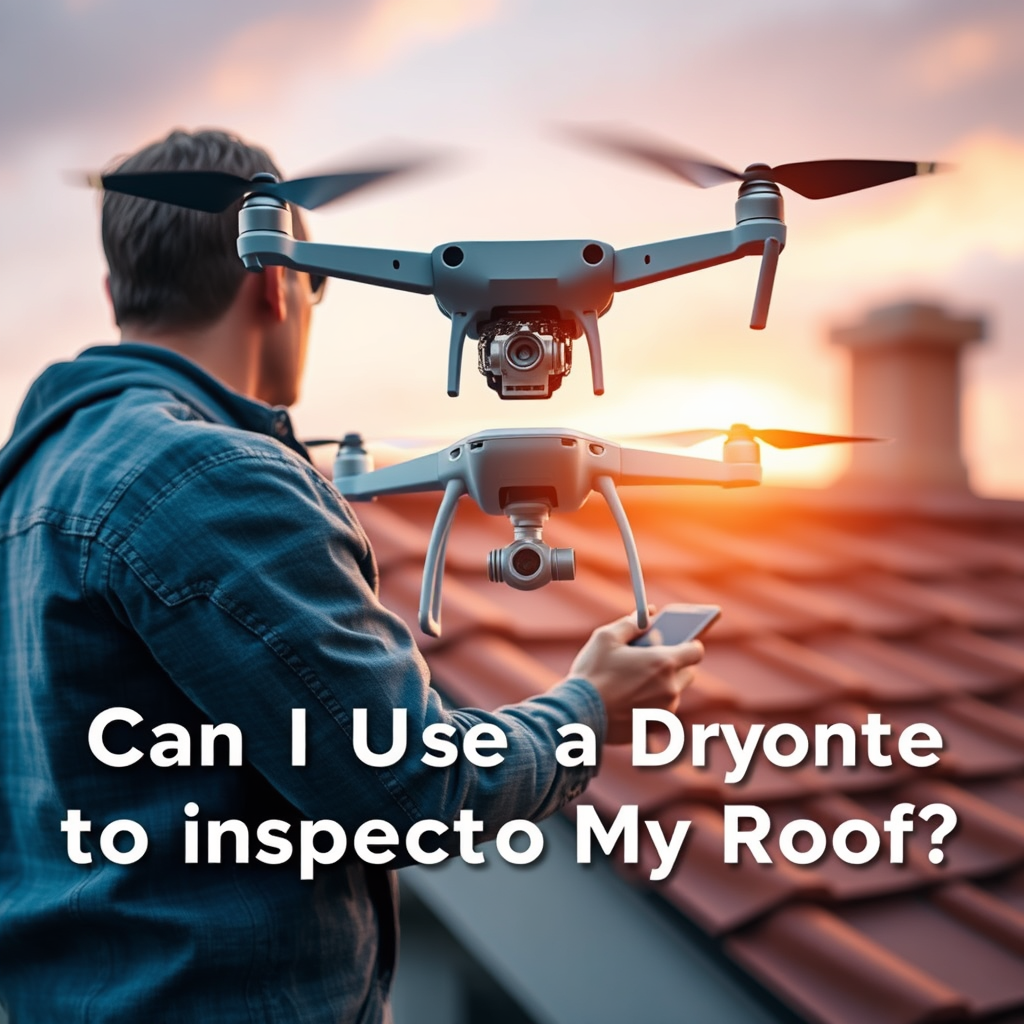
Yes, you can use a drone to inspect your roof. Drones provide an innovative solution for roof inspections, enabling homeowners and professionals to assess roof conditions without the risks associated with climbing ladders or scaffolding. By leveraging advanced imaging technology, drones allow for comprehensive inspections that can identify potential issues before they escalate into costly repairs. In this article, we will delve into the myriad benefits of drone-assisted roof inspections, the regulations governing their use, how to choose the right drone, preparation steps before the inspection, the actual inspection process, and how to analyze the findings post-inspection.
Benefits of Using Drones for Roof Inspections
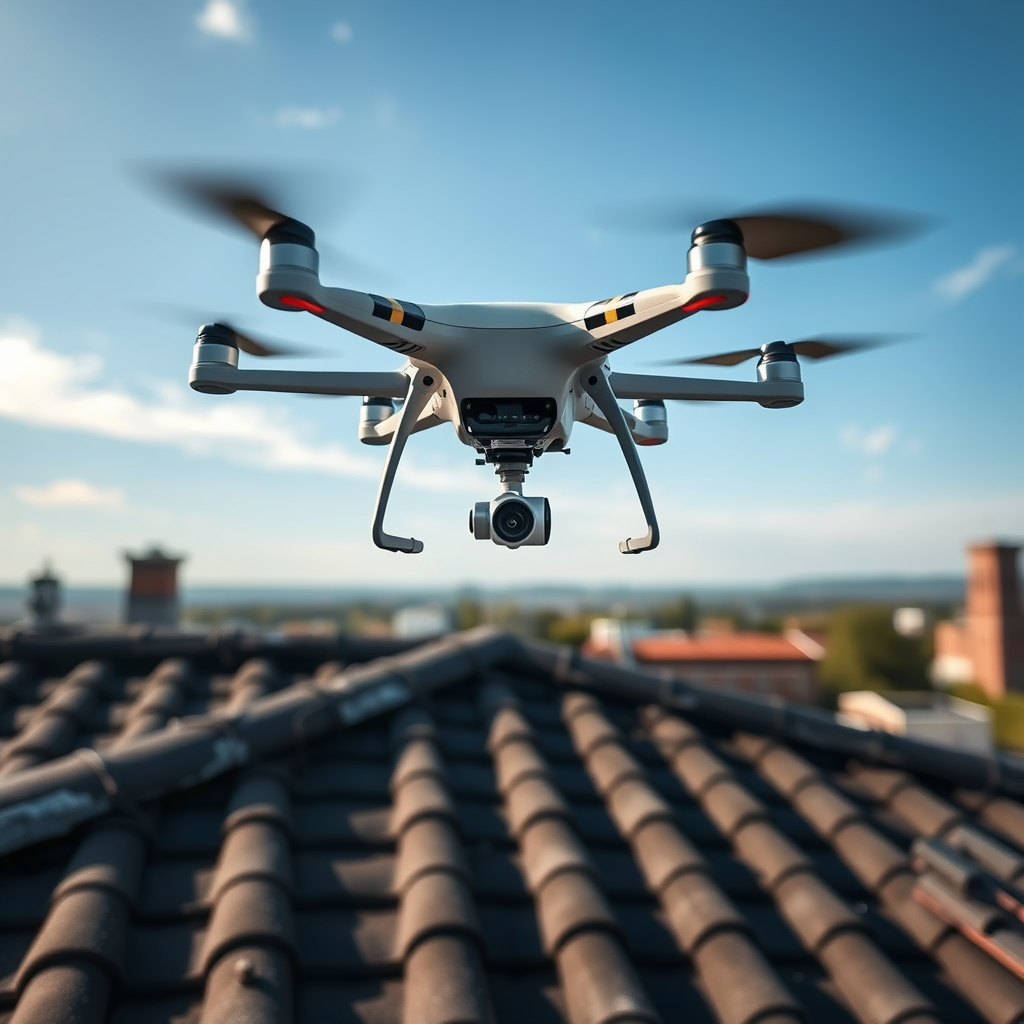
Utilizing drones for roof inspections offers several distinct advantages. First and foremost, drones are capable of capturing high-resolution images and video footage, which facilitate detailed assessments of the roof’s condition. This capability allows inspectors to identify problems such as missing shingles, water damage, or structural issues that may not be visible from the ground.
Furthermore, drones significantly reduce the risk of accidents related to climbing ladders or traversing rooftops. Traditional inspections often involve hazardous conditions, especially on steep or high roofs. Drones eliminate these dangers by allowing operators to perform inspections from a safe distance.
Additionally, drones save time and enhance efficiency. They can cover large areas quickly and provide immediate feedback, which is particularly beneficial in scenarios where time is of the essence, such as after a storm. For instance, a drone can complete a thorough inspection of a residential roof in a matter of minutes, compared to the hours it may take a human inspector to do the same.
Drone Regulations and Requirements
Before using a drone for roof inspections, it is crucial to familiarize yourself with the regulations set forth by the Federal Aviation Administration (FAA) regarding drone usage. In the United States, any drone operation for commercial purposes requires the operator to have a Remote Pilot Certificate, which ensures adherence to safety and operational standards.
Moreover, it is essential to monitor local laws that might impose additional restrictions on drone flights. Certain municipalities may have specific regulations about flying drones over private property or in certain zones, especially in urban areas. Compliance with these regulations not only ensures legal operation but also promotes safety and respect for privacy.
Choosing the Right Drone for Roof Inspections
Selecting the appropriate drone for roof inspections involves several considerations. First, look for drones equipped with high-quality cameras that offer at least 4K resolution. This ensures that the images and videos captured during the inspection provide clarity and detail necessary for identifying issues.
Stabilization features are also critical, as they help maintain image quality even in windy conditions. A drone with a gimbal stabilization system can produce steady footage, which is crucial for accurate assessments.
Additionally, consider drones with thermal imaging capabilities. Thermal cameras can detect heat leaks and moisture issues that may not be visible in standard photography, providing a more comprehensive overview of the roof’s condition.
Lastly, evaluate battery life to ensure that the drone can cover the entire inspection area without the need for frequent recharging. A drone with a flight time of at least 20-30 minutes is generally ideal for most residential roof inspections.
Pre-Inspection Preparation
Proper preparation is key to a successful drone roof inspection. Start by creating a detailed flight plan that outlines the specific areas of the roof that need attention. This plan should prioritize areas known to have issues or those that are particularly hard to access.
Before the inspection, it is also vital to check the weather conditions. Flying a drone in windy or rainy weather can affect performance and image quality. Ideally, aim for a clear day with minimal wind, as these conditions will yield the best results.
Moreover, conducting a pre-flight inspection of the drone itself is essential. Check for any technical issues, such as battery levels, camera functionality, and software updates. Ensuring that the drone is in optimal working condition will prevent delays and ensure a smooth inspection process.
Conducting the Roof Inspection
During the inspection, fly the drone at a safe altitude, typically between 10 to 30 meters, to capture clear and detailed images of the roof. Utilize various angles and heights to gain a comprehensive view of the entire roof structure. This approach allows for better identification of potential problems, such as sagging areas or accumulation of debris.
As you conduct the inspection, take notes on any visible issues, including damaged shingles, cracked flashing, or signs of water intrusion. Documenting these findings during the flight can streamline the post-inspection analysis and help prioritize repair tasks.
It’s also advisable to use automated flight paths, if available, to ensure that no areas are missed during the inspection. Many modern drones can be programmed to fly in specific patterns, making the process more efficient and thorough.
Post-Inspection Analysis
After the inspection, the next step is to review and analyze the captured images and videos. This process is vital for a detailed assessment of the roof’s condition. Look for patterns in the data, such as clusters of damage or recurring issues that may indicate larger underlying problems.
For a more professional evaluation, consider sharing the findings with a licensed roofer. They can provide expert insights into the severity of the issues identified and recommend appropriate repair solutions.
Additionally, documenting your findings is crucial for future reference. Maintain records of the inspection data, including images and notes, as these can be valuable for tracking the condition of the roof over time and for any future inspections.
In conclusion, using a drone to inspect your roof is a practical and effective solution that enhances safety and efficiency. By understanding the benefits, adhering to regulations, selecting the right equipment, and following best practices, you can conduct thorough roof inspections with ease. If you are considering a drone inspection, invest the time in research and preparation to maximize the benefits of this technology, ensuring your roof remains in optimal condition.
Frequently Asked Questions
Can I legally use a drone to inspect my roof?
Yes, you can legally use a drone to inspect your roof, but you must adhere to the regulations set by the Federal Aviation Administration (FAA) if you are in the United States. This includes flying the drone within visual line-of-sight, not exceeding 400 feet in altitude, and avoiding flying over people or moving vehicles. If you plan to use the drone for commercial purposes, you’ll need to obtain a Part 107 Remote Pilot Certificate.
What are the benefits of using a drone for roof inspections?
Using a drone for roof inspections offers several benefits, including enhanced safety, reduced labor costs, and increased efficiency. Drones can easily access hard-to-reach areas, allowing inspectors to gather high-resolution images and videos without the need for scaffolding or ladders. This technology also enables quicker assessments, which can help homeowners and property managers identify potential issues before they escalate.
How do I prepare my drone for a roof inspection?
Preparing your drone for a roof inspection involves several steps. First, ensure that your drone is fully charged and in good working condition to avoid any mid-flight failures. Familiarize yourself with the drone’s controls and camera settings, and consider mapping out the inspection area to optimize your flight path. It’s also important to check the weather conditions, as high winds or rain can affect flight stability and safety.
Which types of drones are best for roof inspections?
The best drones for roof inspections typically feature high-resolution cameras, stability in flight, and advanced GPS capabilities. Popular choices include models like the DJI Mavic 2 Pro, which offers a 20MP Hasselblad camera, or the DJI Phantom 4 RTK, known for its precision and mapping capabilities. Look for drones with obstacle avoidance features and longer flight times to ensure thorough inspections.
Why should I consider using a professional service for drone roof inspections?
While you can use a drone for roof inspections yourself, hiring a professional service can provide you with peace of mind and expert analysis. Professional drone operators have the necessary training and experience to capture high-quality footage and perform detailed assessments. They can also identify issues that you might overlook, such as subtle signs of damage or deterioration, ensuring that your roof remains in optimal condition.
References
- https://www.faa.gov/uas/commercial_operators/
- https://www.nytimes.com/2021/07/15/realestate/drones-roof-inspection.html
- https://www.wired.com/story/how-drones-are-revolutionizing-roof-inspections/
- https://www.nrcan.gc.ca/our-natural-resources/minerals-mining/mining-industry/drones-in-mining/20265
- https://www.sciencedirect.com/science/article/pii/S2351978921001463
