
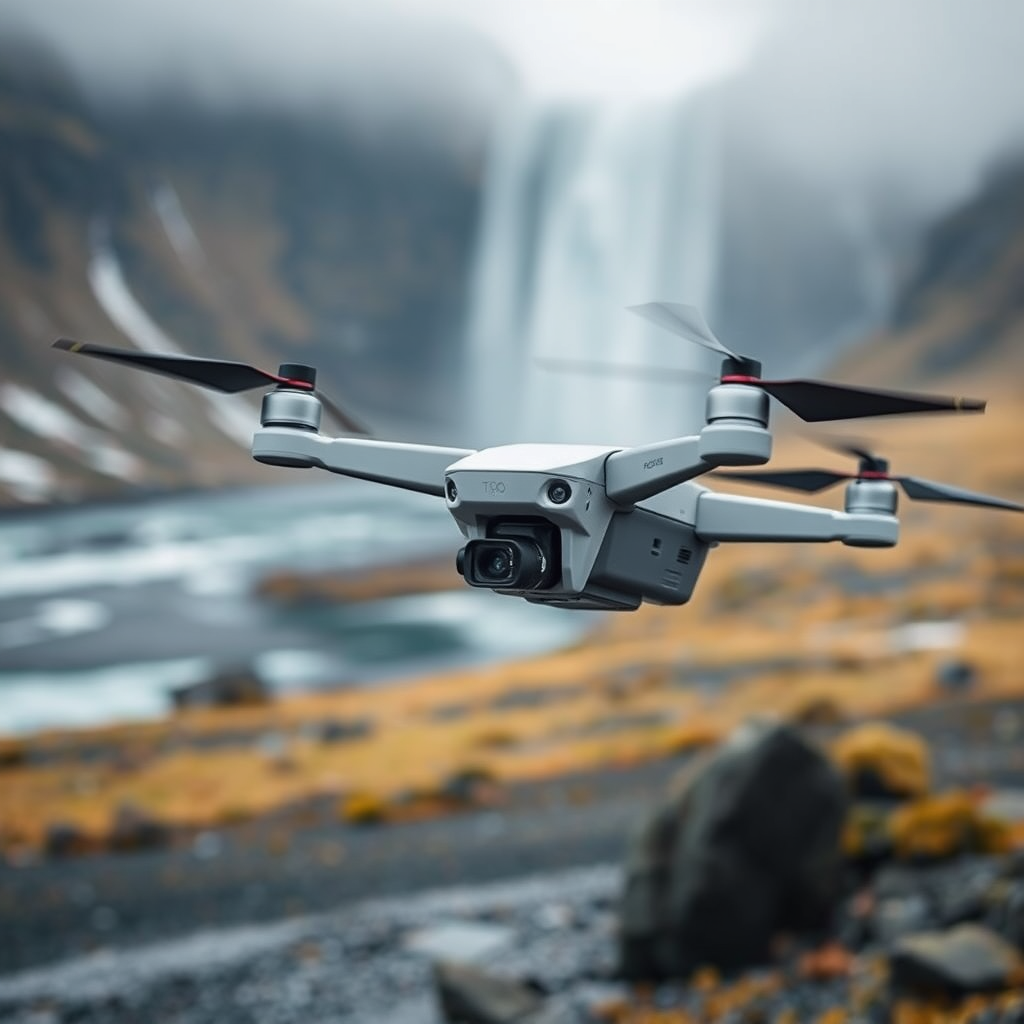
Yes, you can use a drone in Iceland, but there are specific regulations and guidelines you must follow. Iceland’s breathtaking landscapes offer incredible opportunities for aerial photography and videography, making it a prime destination for drone enthusiasts. However, to ensure a safe and responsible flying experience, it is crucial to understand the legal framework and best practices governing drone usage in this unique Nordic country.
Understanding Iceland’s Drone Regulations
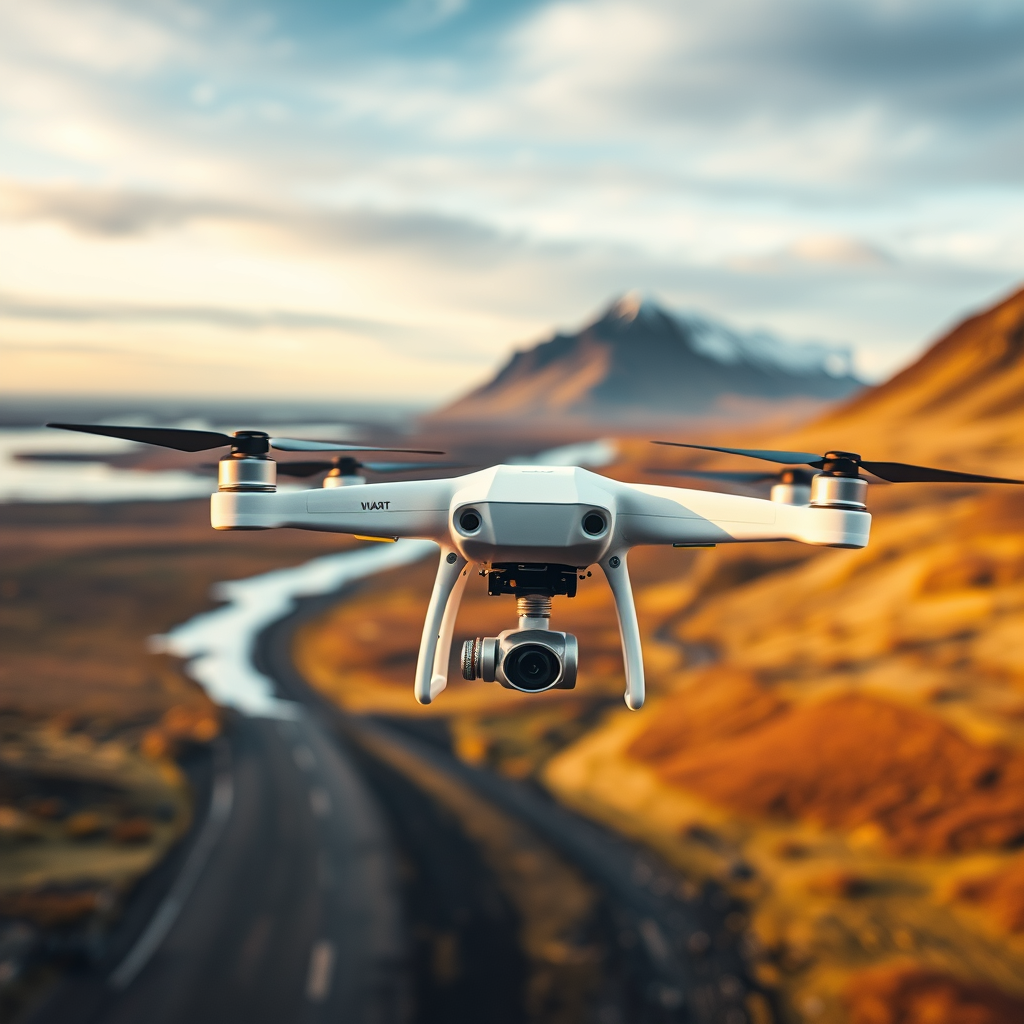
In Iceland, the regulations regarding drone usage are laid out by the Icelandic Transport Authority, ensuring that drone pilots operate within a structured legal framework. One of the primary requirements is that all drones weighing more than 250 grams must be registered with the authority. This registration process involves providing your personal information and details about the drone, which helps maintain accountability among operators.
Drone pilots are also required to adhere to specific operational guidelines, such as maintaining a certain distance from people and property, as well as abiding by altitude restrictions. For instance, drones must not fly higher than 120 meters (approximately 394 feet) above ground level. Additionally, flying near crowds, urban areas, or sensitive sites is typically prohibited to prevent safety hazards and privacy violations. Familiarizing yourself with these regulations is essential for a successful drone experience in Iceland.
No-Fly Zones and Restrictions
While Iceland is known for its stunning natural beauty, it also has several no-fly zones where drone operation is strictly prohibited. Key locations include national parks such as Þingvellir National Park, Snæfellsjökull National Park, and Vatnajökull National Park. These areas are protected to preserve the unique ecosystems and biodiversity found within them. Flying a drone in these regions can lead to substantial fines and legal repercussions.
Furthermore, drones are restricted near airports, heliports, and other air traffic zones to ensure the safety of both aerial and ground operations. Before flying, it is crucial to check local regulations and online resources, such as the Icelandic Transport Authority’s website, for any updates on no-fly zones or temporary restrictions. Always respect these regulations to avoid penalties and contribute to responsible drone use.
Best Practices for Flying Drones in Iceland
For a safe and enjoyable drone flying experience, adhering to best practices is essential. First and foremost, maintain your drone within visual line of sight at all times while operating it. This not only ensures compliance with regulations but also enhances safety by allowing you to avoid obstacles and monitor your drone’s performance effectively.
Additionally, respect the privacy of individuals by avoiding flying over private properties without explicit permission. Iceland is home to many remote and beautiful locations, but it is important to be considerate of the people living in these areas. Be aware of local customs and practices, and engage with the community when possible to foster goodwill towards drone operators.
Lastly, always be prepared for Iceland’s unpredictable weather conditions. Wind, rain, and sudden changes in visibility can impact drone performance. Carry weather-appropriate gear and familiarize yourself with the drone’s capabilities in various conditions to ensure a successful flight.
Ideal Locations for Drone Photography
Iceland’s diverse landscapes provide an array of breathtaking locations ideal for drone photography. The Golden Circle, which includes Þingvellir National Park, Geysir geothermal area, and Gullfoss waterfall, offers spectacular views that can be captured from above. The unique geological formations and vibrant colors of the landscape make this a must-visit route for drone enthusiasts.
Another remarkable area is the Snæfellsnes Peninsula, often referred to as “Iceland in Miniature” due to its diverse scenery, including mountains, beaches, and charming fishing villages. The iconic Kirkjufell mountain, along with its nearby waterfalls, provides a stunning backdrop for aerial shots.
However, it is crucial to remain aware of changing weather conditions, as they can impact both drone performance and safety. Always check forecasts and be prepared to adapt your plans accordingly.
Tips for Responsible Drone Use
As a drone operator in Iceland, it is your responsibility to practice environmental stewardship and respect the natural surroundings. Following the Leave No Trace principles is vital for maintaining the pristine beauty of Iceland’s landscapes. This means avoiding littering, staying on designated paths, and minimizing your impact on the environment.
Moreover, be mindful of wildlife, particularly during nesting periods. Many birds and animals may be vulnerable to disturbances caused by drone activity. Research seasonal behaviors of local wildlife and plan your flights accordingly to minimize potential disruptions. By being a responsible drone pilot, you contribute to the preservation of Iceland’s natural heritage.
Insurance and Liability Considerations
Before embarking on your drone adventure in Iceland, it is advisable to consider obtaining drone insurance. This coverage can protect you from potential damages, accidents, or liability claims that may arise during your flights. Many insurance providers offer plans specifically tailored for drone operations, so it is worth exploring your options.
Familiarizing yourself with local liability laws is also crucial. In the event of an incident, understanding your responsibilities and potential legal ramifications can help you navigate any challenges that may arise. Being proactive and informed can provide peace of mind as you explore Iceland’s stunning landscapes.
In conclusion, flying a drone in Iceland can be a rewarding experience when done responsibly and legally. By understanding the regulations, respecting no-fly zones, and adhering to best practices, you can enjoy capturing the breathtaking beauty of this remarkable country. Always stay informed about local laws and the environment, and take the necessary precautions to ensure a safe and enjoyable drone adventure. Plan your excursions wisely and immerse yourself in the stunning vistas that Iceland has to offer from above!
Frequently Asked Questions
Can I use a drone in Iceland for recreational purposes?
Yes, you can use a drone in Iceland for recreational purposes, but there are specific regulations you must adhere to. The Icelandic Transport Authority requires drone operators to register their drones and comply with national aviation regulations. Additionally, you should avoid flying near populated areas, wildlife, and national parks to ensure safety and respect for the environment.
What are the drone flying regulations in Iceland that I should know?
The drone flying regulations in Iceland include maintaining a maximum altitude of 120 meters (394 feet) and keeping your drone within visual line of sight at all times. It’s prohibited to fly over crowds, near airports, or in restricted areas such as national parks without special permission. Always check for local updates and guidelines, as regulations can change frequently.
How do I get permission to fly a drone in Iceland’s national parks?
To fly a drone in Iceland’s national parks, you typically need to obtain special permission from the park authorities. This process can vary by park, so it’s crucial to contact the relevant management office directly before your trip. Make sure to clearly state your intended use of the drone and comply with any conditions they may impose.
Why is it important to follow drone regulations in Iceland?
Following drone regulations in Iceland is essential for several reasons, including ensuring the safety of people, wildlife, and the environment. Non-compliance can lead to hefty fines, confiscation of your drone, or even legal action. Moreover, adhering to these regulations helps preserve Iceland’s stunning landscapes and unique ecosystems for future generations to enjoy.
What are the best practices for flying a drone in Iceland?
The best practices for flying a drone in Iceland include planning your flights carefully, respecting no-fly zones, and avoiding peak tourist areas to minimize disturbances. Always check the weather conditions, as Icelandic weather can change rapidly. Additionally, familiarize yourself with local customs and wildlife sensitivities to ensure a responsible and enjoyable drone flying experience.
References
- https://www.iceland.is/fly-to-iceland/travel-tips/drone-use-in-iceland
- https://www.government.is/topics/nature-and-environment/drones-in-iceland/
- https://www.visittheusa.com/travel-ideas/drone-photography-iceland
- https://www.reykjavik.com/drone-photography-in-iceland/
- https://www.nationalgeographic.com/travel/article/using-drones-in-iceland
- https://www.wildlife.is/faq/can-i-use-a-drone-in-iceland
- https://www.alla.is/blog/drone-regulations-in-iceland
