
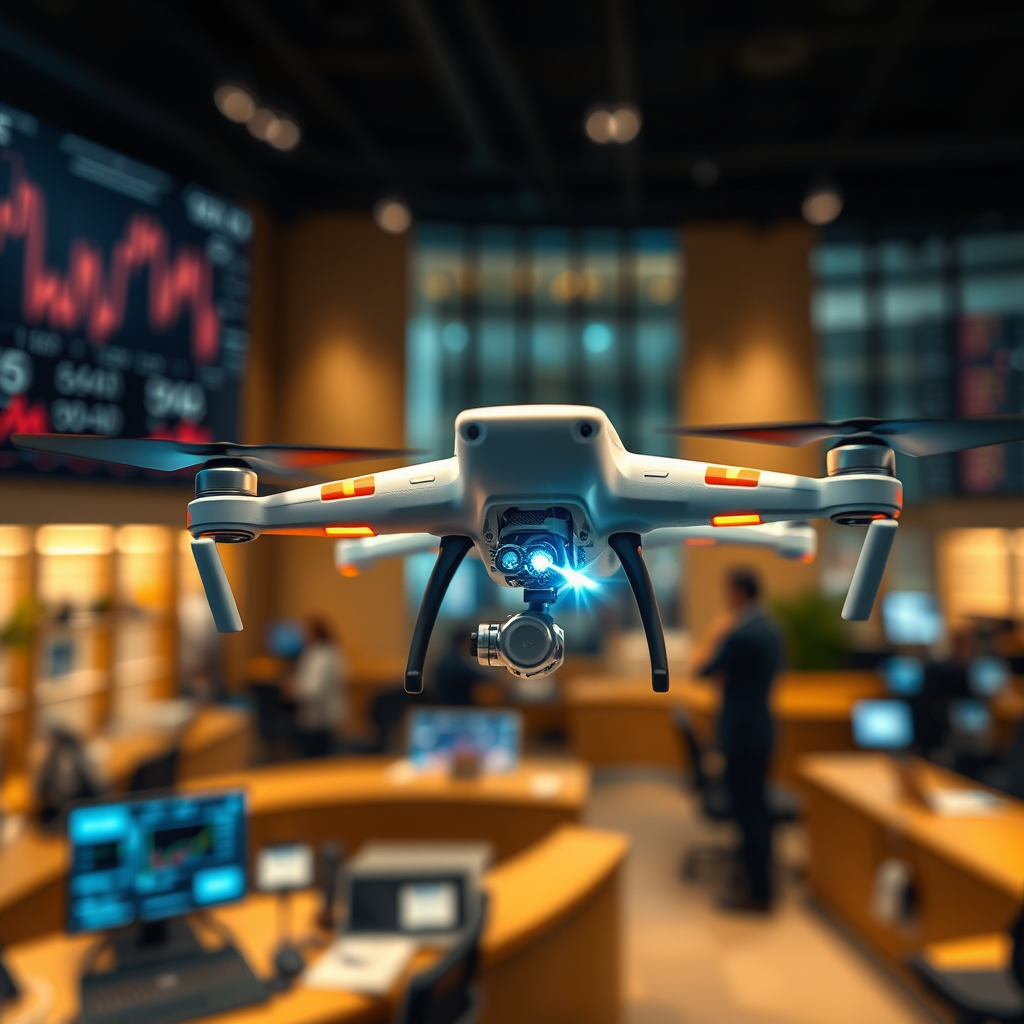
Yes, insurance companies can use drones, and they are increasingly integrating this technology into their operations. Drones provide valuable data for risk assessment, claims processing, and property inspections, allowing insurers to enhance efficiency and accuracy in their services. With advancements in drone technology, insurance companies are not only streamlining their processes but also offering improved service delivery to their clients. This article delves into the various facets of drone usage within the insurance industry, exploring its benefits, applications, regulatory challenges, and future potential.
Understanding Drone Technology in Insurance
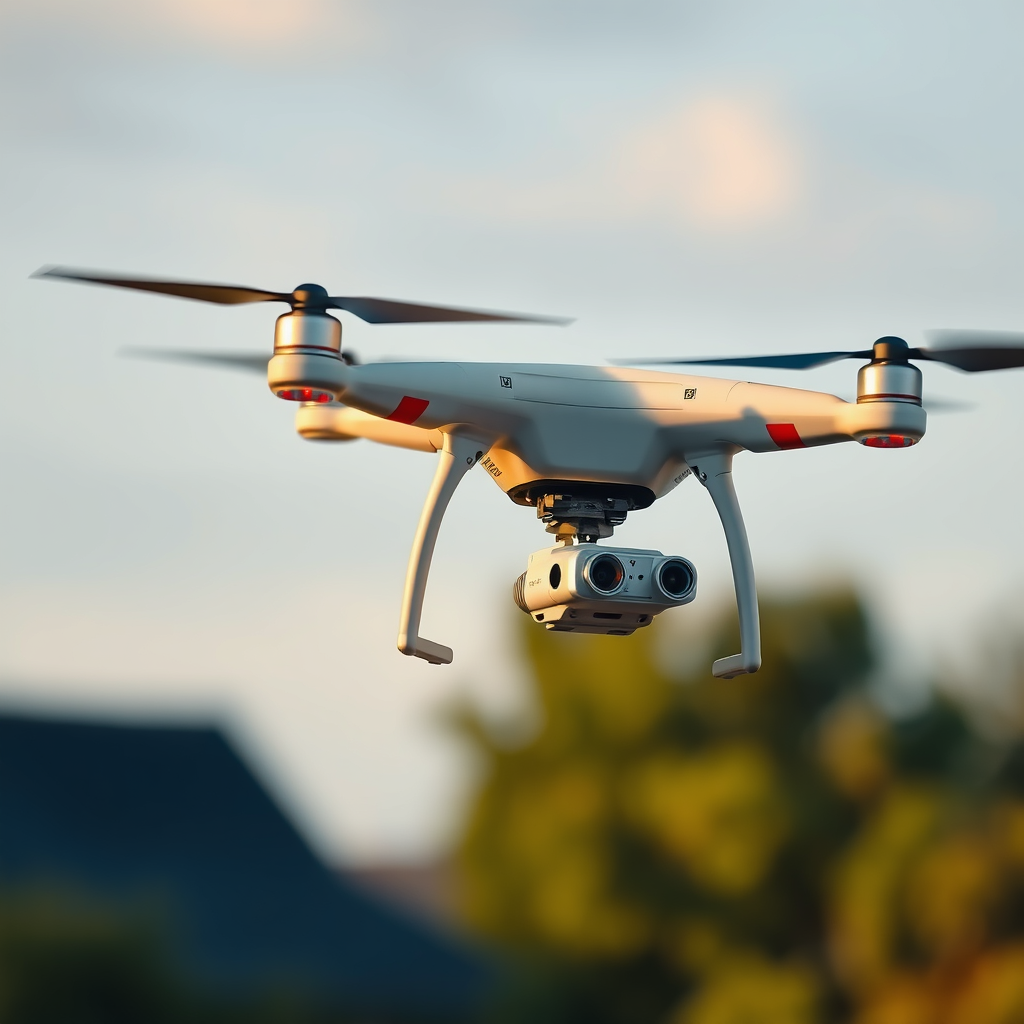
Drones, or unmanned aerial vehicles (UAVs), operate through a combination of hardware and software that allows them to navigate and capture high-resolution imagery from the air. Equipped with cameras and sensors, these flying machines can gather data that would be labor-intensive and time-consuming for human inspectors to collect. Common types of drones used in the insurance sector include multi-rotor drones, which are ideal for stability and ease of use in residential inspections, and fixed-wing drones, which cover larger areas more efficiently, making them suitable for commercial and agricultural assessments.
The capabilities of drones extend beyond simple photography; they can also utilize thermal imaging to detect heat loss in buildings, capture 3D models of properties for detailed inspections, and even survey large-scale disaster areas to provide real-time assessments. This technology is revolutionizing how insurers approach their risk management and claims processes.
Benefits of Using Drones for Insurance Companies
One of the primary benefits of using drones in the insurance sector is the improvement in data collection for assessments and claims. Drones can quickly and accurately assess damage after natural disasters or accidents, producing high-resolution images and data that help adjusters make informed decisions. This immediate access to aerial data can significantly reduce the time taken to process claims, resulting in quicker payouts for policyholders.
Additionally, the use of drones leads to substantial cost savings for insurance companies. Traditional methods of property inspection often require extensive manpower and can involve significant travel costs, especially in remote or hard-to-reach areas. By employing drones, insurers can minimize labor costs and enhance operational efficiency, ultimately translating to lower premiums for customers and increased competitiveness in the market.
Applications of Drones in Insurance Claims
Drones play a crucial role in facilitating property inspections following disasters, such as hurricanes, floods, or fires. After such events, adjusting claims can be overwhelming, and the use of drones allows insurers to rapidly assess damage over wide areas, capturing images that determine the extent of loss and facilitating swift decision-making. For instance, after the 2020 wildfires in California, several insurance companies deployed drones to inspect affected properties, enabling them to expedite claims processing and provide timely relief to their clients.
Furthermore, aerial imagery gathered by drones aids in verifying claims. For example, if a policyholder claims damage to their roof, drones can provide visual evidence that corroborates or refutes the claim, thus enhancing the integrity of the claims process. This level of detail not only helps in minimizing fraudulent claims but also enhances trust between insurers and policyholders.
Regulatory Considerations for Drones in Insurance
The integration of drones in the insurance industry must comply with various regulations set forth by the Federal Aviation Administration (FAA) and other bodies. FAA regulations dictate that drones must be flown within the operator’s visual line of sight, not exceed a certain altitude, and adhere to specific airspace restrictions. Insurance companies must ensure that their drone operations align with these regulations to avoid legal repercussions.
Additionally, compliance with privacy laws is crucial. Drones equipped with cameras can inadvertently capture images of individuals and private property not related to the claim being investigated. Insurance companies need to establish protocols to secure consent and protect the privacy of those being photographed, thereby taking proactive steps to mitigate potential backlash and legal challenges.
Challenges in Implementing Drone Technology
Despite the clear advantages of drone technology, several challenges hinder its widespread adoption in the insurance industry. One significant hurdle is the technical requirement for skilled operators. Drones must be operated by individuals who are trained and certified, which may present a challenge for insurance companies looking to scale their drone initiatives quickly. Companies may need to invest in training programs or partner with third-party drone service providers to ensure they have access to qualified personnel.
Moreover, public perception plays a critical role in the acceptance of drone technology. Concerns about privacy invasion and safety issues can lead to resistance from policyholders and the general public. Insurers must actively engage in educational campaigns to inform stakeholders about the benefits of drones while addressing their concerns, fostering a more welcoming environment for this technology.
Future Trends in Drone Usage for Insurance
Looking ahead, the future of drone technology in the insurance sector is promising. As advancements continue to emerge, we can expect drones to become increasingly autonomous, with capabilities for advanced data analysis and integration into existing insurance software systems. These improvements could lead to more refined risk assessments and underwriting processes, as drones will be able to provide ongoing monitoring of properties, thereby allowing insurers to offer tailored coverage based on real-time data.
Furthermore, the integration of artificial intelligence (AI) with drone technology may revolutionize how insurance companies analyze data. AI algorithms could process images collected by drones to identify patterns and predict potential risks, enabling insurers to proactively manage risk exposure and adjust policies accordingly.
In summary, the integration of drones in the insurance industry presents a wealth of opportunities for improved efficiency and accuracy. As technology continues to evolve, insurers must stay informed about regulatory landscapes and public sentiment to fully leverage the benefits of drone technology. By addressing challenges and embracing this innovative approach, insurance companies can enhance their service offerings and better meet the needs of their clients.
Frequently Asked Questions
Can insurance companies use drones for property assessments?
Yes, insurance companies can use drones for property assessments to enhance their efficiency and accuracy. Drones provide aerial imagery that allows insurers to evaluate properties from various angles without the need for physical inspections, which can save time and reduce costs. This technology is particularly useful for assessing damage in hard-to-reach areas or after severe weather events.
How do insurance companies utilize drones for claims investigations?
Insurance companies utilize drones during claims investigations by deploying them to capture high-resolution images and videos of the damaged property. This aerial data helps adjusters make more informed decisions about the extent of the damage, ensuring that claims are processed accurately and swiftly. Additionally, the use of drones can provide a comprehensive view that might be missed during a traditional ground inspection.
Why are drones becoming popular in the insurance industry?
Drones are becoming popular in the insurance industry due to their ability to collect detailed data quickly and safely. They offer high-resolution imaging and thermal imaging capabilities, which can identify damage that may not be visible to the naked eye. Moreover, drones reduce the need for adjusters to access potentially hazardous areas, thereby increasing safety and efficiency in the claims process.
What are the benefits of using drones in insurance assessments?
The benefits of using drones in insurance assessments include improved data accuracy, reduced inspection time, and enhanced safety for adjusters. Drones can capture images and videos that provide a complete view of a property, leading to better-informed decisions regarding claims. Additionally, the use of drones can significantly decrease the costs associated with traditional inspection methods, making the claims process more efficient.
Which insurance companies are currently using drones?
Many leading insurance companies are currently using drones, including State Farm, Allstate, and Farmers Insurance. These companies have adopted drone technology to streamline their claims processes, improve risk assessments, and enhance customer service. As drone technology continues to evolve and regulations become more accommodating, it’s likely that even more insurers will integrate drones into their operations for various applications.
References
- https://www.reuters.com/article/us-usa-drones-insurance-idUSKBN1XH2MB
- https://www.nytimes.com/2020/10/27/business/drones-insurance.html
- https://www.wired.com/story/drones-insurance-claims/
- https://www.forbes.com/sites/forbestechcouncil/2021/06/29/how-drones-are-transforming-the-insurance-industry/
- https://www.faa.gov/uas/recreational_fliers/
- https://www.ncbi.nlm.nih.gov/pmc/articles/PMC7365399/
- https://www.insurancejournal.com/news/national/2021/04/06/611244.htm
