
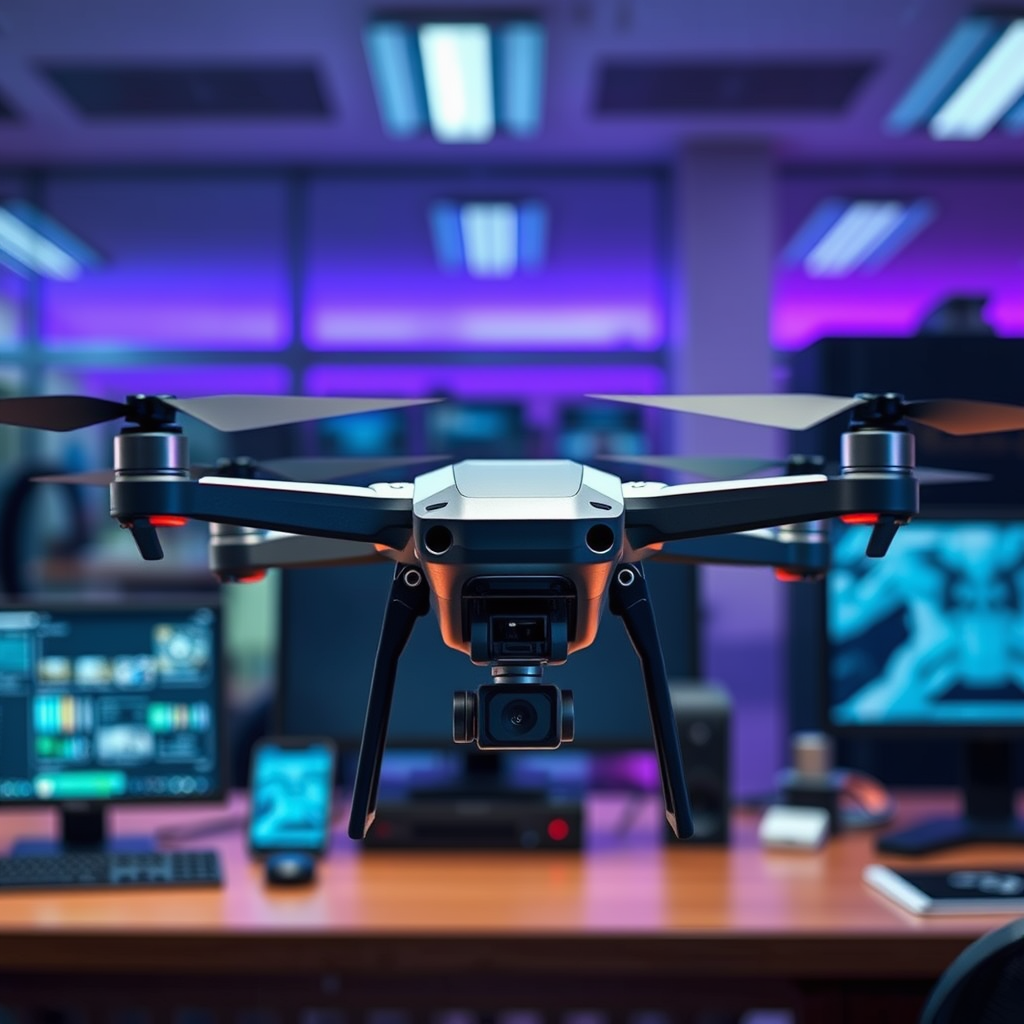
Yes, law enforcement can use drones under certain regulations and guidelines. The increasing adoption of drone technology has opened up new avenues for policing, surveillance, and public safety, but it also raises questions about privacy and accountability. As drone technology continues to evolve, police departments are increasingly integrating these tools into their operations, offering enhanced capabilities for crime prevention and response while navigating the complex legal landscape that governs their use.
Understanding Drone Technology in Law Enforcement
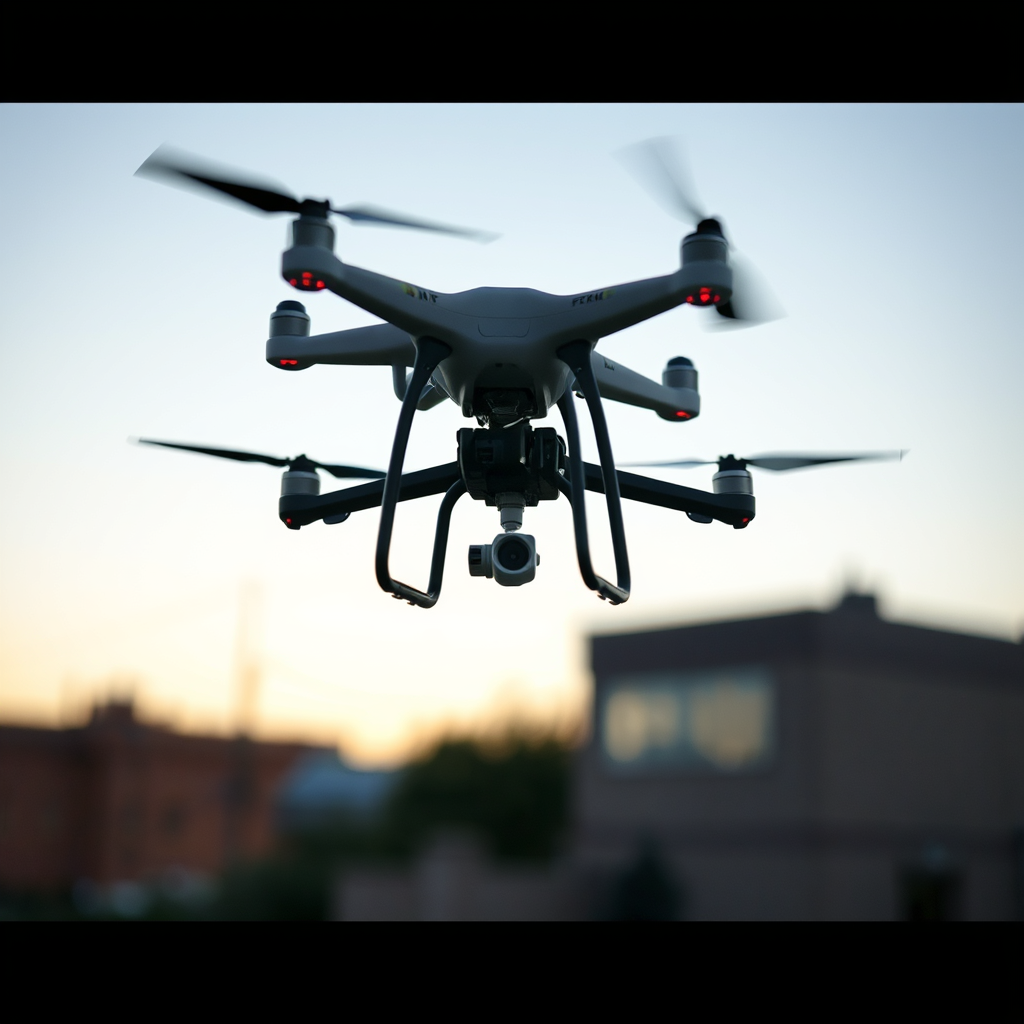
Drones, or unmanned aerial vehicles (UAVs), possess a range of capabilities that make them valuable tools for law enforcement. These capabilities include surveillance, search and rescue operations, and traffic monitoring. By utilizing high-definition cameras and thermal imaging technology, drones can provide real-time aerial views of incidents, helping officers assess situations without putting themselves in harm’s way. In search and rescue scenarios, drones can cover large areas quickly, using infrared cameras to locate individuals lost in remote or challenging environments.
The types of drones commonly used by law enforcement agencies vary based on their specific operational needs. Small quadcopters like the DJI Phantom series are often employed for surveillance and crowd monitoring due to their portability and ease of use. Larger, fixed-wing drones are utilized for extensive search missions and data collection over larger geographical areas. Some law enforcement agencies have even started experimenting with more advanced models equipped with artificial intelligence for automated surveillance and analysis.
Legal Framework Governing Drone Use
The legal framework governing drone use in law enforcement is primarily dictated by federal regulations set forth by the Federal Aviation Administration (FAA). The FAA requires that all drone operators, including law enforcement, comply with guidelines that include obtaining a remote pilot certificate, maintaining visual line-of-sight with the drone, and adhering to altitude restrictions. Additionally, drones cannot be flown over people or in controlled airspace without proper authorization.
Beyond federal regulations, state and local laws may impose additional restrictions on law enforcement’s use of drones. For example, some states have enacted legislation that requires police to obtain a warrant before deploying drones for surveillance purposes, emphasizing the importance of protecting citizens’ privacy rights. These varying laws can create a patchwork of regulations that law enforcement agencies must navigate, making compliance challenging.
Applications of Drones in Policing
Drones have found diverse applications in policing, significantly enhancing operational efficiency and effectiveness. One prominent use case is in crime scene investigations, where drones can quickly capture aerial footage of a scene, allowing investigators to analyze evidence from a unique perspective. This capability not only aids in gathering evidence but also assists in reconstructing crime scenes for better understanding and presentation in court.
Crowd control is another critical application, particularly during large events or protests. Drones can monitor crowds from above, providing real-time insights that help law enforcement manage situations effectively without deploying a large number of officers on the ground. In emergency response scenarios, drones can assist in assessing damage following natural disasters, guiding first responders to where they are needed most.
The benefits of drone use in policing extend beyond operational advantages. Drones facilitate improved efficiency in data collection, enabling faster response times and better situational awareness during critical incidents. This real-time information can be invaluable for decision-making, allowing law enforcement to act swiftly and effectively in various scenarios.
Privacy Concerns and Public Perception
The increasing use of drones by law enforcement has sparked public debate surrounding privacy implications. Many citizens express concerns about being surveilled without their consent, fearing that drone technology could lead to an erosion of civil liberties. This concern is particularly pronounced in communities that have historically faced disproportionate policing.
To address these community concerns, law enforcement agencies must take proactive measures. Implementing transparent policies regarding drone usage, including clear guidelines on when and how drones will be deployed, can help build trust with the public. Engaging with community stakeholders and holding public forums to discuss drone operations can also alleviate fears and foster an open dialogue about privacy implications.
Accountability and Oversight Mechanisms
As the use of drones in law enforcement expands, the importance of accountability and oversight cannot be overstated. Transparency in drone operations is critical to maintaining public trust. Law enforcement agencies should establish clear policies that outline the circumstances under which drones will be used and the types of data that will be collected.
Moreover, existing policies for monitoring and reviewing drone usage should be strengthened to ensure compliance with regulations and ethical standards. Regular audits, public reporting on drone operations, and the establishment of independent oversight bodies can further enhance accountability. By implementing these mechanisms, law enforcement can demonstrate their commitment to responsible drone use and address public concerns regarding surveillance practices.
Future Trends in Law Enforcement Drone Use
As technology continues to advance, the future of drone use in law enforcement appears promising. Emerging technologies, such as artificial intelligence and machine learning, have the potential to revolutionize how drones are utilized in policing. These advancements could enable drones to autonomously perform tasks such as identifying suspicious behavior or monitoring traffic patterns in real-time.
Additionally, as drone technology becomes more accessible, we may see broader adoption across various law enforcement agencies, including smaller departments that previously lacked the resources to invest in such equipment. This democratization of drone technology could lead to improved public safety across the board.
Predictions suggest that the integration of drones into policing will evolve into a more structured and regulated practice, with a stronger emphasis on ethical considerations and community engagement. As law enforcement agencies navigate the challenges and opportunities presented by drone use, ongoing dialogue with the public will be essential in shaping policies that balance operational benefits with privacy concerns.
In conclusion, while law enforcement can effectively use drones for various applications, it is essential to balance operational benefits with public concerns about privacy and accountability. As technology continues to evolve, ongoing dialogue and regulation will be critical in shaping the future of drone usage in policing. By prioritizing transparency and community engagement, law enforcement can harness the potential of drone technology while safeguarding the rights and trust of the public they serve.
Frequently Asked Questions
Can law enforcement use drones for surveillance without a warrant?
Yes, law enforcement can use drones for surveillance without a warrant in certain situations, primarily when they are in public airspace and the surveillance does not invade a reasonable expectation of privacy. However, regulations vary by state and local jurisdictions, and many have enacted laws requiring warrants for certain types of drone surveillance. It’s important for citizens to be aware of their rights and local drone laws.
How are drones used by law enforcement in search and rescue operations?
Drones are increasingly being utilized by law enforcement for search and rescue operations due to their ability to cover large areas quickly and access difficult terrains. Equipped with thermal imaging cameras, drones can locate missing persons or evaluate disaster-stricken areas faster than ground teams. This technology enhances response times and improves the chances of successful rescues.
Why are drones becoming popular tools for law enforcement agencies?
Drones are becoming popular tools for law enforcement agencies due to their cost-effectiveness, versatility, and ability to provide real-time aerial footage. They can assist in various tasks, from crowd monitoring during events to traffic management and crime scene investigations. Additionally, the use of drones can minimize risks to officers and improve overall operational efficiency.
What regulations govern the use of drones by law enforcement?
The use of drones by law enforcement is governed by federal regulations from the Federal Aviation Administration (FAA), which sets guidelines for drone operation in U.S. airspace. Local and state laws may also impose additional restrictions, such as requiring warrants for certain types of surveillance or outlining privacy protections. It’s crucial for law enforcement agencies to stay compliant with these regulations to avoid legal issues and maintain public trust.
Which types of drones are best suited for law enforcement use?
The best types of drones for law enforcement typically include multirotor drones, fixed-wing drones, and hybrid models, depending on the specific needs of the agency. Multirotor drones are ideal for short-range surveillance and close-up inspections, while fixed-wing drones cover larger areas and can fly longer distances. Agencies often choose models equipped with high-resolution cameras, thermal imaging, and GPS capabilities to enhance their operational effectiveness.
References
- https://en.wikipedia.org/wiki/Drone_usage_in_law_enforcement
- https://www.aclu.org/report/police-drones
- https://www.eff.org/deeplinks/2015/06/police-drones-need-stronger-privacy-protections
- https://www.ojp.gov/pdffiles1/nij/247350.pdf
- https://www.ncsl.org/research/civil-and-criminal-justice/drone-legislation.aspx
- https://www.faa.gov/uas/resources/policy_making/
- https://www.nytimes.com/2020/07/24/us/police-drones.html
- https://www.bbc.com/news/world-us-canada-48581224
