
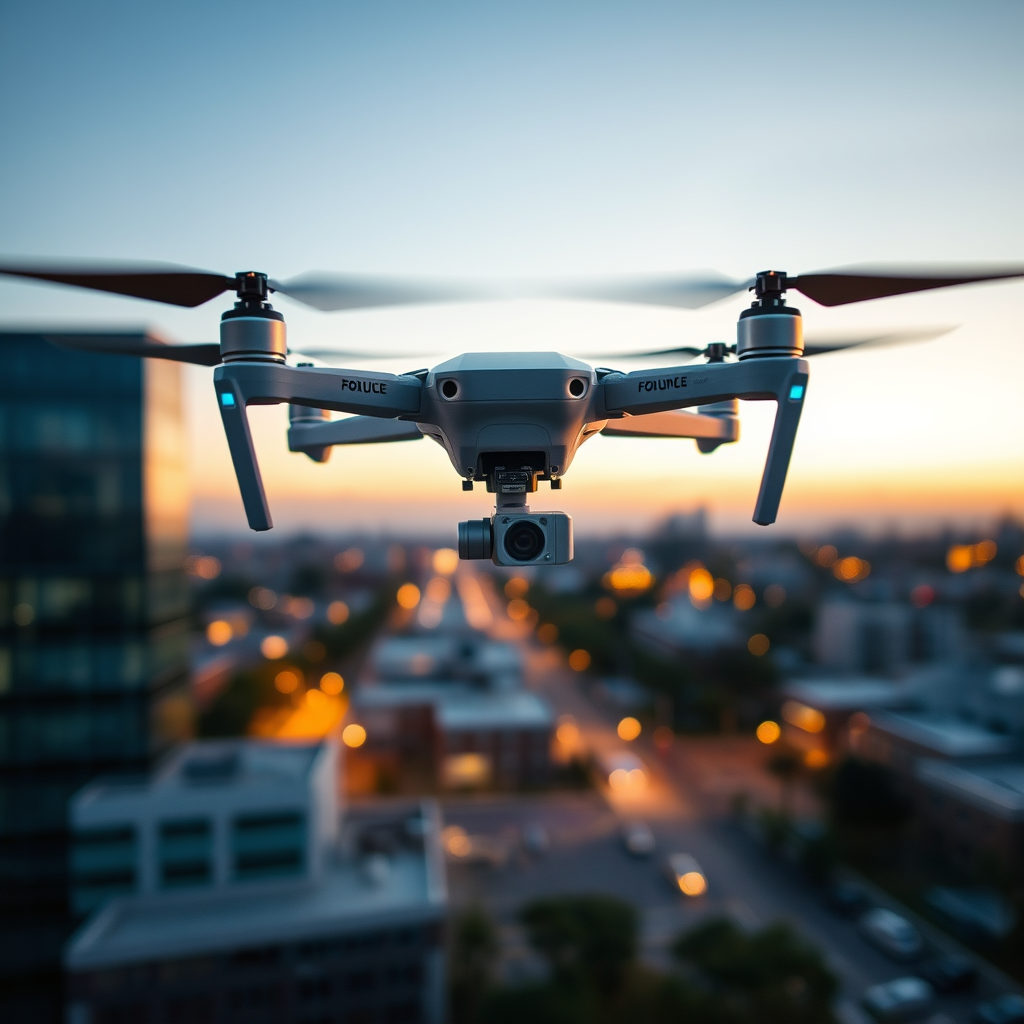
Yes, law enforcement can use drones for surveillance, provided they adhere to legal regulations and privacy concerns. Drones have evolved into powerful tools for law enforcement agencies, enabling them to enhance their monitoring and intelligence-gathering capabilities. However, the deployment of drones for surveillance purposes is governed by strict legal frameworks and ethical considerations designed to protect citizens’ rights and privacy.
Understanding Drone Surveillance in Law Enforcement
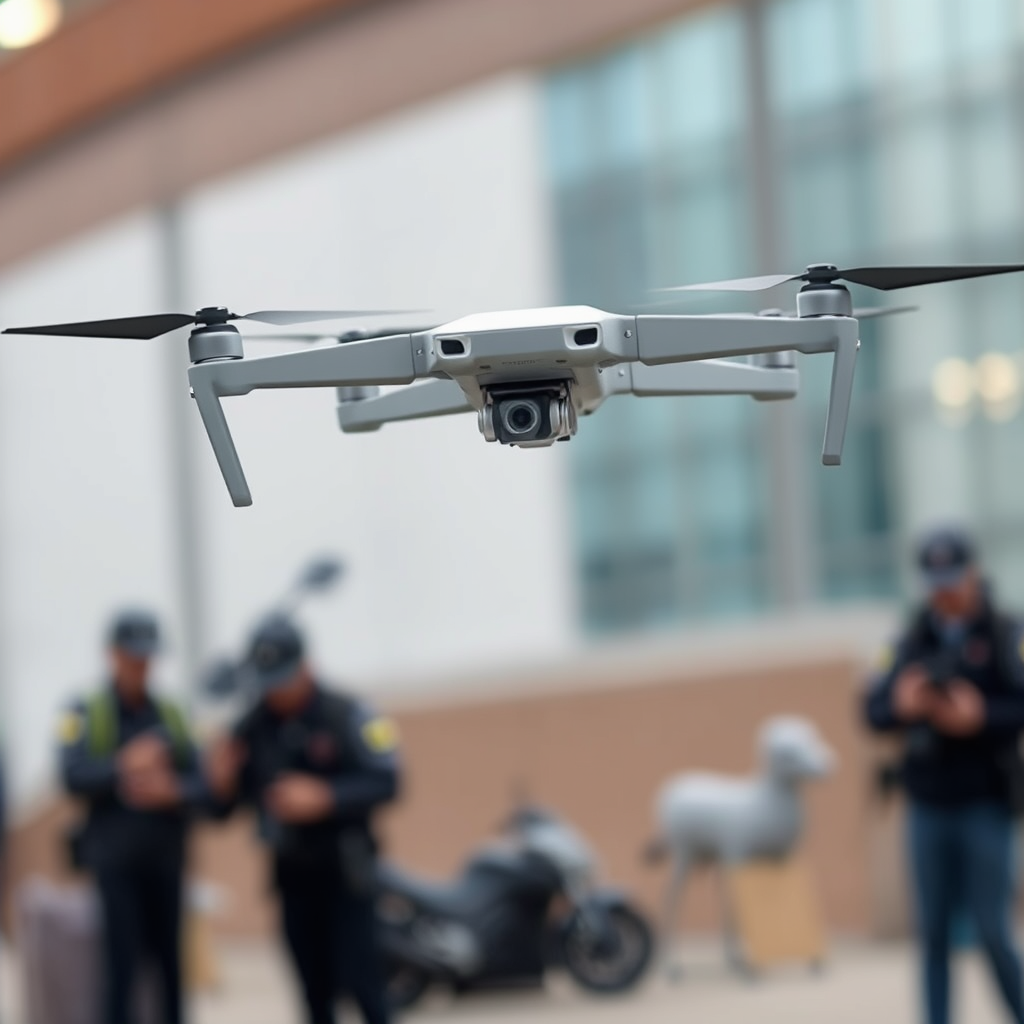
Drone surveillance refers to the use of unmanned aerial vehicles (UAVs) equipped with cameras and sensors to monitor activities from above. In policing, this technology can be applied in various contexts, such as crowd monitoring during public events, search and rescue operations, and the surveillance of crime scenes or high-risk areas. The ability to cover large geographical areas quickly and efficiently allows law enforcement to gather real-time data, which can be vital for decision-making in critical situations.
The technology behind drones used in law enforcement typically includes high-resolution cameras, thermal imaging sensors, and GPS capabilities. These features enable officers to capture detailed images and videos, even in low-light conditions, and track movements accurately. Modern drones are equipped with advanced software that allows for data analysis and integration with other law enforcement tools, thus enhancing their effectiveness in various operations.
Legal Framework Governing Drone Use
The legal landscape surrounding drone surveillance is complex, primarily governed by federal and state laws. The Federal Aviation Administration (FAA) regulates the use of drones in U.S. airspace, requiring law enforcement agencies to obtain specific certifications to operate UAVs for surveillance purposes. Additionally, the Fourth Amendment of the U.S. Constitution protects citizens against unreasonable searches and seizures, necessitating law enforcement to obtain search warrants in many situations before deploying drones for surveillance.
Obtaining a search warrant typically requires law enforcement to demonstrate probable cause that a crime has been committed or that evidence of a crime can be found in the area to be surveilled. This legal requirement acts as a safeguard against potential abuses of drone surveillance, ensuring that citizens’ privacy rights are respected while allowing law enforcement to effectively perform their duties.
Privacy Concerns and Ethical Considerations
The use of drones for surveillance raises significant privacy concerns, as individuals may feel that their daily activities are subject to constant monitoring. The potential for drones to capture images and videos without individuals’ consent leads to questions about the balance between public safety and personal privacy. Critics argue that indiscriminate surveillance can lead to a chilling effect on free speech and assembly, as individuals may be less likely to engage in public discourse if they believe they are being watched.
To address these concerns, many law enforcement agencies are implementing strict policies governing drone usage. These policies often include guidelines on when and how drones can be deployed, as well as protocols for data retention and sharing. Ensuring transparency in drone operations and involving the community in discussions about their use can help build trust between law enforcement and the public, thus fostering a collaborative approach to safety and security.
Types of Surveillance Drones Used by Law Enforcement
Law enforcement agencies utilize various types of drones, each tailored to specific operational needs. For instance, multi-rotor drones are popular for their agility and ability to hover in place, making them ideal for monitoring events or situations requiring close observation. Fixed-wing drones, on the other hand, can cover larger areas and are often used for search and rescue missions or surveillance over expansive geographical regions.
Many of these drones come equipped with advanced features such as thermal imaging, which allows law enforcement to detect heat signatures even in darkness, and high-resolution cameras that capture clear images from significant altitudes. The benefits of using drones over traditional surveillance methods are substantial. Drones can reduce manpower costs, minimize risks to officers during high-stakes operations, and provide a level of situational awareness that was previously unattainable.
Case Studies of Drone Surveillance in Action
Several case studies illustrate the effective use of drones in law enforcement operations. For example, the Los Angeles Police Department (LAPD) has utilized drones during large public gatherings to monitor crowd safety and prevent potential incidents. The drones provided real-time imagery, enabling officers to respond more rapidly to any developing situations. Community responses to these initiatives have been mixed, with some praising their effectiveness while others express concerns about privacy implications.
In another instance, a law enforcement agency in North Dakota used drones to assist in search and rescue operations during a severe winter storm. The drones were able to cover vast areas more quickly than ground teams, leading to the successful recovery of missing individuals. These examples highlight the operational advantages drones can offer while also underscoring the importance of community engagement and transparency regarding their use.
Future of Drone Surveillance in Policing
As drone technology continues to evolve, trends such as artificial intelligence and machine learning are expected to play an increasingly significant role in law enforcement operations. Enhanced data analytics capabilities may allow drones to identify patterns or anomalies in real-time, aiding in crime prevention and response strategies. Additionally, the integration of drones with other technology, such as body cameras and smart city infrastructure, could create more comprehensive surveillance systems.
Regulatory frameworks may also evolve in response to technological advancements. As drones become more capable, lawmakers will need to reassess existing regulations to ensure they adequately address new challenges related to privacy and civil liberties. Ongoing discussions among stakeholders, including law enforcement, policymakers, and the public, will be crucial in shaping the future landscape of drone surveillance in policing.
In conclusion, while law enforcement can effectively utilize drones for surveillance, it is essential to navigate the legal and ethical landscapes carefully. Drones offer substantial advantages for monitoring and intelligence gathering, but their deployment must respect citizens’ rights and privacy. As technology continues to advance, ongoing discussions about privacy and regulation will shape the future of drone use in policing, ensuring that public safety and individual liberties are balanced effectively.
Frequently Asked Questions
What are the legal limitations on law enforcement using drones for surveillance?
Law enforcement agencies can use drones for surveillance, but they must adhere to specific legal limitations and regulations. These often include obtaining warrants for surveillance in private spaces, ensuring compliance with the Fourth Amendment, and following local and state laws that govern drone usage. Additionally, agencies must respect privacy rights and avoid using drones in a manner that could be considered intrusive or unreasonable.
How do drones enhance law enforcement surveillance capabilities?
Drones enhance law enforcement surveillance capabilities by providing aerial views that are difficult to capture from the ground. Equipped with high-definition cameras and thermal imaging technology, drones can monitor large areas quickly, assist in crowd control during events, and gather evidence in criminal investigations. This aerial perspective allows for real-time data collection, improving situational awareness and decision-making processes for law enforcement officers.
Why are drones becoming increasingly popular among law enforcement agencies?
Drones are becoming increasingly popular among law enforcement agencies due to their cost-effectiveness, versatility, and advanced technology. They can cover large areas with minimal personnel and resources, reducing the risk to officers during dangerous operations. Additionally, as drone technology continues to evolve, agencies can leverage features like automated flight paths and advanced imaging systems, making them invaluable tools for modern policing.
What are the best practices for law enforcement when using drones for surveillance?
The best practices for law enforcement when using drones for surveillance include obtaining proper training for officers, adhering to all legal guidelines, and maintaining transparency with the public. Agencies should establish clear policies on drone use, conduct regular maintenance checks on equipment, and ensure privacy protection measures are in place. Engaging with the community to inform them about drone operations can build trust and mitigate concerns regarding surveillance.
Which types of situations are drones most commonly used for in law enforcement?
Drones are most commonly used in law enforcement for situations such as crowd monitoring during public events, search and rescue operations, traffic accident assessments, and crime scene investigations. They are also valuable in tactical operations, allowing officers to gain situational awareness before engaging in potentially dangerous scenarios. By providing real-time aerial footage, drones can significantly enhance the effectiveness of law enforcement responses.
References
- https://en.wikipedia.org/wiki/Drone_surveillance
- https://www.aclu.org/news/privacy-technology/2021/02/the-drones-are-coming-how-the-faa-and-law-enforcement-are-using-drones-for-surveillance/
- https://www.nist.gov/news-events/news/2019/07/researchers-explore-using-drones-law-enforcement
- https://www.ojp.gov/pdffiles1/nij/247350.pdf
- https://www.eff.org/deeplinks/2020/06/drones-policing-why-we-should-be-worried
- https://www.brookings.edu/research/the-promise-and-perils-of-drones-in-policing/
- https://www.theatlantic.com/politics/archive/2019/10/drones-policing-privacy/600805/
- https://www.nytimes.com/2021/12/01/us/police-drones-surveillance.html
- https://www.c-span.org/video/?509080-1/using-drones-law-enforcement
