
Yes, military drones can be shot down, and various methods exist for doing so. However, the effectiveness of these methods depends on several factors, including the drone’s technology, its operational environment, and the systems used to target it. This article will explore the intricacies of shooting down military drones and the implications involved.
The Evolution of Military Drones
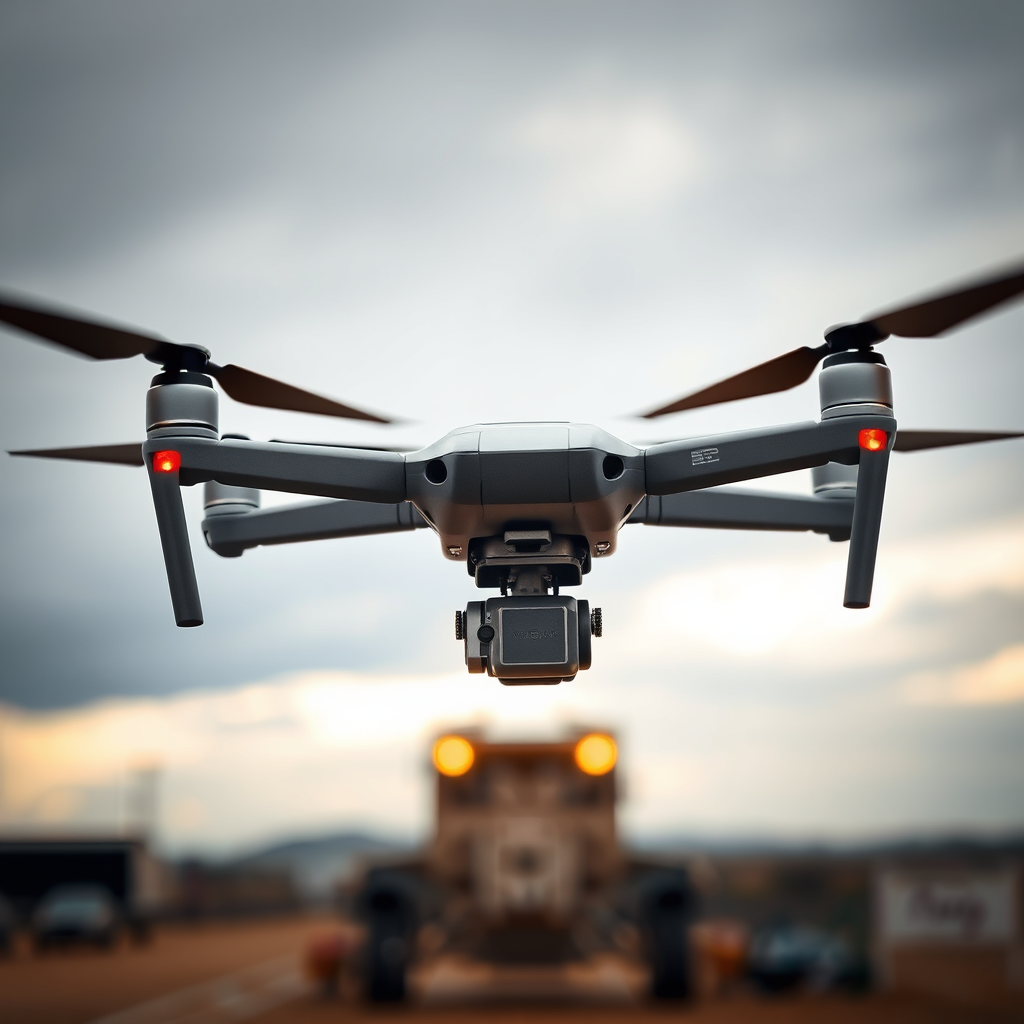
The development of military drones has seen remarkable advancements over the past few decades, evolving from simple surveillance tools to sophisticated unmanned aerial vehicles (UAVs) capable of executing complex missions. The initial use of drones in the military dates back to World War I, where they were primarily used for target practice. However, the modern era has witnessed a rapid transformation, especially since the early 2000s, with the introduction of advanced technologies such as GPS navigation, real-time data transmission, and autonomous flight capabilities.
Today’s military drones can perform a variety of roles, including reconnaissance, surveillance, and combat operations. Notable examples include the MQ-1 Predator and the MQ-9 Reaper, which have been instrumental in counter-terrorism efforts. These advancements have not only increased the operational effectiveness of military forces but have also introduced new challenges in terms of drone defense and countermeasures.
Types of Military Drones
Military drones can be classified into several categories, including Unmanned Aerial Vehicles (UAVs) and Unmanned Combat Aerial Vehicles (UCAVs). UAVs are primarily used for surveillance and reconnaissance missions, while UCAVs are equipped to carry weapons and engage in combat. Variants such as the Global Hawk and the MQ-9 Reaper serve distinct purposes—intelligence gathering versus targeted strikes.
Each type of drone comes with its unique set of capabilities and vulnerabilities. For example, while larger drones like the Global Hawk can cover vast distances and provide extensive surveillance data, their size can make them more recognizable and susceptible to anti-aircraft measures. Conversely, smaller drones, although harder to detect, may lack the payload capacity required for significant combat roles. Understanding these differences is crucial when considering the potential for engaging and neutralizing these aerial threats.
Methods to Shoot Down Drones
There are several established methods to shoot down military drones, ranging from conventional weapons to emerging technologies. Traditional approaches include the use of missiles and anti-aircraft systems, such as surface-to-air missiles (SAMs) and anti-aircraft artillery. For instance, the U.S. military utilizes systems like the Patriot missile system to target enemy drones, demonstrating the effectiveness of conventional military hardware.
On the other hand, emerging technologies are also changing the landscape of drone defense. Electronic warfare techniques, such as jamming and spoofing, can disrupt a drone’s control signals, rendering it inoperable. Similarly, cyber attacks targeting a drone’s software can lead to loss of control or unintended behavior. As these technologies continue to develop, they provide new avenues for military forces to counteract drone threats effectively.
Challenges in Targeting Drones
Despite the available methods, there are significant challenges in targeting drones that complicate efforts to shoot them down. Detection and tracking can be difficult, particularly in environments with clutter or complex terrain where drones may operate at lower altitudes. Advanced drone technology, such as stealth features and noise reduction, can further hinder detection by traditional radar systems.
Moreover, many military drones are equipped with countermeasures designed to evade interception. These may include flares to mislead heat-seeking missiles or electronic countermeasures to jam radar systems. Consequently, successfully targeting and neutralizing a military drone requires not just advanced weaponry but also sophisticated detection and tracking systems that can adapt to the evolving tactics employed by drone operators.
Case Studies of Drone Shootdowns
Real-world examples illustrate the complexities and challenges associated with shooting down military drones. In 2016, the Turkish military successfully shot down a Syrian drone using a surface-to-air missile, showcasing the effectiveness of conventional anti-aircraft systems. However, other instances highlight failures or limitations in counter-drone efforts. For example, during the 2020 conflict between Azerbaijan and Armenia, both sides employed drones extensively, leading to significant tactical advantages. Still, there were notable failures to intercept due to inadequate detection systems.
These case studies offer valuable lessons in understanding the operational environment and the need for continual adaptation of counter-drone strategies. Analyzing both successful and failed attempts to shoot down drones can inform military strategists about the necessary advancements in technology and tactics required to enhance effectiveness in future conflicts.
Legal and Ethical Considerations
The use of military drones raises several legal and ethical questions, particularly in the context of international laws governing armed conflict. The principle of proportionality in warfare necessitates that any military engagement should weigh the potential harm to civilians against the military advantage gained. Shooting down a military drone can lead to collateral damage, especially in populated areas, which complicates the ethical implications of such actions.
Furthermore, the increasing prevalence of drones in warfare raises questions about accountability and responsibility. If a drone is shot down and results in civilian casualties, who is responsible—the operator, the military, or the manufacturer? These considerations highlight the importance of establishing clear guidelines and frameworks for the use of drones in combat scenarios to ensure compliance with international law and ethical standards.
Future of Drone Warfare
The future of drone warfare is poised for further evolution as technology continues to advance. The integration of artificial intelligence and machine learning into drone operations promises enhancements in autonomous decision-making capabilities, allowing drones to execute missions with minimal human intervention. This raises the stakes for counter-drone strategies, necessitating the development of increasingly sophisticated detection and neutralization systems.
As military forces anticipate the next generation of drones, predictions suggest a shift towards swarm tactics—where multiple drones operate collaboratively to overwhelm defenses. This could present new challenges for counter-drone measures, requiring innovative technologies and strategies to adapt effectively. The arms race between drone capabilities and countermeasures will likely dictate the future landscape of military operations.
In conclusion, while military drones can indeed be shot down using various methods, the complexity of modern warfare and evolving drone technologies present significant challenges. Factors such as detection difficulties, the sophistication of drone capabilities, and ethical considerations complicate the landscape of aerial combat. Understanding these elements is crucial for military strategists and policymakers alike as they navigate the ongoing evolution of drone warfare.
Frequently Asked Questions
Can military drones be shot down and what are the implications?
Yes, military drones can be shot down. This usually occurs using anti-aircraft weapons, missile systems, or even small arms fire, depending on the drone’s size and altitude. The implications of shooting down a military drone can be significant, as it may escalate military tensions or conflict, lead to the retrieval of sensitive technology by adversaries, and result in collateral damage if the drone crashes in populated areas.
What types of weapons are effective for shooting down military drones?
Various weapons can be effective for shooting down military drones, including surface-to-air missiles, anti-aircraft artillery, and even electronic warfare systems that can jam the drone’s controls. Additionally, small arms fire can sometimes be effective against smaller drones. The choice of weapon depends on the drone’s altitude, size, and the tactical situation on the ground.
Why are military drones difficult to detect and shoot down?
Military drones are often designed to be stealthy, utilizing advanced technology like radar-absorbing materials and low-altitude flight patterns to avoid detection. Their small size also makes them harder to spot on radar systems. Additionally, many military drones operate at high speeds and altitudes, making them challenging targets for conventional anti-aircraft systems.
How do military forces protect drones from being shot down?
Military forces employ a variety of strategies to protect drones from being shot down, including using advanced stealth technology, flying at higher altitudes beyond the range of most small arms, and employing real-time intelligence and reconnaissance to avoid hostile areas. Additionally, they may utilize decoys and electronic countermeasures to confuse enemy defenses and enhance survivability.
Which countries have developed capabilities to shoot down military drones?
Several countries have developed capabilities to shoot down military drones, including the United States, Russia, China, and Israel. These nations have invested in advanced anti-aircraft systems and electronic warfare technologies designed to target drones effectively. As drone warfare becomes more prevalent, many countries are also enhancing their capabilities to counteract this growing threat.
References
- https://en.wikipedia.org/wiki/Military_drone
- https://www.bbc.com/news/world-us-canada-57802443
- https://www.reuters.com/world/us/us-uses-drones-ukraine-situation-report-says-2022-05-10/
- https://www.rand.org/research/games/airpower.html
- https://www.nytimes.com/2021/10/21/us/politics/drones-military.html
- https://www.theguardian.com/us-news/2021/oct/26/us-drone-strikes-iraq-syria
- https://www.airforcemag.com/the-future-of-air-defense-is-drones/
- https://www.c-span.org/video/?511502-1/technology-drone-usage-military
- https://www.defense.gov/Explore/News/Article/Article/2398747/air-force-leaders-discuss-drone-potential/
