
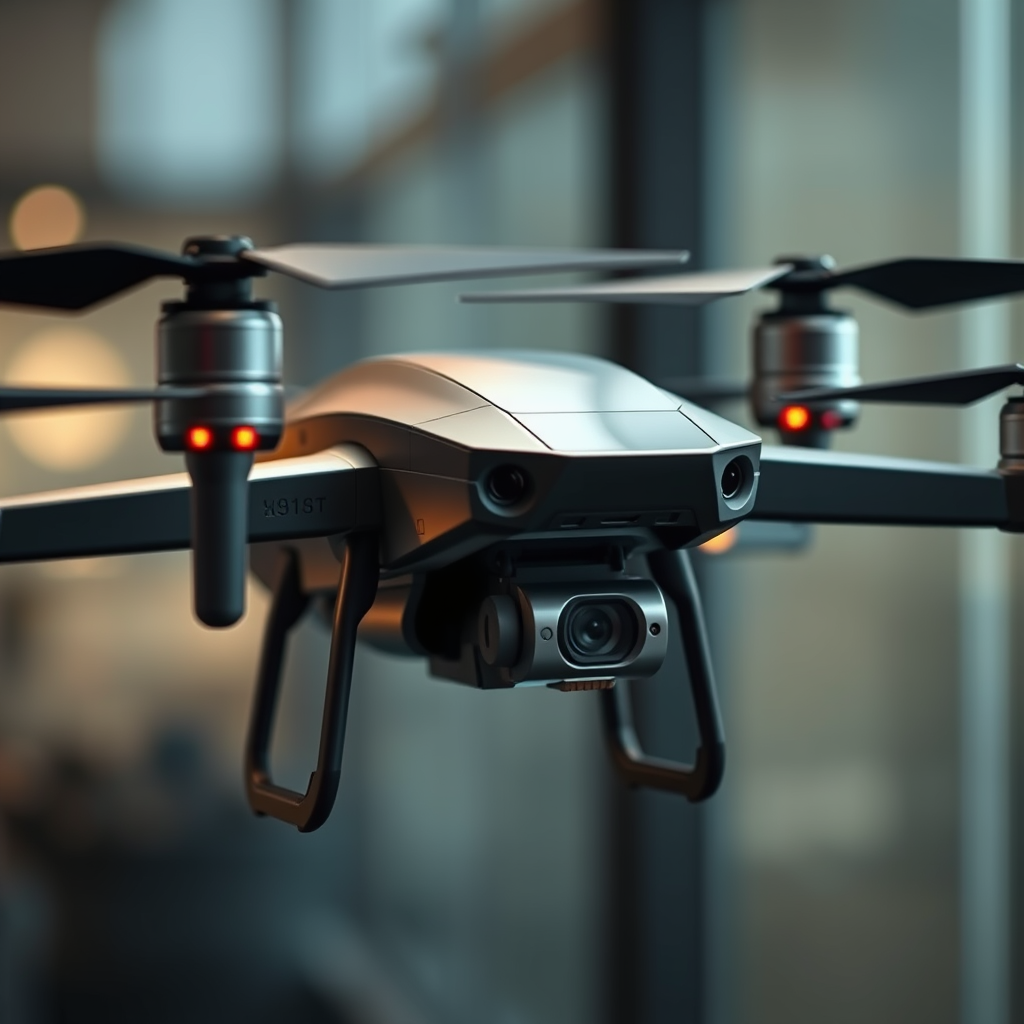
Murder drones can indeed be destroyed or rendered inoperable, just like any other technology. Understanding their vulnerabilities requires diving into their design, operational capabilities, and the tactics employed against them. As the landscape of modern warfare evolves, the role of drones—particularly those designed for lethal operations—has become increasingly significant. However, with every technological advancement comes a set of inherent weaknesses that can be exploited, making it essential to analyze these vulnerabilities for both military strategists and defense developers.
Understanding Murder Drones
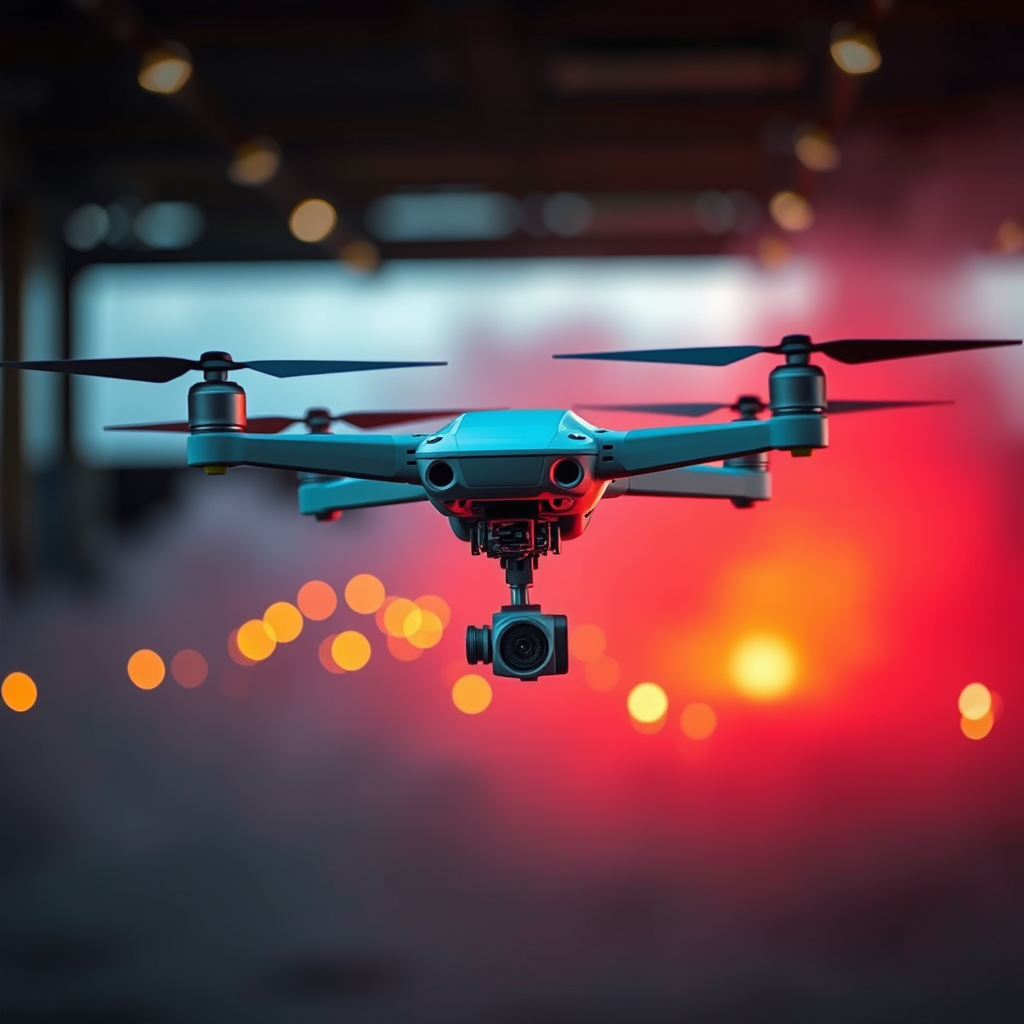
Murder drones, often referred to as combat drones or lethal autonomous weapons systems (LAWS), are unmanned aerial vehicles designed for offensive operations in warfare. Their primary purpose is to carry out targeted strikes, surveillance, and reconnaissance missions, often with minimal human intervention. This autonomy allows for rapid response in conflict scenarios, reducing the risk to human soldiers.
These drones are characterized by a range of technological features, including advanced avionics, artificial intelligence, and high-precision targeting systems. They can operate in various environments, from urban settings to remote war zones, and are equipped with payloads that can range from small munitions to sophisticated guided weapons. The integration of sensors and networking capabilities allows these drones to communicate in real-time with command centers, enhancing their operational effectiveness.
How Are Murder Drones Constructed?
The construction of murder drones involves a complex interplay of materials and technologies designed to ensure both durability and stealth. Typically, manufacturers utilize lightweight yet robust materials such as carbon fiber and advanced alloys, which contribute to the drones’ resilience while minimizing their radar cross-section. This design philosophy aims to create platforms that can withstand both environmental challenges and combat conditions.
Additionally, the technologies used in drone manufacturing include sophisticated propulsion systems, energy-efficient power sources, and advanced navigation systems. These elements are essential for achieving the long flight durations and maneuverability that define modern drones. Stealth is also a significant consideration; many murder drones incorporate design features that reduce their visibility to radar and infrared sensors, making them harder to detect and intercept.
Vulnerabilities of Murder Drones
Despite their advanced capabilities, murder drones are not without vulnerabilities. One common weakness lies in their reliance on electronic systems. Jamming or hacking these systems can render drones inoperable or divert their missions. For instance, GPS jamming can disrupt a drone’s navigation, causing it to become lost or crash.
Another vulnerability is their limited operational endurance. While many drones are designed for long missions, they still require regular maintenance and refueling. If adversaries can identify their operational patterns, they can exploit windows of vulnerability when drones are grounded for service.
Additionally, drones can be susceptible to physical countermeasures. For example, anti-drone technology, such as net guns or directed energy weapons, can effectively neutralize drones by entangling them or disabling their electronics. The presence of strong counter-drone systems in a conflict zone can significantly alter the tactical calculus for drone operators.
Methods of Neutralizing Murder Drones
As the prevalence of murder drones increases, militaries and defense organizations have developed a range of strategies and technologies to counteract them. Some of the most notable methods include electronic warfare, physical interception, and the use of specialized anti-drone systems.
Electronic warfare tactics typically involve jamming communication signals or spoofing GPS systems, disrupting a drone’s ability to navigate and operate effectively. Countries like the United States and Russia have invested heavily in these capabilities, deploying systems that can disable drone operations from considerable distances.
Physical interception methods include the use of drones designed specifically to target and neutralize enemy drones. For example, some military forces have developed interceptor drones that can autonomously engage and disable hostile drones in flight. Additionally, ground-based systems such as anti-aircraft guns and missile systems can also be deployed to target drones.
The use of dedicated anti-drone technologies has gained traction, with various nations employing nets, lasers, and high-powered microwave systems to disable or destroy drones. These systems represent an evolving arms race between drone technology and counter-drone measures.
Case Studies: Successful Neutralization of Murder Drones
Several historical instances illustrate the effective neutralization of murder drones in combat. One notable case occurred during the Nagorno-Karabakh conflict in 2020, where Armenian forces employed electronic warfare to disrupt Azerbaijani drone operations. Reports indicated that Armenian troops successfully jammed the GPS signals of Azerbaijani drones, leading to crashes and mission failures.
Another case emerged in the conflict in Syria, where Russian forces utilized a combination of electronic warfare and physical interception technologies to counteract drone operations from various factions. These encounters demonstrated the effectiveness of multi-layered defense strategies in neutralizing drone threats.
These case studies highlight the importance of adaptability in military tactics. Lessons learned from past encounters emphasize the necessity for continuous innovation in both drone technology and countermeasures, as adversaries are likely to evolve their tactics in response to each new development.
The Future of Drone Warfare
As technology continues to advance, the future of drone warfare is set to evolve significantly. Predictions suggest that we will see further enhancements in drone capabilities, including improved autonomous decision-making and greater range. Innovations in artificial intelligence may enable drones to operate with even less human oversight, potentially leading to more complex engagements.
On the countermeasure front, the development of advanced anti-drone systems will likely keep pace with drone technology. Future military strategies may incorporate a broader array of counter-drone tactics, including the integration of artificial intelligence to predict and counteract drone movements effectively.
Moreover, as drone warfare becomes more prevalent, ethical and regulatory considerations surrounding the use of lethal autonomous weapons will emerge as critical discussion points. The international community may need to address these issues to prevent escalation and ensure responsible use of drone technology in warfare.
In conclusion, while murder drones are advanced machines with specific strengths, they are not invincible. Understanding their vulnerabilities is crucial for developing effective countermeasures. As warfare continues to evolve, staying informed about the capabilities and limitations of drone technology will be essential for military strategists and policymakers alike. The dynamic landscape of drone warfare presents both challenges and opportunities, underscoring the need for continuous adaptation and innovation in both offense and defense.
Frequently Asked Questions
Can murder drones be destroyed in combat?
Yes, murder drones can be destroyed in combat, just like any other military technology. They are typically equipped with various defense mechanisms, but vulnerabilities exist that can be exploited by opposing forces. Advanced weaponry, electronic warfare tactics, and even counter-drone systems can effectively take down these drones during conflict scenarios.
What are the weaknesses of murder drones?
Murder drones have several weaknesses that can be targeted to neutralize them. These include reliance on GPS for navigation, susceptibility to jamming signals, and limited battery life which can lead to operational downtime. Additionally, if their sensors are blinded or their communication systems disrupted, they may become ineffective or crash.
How do murder drones differ from traditional drones?
Murder drones differ from traditional drones primarily in their intended function and level of autonomy. While traditional drones are often used for surveillance and reconnaissance, murder drones are designed for offensive operations, often equipped with lethal payloads. Furthermore, murder drones may utilize advanced artificial intelligence for target acquisition and decision-making, making them more autonomous compared to their simpler counterparts.
Why are murder drones considered a threat?
Murder drones are considered a significant threat due to their potential for precision strikes and the ability to operate autonomously in combat situations. Their use can minimize human casualties for the attacking force while increasing the risk of collateral damage and civilian casualties. Moreover, the proliferation of such technology raises ethical concerns about warfare and the future of combat, making them a focal point of debate among military and policy experts.
What is the best defense against murder drones?
The best defense against murder drones involves a multi-layered approach that combines electronic warfare, physical interception, and counter-drone technologies. Systems that can jam signals or disrupt GPS navigation are effective for neutralizing drone operations. Additionally, deploying anti-drone missiles and laser weapons can physically destroy these drones before they reach their targets, ensuring a robust defense against potential threats.
References
- https://www.bbc.com/news/world-us-canada-63770806
- https://www.reuters.com/technology/us-militarys-drone-operations-face-concerns-over-safety-2022-12-15/
- https://www.theguardian.com/us-news/2022/dec/16/us-drone-strikes-safety-regulations
- https://en.wikipedia.org/wiki/Military_drone
- https://www.c-span.org/video/?c5022104/user-clip-drone-safety-regulations
- https://www.nytimes.com/2021/10/18/us/politics/drone-strikes-oversight.html
