
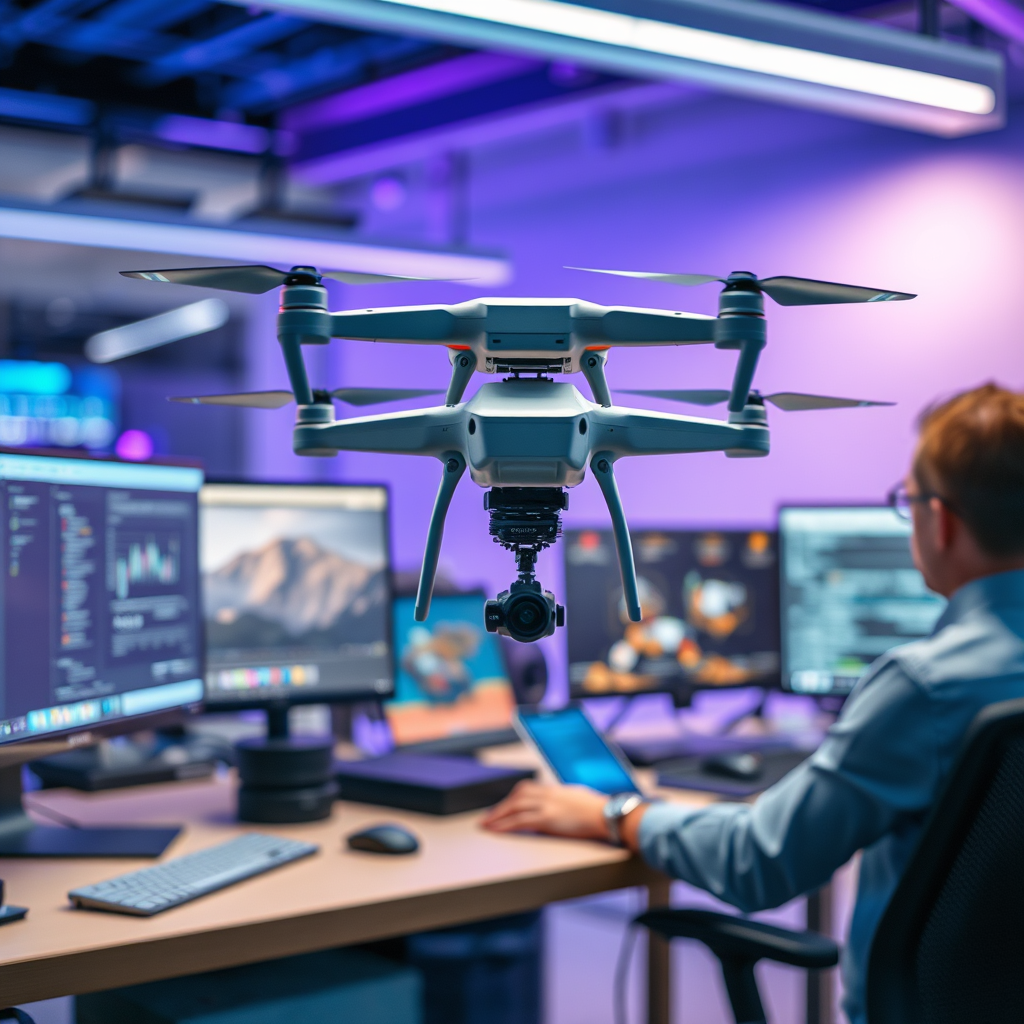
Yes, your drone can be tracked using various technologies, including GPS and RF signals. This capability can be incredibly beneficial for recovery in case of loss, but it also raises privacy and security concerns. In this article, we’ll explore how drones can be tracked, the technologies involved, and what it means for users.
Understanding Drone Tracking Basics
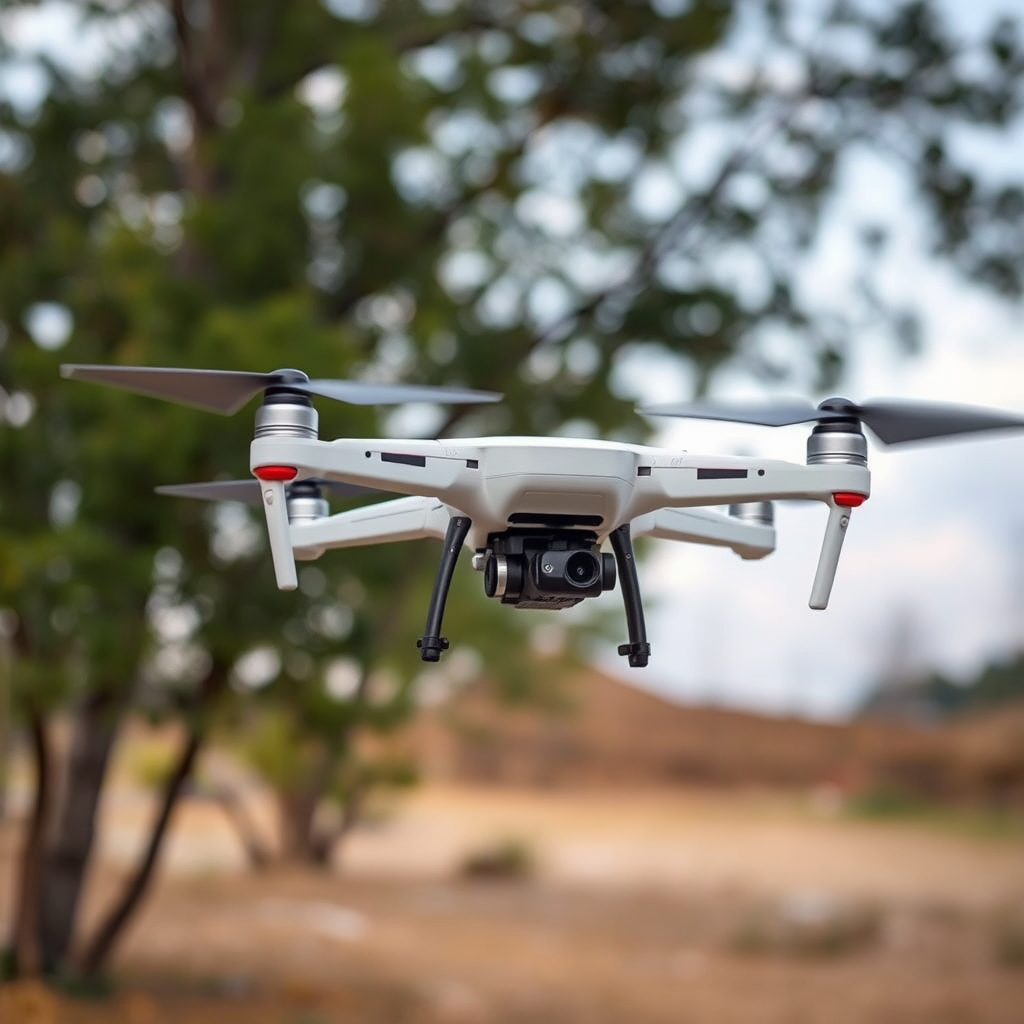
Drone tracking is an essential aspect of modern drone operation, allowing users to monitor their devices’ locations and movements. At its core, tracking involves the utilization of various technologies that enable the transmission of location data. Drones equipped with GPS emit signals that can be picked up by tracking devices, which can assist in pinpointing their exact locations. This technology is particularly valuable for owners who may inadvertently lose sight of their drones during flight, as it significantly enhances the chances of recovery. Understanding these tracking capabilities is crucial for both recreational and commercial drone operators, as it impacts safety, accountability, and compliance with regulations.
GPS Tracking for Drones
GPS tracking is arguably the most well-known and widely implemented method for monitoring drone locations. Many contemporary drones come with built-in GPS features that allow for real-time tracking. This feature provides precise location data, which is not only useful for navigation but also vital for regulatory compliance. For instance, many countries have strict regulations governing where drones can operate, and GPS tracking helps ensure that operators adhere to these rules by providing data on flight paths and altitude.
Moreover, GPS tracking can assist in search and rescue operations for lost drones. For example, if a drone flies out of range or loses connection, operators can use GPS data to pinpoint its last known location, ultimately increasing the likelihood of recovery. Advanced models even offer features such as geofencing and automated return-to-home functions, enhancing safety and user confidence.
RF and Signal Tracking
In addition to GPS, drones often utilize radio frequency (RF) signals, which can be intercepted and tracked by specialized equipment. RF tracking serves as an alternative method, especially useful when GPS signals are weak or unavailable, such as in urban environments where tall buildings may obstruct satellite signals. RF tracking works by emitting signals from the drone that can be captured by receivers, providing a location estimate based on signal strength and direction.
This method is particularly advantageous in scenarios where GPS-based tracking may fail. For example, if a drone is flown in a densely populated area or amidst natural obstacles, RF tracking can offer a more reliable means of locating the drone. Some advanced drones even incorporate both GPS and RF tracking, allowing for enhanced redundancy and reliability in various flying conditions.
Third-Party Tracking Apps and Services
With the rise of drone technology, numerous third-party apps and services have emerged to provide enhanced tracking capabilities. These applications often come with additional features such as flight logs, alerts for restricted airspace, and geolocation data sharing with friends or collaborators. Popular tracking apps like DroneLogbook and Kittyhawk offer comprehensive solutions that cater to professional users who require detailed insights into their flight activities.
While many of these services offer free basic functionalities, advanced features may require a subscription or additional fees. For instance, users might opt for premium plans to access real-time telemetry data or advanced analytics that can help improve operational efficiency. As the drone industry continues to evolve, these third-party solutions are becoming increasingly sophisticated, providing users with valuable tools for tracking and managing their drones.
Privacy and Legal Considerations
The ability to track drones raises significant privacy concerns, particularly in urban and residential areas. As drones become more prevalent, the potential for unauthorized surveillance or data collection increases, sparking debates about the implications for personal privacy. Users must be aware of local regulations regarding drone tracking and data usage to avoid legal issues. For instance, several regions have enacted laws that restrict drone operations over private property without consent, emphasizing the importance of responsible use of tracking technologies.
Furthermore, drone manufacturers and software developers are beginning to implement privacy-oriented features that help mitigate these concerns. This includes options to limit the sharing of location data or to anonymize flight logs. Operators should also inform individuals when flying in populated areas to maintain transparency and foster trust within their communities.
Best Practices for Drone Owners
As drone tracking technologies continue to evolve, it is essential for drone owners to adopt best practices to ensure responsible usage. One of the primary recommendations is to always inform people when flying in populated areas. This not only helps maintain transparency but also mitigates potential privacy concerns from nearby residents.
Additionally, drone owners should make a habit of using tracking features responsibly. Regularly checking GPS status and ensuring that RF signals are functioning can prevent potential loss of the drone. Furthermore, engaging with local drone communities or forums can provide valuable insights into effective tracking practices and the latest technologies available to enhance safety and operational efficiency.
What to Do If Your Drone Goes Missing
In the unfortunate event that your drone goes missing, acting quickly can make a significant difference in recovery efforts. Utilize tracking features immediately upon realizing your drone is lost. If your drone is equipped with GPS, access the tracking app to determine its last known location and initiate a search in that area.
Familiarizing yourself with recovery techniques can also be beneficial. Joining local drone clubs or communities can provide additional support and resources. Many communities have organized efforts in place to assist members in locating lost drones, which can be invaluable. Moreover, having a contingency plan for such scenarios, including knowing local laws regarding drone recovery, can streamline the process and improve the chances of a successful outcome.
In conclusion, while your drone can be tracked through various technologies, it’s essential to understand both the benefits and responsibilities that come with this capability. From GPS and RF tracking to third-party apps and legal considerations, awareness and proactive management are key to ensuring safe and responsible flying. If you own a drone, consider exploring tracking options to enhance your operational capabilities while respecting privacy and regulatory frameworks. By doing so, you can enjoy the full potential of drone technology while contributing positively to the growing community of drone enthusiasts and professionals.
Frequently Asked Questions
Can my drone be tracked by GPS?
Yes, most modern drones come equipped with GPS technology, which allows them to be tracked. This feature is beneficial for both navigation and safety purposes, as it enables drone operators to monitor their drone’s location in real-time. Additionally, many drone manufacturers offer companion apps that provide tracking features, giving users peace of mind while flying.
How can I track my drone if it gets lost?
If your drone goes missing, you can utilize its built-in GPS tracking system if available. Many drones have a “Find My Drone” feature that helps locate it on a map. Additionally, third-party tracking devices can be attached to your drone, which use cellular or satellite networks to provide location updates even when the drone is out of sight.
Why is it important to track my drone during flights?
Tracking your drone during flights is crucial for safety and compliance with aviation regulations. It helps prevent loss of the drone and reduces the risk of collisions with other aircraft. Moreover, tracking provides valuable flight data that can be used for maintenance and performance analysis, enhancing the overall flying experience.
What are the best tracking devices for drones?
Some of the best tracking devices for drones include the Tile Mate, Tracki GPS Tracker, and the DJI Smart Controller, which comes with built-in tracking features. These devices vary in terms of range, battery life, and additional features like geofencing and alerts for unauthorized movement, so it’s important to choose one that aligns with your specific tracking needs.
Which drones have the best tracking capabilities?
Drones like the DJI Mavic Air 2, DJI Phantom 4 Pro, and the Autel EVO Lite series are known for their superior tracking capabilities. These models come with advanced GPS systems, real-time tracking features, and user-friendly apps that enhance the tracking experience. When selecting a drone, consider its tracking features to ensure it meets your flying and safety requirements.
References
- https://en.wikipedia.org/wiki/Drone#Tracking_and_monitoring
- https://www.faa.gov/uas/getting_started/registration
- https://www.nist.gov/news-events/news/2022/08/how-drones-are-being-tracked-and-monitored
- https://www.reuters.com/technology/drones-are-being-tracked-new-laws-aim-to-address-privacy-2021-11-19/
- https://www.bbc.com/news/technology-57948133
- https://www.cnet.com/news/how-to-track-your-drone-and-why-you-should/
- https://www.nrc.gov/docs/ML1704/ML17040A040.pdf
- https://www.ncbi.nlm.nih.gov/pmc/articles/PMC7253110/
- https://www.aau.edu/research/what-drones-can-do-and-cannot-do
- https://www.dji.com/education/faq
