
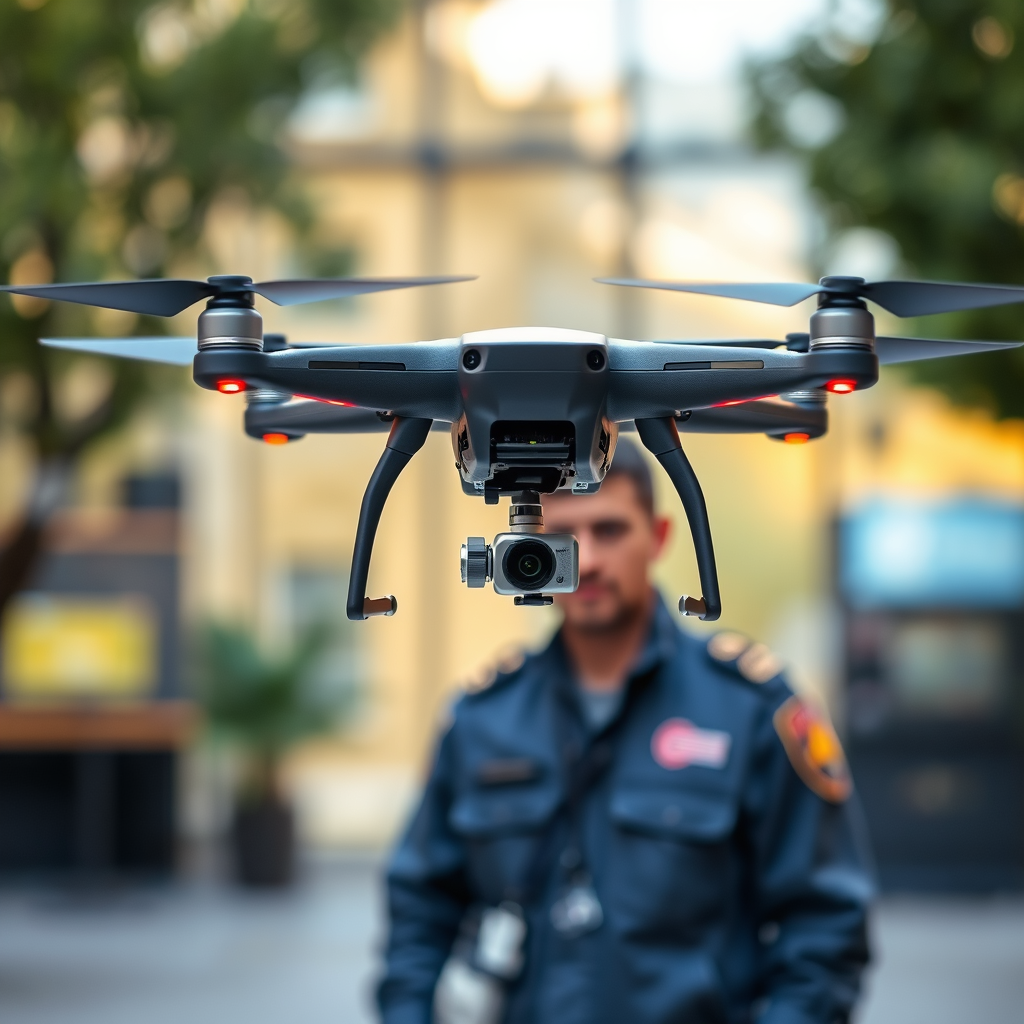
Yes, police can shoot down drones under certain circumstances, primarily if they pose an immediate threat to public safety or if they violate laws. However, the legality and policy surrounding this action vary significantly by jurisdiction, making it essential for law enforcement agencies to navigate a complex landscape of regulations, technological capabilities, and ethical considerations.
Legal Framework Surrounding Drone Use
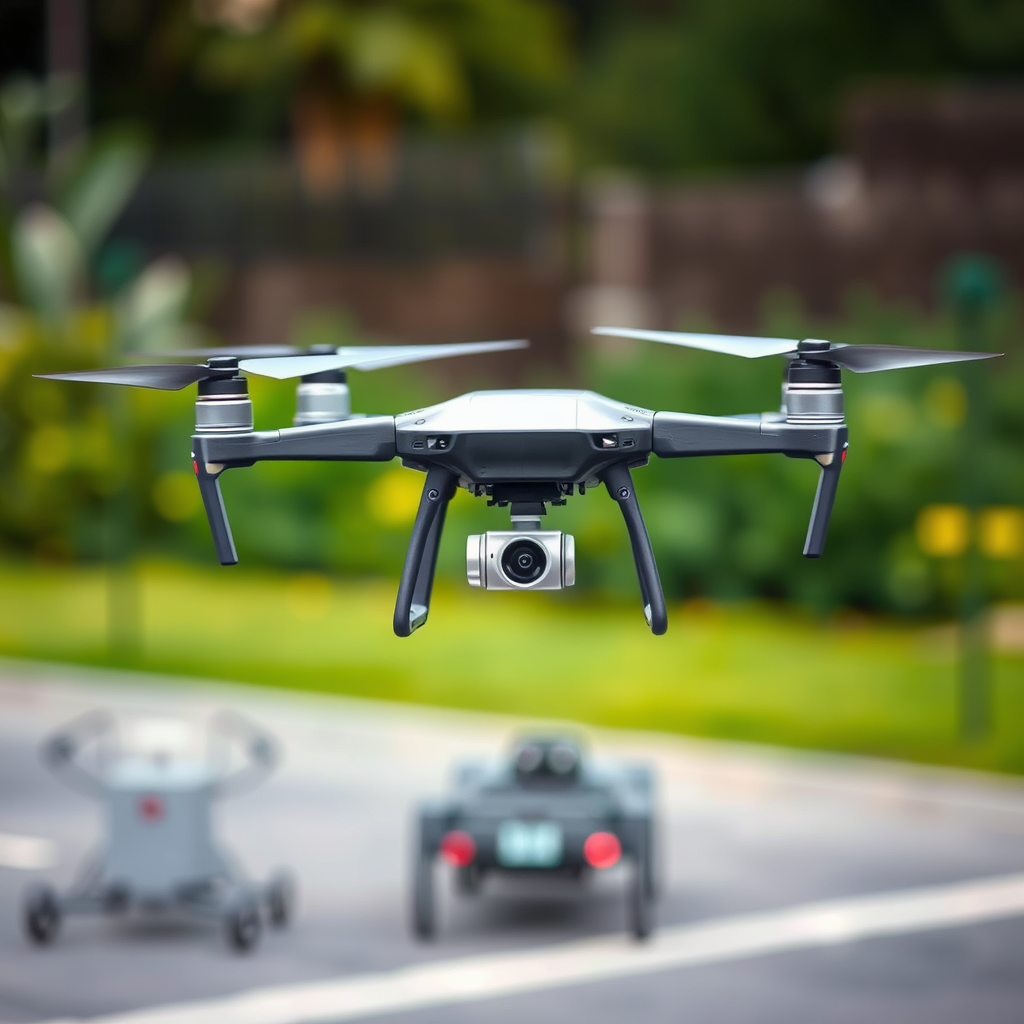
Drones, or unmanned aerial vehicles (UAVs), are regulated primarily by the Federal Aviation Administration (FAA) in the United States. The FAA has established rules regarding where and how drones can be operated, including altitude limitations and restrictions near airports and populated areas. Local laws may further define drone use, particularly concerning privacy and surveillance.
Police departments must adhere to these regulations when addressing unauthorized drone flights. In many jurisdictions, officers are required to demonstrate that a drone poses a legitimate threat or is being operated illegally before taking any action, including interception. For instance, the FAA mandates that drones must not fly higher than 400 feet above ground level and must maintain visual line-of-sight with the operator. Violating these regulations can provide grounds for police intervention.
Furthermore, the Fourth Amendment of the U.S. Constitution protects citizens against unreasonable searches and seizures, which complicates the ability of police to shoot down drones. This legal backdrop necessitates that police operations remain within constitutional boundaries while ensuring public safety.
Situations Justifying Drone Interception
There are several scenarios where police may consider it necessary to intercept a drone. One primary justification is when a drone poses a direct threat to public safety. For example, drones flying over large events, such as concerts or sports games, can create significant safety hazards, including potential collisions with people or aircraft. Similarly, drones hovering over critical infrastructure, such as power plants or military bases, can raise security concerns that necessitate police action.
Additionally, police may act when drones are suspected of violating privacy laws or engaging in unlawful surveillance. The unauthorized use of drones to capture images or video of individuals in private settings could constitute an invasion of privacy. In these cases, law enforcement may take measures to neutralize the drone to protect citizens’ rights and uphold the law.
Technology Used for Drone Neutralization
Police departments have access to various technologies designed to neutralize rogue drones. While the use of firearms is a possibility, it is rarely employed due to the risk of collateral damage and the legal implications of such actions. Instead, law enforcement agencies are increasingly utilizing non-lethal methods to intercept drones.
One common approach is signal jamming, which disrupts the communication between the drone and its operator. This method can cause the drone to either land or return to its point of origin. Another effective technology is the use of nets, which can physically capture a drone mid-flight without causing destruction. Specialized anti-drone systems, equipped with radar and other detection technologies, are also being developed to identify and neutralize drones that violate restricted airspace.
These technologies are becoming more sophisticated, allowing police to respond quickly and effectively to potential threats without resorting to lethal force.
Potential Legal Consequences
The decision to shoot down a drone is not without legal ramifications. Police officers may face significant consequences if they shoot down a drone without just cause. Such actions can lead to legal challenges, including allegations of excessive force, violations of civil rights, or damage to property. Moreover, if a police operation results in the destruction of a drone that is deemed to be operating legally, the operator may pursue civil claims for damages against the police department.
This highlights the importance of clear policies and training for law enforcement regarding drone interception. Departments must ensure that officers are aware of the legal standards that must be met before taking action, balancing public safety with the rights of drone operators.
Public Perception and Ethical Considerations
The use of force against drones raises important questions about privacy rights and public safety. As drones become more prevalent, the public’s perception of their use and the police response becomes increasingly complex. Citizens may feel uneasy about the potential for police overreach, particularly when it comes to surveillance and privacy violations.
Community discussions surrounding drone use and police authority are essential for establishing trust and transparency. Policymakers and law enforcement agencies must engage with the public to address concerns and develop guidelines that respect civil liberties while ensuring safety. This dialogue is crucial in shaping policies that align with community values and expectations.
Case Studies and Precedents
Examining case studies where police have successfully neutralized drones provides valuable insights into the operational and legal frameworks in place. One notable incident occurred in 2015 when police in the United States were called to a neighborhood where a drone was reportedly flying low and causing disturbances. Officers were able to capture the drone using a net system, preventing it from potentially harming bystanders.
Another case involved law enforcement agencies using signal-jamming technology to prevent a drone from interfering with firefighting efforts during a wildfire. The technology allowed firefighters to operate safely without the risk of drone collisions, ultimately saving lives and property.
These examples demonstrate the effective use of technology and the necessity of clear policies guiding drone interception. They also reflect the community’s response to police actions, highlighting the importance of transparency and communication in maintaining public trust.
In conclusion, while police do have the capability to shoot down drones, it is a complex issue that involves legal, ethical, and technological considerations. Understanding the legal framework surrounding drone use, identifying situations that justify interception, and recognizing the potential consequences of police actions is crucial for both law enforcement and the public. Individuals should stay informed about their rights and local laws regarding drone use and police authority, fostering a balanced approach to security and civil liberties.
Frequently Asked Questions
Can police legally shoot down drones?
Yes, police can legally shoot down drones under certain circumstances, typically when they pose an imminent threat to public safety or security. The legality varies by jurisdiction, as laws governing the use of force against drones differ from state to state. It’s important for law enforcement agencies to follow established protocols and ensure that their actions comply with federal aviation regulations to avoid legal repercussions.
What are the reasons police might choose to shoot down a drone?
Police might choose to shoot down a drone for several reasons, such as if the drone is invading privacy, interfering with law enforcement operations, or posing a threat to the safety of people or property. Additionally, drones that are being used for illegal activities, such as drug trafficking or smuggling, may warrant a police response that could include disabling the drone. Ensuring community safety is the primary motivation behind these actions.
How are drones typically shot down by police?
Police can utilize various methods to disable or shoot down a drone, including firearms, specialized drone-catching nets, or electronic jamming devices that disrupt the drone’s control signals. While shooting down a drone with a firearm is a last resort, using technology like jamming can be a more controlled approach, preventing the drone from entering restricted airspace without causing collateral damage.
What should I do if I see a police officer preparing to shoot down a drone?
If you see a police officer preparing to shoot down a drone, it is crucial to remain calm and keep a safe distance. Do not attempt to intervene or confront the police, as this could escalate the situation. Instead, observe from a distance and, if necessary, report the incident to authorities if you believe the drone is being wrongly targeted or if there are safety concerns for bystanders.
Which regulations govern police actions against drones in the U.S.?
In the U.S., regulations regarding police actions against drones are primarily governed by the Federal Aviation Administration (FAA) and local laws. The FAA mandates that drones must operate within certain airspace regulations, while state and local laws may dictate how law enforcement can respond to unauthorized drone activity. It’s crucial for both police and drone operators to understand these regulations to ensure compliance and avoid legal issues.
References
- https://www.wired.com/story/police-drones-weaponization-controversy/
- https://www.nytimes.com/2018/07/30/us/police-drones.html
- https://www.faa.gov/uas/resources/publications/media/Drone_Use_by_Law_Enforcement.pdf
- https://www.bbc.com/news/technology-58745062
- https://www.c-span.org/video/?c4971573/user-clip-police-drones-shooting-down
- https://www.abc.net.au/news/2021-12-07/drone-regulations-police-use/100676838
- https://www.theguardian.com/us-news/2019/dec/03/police-drones-privacy-issues
- https://www.nap.edu/catalog/25424/law-enforcement-uses-of-drones
- https://www.nij.gov/topics/technology/Pages/drones.aspx
- https://www.eff.org/deeplinks/2021/01/police-drones-and-what-they-mean-your-privacy
