
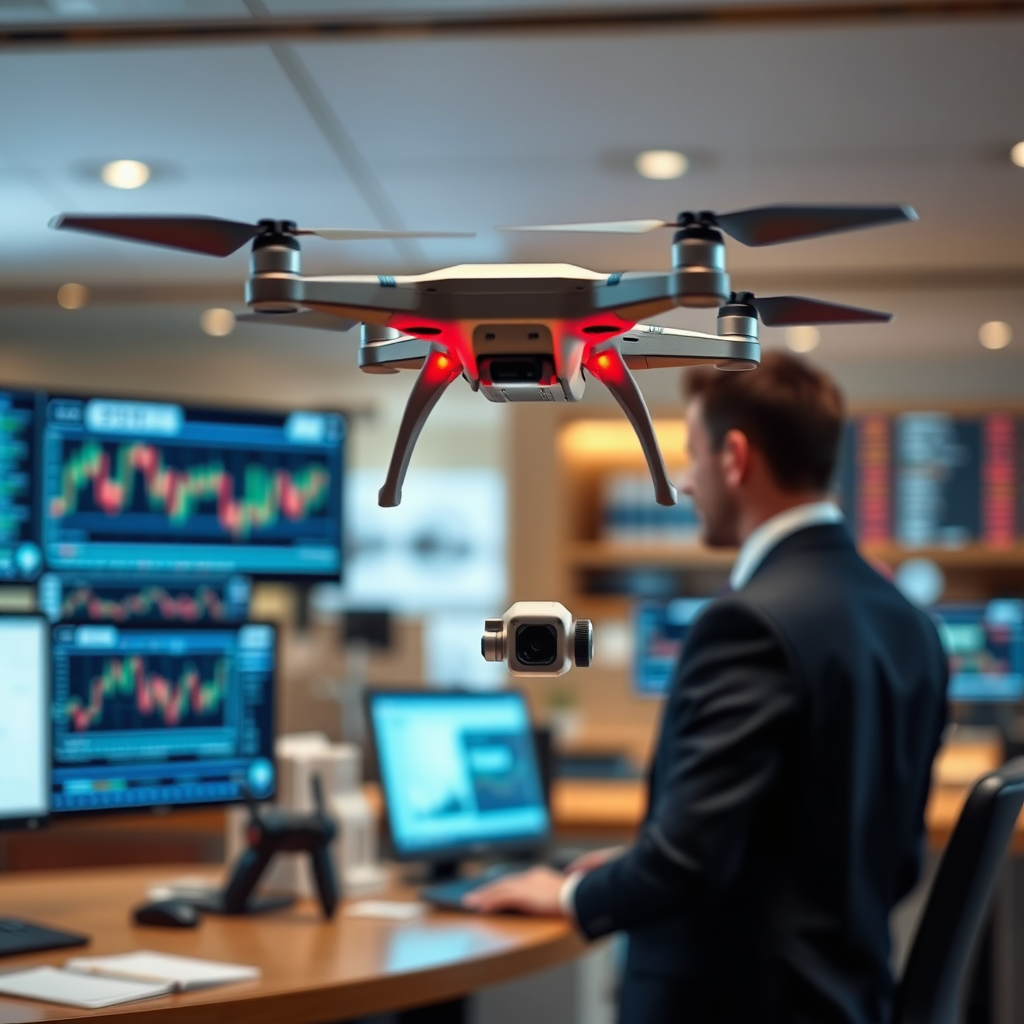
Yes, private investigators can use drones in their work, provided they adhere to local regulations and privacy laws. Drones enhance surveillance capabilities, allowing for more efficient data gathering and monitoring from heights that would otherwise be inaccessible. As technology evolves, the integration of drones into investigative practices is becoming increasingly common, transforming the landscape of how evidence is collected and analyzed.
Legal Considerations for Using Drones
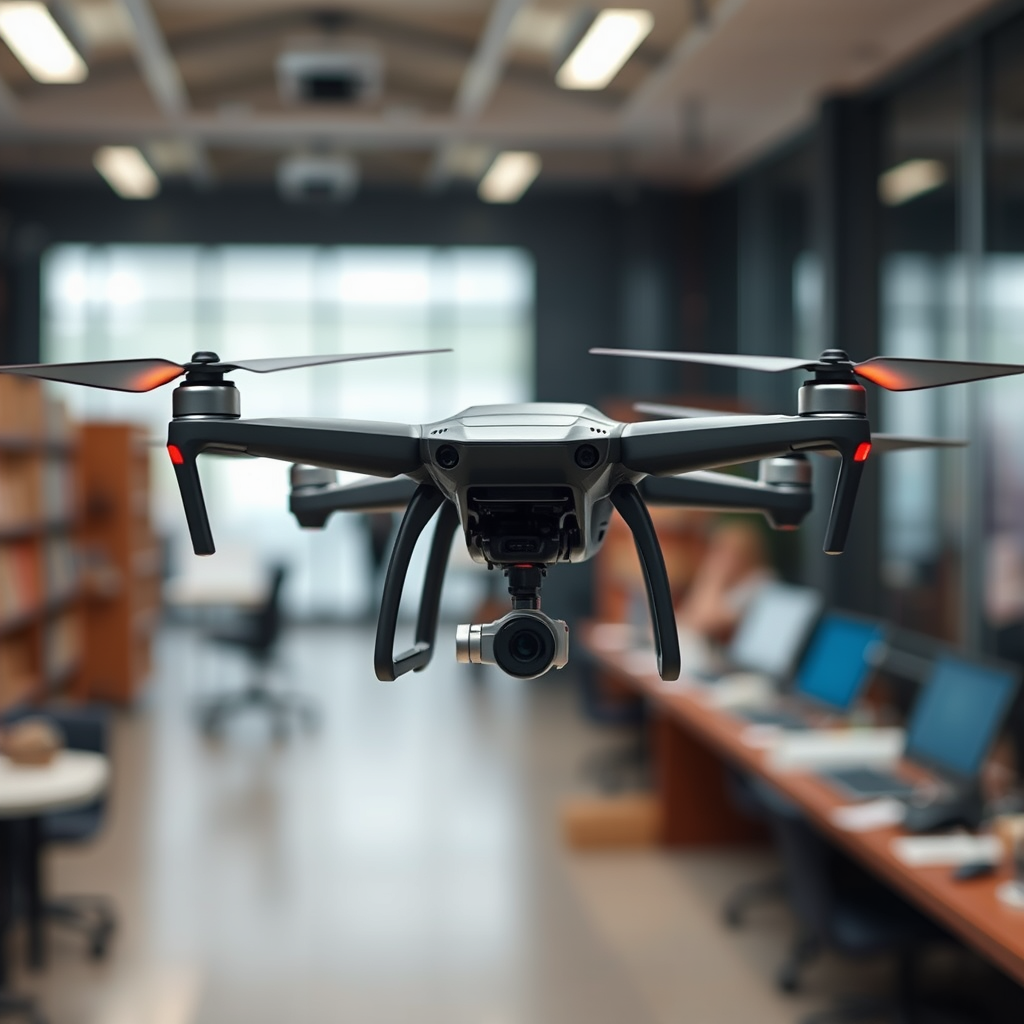
Understanding the legal framework governing drone use is paramount for private investigators. The Federal Aviation Administration (FAA) regulates all airspace in the United States, and thus any drone operation must comply with FAA regulations. Investigators must obtain a Remote Pilot Certificate if they intend to fly drones commercially, which includes using them for private investigations. Additionally, operators must adhere to specific flight rules, such as flying below 400 feet, maintaining visual line-of-sight, and avoiding restricted airspace.
Beyond federal regulations, state and local laws can also impact the use of drones. Some states have enacted stricter privacy laws that specifically address drone surveillance, requiring investigators to obtain consent before capturing aerial footage of individuals in certain situations. For instance, in California, the California Drone Privacy Act mandates that drone operators must ensure that their activities do not invade the privacy of individuals. Therefore, private investigators must be diligent in understanding and following these legal stipulations to avoid potential legal repercussions and ensure ethical practices.
Benefits of Drones in Investigative Work
Drones offer several advantages that significantly enhance the effectiveness of investigative work. The primary benefit is the ability to conduct aerial surveillance, which provides a broader perspective on subjects than traditional ground-based methods. This elevated vantage point allows investigators to observe patterns of movement, identify potential evidence locations, and monitor activities over a larger area without drawing attention.
Moreover, drones can access hard-to-reach areas that might be otherwise challenging for a human investigator. For example, during a surveillance operation, a drone can easily fly over dense forests, bodies of water, or urban environments to capture critical information. This capability is especially useful in cases where traditional surveillance methods are impractical or impossible, such as in rugged terrains or high-rise buildings. Drones can also operate discreetly, allowing for more effective monitoring without alerting the subject.
Types of Cases Where Drones Are Useful
The versatility of drones makes them suitable for various investigative scenarios. One prominent area of application is in infidelity investigations. Drones can discreetly monitor a subject’s activities from above, capturing footage that may provide evidence of marital misconduct without the risks associated with ground-based surveillance.
Another vital use of drones is in missing person cases. When searching vast areas, such as forests or rural landscapes, drones can cover large distances quickly, identifying potential locations of interest or clues that may lead to the whereabouts of the missing individual. The aerial imagery captured can be analyzed for signs of disturbance or unusual activity, which can be crucial in piecing together what happened.
Technology and Features of Drones
Modern drones come equipped with sophisticated technology that enhances their utility in investigative work. High-resolution cameras capable of capturing 4K video and detailed images allow for clear documentation of evidence. Many drones also feature thermal imaging capabilities, which enable investigators to detect heat signatures and locate individuals or objects in low visibility conditions, such as at night or in dense foliage.
Battery life and operational range are also critical factors for effective drone operation. The latest models typically offer flight times ranging from 20 to 40 minutes, depending on the payload. Investigators must choose drones that not only meet their operational needs but also ensure they can cover the required area without frequent recharging or changes in location. Additionally, features such as GPS tracking, automated flight paths, and real-time video streaming enhance the operational efficiency and accuracy of drone surveillance.
Safety and Privacy Concerns
While drones offer significant advantages, they also present safety and privacy concerns that private investigators must address. Ensuring compliance with privacy standards is crucial; investigators should avoid capturing footage of individuals in private settings without consent, as this could lead to legal issues and damage to professional reputation. To mitigate these risks, it is advisable for private investigators to establish clear operating protocols that define acceptable drone use and ensure adherence to all applicable privacy laws.
Furthermore, safety during drone operation should be a top priority. Investigators must be trained to operate drones safely and effectively, reducing the risk of accidents that could cause harm to individuals or property. Conducting pre-flight checks, maintaining awareness of the surroundings, and respecting no-fly zones are essential practices that can significantly enhance safety during drone operations.
Training and Certification for Drone Operators
Proper training and certification are vital components of responsible drone operation for private investigators. Obtaining a Remote Pilot Certificate from the FAA is a prerequisite for any investigator wishing to use drones commercially. This certification process includes passing a knowledge test that covers topics such as airspace classification, weather, and emergency procedures, ensuring that operators are well-informed about the complexities of aerial flight.
In addition to FAA certification, private investigators may benefit from specialized training programs that focus on drone operation in investigative contexts. These programs can cover essential skills such as flight planning, data collection techniques, and ethical considerations in surveillance. Continuous education and staying informed about the latest technological advancements are also critical for maximizing the drone’s potential in investigative work.
Future Trends in Drone Use for Investigators
The future of drone use in investigative work is promising, with emerging technologies continually enhancing capabilities. Advancements in artificial intelligence (AI) and machine learning are expected to play a significant role in the evolution of drone surveillance. Drones equipped with AI can analyze video footage in real-time, identifying patterns and anomalies that may go unnoticed by human operators, thereby streamlining the investigative process.
Additionally, the integration of drones with other technologies, such as geographic information systems (GIS) and data analytics, will provide investigators with powerful tools for analyzing evidence and generating actionable insights. Predictive analytics could also emerge, enabling investigators to forecast potential criminal activity based on historical data and surveillance patterns.
As regulations surrounding drone use evolve, private investigators must remain proactive in adapting to changes that may impact their operations. Staying informed about technological advancements and regulatory updates will be crucial for ensuring the effective and responsible use of drones in the field.
In conclusion, the use of drones by private investigators opens new avenues for evidence collection and surveillance, but it is crucial to operate within the bounds of the law. By understanding legal considerations, leveraging the benefits of drone technology, and prioritizing safety and privacy, private investigators can significantly enhance their investigative capabilities. As technology continues to evolve, staying informed on best practices and regulations will further enhance the effectiveness of drone usage in investigations, paving the way for more efficient and precise work in the field.
Frequently Asked Questions
Can private investigators legally use drones for surveillance?
Yes, private investigators can legally use drones for surveillance, but they must adhere to federal, state, and local regulations governing drone use. In the United States, this includes obtaining necessary licenses, following FAA guidelines, and respecting privacy laws to ensure that drone surveillance does not infringe on individuals’ rights. It’s essential for private investigators to remain informed about the regulations in their specific area to avoid legal repercussions.
What are the advantages of using drones in private investigations?
Drones offer several advantages in private investigations, including the ability to capture high-resolution aerial images and videos, access hard-to-reach areas, and conduct surveillance over large geographical regions quickly and discreetly. Additionally, drones can be equipped with advanced technology such as thermal imaging and GPS tracking, enhancing the investigator’s ability to gather crucial evidence effectively and efficiently.
How can private investigators ensure privacy when using drones?
To ensure privacy when using drones, private investigators should conduct thorough research into local laws regarding drone surveillance and privacy rights. They should avoid flying over private property without permission and limit their surveillance to public spaces whenever possible. By being mindful of these considerations, investigators can maintain ethical standards and reduce the risk of infringing on individuals’ privacy rights during their operations.
What types of cases benefit most from drone surveillance by private investigators?
Drone surveillance can be particularly beneficial in cases involving insurance fraud, missing persons, infidelity investigations, and property disputes. For instance, in insurance fraud cases, drones can provide aerial views of accident scenes or monitor suspicious activity that may be difficult to observe from the ground. In missing persons cases, drones can cover vast areas quickly, increasing the chances of finding individuals in remote locations.
Which drone models are best suited for private investigators?
When selecting a drone for private investigations, models such as the DJI Mavic 2 Pro, DJI Phantom 4, and Autel Robotics EVO Lite are often recommended due to their high-quality cameras, stable flight performance, and user-friendly controls. These drones provide excellent image resolution and flight time, making them ideal for capturing detailed aerial footage and conducting thorough surveillance. It’s important for private investigators to consider factors like ease of use, battery life, and camera quality when choosing the right drone for their needs.
References
- https://www.ncbi.nlm.nih.gov/pmc/articles/PMC6156441/
- https://www.bbc.com/news/technology-40559202
- https://www.forbes.com/sites/bernardmarr/2021/09/15/how-drones-are-changing-the-world-of-private-investigators/?sh=58c3a1e54a2d
- https://www.faa.gov/uas/
- https://www.wired.com/story/drones-privacy-laws/
- https://www.nolo.com/legal-encyclopedia/can-private-investigators-use-drones-32650.html
- https://www.psmag.com/social-justice/drones-privacy-law-118055
- https://www.theguardian.com/us-news/2020/jan/04/private-investigators-drones-privacy-law
