
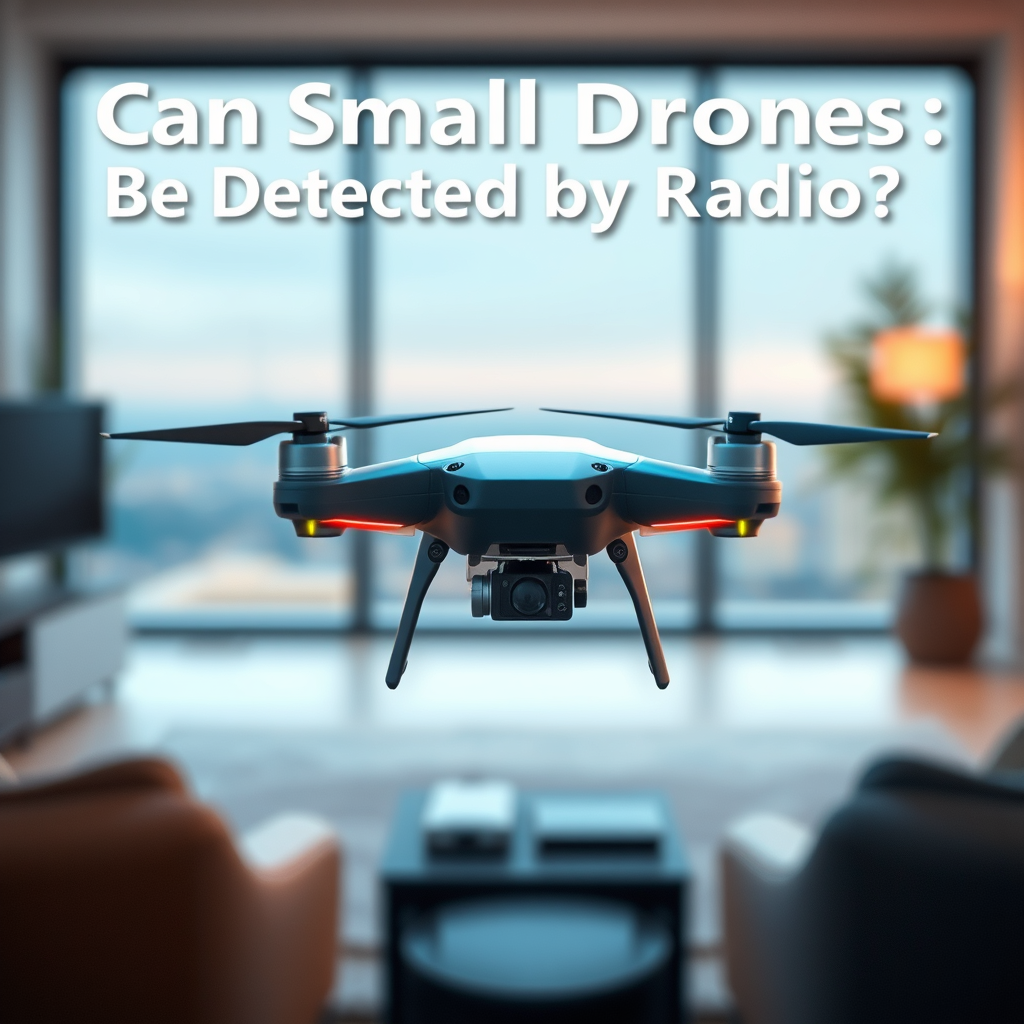
Yes, small drones can be detected by radar, although their size and design present unique challenges. The lightweight and often low-flying nature of these unmanned aerial vehicles (UAVs) can hinder traditional radar systems, which may struggle to accurately track them. However, advancements in radar technology are significantly improving detection capabilities, enabling a more reliable approach to monitoring these small aircraft.
Understanding Radar Technology
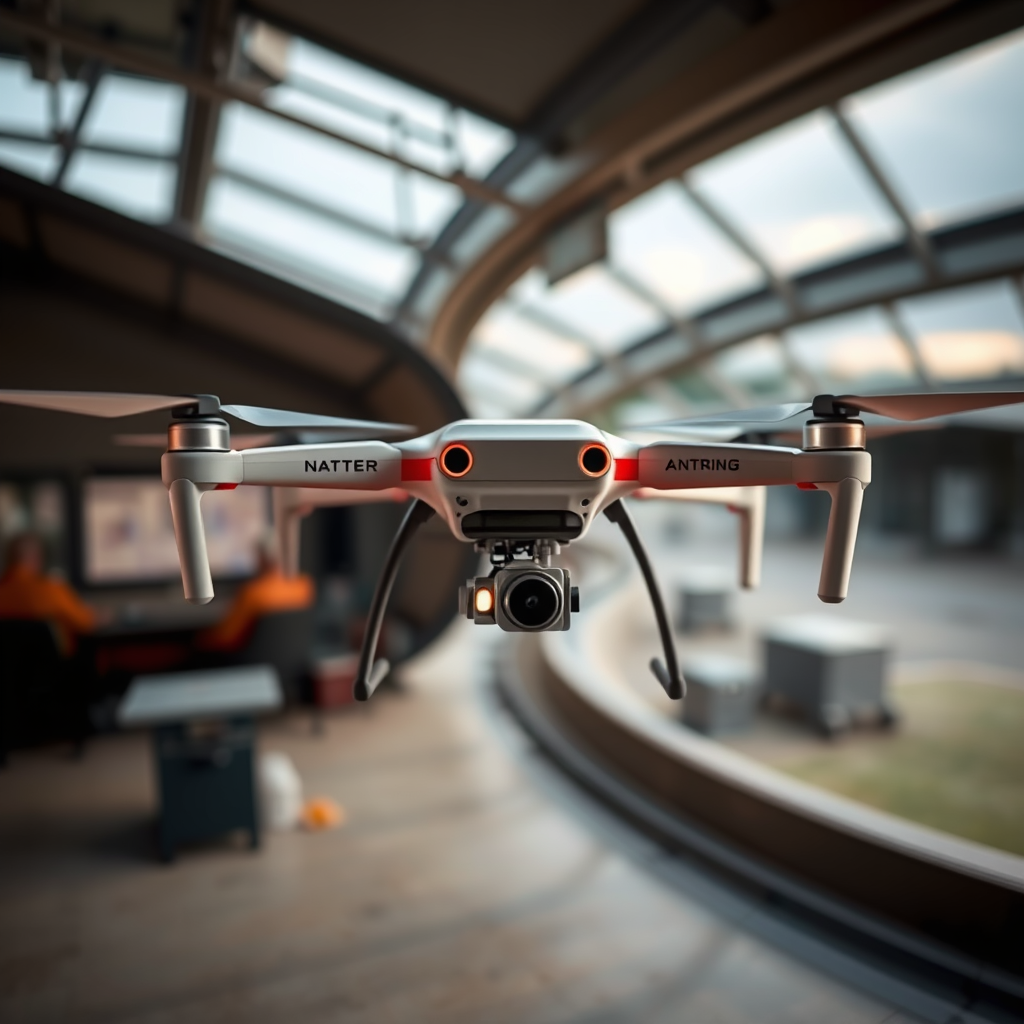
Radar systems operate by emitting radio waves that bounce off objects in the air, returning echoes that help in identifying and tracking these objects. The primary principle behind radar technology is the Doppler effect, which allows for the measurement of velocity and distance by analyzing the frequency change of the returned signal. Different types of radar systems have been developed to optimize detection for various sizes and altitudes of objects. For instance, long-range radar systems are designed for large aircraft and can function over extensive distances, while short-range systems focus on detecting smaller objects at lower altitudes, such as drones.
In the context of small drones, radar systems like phased-array radars and frequency-modulated continuous-wave (FMCW) radars are being increasingly utilized due to their ability to provide high-resolution tracking and discrimination of small objects. These specialized systems can operate at different frequency bands, such as X-band and S-band, which are more suitable for detecting the small radar cross-section typical of drones.
Challenges in Detecting Small Drones
Detecting small drones presents several challenges largely due to their unique physical characteristics. One of the most significant challenges is their low radar cross-section (RCS). Small drones often have a RCS similar to that of a bird or even smaller, making them difficult to distinguish from background noise in radar systems. This problem is exacerbated by the fact that many small drones are designed to be stealthy, with shapes and materials that minimize their visibility to radar.
Environmental factors also play a crucial role in the effectiveness of radar detection. Terrain features such as hills, buildings, and vegetation can obstruct radar signals, leading to incomplete or lost data. Furthermore, adverse weather conditions—such as heavy rain, fog, or snow—can scatter radar waves, further diminishing detection accuracy. In addition, the presence of other electronic devices, such as cell towers or other radio frequency emitters, can create interference that complicates the detection of small drones.
Advancements in Detection Technology
In response to the growing need for effective drone detection, the industry is witnessing significant advancements in radar technology. New radar systems are being developed specifically for drone detection, incorporating features designed to address the limitations of traditional radar. For instance, some cutting-edge systems utilize advanced signal processing techniques to better filter out noise and improve the ability to detect small, low-flying objects.
Moreover, multi-sensor approaches are becoming increasingly popular. By combining radar with other technologies, such as infrared and acoustic sensors, detection capabilities are significantly enhanced. Infrared sensors can detect the heat signatures emitted by drones, while acoustic sensors can pick up the unique sounds produced by their rotors. These complementary systems provide a more comprehensive monitoring solution, allowing for accurate detection even in challenging environments.
For instance, systems like the AUDS (Anti-UAV Defense System) have been successfully deployed by military and law enforcement agencies, integrating radar with other detection methods to create a robust defense against unauthorized drone incursions.
Regulatory and Security Implications
The ability to detect drones has profound implications for airspace safety and security measures. As drone usage continues to proliferate, the potential for collisions with manned aircraft or unauthorized surveillance of sensitive areas increases. Consequently, effective drone detection is essential for maintaining safe airspace and ensuring compliance with aviation regulations.
Regulatory frameworks are evolving to address the challenges posed by undetected small drones. Organizations such as the Federal Aviation Administration (FAA) in the United States are actively working on guidelines and regulations that mandate drone detection technologies at critical infrastructure locations, such as airports and military bases. Additionally, the European Union Aviation Safety Agency (EASA) has introduced regulations that require drone operators to adhere to specific safety standards, including the use of detection systems in populated areas.
As the legal landscape for drone operations continues to develop, businesses and government entities must stay informed about regulatory changes and invest in the necessary detection technologies to comply with evolving standards.
Use Cases for Drone Detection
The applications for drone detection span both military and civilian sectors. In military contexts, drone detection systems are essential for surveillance and combat scenarios. They enable armed forces to monitor airspace for potential threats, ensuring the safety of personnel and sensitive installations. For instance, during conflicts, military operations have employed advanced drone detection technologies to identify and neutralize threats posed by enemy UAVs.
In the civilian realm, drone detection is crucial for monitoring airspace near airports and sensitive areas, such as government buildings, stadiums, and critical infrastructure. Airports, for example, are increasingly adopting drone detection systems to ensure the safety of manned aircraft and passengers. Additionally, law enforcement agencies utilize drone detection technologies to monitor public events, helping to mitigate risks associated with unauthorized drone activity.
Future of Small Drone Detection
The future of small drone detection is promising, with ongoing research focused on enhancing detection accuracy and reliability. As the proliferation of drones continues, the need for sophisticated detection methods will only intensify. Researchers are exploring innovative technologies, including artificial intelligence (AI) and machine learning algorithms, to improve detection processes. These technologies can analyze vast amounts of data from various sensors, allowing for quicker and more accurate identification of drones.
For example, AI-driven systems can learn from previous encounters and predict drone behavior, enabling preemptive actions to mitigate potential threats. Moreover, the integration of real-time data analytics into drone detection systems can facilitate immediate responses to unauthorized drone activity, enhancing overall security.
As the industry grows, collaborations between technology providers, regulatory bodies, and end-users will be crucial in developing standardized detection protocols and improving the overall efficacy of drone detection systems.
In conclusion, while small drones can be detected by radar, the effectiveness largely depends on the radar technology used and the environmental conditions. As advancements in radar and multi-sensor detection technologies continue to emerge, the ability to monitor and manage small drones will improve, enhancing safety and security in airspace management. Staying informed about these developments is essential for understanding their implications and ensuring compliance with evolving regulations in the drone industry.
Frequently Asked Questions
Can small drones be detected by radar?
Yes, small drones can be detected by radar, but their effectiveness largely depends on the radar technology and the drone’s size. Traditional radar systems may struggle to detect small drones due to their low radar cross-section. However, advanced radar systems, including those specifically designed for drone detection, can identify these flying objects by analyzing their movement patterns and signatures.
What types of radar systems are best for detecting small drones?
The best radar systems for detecting small drones are those specifically designed for counter-drone applications. These include phased-array radar systems that can track multiple targets simultaneously and micro-Doppler radar systems that can differentiate between various types of aerial vehicles. Additionally, some companies have developed multi-sensor systems that combine radar with optical and infrared sensors for enhanced detection capabilities.
How do small drones evade radar detection?
Small drones can evade radar detection through several methods. Many are designed with stealth features, such as low-observable shapes and materials that absorb or deflect radar waves. Additionally, flying at lower altitudes and utilizing flying patterns that minimize their radar signature can further reduce their detectability. Some drones also utilize GPS-denied navigation, allowing them to fly in areas where radar coverage is limited.
Why is it important to detect small drones?
Detecting small drones is crucial for various reasons, including security and safety. In urban environments, unauthorized drones can pose risks to public safety, privacy, and national security. Moreover, industries like aviation and critical infrastructure must monitor drone activity to prevent potential disruptions or threats. Effective drone detection helps authorities take appropriate measures to mitigate these risks.
What challenges do radar systems face when detecting small drones?
Radar systems face several challenges when detecting small drones, primarily due to the drones’ size and low radar cross-section, which makes them less visible on traditional radar screens. Additionally, the low altitude at which many drones operate can lead to clutter from ground reflections, complicating detection efforts. Weather conditions and interference from other electronic devices can also hinder radar performance, making it essential to use advanced detection technologies for better results.
References
- https://en.wikipedia.org/wiki/Drone_detection
- https://www.reuters.com/technology/us-army-tests-new-drone-detection-systems-2021-10-05/
- https://www.sciencedirect.com/science/article/pii/S187705091931706X
- https://www.nist.gov/news-events/news/2021/08/new-nist-research-improves-drone-detection
- https://www.faa.gov/uas/research_development/
- https://www.bbc.com/news/technology-49736845
- https://www.nps.edu/Academics/AcademicPrograms/DeptOfDefenseAnalysis/DRONE-Detection.pdf
