
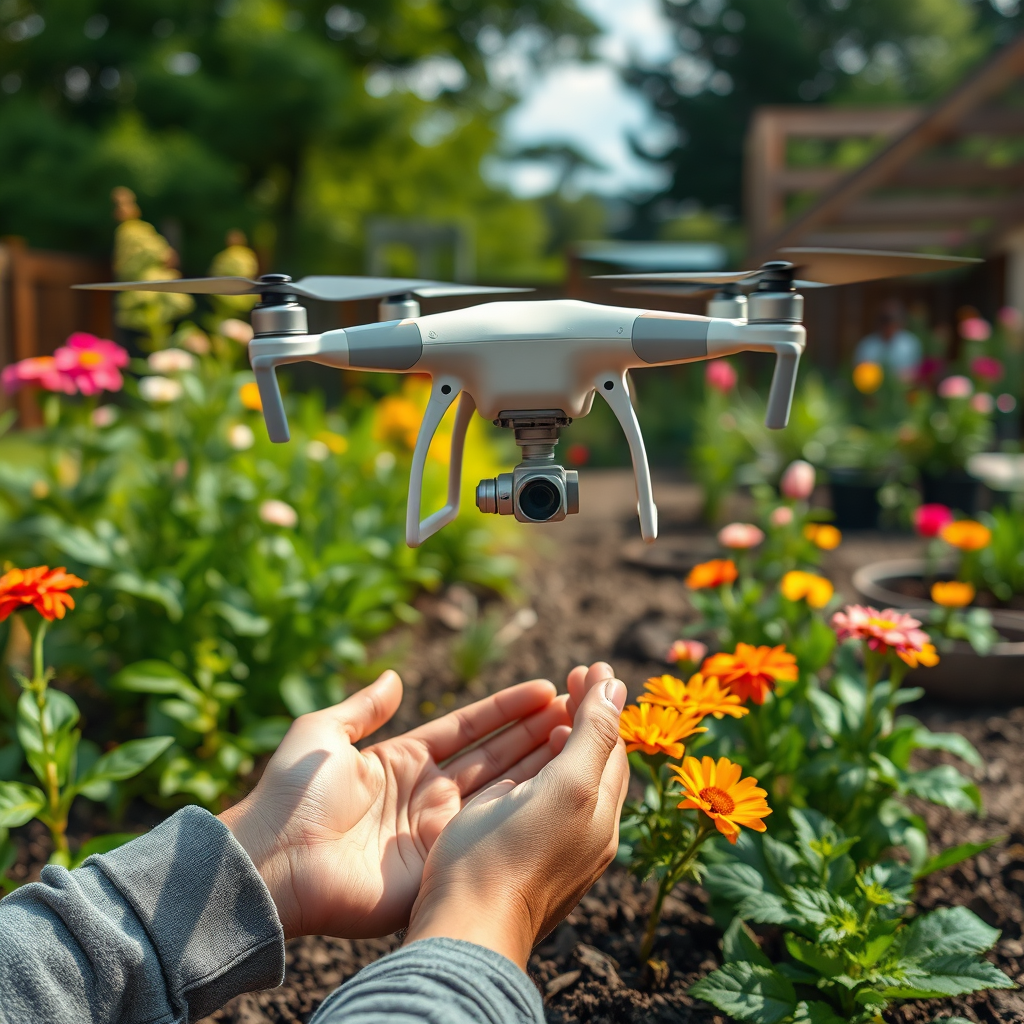
Yes, someone can legally fly a drone over your backyard, but there are regulations and restrictions that may apply. Understanding these laws is crucial to ensure your privacy and safety, as drone use is becoming increasingly common in urban and suburban settings. This article will delve into the legal framework governing drone flights over residential areas, examine potential privacy concerns, and outline the steps you can take if you feel uncomfortable with drone activity in your vicinity.
Understanding Drone Regulations
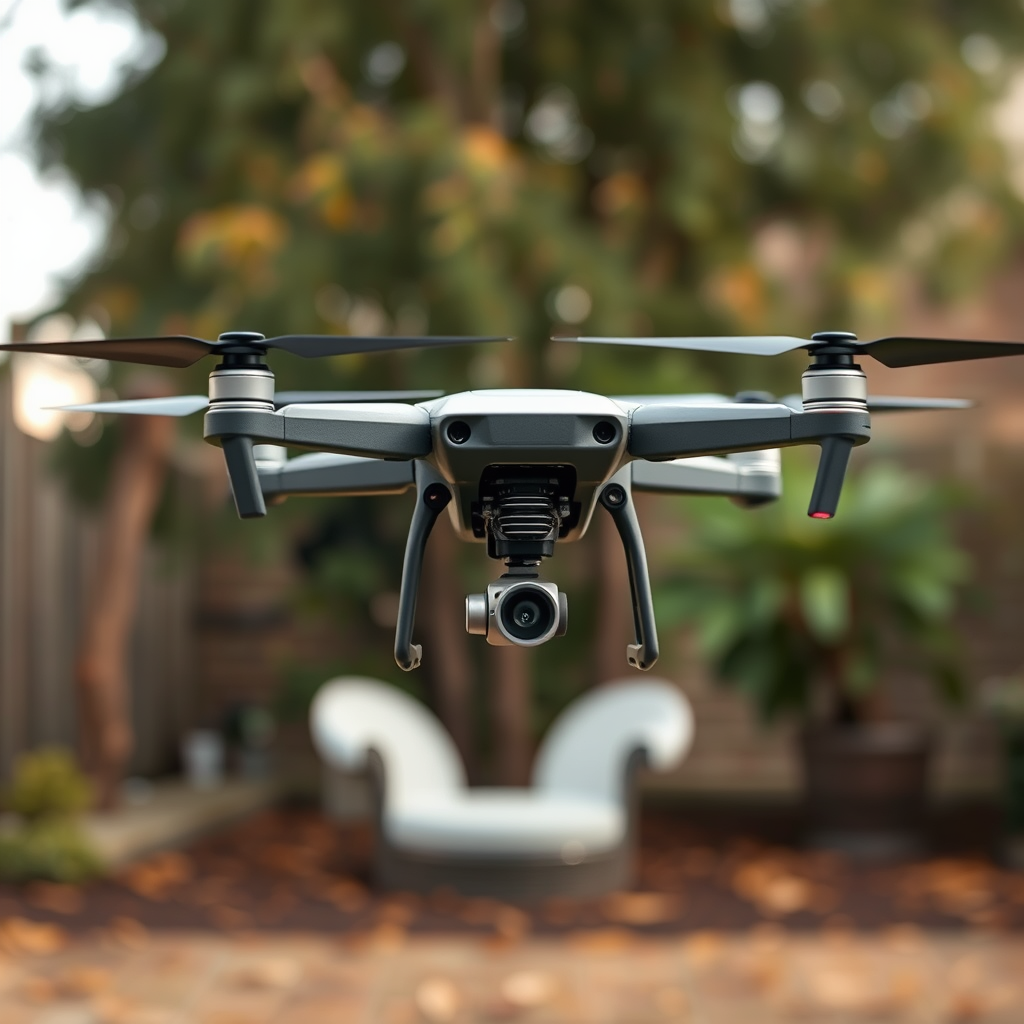
The Federal Aviation Administration (FAA) is the primary regulatory body overseeing drone usage in the United States. Under current FAA regulations, drones must be flown within the pilot’s line of sight and below an altitude of 400 feet. This means that in many instances, drones can legally traverse residential areas if they comply with these guidelines. Additionally, drone operators are required to adhere to airspace classifications, ensuring they do not encroach on restricted or controlled airspace without proper authorization.
Local laws may also influence drone usage; some municipalities have enacted specific rules that restrict flying drones in certain areas, including residential neighborhoods. For example, areas near schools, parks, or crowded events may have heightened restrictions. As a homeowner, it’s essential to familiarize yourself with both federal and local regulations to understand the legal landscape surrounding drone flights in your area.
Privacy Laws and Drones
Privacy laws in the United States are not uniform and can differ significantly from state to state, affecting how drones can be utilized. Generally, filming or photographing someone without their consent can lead to legal repercussions. For instance, many states have enacted laws that prohibit the invasion of privacy through unauthorized surveillance, including drone photography.
In some jurisdictions, if a drone operator captures images or videos of individuals in their private spaces without their consent, they could face potential lawsuits based on invasion of privacy claims. Homeowners concerned about privacy violations should be aware of their state’s specific laws and consider consulting with a legal professional if they believe their rights are being infringed upon.
Common Reasons for Drone Flights
Drones are utilized for a variety of purposes, both recreational and commercial. Recreationally, many enthusiasts fly drones for photography, videography, or racing. These activities can occur in residential areas, particularly if the drone operator is capturing scenic views or participating in drone racing, which has gained popularity in recent years.
On the commercial side, drones are increasingly employed for tasks such as land surveying, real estate photography, agricultural monitoring, and infrastructure inspections. Companies often use drones to access hard-to-reach areas, gather data, or provide aerial footage that enhances their services. The growing use of drones in various industries underscores the importance of understanding the legal framework surrounding their operation, as it can directly impact communities.
What to Do if a Drone is Over Your Property
If you find yourself uncomfortable with a drone flying over your property, there are several steps you can take. First, it’s advisable to document the drone’s activity by taking notes, photographs, or videos to capture evidence of its presence. This documentation can be crucial if you decide to take further action.
If the drone’s activity feels threatening or intrusive, you should consider contacting local authorities. Law enforcement agencies or local drone enforcement officers may be able to address the situation, especially if the drone is violating any local regulations. Additionally, you may want to reach out to the drone operator if identifiable, as many times, operators may not even be aware of the discomfort their drone usage is causing.
Preventing Drone Intrusion
For homeowners concerned about drone intrusion, there are several proactive measures that can be taken. Installing privacy fences or using landscaping techniques, such as tall hedges or trees, can help obstruct views into your backyard and deter drone operators from flying over. While these measures may not eliminate the possibility of drone activity, they can create a barrier that enhances your privacy.
Another option is to invest in drone detection technology. These systems can alert you to the presence of drones in your vicinity, providing you with real-time information about their location and altitude. Some advanced systems can even help identify the operator of the drone. Though this technology may be more suited for individuals who frequently experience drone activity, it can significantly enhance your peace of mind.
The Future of Drone Regulations
As drone technology continues to evolve, so too does the regulatory landscape. Ongoing discussions among lawmakers and industry stakeholders aim to address emerging challenges associated with drone operations. Potential changes in legislation may include stricter regulations concerning privacy, mandatory registration for drone operators, or expanded no-fly zones in residential areas.
Homeowners should remain vigilant about changes in drone laws, as these regulations can directly affect their rights and the operation of drones in their neighborhoods. Staying informed about advancements in drone technology and the accompanying legal framework is essential for homeowners looking to protect their privacy and ensure their safety in an increasingly drone-populated world.
In summary, while it is generally legal for someone to fly a drone over your backyard, understanding your rights and the regulations in place is essential. If you encounter issues or feel uncomfortable with drone activity, there are steps you can take to address them, including documenting incidents and contacting local authorities. By staying informed and proactive about your privacy, you can navigate the complexities of drone usage in residential areas more effectively.
Frequently Asked Questions
What are the legal restrictions for flying a drone over residential property?
The legalities of flying a drone over residential areas vary by location but generally fall under federal and state regulations. In the United States, the Federal Aviation Administration (FAA) allows drone operation as long as the pilot maintains visual line of sight and does not fly above 400 feet. However, many states and municipalities have their own laws, which may include restrictions on flying drones over private property without permission. Always check local laws and regulations to avoid potential fines or legal issues.
How can I prevent someone from flying a drone over my backyard?
While you cannot completely stop someone from flying a drone over your property due to federal airspace laws, there are steps you can take to express your concerns. First, consider talking to your neighbors about the issue; they may not be aware of the disturbance. Additionally, if you feel that your privacy is being invaded, you can report the situation to local law enforcement or contact the FAA to understand your rights and see if any regulations can be enforced in your area.
Why are drones allowed to fly over my backyard?
Drones are permitted to fly over private property because the airspace above a property is considered public airspace, regulated by the FAA. This means that as long as the drone operator adheres to the FAA’s rules—such as maintaining a safe altitude and avoiding restricted areas—they can legally fly over your backyard. However, this does not mean that drone operators are free from liability; if their actions cause damage or invade your privacy, you may have grounds for a legal complaint.
What should I do if a drone is invading my privacy in my backyard?
If you believe a drone is invading your privacy, you can take several actions. First, document the incident by taking photos or videos of the drone and noting the time and date. Next, try to identify the operator and politely address your concerns, as they may not realize they are infringing on your privacy. If the situation persists, you may want to contact local law enforcement to discuss your options, as they can provide guidance on laws regarding privacy and drone usage.
Which privacy laws apply to drones flying over residential properties?
Privacy laws related to drones can vary widely depending on your location, but generally, they deal with the right to privacy and surveillance. In many places, a drone capturing images or videos of individuals in their private spaces without consent may violate privacy rights. For example, some states have enacted laws that specifically address drone surveillance, making it illegal to record or photograph people without their permission in certain situations. It’s essential to research local laws and consult legal experts if you feel your privacy is being violated by drone activity.
References
- https://en.wikipedia.org/wiki/Drone_regulations_in_the_United_States
- https://www.faa.gov/uas/resources/policy_library/
- https://www.nolo.com/legal-encyclopedia/drone-laws-what-you-need-know-29744.html
- https://www.aclu.org/news/privacy-technology/2021/06/what-you-need-to-know-about-drones-and-privacy/
- https://www.theverge.com/2020/8/25/21397198/drone-laws-regulations-privacy-issues-usa-eu
- https://www.nytimes.com/2021/09/16/us/drone-privacy-laws.html
- https://www.drones.gov/
- https://www.fcc.gov/document/fcc-issues-guidance-drone-operations-0
