
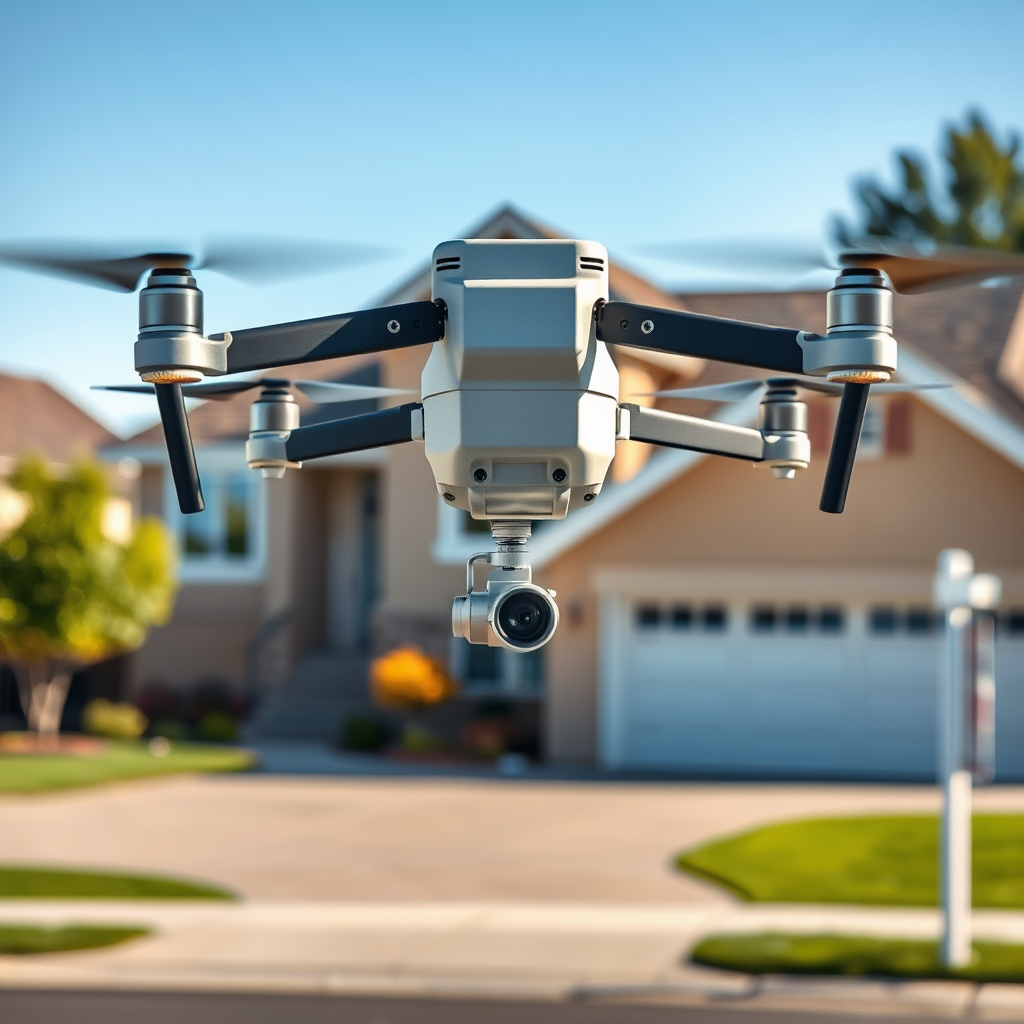
Yes, someone can fly a drone over private property, but there are specific laws and regulations that govern this activity. Understanding these rules is crucial to avoid potential legal issues that may arise from infringing on property rights or privacy concerns. As drone technology continues to evolve, so too do the frameworks regulating their use, making it imperative for operators to be well-informed about the legal landscape surrounding drone flights.
Understanding Drone Laws
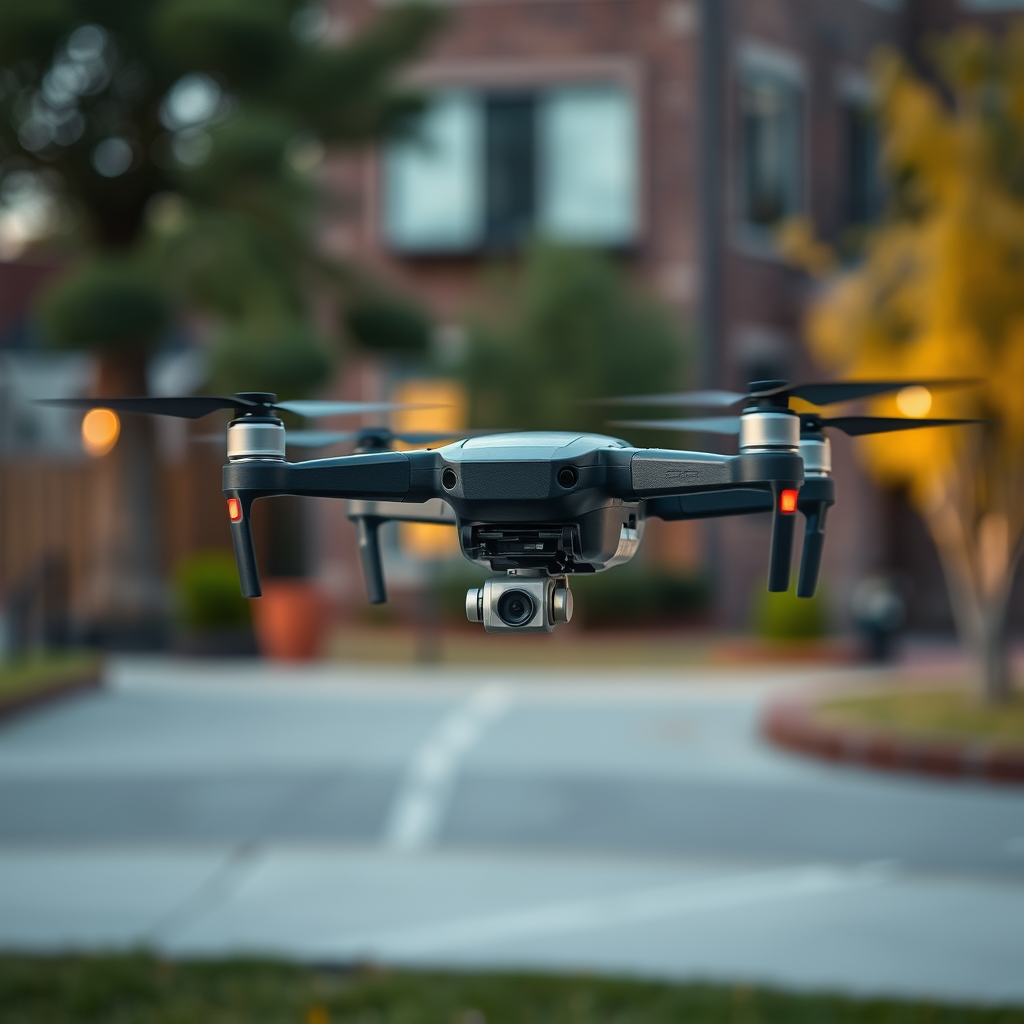
The Federal Aviation Administration (FAA) plays a pivotal role in regulating drone operations in the United States. According to FAA regulations, drones are classified as “unmanned aircraft systems” (UAS), and their operation is subject to various rules aimed at ensuring safety and accountability. For instance, drone operators must adhere to guidelines such as maintaining visual line-of-sight, not flying above 400 feet, and avoiding restricted airspace, including areas near airports.
In addition to federal regulations, it is critical to consider local laws and ordinances that may apply. Different states and municipalities can impose their own restrictions on drone usage. For example, some cities have enacted laws that prohibit flying drones over certain public spaces or private properties without explicit permission. Therefore, before flying a drone, it is advisable to research both federal and local regulations to ensure compliance and avoid potential fines or penalties.
Rights of Property Owners
Property owners possess certain rights concerning the airspace above their land, a concept rooted in property law. Generally, the law recognizes that the landowner has rights extending into the airspace above their property, although the exact boundaries of these rights can be complex. In many jurisdictions, property owners have the right to control access to their airspace against intrusions, including drone flights.
This leads to a nuanced interpretation of trespassing laws as they relate to drone usage. If a drone operator flies their drone over a property without permission and captures images or videos, they may be liable for trespassing. The legal implications can vary depending on state laws, but it is generally advisable for drone operators to seek permission from property owners before flying over their land to avoid any legal disputes.
Privacy Concerns
The increasing use of drones has raised significant privacy concerns among property owners. Drones equipped with cameras can easily capture images and videos of private property, potentially infringing on individuals’ rights to privacy. The legality of capturing such footage often hinges on the intent and context of the drone operation. For instance, if a drone operator is filming for commercial purposes and inadvertently captures private property, they may face legal ramifications.
In many states, laws protect individuals from unauthorized surveillance or invasion of privacy. This means that drone operators must be cautious about how they use their drones and be aware of what they are capturing. Engaging in responsible drone flying—such as avoiding flights over residential areas or private properties without consent—can help mitigate privacy-related issues and foster a better relationship between drone operators and the community.
Restrictions on Drone Use
There are specific areas where flying drones is prohibited, reflecting concerns over safety and privacy. For instance, the FAA strictly prohibits drone operations near airports, military bases, and emergency response scenes, where the presence of drones can pose significant risks. Additionally, flying over crowds or large gatherings is often restricted to prevent accidents and ensure public safety.
Moreover, various state laws may impose further restrictions on drone operations. For example, some states have enacted legislation that specifically addresses the use of drones for wildlife photography, hunting, or surveillance, which may require special permits or complete prohibition. Operators should familiarize themselves with these restrictions to ensure compliance and avoid potential legal issues.
Best Practices for Drone Operators
To ensure a positive drone flying experience while respecting the rights of property owners, drone operators should adopt several best practices. Firstly, open communication is essential. Before flying over private property, it is advisable to seek permission from the property owner. This not only demonstrates respect for their rights but also helps to build a rapport that can lead to more positive interactions.
Additionally, drone operators should be considerate of their surroundings. This means flying at times that minimize disturbance to neighbors, maintaining a safe distance from people and animals, and being aware of local noise ordinances. Responsible and respectful flying can greatly enhance community acceptance of drone usage and reduce the likelihood of conflicts.
Consequences of Violating Drone Laws
The potential consequences of violating drone laws can be severe, ranging from fines to legal action. For instance, if a drone operator flies over private property without permission and captures images that infringe on privacy rights, they could face lawsuits or injunctions. In some cases, such actions can lead to criminal charges, particularly if the operator is found to have engaged in harassment or invasion of privacy.
There have been notable cases where drone-related disputes escalated into legal battles. For example, in 2017, a homeowner in New Jersey shot down a drone flying over his property and faced criminal charges. This incident highlights the potential for conflict and the importance of adhering to regulations and respecting property rights when operating drones.
Future of Drone Regulations
As drone technology continues to advance, the regulatory landscape is also evolving. There is a growing trend toward more comprehensive legislation that addresses the complexities of drone usage, particularly concerning privacy and safety. Innovations such as remote identification technology are being explored to enhance accountability and traceability for drone operations.
Looking ahead, it is likely that laws will continue to adapt in response to emerging technologies and public concerns about privacy and safety. Operators should remain proactive in staying informed about legislative changes and evolving best practices to ensure compliance and foster positive relationships with the communities in which they fly.
In conclusion, while flying a drone over private property is often permissible, it is essential to be aware of the legal landscape and respect the rights of property owners. Being informed about federal and local regulations, understanding property rights and privacy concerns, and adhering to best practices can help drone operators avoid legal pitfalls. Seeking permission from property owners and flying responsibly will not only enhance the drone flying experience but also contribute to a more harmonious coexistence between drone users and the public.
Frequently Asked Questions
Can someone legally fly a drone over my private property?
Yes, in many jurisdictions, it is generally legal for drone operators to fly over private property as long as they remain within the legal altitude limits and adhere to Federal Aviation Administration (FAA) regulations. However, this can vary by state or local laws, and some areas may have specific restrictions regarding privacy and airspace. Always check with local regulations to understand your rights and the rights of drone operators in your area.
What should I do if a drone is flying over my property?
If a drone is flying over your property and you feel uncomfortable or believe it is invading your privacy, first check local laws regarding drone operation. You can politely approach the drone operator if they are accessible, or you may consider contacting local law enforcement if you believe the drone is being used unlawfully or poses a threat to your privacy or safety. Documenting the drone’s activity can also be helpful if you decide to take further action.
Why do drone operators fly over private property?
Drone operators may fly over private property for various reasons, including aerial photography, surveying land, filming, or recreational use. Many commercial drone operators, such as real estate photographers or land surveyors, may require access to airspace above private property to capture images or data. However, it’s essential for these operators to respect privacy laws and obtain permission when necessary.
What are the best practices for flying a drone near private property?
Drone operators should always follow best practices to ensure safety and respect for private property. This includes flying at a safe altitude, avoiding flying directly over homes or private areas whenever possible, and seeking permission from property owners before flying over their land. Additionally, staying aware of local laws and airspace regulations is crucial to avoid legal complications.
Which states have specific laws about drones flying over private property?
Several states have introduced laws and regulations that specifically address drone use over private property. For example, states like California, Florida, and Texas have enacted laws that protect individuals from invasion of privacy by drones. It’s essential for drone operators and property owners alike to stay informed about their state’s laws, as these regulations can change and vary significantly across different jurisdictions.
References
- https://www.faa.gov/uas/resources/policy_library/media/uas_privacy_policy.pdf
- https://www.nolo.com/legal-encyclopedia/drone-laws-what-you-need-know-29718.html
- https://www.aclu.org/news/privacy-technology/what-you-need-to-know-about-drone-privacy
- https://www.ncsl.org/research/transportation/drone-laws.aspx
- https://www.wired.com/story/drone-law-privacy/
- https://www.abc.net.au/news/2020-10-23/drone-privacy-laws-explained/12809278
- https://www.nytimes.com/2021/04/15/us/drone-privacy-laws.html
- https://www.msn.com/en-us/news/us/can-you-fly-a-drone-over-private-property/ar-BB1b2a0C
