
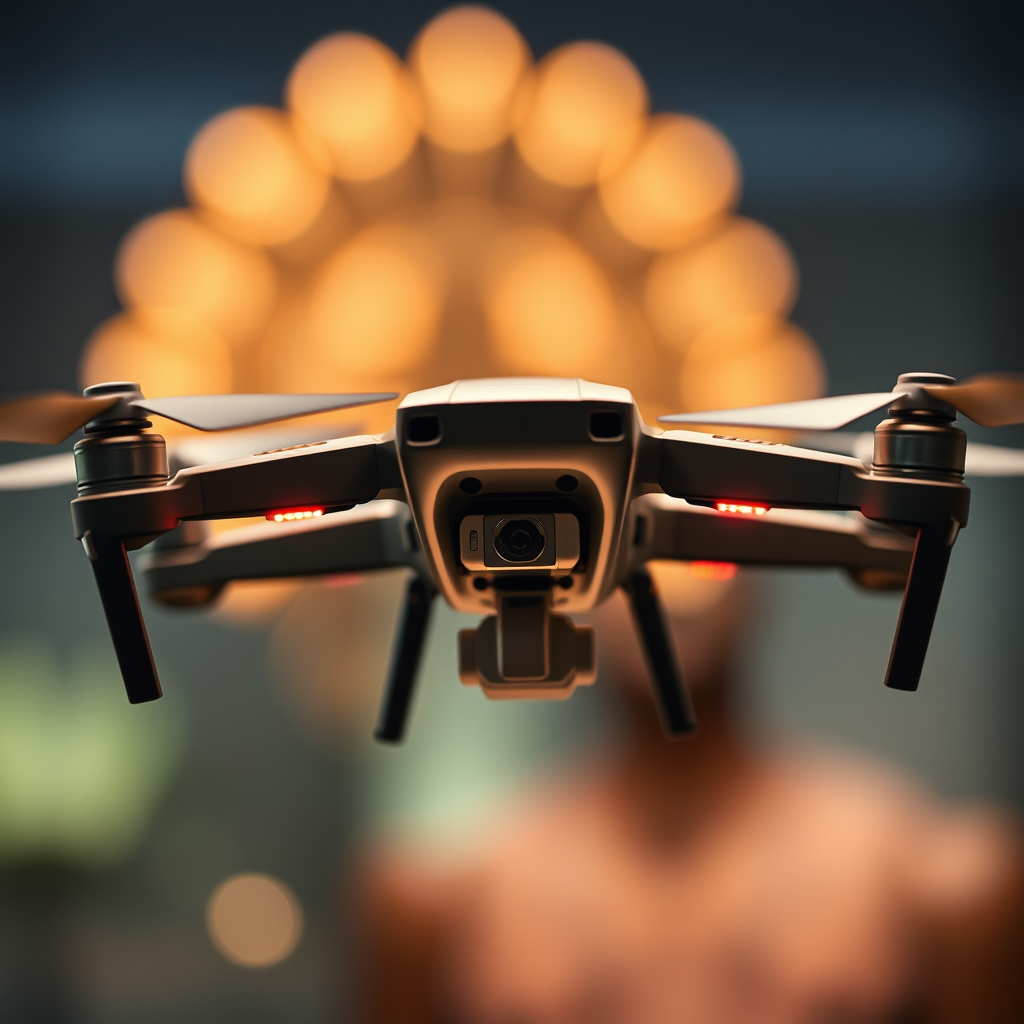
Yes, it is technically possible for someone to shoot down a drone, but it is fraught with legal implications and safety concerns. Understanding the laws and practicalities surrounding this issue is crucial for anyone considering such an action. As drone technology proliferates and their presence becomes more common in various environments, individuals are increasingly facing the dilemma of unwanted drones invading their privacy or property. However, before taking drastic measures, it is essential to explore the legal framework, potential consequences, and safer alternatives.
Understanding Drone Regulations
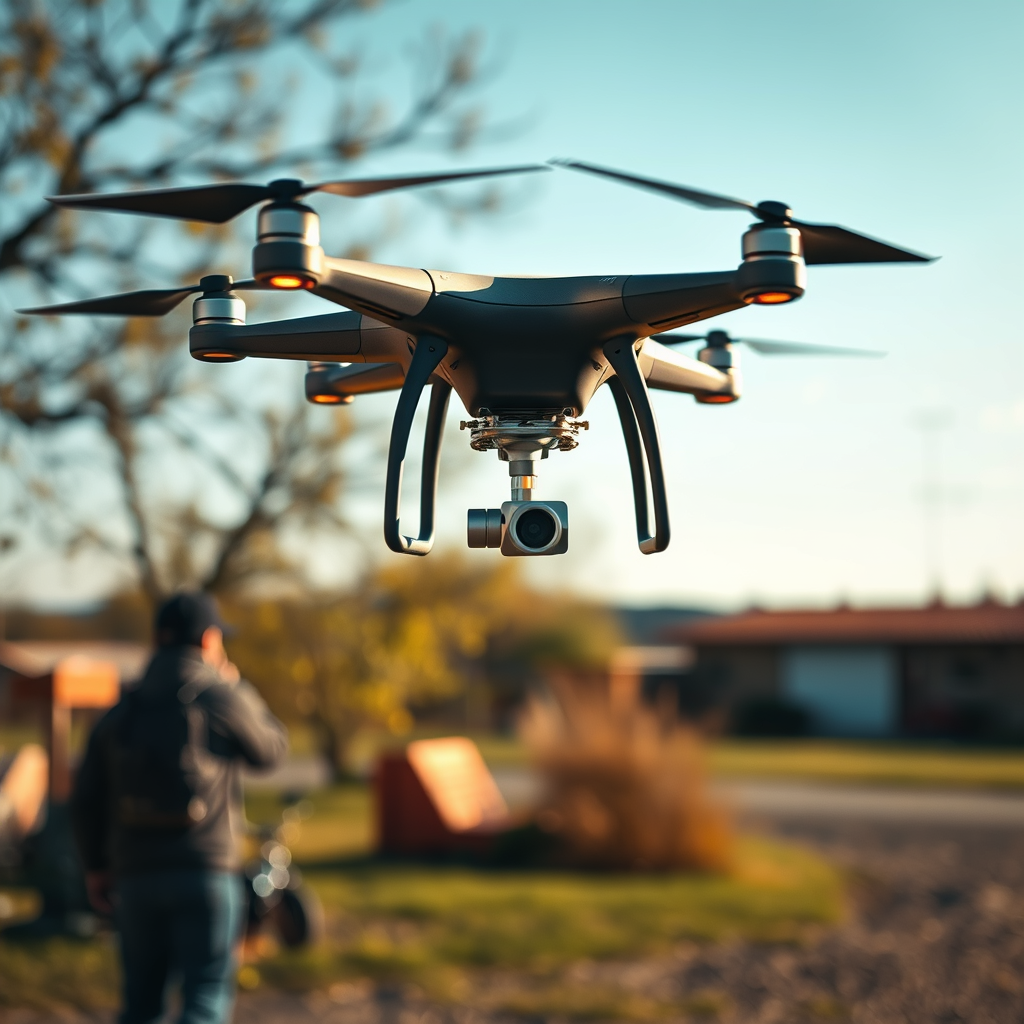
In the United States, drone usage is primarily governed by the Federal Aviation Administration (FAA), which has established comprehensive regulations to ensure safety and security in the national airspace. These regulations classify drones into different categories based on their weight and intended use, with commercial operators requiring specific certifications and adherence to strict operational guidelines.
In addition to federal laws, local and state regulations can also significantly influence drone operations. Many states have enacted laws addressing privacy concerns, noise disturbances, and the use of drones for surveillance. For example, some jurisdictions prohibit the use of drones over private property without permission, while others may impose restrictions on their operation in populated areas or near sensitive locations such as schools and hospitals. As such, individuals must familiarize themselves with both federal and local regulations to understand their rights and responsibilities regarding drone encounters.
Legal Consequences of Shooting Down a Drone
Shooting down a drone can lead to severe legal repercussions for the individual taking such action. Primarily, the act of destroying a drone may constitute destruction of property, which is a criminal offense. Drones, even if perceived as an invasion of privacy, are legally considered personal property. Therefore, the owner of a drone could pursue charges against anyone who shoots it down, potentially leading to misdemeanor or felony charges depending on the circumstances.
Moreover, there are civil liabilities to consider. The drone’s owner could file a lawsuit for damages, which might include the cost of the drone, potential loss of data or footage, and emotional distress. Legal battles can be costly and time-consuming, and the outcome is uncertain. In some instances, individuals have been prosecuted under federal laws for discharging a firearm in a manner that endangers public safety, particularly if the drone was operating in a populated area.
Safety Risks Involved
The safety risks associated with shooting down a drone are significant and should not be overlooked. Using firearms in populated areas poses inherent dangers, as stray bullets can cause unintended injuries or fatalities to bystanders. The risk of collateral damage extends to property as well; a downed drone may crash into houses, vehicles, or people, leading to potential lawsuits and criminal charges.
Furthermore, engaging in such behavior can escalate conflicts with drone operators, possibly leading to confrontations that could escalate into violence. The unpredictability of the situation makes it imperative to consider the potential fallout of using firearms against drones, especially when less dangerous alternatives exist.
Alternatives to Shooting Down a Drone
Before resorting to extreme measures like shooting down a drone, individuals should explore legal methods to address unwanted drone activity. One effective approach is to communicate directly with the drone operator, if feasible. Often, operators may not be aware of their drone’s proximity to private property or the discomfort it is causing.
If direct communication is not possible or fails to yield results, reporting the incident to local authorities or aviation regulators is advisable. The FAA has established mechanisms for reporting unauthorized drone operations, and local law enforcement can intervene in cases of harassment or privacy violations. This route not only adheres to legal protocols but also avoids the risks associated with taking matters into one’s own hands.
Technology for Drone Mitigation
As drone technology evolves, so too do strategies for mitigating unwanted drone presence without resorting to destructive measures. Non-destructive technology options such as jamming and net capture systems are gaining popularity. Jamming devices can disrupt the communication between the drone and its operator, forcing it to land safely. However, it is essential to note that jamming devices are illegal to use in many jurisdictions, including the United States, and can interfere with legitimate communications.
Net capture systems provide a more tactful approach by physically capturing the drone without causing destruction. These systems can be deployed from the ground or from another drone, safely neutralizing the unwanted aircraft. Furthermore, drone detection systems are becoming increasingly sophisticated, allowing property owners to monitor drone activity in real-time and take appropriate action, such as alerting authorities.
Case Studies and Real-World Examples
There have been several high-profile incidents where individuals have shot down drones, resulting in significant legal repercussions. In 2015, a man in Kentucky shot down a drone that was allegedly hovering over his property. He faced charges of criminal mischief and was required to pay for the drone’s damages. Similarly, in another notable case, a couple shot down a drone believed to be spying on them, leading to a civil lawsuit from the drone’s operator. These cases highlight the complex interplay between personal rights, privacy concerns, and the legal consequences of taking matters into one’s own hands.
The outcomes of such incidents often serve as cautionary tales, emphasizing the importance of understanding the legal landscape surrounding drone use and the potential ramifications of aggressive actions against them.
Public Opinion and Ethical Considerations
Public opinion on drones is divided, with many people expressing concerns about privacy violations and safety. While some argue that drones provide valuable services, such as aerial photography, delivery, and surveillance for security purposes, others view them as intrusive and a threat to personal privacy. This dichotomy fuels ongoing debates about the ethical implications of drone usage and the balance between personal safety and the right to privacy.
Additionally, ethical considerations arise when weighing the potential harm of a drone against the legality of shooting it down. Individuals may feel justified in protecting their privacy, but the broader implications of their actions must also be considered. As drone technology continues to advance, society will need to grapple with these ethical dilemmas and establish clearer guidelines for responsible drone usage.
In conclusion, while it is technically possible to shoot down a drone, the legal, ethical, and safety concerns make it a complex issue. The potential for criminal charges, civil liabilities, and personal safety risks should deter individuals from taking such actions. Instead, exploring legal alternatives and utilizing new technologies for drone mitigation is advisable. By remaining informed about the laws in their area and prioritizing safety, individuals can navigate the challenges posed by unwanted drones more effectively.
Frequently Asked Questions
Can someone legally shoot down a drone?
Legally shooting down a drone is generally prohibited under both federal and state laws in many countries, including the United States. The Federal Aviation Administration (FAA) specifies that aircraft, which includes drones, cannot be shot down as it poses significant safety risks and could lead to criminal charges. Instead of taking matters into your own hands, it’s advisable to report any unauthorized drone activity to local law enforcement or the FAA.
What are the risks of shooting down a drone?
Shooting down a drone can lead to severe consequences, including legal repercussions and potential injury to people or property. Drones are classified as aircraft, and damaging one can result in felony charges, lawsuits, and fines. Moreover, falling debris from a downed drone can cause accidental harm to bystanders or damage to nearby structures, highlighting the importance of handling drone-related issues through proper channels.
How can I protect my privacy from drones without shooting them down?
To protect your privacy from drones, consider using physical barriers, such as privacy screens or fencing, and be aware of your surroundings. Additionally, you can invest in anti-drone technology, such as signal jammers (where legal) or drone detection systems, which alert you to the presence of drones in your vicinity. Reporting persistent drone activity to local authorities can also help address privacy concerns effectively.
Why do some people want to shoot down drones?
Some individuals may feel compelled to shoot down drones due to privacy invasion concerns, fear of surveillance, or a belief that drones are being used for malicious purposes. In cases where drones are flying over private property without permission, owners might feel justified in taking extreme measures to protect their space. However, it’s crucial to understand that such actions can lead to serious legal consequences and should be avoided.
What should I do if I see a drone over my property?
If you see a drone flying over your property, the first step is to remain calm and assess the situation. Determine if the drone is posing a direct threat to your privacy or safety. If you feel uncomfortable or believe the drone is surveying your property without consent, document the incident with photos or videos and contact local law enforcement or the FAA for guidance on how to proceed. Engaging in direct confrontation or taking matters into your own hands is not advisable.
References
- https://en.wikipedia.org/wiki/Drone#Countermeasures
- https://www.faa.gov/uas/commercial_operators/
- https://www.ncbi.nlm.nih.gov/pmc/articles/PMC6316434/
- https://www.theguardian.com/technology/2020/nov/25/drones-us-military-sky
- https://www.nytimes.com/2021/02/01/us/drones-shoot-down.html
- https://www.c-span.org/video/?c4919615/user-encounters-drone-attack
- https://www.bbc.com/news/world-us-canada-49715417
- https://www.military.com/defensetech/2020/01/21/what-you-need-know-about-shooting-down-drones.html
