
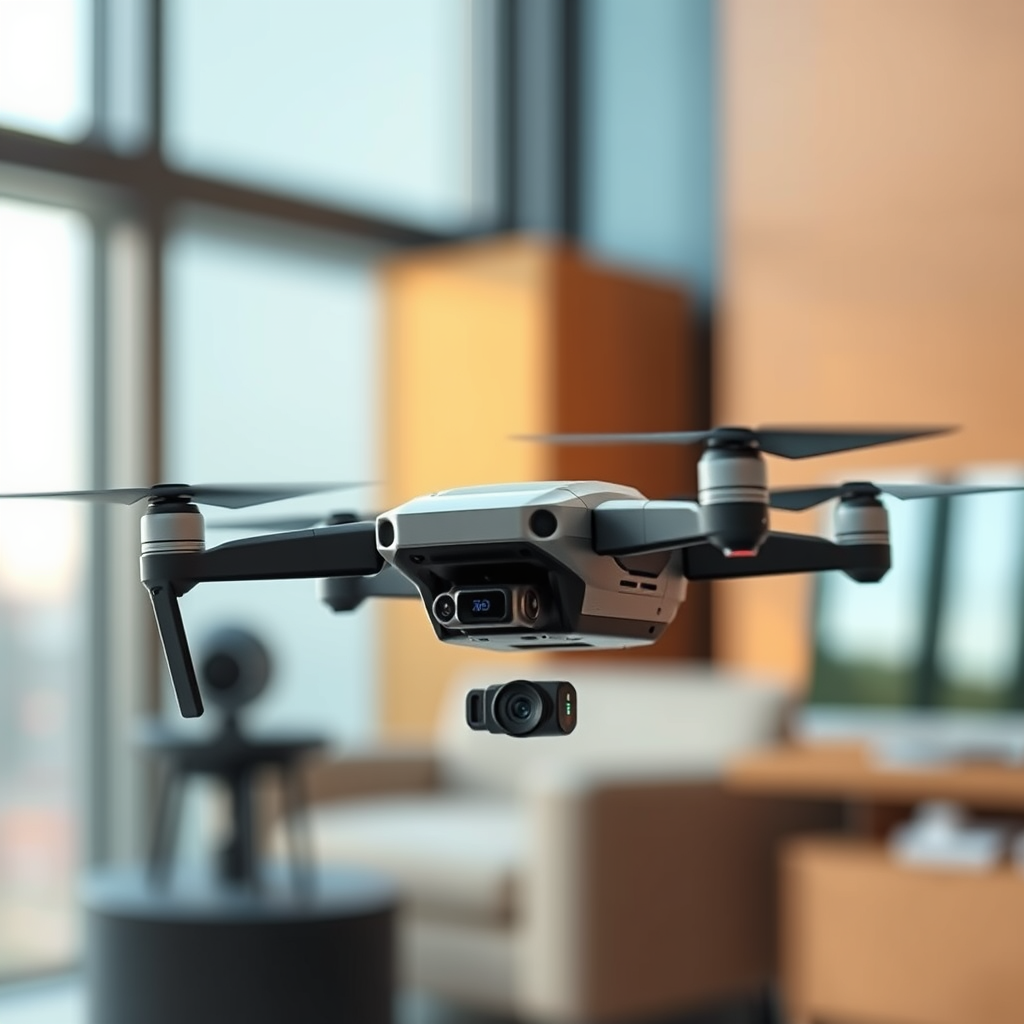
Yes, the FAA can track your drone under certain conditions, particularly if it is registered and equipped with the necessary technology. As the popularity of drones continues to rise, so does the need for effective monitoring and regulation to ensure safety in the skies. In this article, we will delve into how the FAA monitors drone activity, the specific regulations in place, and what drone operators should be aware of to remain compliant.
FAA Regulations and Drone Visibility
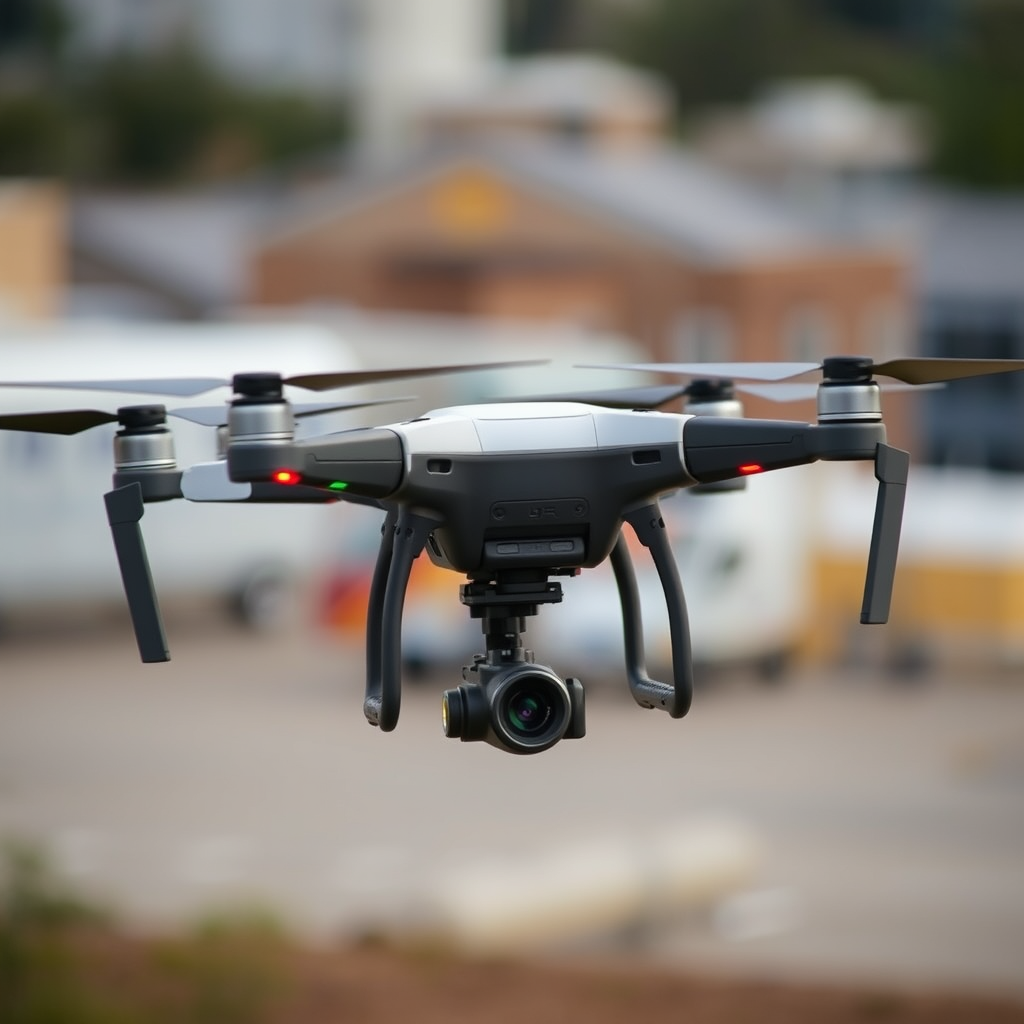
The Federal Aviation Administration (FAA) has implemented a series of regulations to ensure the safe operation of drones in U.S. airspace. One of the primary requirements is that all drones weighing over 0.55 pounds must be registered with the FAA. This registration process is straightforward and can be completed online, providing the FAA with essential information about the drone operator and the aircraft itself. Once registered, drones can be tracked through the FAA’s UAS Traffic Management (UTM) system, which is designed to manage the complexities of unmanned aerial systems in shared airspace.
The UTM system relies on data from registered drones, allowing the FAA to monitor their movements and ensure compliance with airspace regulations. This tracking capability is critical for maintaining safety, particularly as drone use becomes more widespread across various industries, including delivery services, agriculture, and aerial photography.
Drone Identification Requirements
To facilitate the tracking of drones, the FAA mandates that all registered drones display a visible registration number. This number must be affixed to the drone in a manner that is easily readable, ensuring that law enforcement and other authorities can identify the drone’s owner if necessary.
In addition to visible registration numbers, the FAA is in the process of implementing Remote Identification (Remote ID) technology. This technology will enable real-time tracking of drones, similar to how vehicles are tracked via license plates. Remote ID will provide information about the drone’s location, speed, and altitude, as well as the identity of the operator. The introduction of Remote ID is a significant step towards enhancing safety and accountability in drone operations, making it easier for regulatory bodies to monitor compliance with airspace regulations.
How the FAA Monitors Airspace
The FAA employs a combination of radar and satellite technology to monitor aerial activities, including drones. This multifaceted approach allows the FAA to maintain oversight of both manned and unmanned aircraft, ensuring that all operators adhere to safety protocols. In controlled airspace areas, such as near airports or densely populated regions, the FAA exercises stricter oversight to minimize risks associated with drone operations.
Furthermore, the FAA collaborates with various stakeholders, including local law enforcement and air traffic control facilities, to maintain situational awareness of drone operations. In recent years, incidents involving drones interfering with commercial aircraft have underscored the necessity of effective monitoring systems. The FAA’s ability to detect and track drones in real-time enhances safety and helps prevent potential accidents.
Privacy Concerns and Data Sharing
As the FAA increases its tracking capabilities, privacy concerns have emerged regarding the potential misuse of data collected during drone monitoring. The FAA recognizes these concerns and has established policies to protect personal data gathered from drone surveillance. For instance, the FAA is committed to limiting access to sensitive information and ensuring that any data shared with third parties does not compromise individual privacy.
To foster transparency and build public trust, drone operators are encouraged to disclose their operations, especially in areas where the public may be concerned about privacy violations. Engaging in community outreach and education can help alleviate fears and promote a better understanding of the benefits of drone technology.
What Drone Operators Should Know
As a drone operator, it is crucial to stay informed about local laws and FAA regulations. Each state and municipality may have specific rules governing drone use, including restrictions on flying over certain areas or at specific altitudes. Utilizing apps and tools designed to provide real-time information about airspace restrictions can help operators navigate these complexities.
Additionally, operators should familiarize themselves with the FAA’s Part 107 regulations, which outline the requirements for commercial drone use, including pilot certification, operational limits, and necessary documentation. Compliance with these regulations not only ensures safety but also protects the operator from potential legal repercussions.
Future of Drone Tracking and FAA Oversight
The landscape of drone technology is rapidly evolving, and with it, the FAA’s role in managing increased drone traffic is also changing. Anticipated advancements, such as enhanced Remote ID systems and integration with UTM frameworks, will likely improve the FAA’s ability to track and manage drones effectively. These advancements may also lead to the development of more sophisticated air traffic management systems, allowing for increased coordination between manned and unmanned aircraft.
As drone technology continues to grow in sophistication and capability, the FAA will need to adapt its regulations and oversight mechanisms to ensure safety in an increasingly crowded airspace. Ongoing collaboration with industry stakeholders, technology developers, and public interest groups will be essential to create a regulatory environment that balances innovation with safety.
In conclusion, while the FAA does have the ability to monitor drones, understanding the regulations and requirements can help you operate within the law. Staying informed about registration, identification requirements, and airspace regulations is crucial for compliance. As the drone industry evolves, continued education and awareness will ensure a safe and responsible flying experience for all operators.
Frequently Asked Questions
Can the FAA track my drone flights?
Yes, the FAA has the capability to track drone flights, especially those operating under commercial regulations or registered with the FAA. Drones that are equipped with Remote ID technology transmit their location, which allows the FAA and other authorities to monitor air traffic and ensure safety. This tracking is part of the FAA’s efforts to manage the growing number of drones in U.S. airspace.
How does the FAA monitor drones in the airspace?
The FAA monitors drones using a combination of radar, satellite, and Remote ID technology. When a drone is registered and flying in controlled airspace, its information can be accessed through these systems. This data helps the FAA ensure compliance with regulations and enhance safety by preventing collisions with manned aircraft.
Why do I need to register my drone with the FAA?
Registering your drone with the FAA is required for all unmanned aircraft weighing over 0.55 pounds. This registration process helps the FAA track drones and manage airspace safely. Additionally, registration provides legal protection should any incidents occur, as it identifies the drone operator and facilitates accountability.
Which drones must be registered with the FAA?
All drones that weigh more than 0.55 pounds (approximately 250 grams) must be registered with the FAA. This includes recreational drones and those used for commercial purposes. Failure to register a drone can result in fines and penalties, so it’s crucial for operators to comply with the FAA’s requirements to avoid legal issues.
What are the consequences of flying a drone without FAA approval?
Flying a drone without FAA approval can lead to significant consequences, including hefty fines, legal action, or even criminal charges in severe cases. Additionally, unregistered drone flights can pose safety risks to other aircraft and individuals on the ground, which the FAA takes very seriously. Compliance with FAA regulations is essential for safe and responsible drone operation.
References
- https://www.faa.gov/uas/getting_started/registration
- https://www.faa.gov/uas/
- https://www.faa.gov/uas/resources/policy_library/
- https://www.faa.gov/uas/media/AC_107-2.pdf
- https://www.nytimes.com/2021/03/24/us/drone-regulations.html
- https://www.theguardian.com/us-news/2020/jan/09/drone-regulations-faa
- https://www.wikihow.com/Fly-a-Drone-Legally-in-the-US
- https://www.sans.org/white-papers/39238/
