
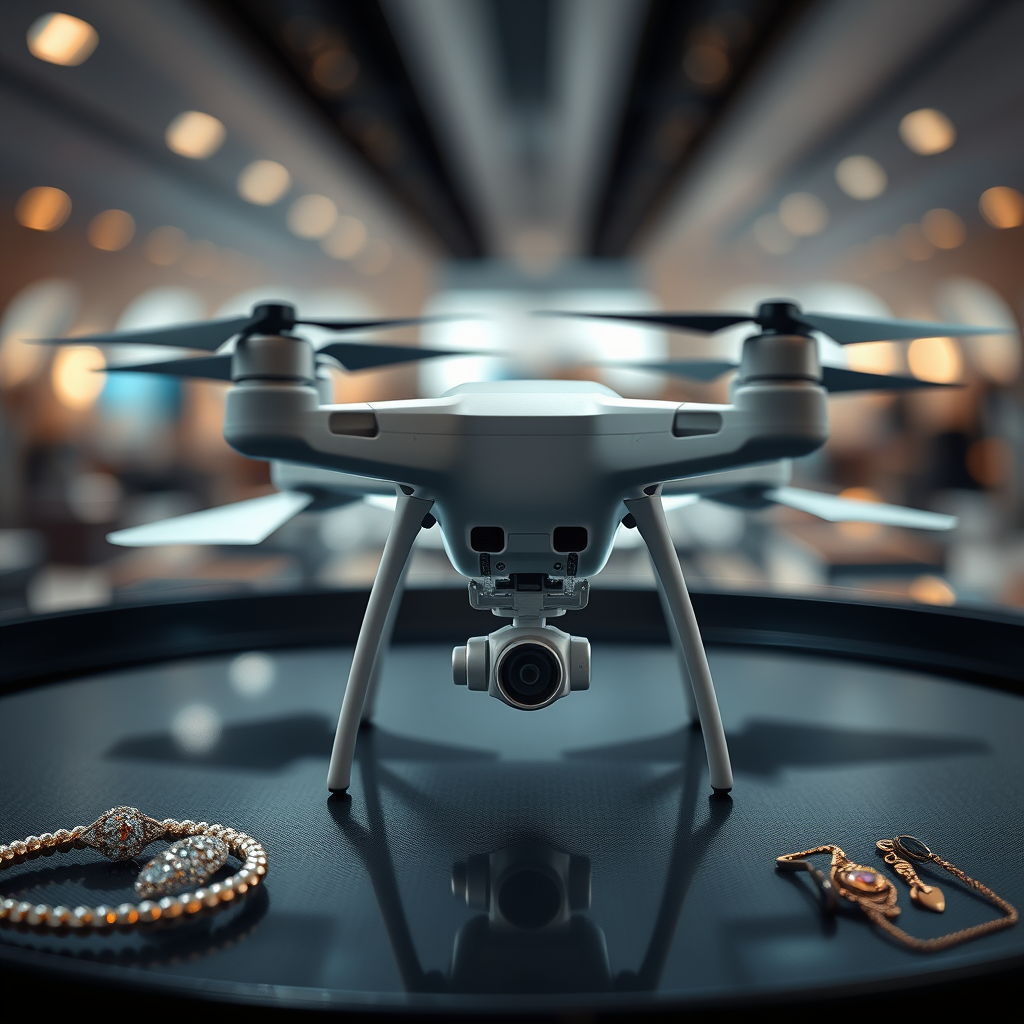
Yes, you can bring a drone on a plane, but there are specific regulations and guidelines you must follow. Understanding these rules will help ensure a smooth travel experience with your drone. As drone technology continues to evolve, so do the regulations surrounding their transportation. Whether you’re a professional aerial photographer or an enthusiastic hobbyist, knowing the ins and outs of flying with a drone can make all the difference in your travel plans.
Understanding FAA Regulations
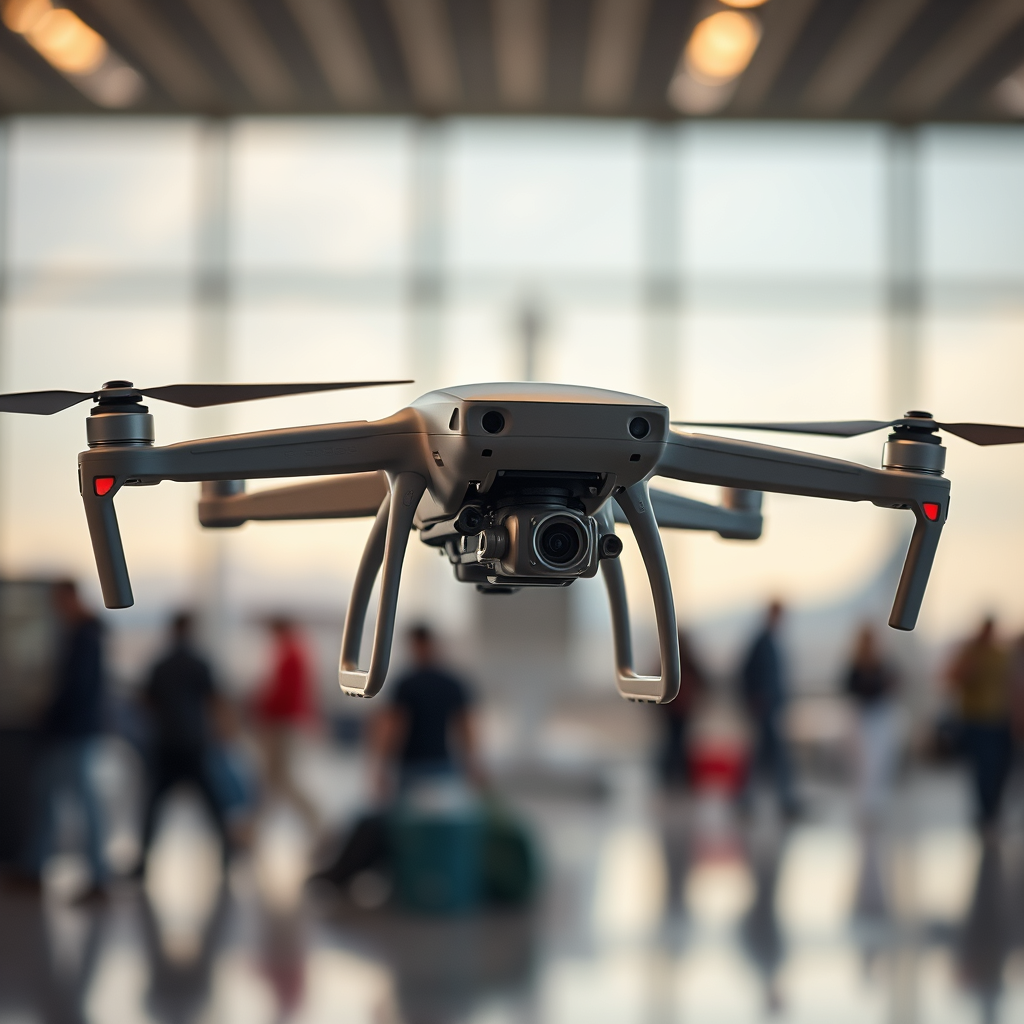
The Federal Aviation Administration (FAA) has established specific rules for carrying drones on planes to ensure safety and compliance with national airspace regulations. According to the FAA, drones that weigh over 0.55 pounds (approximately 250 grams) must be registered before they can be flown legally. This registration process is straightforward and can be completed online. Upon registration, you will receive a unique identification number that must be displayed on your drone.
Moreover, drones must comply with certain operational guidelines, such as flying below 400 feet and maintaining visual line-of-sight. While these rules primarily apply to drone operation, they also reflect the FAA’s focus on safety, which extends to the transport of drones on commercial flights. Understanding these regulations is essential as non-compliance could lead to fines or confiscation of your drone.
Airline Policies on Drones
Each airline has its own policies regarding drone transport, so checking with your carrier before flying is crucial. For example, many airlines allow drones in carry-on luggage, but some may restrict their size or weight. It’s essential to review the airline’s specific regulations regarding battery types and sizes, as lithium-ion batteries—commonly used in drones—are subject to strict guidelines.
For instance, American Airlines allows passengers to carry drones in their carry-on luggage, but the batteries must not exceed 100 watt-hours. In contrast, Delta Airlines has similar guidelines but also requires that any spare batteries be placed in protective cases to prevent short-circuiting. By familiarizing yourself with these policies, you can avoid surprises at the airport and ensure that your drone travels safely with you.
Packing Your Drone for Travel
To ensure that your drone arrives in one piece, it’s essential to pack it properly for travel. Using a padded case specifically designed for drones can provide the necessary protection against impacts during transport. Look for cases that offer compartments for propellers, batteries, and other accessories to keep everything organized.
When packing your drone, remove the batteries and store them separately. Airlines often have restrictions on battery transport due to safety concerns, particularly regarding lithium-ion batteries. Ensure that your batteries are within the airline’s watt-hour limits, and consider using battery cases to prevent short-circuiting.
Additionally, labeling your drone case as fragile can help alert airport personnel to handle your equipment with care. By taking these precautions, you can minimize the risk of damage and ensure your drone is ready for use upon arrival.
Security Screening Procedures
Navigating airport security with a drone can be straightforward if you are prepared. Be ready to take your drone out of its case during security screening, as TSA agents may need to inspect it separately. This is similar to the process for larger electronic devices such as laptops.
Familiarizing yourself with TSA guidelines is also essential. The TSA recommends that you declare all electronics, including drones, at the security checkpoint. Keeping your drone easily accessible can expedite the screening process and reduce any potential delays. Additionally, ensure that any memory cards or storage devices are not left in the drone, as these may also need to be inspected separately.
International Travel Considerations
Traveling internationally with your drone adds another layer of complexity due to varying regulations across countries. Different countries have specific laws governing drone usage and importation, which can affect whether you can bring your drone into the country. For example, countries like Canada and the United Kingdom have specific requirements for registration and operation that differ from those in the United States.
Before you travel, it’s important to check the destination country’s rules regarding drone usage. Some countries may require you to obtain permits or register your drone upon arrival. For instance, in places like Japan and Australia, failure to comply with local drone regulations can result in hefty fines or confiscation of your equipment.
Additionally, ensure that you have the necessary documentation, such as proof of registration and insurance, to demonstrate compliance with local laws. Understanding these regulations will help you avoid complications and ensure a hassle-free experience while flying your drone abroad.
Tips for Flying Drones at Your Destination
Once you’ve arrived at your destination, it’s essential to research local drone laws and restrictions before taking off. Many regions have specific no-fly zones, especially near airports, populated areas, and national parks. For example, in the United States, flying a drone over national parks is prohibited, and violators can face significant penalties.
To fly responsibly, utilize drone mapping apps that provide information about local regulations and prohibited areas. Additionally, consider joining local drone flying clubs or communities that can offer insights and advice on where and how to fly legally and safely. Engaging with local drone enthusiasts can enhance your experience and help you navigate unfamiliar regulations.
Respecting local laws not only keeps you in compliance but also fosters goodwill between drone operators and the communities in which they fly. By being a responsible drone pilot, you contribute to a positive perception of drone usage and its potential benefits.
In conclusion, bringing a drone on a plane is possible if you adhere to the appropriate regulations and guidelines. Understanding FAA rules, checking with your airline, packing your drone securely, and being aware of international laws are all crucial steps to ensure a smooth travel experience. Always research local drone regulations at your destination to avoid complications and enjoy your flying experience to the fullest. By being informed and prepared, you can make the most of your aerial adventures, no matter where your travels take you.
Frequently Asked Questions
Can you bring a drone on a plane as carry-on luggage?
Yes, you can bring a drone on a plane as carry-on luggage, but there are specific guidelines you must follow. Most airlines allow small drones in carry-on bags, provided the battery complies with regulations regarding lithium-ion batteries. Make sure to check your airline’s specific policies and ensure that the drone is well-protected to avoid damage during travel.
What airline regulations should I be aware of when flying with a drone?
When traveling with a drone, it’s crucial to review the regulations of both your airline and the destination country. Airlines may have restrictions on the size of the drone and its batteries, typically limiting lithium batteries to a maximum watt-hour rating of 100 Wh for carry-on luggage. Additionally, some countries have strict drone regulations that may require registration or prohibit the use of drones altogether, so always research before your trip.
How should I pack my drone for air travel to avoid damage?
To ensure your drone remains undamaged during air travel, pack it in a hard-shell case or padded bag designed specifically for drones. Remove any detachable parts, such as propellers, and secure the drone with cushioning materials like bubble wrap or foam. Additionally, keep the battery in its original packaging or a designated battery bag to comply with airline regulations regarding lithium-ion batteries.
Why do airlines have restrictions on drones and their batteries?
Airlines impose restrictions on drones and their batteries primarily for safety reasons. Lithium-ion batteries can pose a fire hazard if damaged or improperly handled, which is why regulations limit their watt-hour capacity in carry-on luggage. These measures ensure the safety of passengers and crew during flights, making it important to follow airline guidelines regarding drone transport.
Which countries have the strictest regulations regarding drones at airports?
Countries known for having strict regulations regarding drones include the United States, Canada, the United Kingdom, and Australia. In these regions, drone users must often register their drones, adhere to specific weight limits, and follow local laws regarding drone usage. Always check the official aviation authority of the country you are visiting for the most up-to-date regulations to avoid legal issues and fines.
References
- https://www.faa.gov/uas/traveling_with_your_drone
- https://www.tsa.gov/travel/security-screening/whatcanibring/items/drone
- https://www.ncbi.nlm.nih.gov/pmc/articles/PMC6980912/
- https://www.wired.com/story/how-to-fly-your-drone/
- https://www.nytimes.com/2020/06/04/business/drone-flying-rules.html
- https://www.theguardian.com/technology/2021/oct/15/drone-flying-rules-uk-what-you-need-to-know
- https://www.faa.gov/uas/getting_started/part_107/
- https://www.reuters.com/technology/can-i-bring-my-drone-plane-2021-06-21/
